
Your cart is currently empty!
People Who Seem Ageless Often Have These 10 Daily Habits In Common

Some people seem to bend time a little. You hear their age and do a double-take, because everything about them feels lighter: the way they move, the way their eyes stay bright, the way stress does not seem carved into their face. It is easy to assume they are simply blessed with good genes, but for most of them, the difference lies in small choices repeated quietly over years. Not dramatic makeovers or expensive treatments, but everyday habits that protect their body, steady their mind, and keep their spirit engaged with life.
Contents
show
1. They Invest In Relationships That Keep Them Emotionally Alive

People who look much younger than their age almost always have one thing in common: they are not aging in isolation. They make time for coffee catch ups, standing phone calls with siblings, book clubs, faith groups, or shared hobbies. Their lives may be busy, but connection is treated as non-negotiable, not a luxury.
This is not just about feeling less lonely. A large meta analysis of more than 300,000 people found that strong social relationships are linked to about a 50 percent higher likelihood of survival, a benefit comparable to quitting smoking or maintaining a healthy weight. The U.S. Surgeon General has also highlighted social disconnection as a significant risk factor for early mortality and cardiovascular disease.
You can often see this in their faces before you hear it in their stories. People who feel supported tend to have softer expressions, more animated eyes, and a kind of ease around the mouth that constant emotional guarding slowly erodes. Chronic loneliness, by contrast, is associated with higher inflammation and stress hormones, which over time can influence skin, posture, and overall vitality.
The habit itself is simple, though not always easy. They reply to messages, initiate plans, and are willing to be emotionally present, not just physically nearby. Over the years, those seemingly ordinary conversations and shared laughs do what expensive creams cannot. They help keep the nervous system calmer, the mood lighter, and the person sitting across from you looking quietly, unmistakably younger.
2. They Treat Sleep As Daily Repair, Not A Negotiable Extra

People who look younger than their age rarely brag about “getting by” on four hours of sleep. Instead, they respect rest as the nightly maintenance that keeps everything else working. They tend to keep a roughly consistent bedtime, dim lights in the evening, and create simple wind down cues like reading, stretching, or herbal tea.
This is not just about feeling less tired. Sleep is when the body repairs cell damage, regulates hormones, and clears waste products from the brain. Short or poor quality sleep has been linked to higher levels of cortisol, increased inflammation, and faster visible skin aging, including more fine lines and uneven pigmentation. Research in the journal Clinical and Experimental Dermatology found that poor sleepers showed more signs of intrinsic skin aging and slower barrier recovery after damage compared with good sleepers.
On the face, enough rest shows up as brighter eyes, less puffiness, and a more relaxed, responsive expression. Over years, those small differences accumulate. People who sleep well are also more likely to make healthier food choices, exercise regularly, and manage stress better, all of which feed back into how youthful they appear.
For them, protecting sleep is not indulgent. It is a quiet but firm boundary that says: this is when my body repairs itself. That steady respect for rest becomes one of the most powerful and underestimated habits that keeps them looking younger than the date on their ID.
3. They Build Plates That Support Stable Energy

If you watch people who seem to “glow” at 45 or 55, their meals tend to have a quiet pattern. Most of the time, there is:
- some color from vegetables or fruit
- a source of protein
- a little healthy fat
- and fewer ultra processed extras than you might expect
They are not obsessively tracking every bite. Instead, they notice how food affects their focus, mood, and skin. Heavy, greasy lunches that lead to an afternoon crash are the exception, not the rule.
This way of eating overlaps with patterns seen in Mediterranean and traditional Japanese or Okinawan diets, which are linked with lower rates of heart disease and longer life expectancy. These diets emphasize whole grains, vegetables, legumes, fish, and healthy fats, and limit refined sugars and processed meats. Over time, such choices are associated with less chronic inflammation, better metabolic health, and a reduced risk of age-related illnesses.
From the outside, the effects show up subtly. Skin looks more even and less dull. Energy feels more even across the day. There is less reliance on caffeine and sugar to “push through.”
The habit is not perfection. It is a steady tilt toward foods that help the body repair rather than constantly recover from overload. That quiet, repeated tilt is part of why they often look younger than people eating the same calories in a more chaotic, convenience driven way.
4. They Stay Quietly, Consistently Hydrated

People who look younger than their age are rarely the ones doing extreme water challenges. Instead, they sip steadily. There is usually a glass on their desk, a bottle in their bag, and a reflex to order water before anything else. Hydration is background maintenance, not a once in a while health project.
Physically, this matters. Water supports circulation, nutrient delivery, and the function of every cell. Studies suggest that increasing daily water intake can slightly improve both surface and deeper skin hydration, particularly in people who were not drinking enough to begin with. Better hydrated skin tends to be softer and more elastic, which can reduce the look of dryness that often reads as “aging.”
Dermatologists note that when the body is under hydrated, the outer skin layer loses moisture, leading to dullness, fine lines, and rough patches that mimic premature aging. Hydration is not a miracle anti-wrinkle cure, but it is a basic condition for skin to function and repair itself properly.
In practice, these people make hydration easy rather than perfect. They build small rituals: water first thing in the morning, a glass with each meal, herbal tea in the evening, water rich foods like fruit and vegetables. Over years, that quiet consistency supports their energy, their concentration, and the kind of supple, alive look that no topical product can completely fake.
5. They Move Often, But Rarely In Extreme Ways

Think of the people you know who still have a spring in their step at 50 or 60. Most are not training for marathons. They simply never stopped moving.
Their “routine” is woven into daily life: walking briskly to appointments, carrying their own groceries, doing light stretching after a long drive, choosing to stand up and wander during phone calls. Formal workouts may come and go, but the baseline is movement rather than prolonged sitting.
Research on healthy aging consistently links regular physical activity with better muscle mass, balance, cognitive function, and lower risk of chronic conditions that can age the body from the inside out. Even modest activity, such as brisk walking for about 150 minutes per week, is associated with reduced mortality and better cardiovascular health compared with being sedentary.
You can often see the result before you hear about their habits. Their posture is more upright, their gait more fluid, their gestures more expansive. Movement has kept their joints and connective tissues from stiffening into the “older” shapes many of us accept as inevitable.
The underlying habit is simple: they default to motion. They do not wait for motivation or a perfect block of time. A short walk, a few stretches on the living room floor, taking the stairs instead of the lift; this is how they keep their bodies familiar with effort. Over decades, that quiet familiarity translates into a younger, more agile way of moving through the world.
6. They Manage Stress Before It Hardens Into Their Features

If you pay attention to people who look younger than their age, you rarely see the “permanently braced” expression many adults wear. Their jaw is softer, shoulders lower, eyes more responsive. It is not that life is easier for them. They are just more deliberate about how much stress they allow to stay.
Instead of carrying every worry into the night, they build small release valves into the day. A ten minute walk after difficult meetings, a few deep breaths before opening email, journaling before bed, or a firm cut off time for work. These habits do not erase pressure, but they stop it from becoming a constant background hum.
Chronic stress raises cortisol, disrupts sleep, increases inflammation, and can speed up processes linked with cellular aging. Over time, that shows up externally as deeper frown lines, tight posture, and a kind of dullness in the eyes that no concealer can fix.
The people who seem to “hold their age” treat stress as something to be metabolized, not ignored. They notice tension building and do something with it, even if the action is small. A stretch. A phone call. A boundary.
On the surface, these choices just make them easier to be around. Beneath the surface, they protect their nervous system, their heart, and their skin. That is why, years later, they often look less worn than peers who have been living with the same level of responsibility, but without the same outlets.
7. They Protect Their Skin While Still Enjoying The Sun

People who look younger for their age tend to have a very steady, almost boring approach to the sun. They enjoy light, they go outside, but they do not treat tanning as a hobby.
Their pattern usually includes three things:
- Daily protection. A broad spectrum sunscreen on the face, neck, and hands most days, not only on beach trips. Often paired with sunglasses or a hat when the sun is strong.
- Timing. They seek shade or stay indoors during the harshest midday hours when UV is most intense, and lean toward morning or late afternoon light instead.
- Respect, not fear. They still get some sun for mood and vitamin D, but without deliberate burning or long, unprotected exposure.
Dermatology research consistently finds that ultraviolet radiation is the main external factor behind wrinkles, uneven pigmentation, and loss of elasticity, often called photoaging. People with a history of frequent sunburns or tanning beds typically show more pronounced visible aging earlier in life compared with those who protect their skin.
From the outside, this habit shows in smaller ways: fewer dark spots, more even tone, and a texture that looks smoother for longer. They may still have lines, but the overall quality of the skin reads as “well cared for” rather than “weathered.”
Their routine is not elaborate. It is the quiet decision, repeated over years, to enjoy the sun without underestimating it.
8. They Keep Their Minds Busy Learning New Things
If you talk to people who look surprisingly young for their age, you often find they are learning something. A language app on their phone, a weekend pottery class, a new instrument, a different style of cooking. Their attention is pointed forward, not only backward.
Curiosity is not just a personality quirk. Studies suggest that continued learning and mentally stimulating activities are linked with better cognitive function in later life and may help delay the onset of dementia. Activities such as reading, puzzles, learning new skills, or engaging in complex work seem to build what researchers call “cognitive reserve,” the brain’s capacity to cope with age-related changes.
On the outside, this habit shows in small but noticeable ways. Their eyes tend to be more animated when they speak. Their expressions shift easily because they are regularly surprised, interested, or amused. They do not carry the flatness that can come from feeling that everything important has already happened years ago.
Importantly, they are rarely trying to “optimize” every hobby. They allow themselves to be beginners, to ask questions, to enjoy the process without needing immediate mastery. That mindset keeps their inner life flexible. Over time, that inner flexibility has a way of softening how they appear on the outside too, making them seem lighter, more current, and often younger than their peers.
9. They Keep A Simple Routine That Respects Their Skin
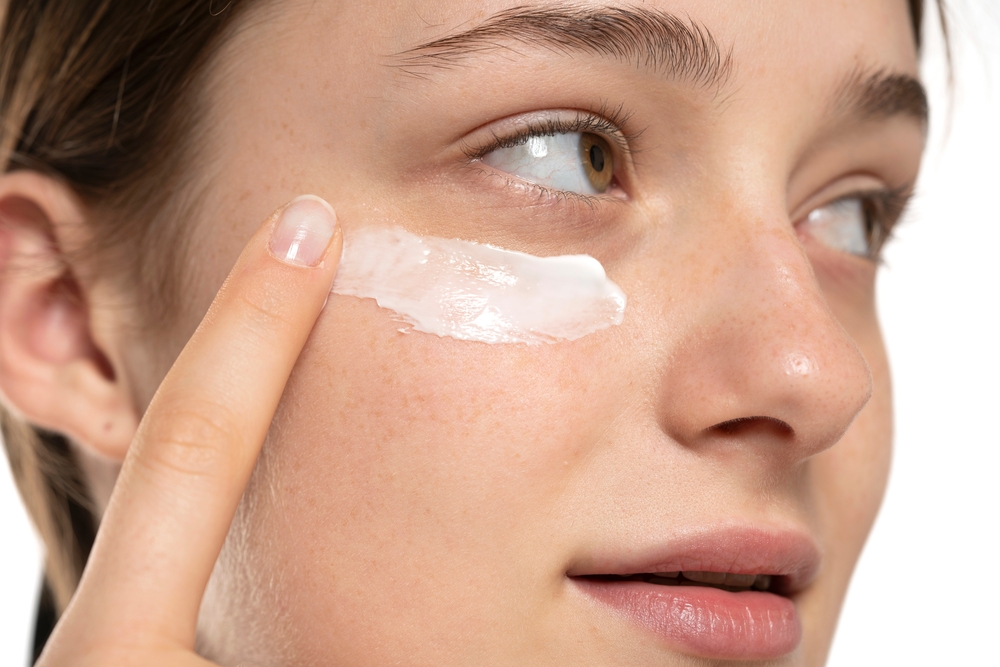
If you look closely at people who seem to age slowly, their skincare is rarely dramatic. It is usually three things, done most days rather than perfectly every day: gentle cleansing, consistent moisturising, and daily SPF. Treatments like retinoids or vitamin C may appear later, but they are built on that basic foundation.
Dermatologists often emphasise that regular use of a bland cleanser and moisturiser helps support the skin barrier, which protects against irritation and water loss. When that barrier is damaged by over washing, harsh scrubs, or skipping moisture, skin can look dull, flaky, and older than it is. Topical retinoids, used carefully, have also been shown to improve fine lines and pigmentation over time, but they work best on skin that is already well hydrated and protected.
What stands out is not how many products they own, but how calmly they use them. They do not switch routines every week because of a new trend. They give products time to work, pay attention to irritation, and keep what suits their skin rather than what looks impressive on a shelf.
There is also an attitude piece. Skincare is treated less as a fight against aging and more as daily care for a hard working organ. Cleansing away the day, applying moisturiser, and putting on sunscreen become small, steady acts of respect. Over years, those quiet rituals often show up as smoother texture, more even tone, and that subtle “well kept” look that makes guessing their age a genuine surprise.
10. They Let Themselves Have Fun
One of the most striking traits in people who look younger than they are is a quiet refusal to act “too old” for the things that make them feel alive. They still dance at weddings, try the new ride at the amusement park, sing along in the car, or say yes to last minute beach plans.
This is not about pretending to be 22 forever. It is about keeping access to lightness. Psychologists sometimes describe this as trait playfulness: the ability to see everyday situations in a fresh, humorous, or curious way. Studies have linked higher playfulness with better stress coping and greater life satisfaction, both of which are associated with healthier aging. Over time, that shows up not only in mood but in how relaxed or tense someone appears in their face and body.
You can usually spot this habit before they tell you their age. Their laughter comes easily. Their clothes or hobbies may have small, unexpected touches. They are willing to look a little silly if it means having a good time. That willingness keeps their expressions mobile and their energy lighter, while chronic self-consciousness often etches itself into the posture and features.
The point is not to force cheerfulness. It is to keep a small doorway open to spontaneity, even on difficult days: a game with a child, a joke with a colleague, a five-minute dance in the kitchen. Those tiny, repeated moments of unstructured joy help keep their inner world feeling young, and their outer world reflecting it.