
Your cart is currently empty!
Woman in Taiwan Found With 300 Kidney Stones After Years of Drinking Bubble Tea
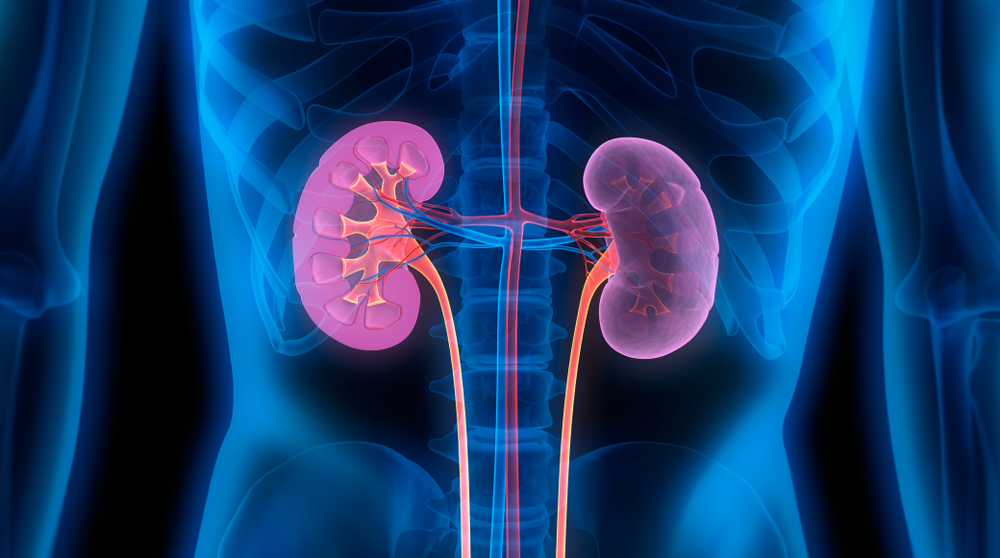
In Taiwan, an extraordinary medical case has shocked both doctors and the public. A 20-year-old woman named Xiao Yu was rushed to Chi Mei Hospital in Tainan with fever and excruciating back pain, only to discover that her right kidney was filled with more than 300 stones. The discovery was so extreme that the stones were described as resembling a tray of “little steamed buns.” What caused this condition was even more surprising: Xiao Yu had avoided drinking plain water for years, choosing instead to hydrate herself with sugary drinks like bubble tea, fruit juice, and even alcohol. This lifestyle of chronic dehydration had silently but steadily created a perfect storm inside her kidneys.
Contents
show
Her story is more than a medical oddity it is a warning about modern lifestyles and our growing dependence on sweetened beverages. Bubble tea, a drink that originated in Taiwan and has spread across the globe as a cultural icon, played a starring role in Xiao Yu’s health crisis. Her experience highlights the hidden dangers of excessive sugar intake and the serious health consequences of replacing water with sugary drinks. Doctors around the world are now pointing to her ordeal as a cautionary tale that extends far beyond Taiwan, reflecting broader public health risks in an age dominated by processed and sugary beverages.
A Painful Wake-Up Call
When Xiao Yu arrived at the hospital, her initial symptoms pointed to a urinary tract infection or kidney inflammation. However, ultrasound scans quickly revealed something far more troubling: her kidney was swollen with fluid and crammed full of stones ranging in size from 5 millimeters to 2 centimeters. The sheer number of stones shocked the medical staff. Patients often present with one or two stones at a time, sometimes a handful. But over 300? It was a staggering medical anomaly. Her blood tests also showed an elevated white blood cell count, indicating infection and inflammation caused by the stones obstructing the normal flow of urine.
She admitted to doctors that she rarely, if ever, drank plain water. For years, her daily fluid intake consisted of bubble tea, fruit juices, and alcohol. While these beverages might feel hydrating in the moment, they actually left her body chronically dehydrated. Dehydration concentrates the minerals in urine, which then crystallize into solid masses. Over time, these small crystals cluster together, forming stones. In Xiao Yu’s case, her habit of replacing water entirely created the conditions for hundreds of stones to accumulate silently until her body could no longer cope. The pain she experienced in her back and fever were the result of her kidney’s struggle against the massive stone buildup.
The Surgery That Made Headlines

Doctors immediately prepared Xiao Yu for surgery. They performed a procedure known as percutaneous nephrolithotomy, a minimally invasive technique in which instruments are inserted through a small incision in the back to directly remove stones from the kidney. The operation lasted about two hours, during which surgeons painstakingly removed over 300 stones. The smallest were barely larger than grains of sand, while the largest measured nearly 2 centimeters comparable to marbles. The sheer volume of stones was so great that doctors compared the collection to a basket of steamed buns, a description that quickly caught the attention of media outlets.
After the surgery, Xiao Yu’s condition stabilized, and she was discharged within a few days. While her physical recovery was quick, the case left a lasting impact on the medical team and the public. Dr. Lim Chye-yang, the urologist who performed the operation, emphasized the crucial role of water in preventing kidney stones. He explained that without sufficient hydration, urine becomes highly concentrated, and minerals like calcium and oxalate crystallize more easily. This process is exacerbated when sugary drinks replace water because they add excess sugar, phosphates, and other compounds that increase kidney strain. What happened to Xiao Yu may be rare, but the mechanism behind her condition is scientifically well understood.
The Bubble Tea Problem

Bubble tea, also known as boba tea, is more than just a drink it’s a cultural phenomenon. Invented in Taiwan in the 1980s, it has spread globally, with bubble tea shops becoming staples in cities from Taipei to New York. The drink’s charm lies in its chewy tapioca pearls, variety of flavors, and customizable levels of sweetness. But beneath its popularity lies a troubling nutritional profile. A typical cup of bubble tea can contain as many as eight teaspoons of sugar, significantly more than the recommended daily limit for adults. Add to this the syrup-soaked pearls, and the drink quickly becomes a calorie bomb disguised as refreshment.
Medical experts warn that excessive consumption of bubble tea poses several risks. First, its high sugar content increases the risk of obesity and type 2 diabetes. Second, the combination of tea and milk adds oxalates and phosphates, both of which can contribute to kidney stone formation. Third, caffeine present in the tea base can elevate blood pressure, further stressing the kidneys. Finally, the pearls themselves provide little to no nutritional value while adding to the caloric burden. Nutritionists note that bubble tea, when consumed occasionally, is relatively harmless, but when it becomes a daily staple as it did for Xiao Yu the risks accumulate silently over time.
Beyond bubble tea, Xiao Yu’s reliance on fruit juice and alcohol compounded her condition. Fruit juice, though perceived as healthy, often contains concentrated sugars that can rival soda in their impact on blood sugar levels. Alcohol, meanwhile, is a diuretic, which promotes fluid loss rather than hydration. By combining these drinks and excluding water, Xiao Yu essentially set her kidneys up for failure.
The Science of Kidney Stones
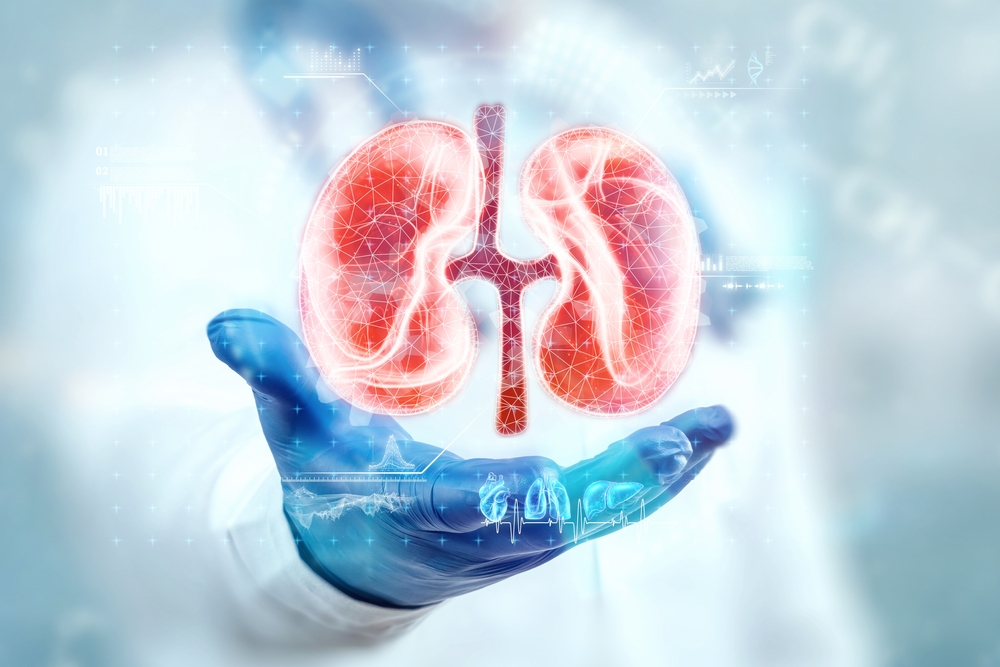
Kidney stones form when the balance of fluids, minerals, and salts in urine tips toward crystallization. Under normal conditions, adequate hydration dilutes these substances, allowing them to pass harmlessly. But when the body is dehydrated, urine becomes concentrated, and minerals such as calcium, oxalate, and uric acid begin to clump together. Over time, these clumps harden into stones. The process is slow and often silent, meaning people can go years without realizing stones are forming until they suddenly cause pain or blockages.
The symptoms of kidney stones are notoriously severe. Patients often describe the pain as one of the most intense sensations they’ve ever experienced, sometimes compared to childbirth. Pain typically radiates from the back or side into the abdomen and groin. Other symptoms include nausea, fever, blood in the urine, and painful urination. In severe cases, untreated stones can lead to chronic infections, permanent kidney damage, or even kidney failure.
Globally, the prevalence of kidney stones is on the rise. The National Kidney Foundation estimates that one in ten people will develop a stone at some point in their life. In Taiwan, about 9.6 percent of the population is affected, with men three times more likely than women. However, Xiao Yu’s case challenges this statistic, showing that lifestyle choices can override typical patterns. Rising global temperatures also play a role, as hotter weather increases fluid loss through sweating, leading to dehydration and higher stone risks. Public health experts warn that as sugary drinks continue to replace water in diets worldwide, more cases like Xiao Yu’s may emerge.
A Global Bubble Tea Phenomenon
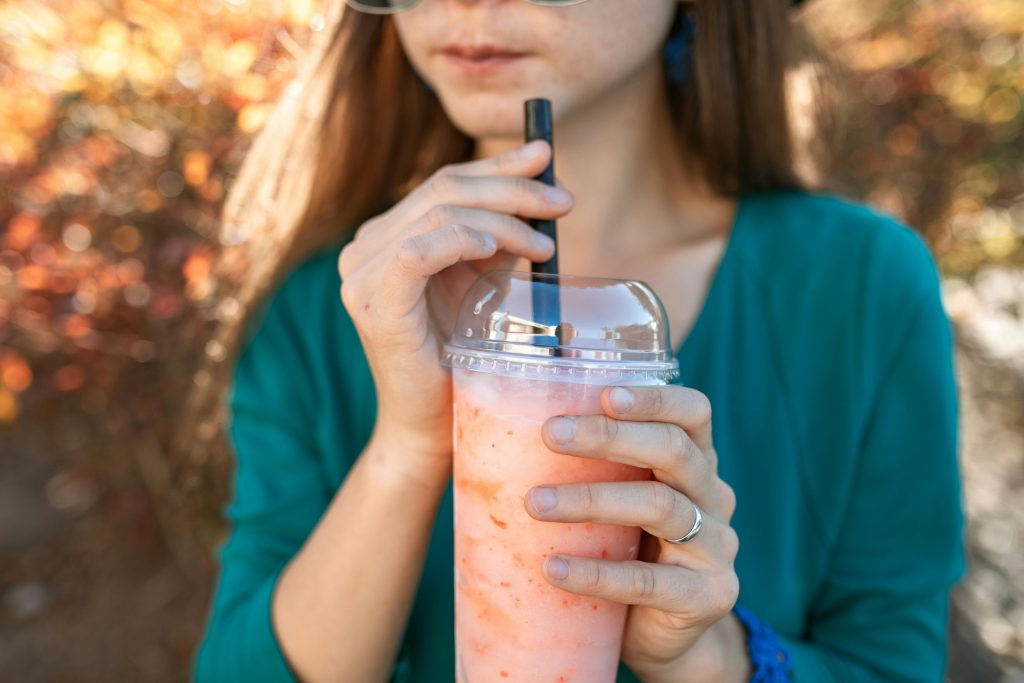
The popularity of bubble tea has turned it into more than a beverage it is now a lifestyle. Social media has fueled its rise, with influencers showcasing colorful cups and inventive flavors. In many countries, bubble tea shops serve as gathering places for young people, making the drink as much a social experience as a refreshment. This cultural success, however, comes with hidden health costs. A growing number of doctors are sounding alarms about the health implications of daily bubble tea consumption.
Cases like Xiao Yu’s are not isolated. In 2019, a 14-year-old girl in China was hospitalized after more than 100 undigested tapioca pearls were found in her stomach, causing severe constipation. Nutritionists stress that while such cases are rare, they illustrate the dangers of overindulgence. Studies also show that bubble tea can significantly contribute to excessive daily sugar intake, especially among teenagers and young adults. With the global bubble tea market now worth billions of dollars, its influence is not likely to fade soon. This makes education about moderation more important than ever.
The story also resonates with larger conversations about processed food and beverage industries. Marketing strategies often glamorize sugary drinks, targeting younger audiences with appealing flavors and aesthetics. Xiao Yu’s preference for bubble tea over water reflects a broader cultural trend: plain water is often seen as boring compared to colorful, flavored alternatives. This perception shift has profound implications for health, as hydration is one of the simplest yet most essential pillars of well-being.
Prevention and Health Advice

Xiao Yu’s ordeal offers valuable lessons for anyone concerned about kidney health. The most important takeaway is the irreplaceable value of water. Doctors universally recommend water as the primary source of hydration because it effectively dilutes urine and prevents the crystallization of minerals. Adults are generally advised to drink at least two liters of water daily, though needs vary depending on climate, activity level, and health conditions.
For those who enjoy bubble tea, moderation is key. Nutritionists suggest limiting bubble tea to no more than once a week and opting for smaller cup sizes. Choosing lower sugar levels, fresh milk instead of powdered creamer, and alternative toppings such as konjac pearls or aiyu jelly can reduce the calorie and sugar load. Some bubble tea chains now offer “healthier choice” options, though experts caution that even these should not replace water. Additionally, maintaining a balanced diet low in sodium and high in fruits and vegetables helps reduce stone risk by promoting urinary citrate, a natural stone inhibitor.
Regular medical check-ups are also essential, especially for individuals with diabetes, obesity, or hypertension. These conditions are strongly linked to kidney disease, and early detection through urine and blood tests can prevent severe complications. Lifestyle adjustments such as regular exercise, weight management, and reducing red meat intake further support kidney health. Doctors emphasize that while kidney stones are treatable, prevention is far less painful and far more effective.
Tips for Everyday Hydration
While Xiao Yu’s case may sound extreme, it underscores small steps that everyone can take to avoid similar outcomes. Here are some practical ways to protect your kidneys and improve hydration habits:
- Carry a reusable water bottle: Having water within reach makes it easier to sip throughout the day and reduces reliance on sugary drinks.
- Infuse water with flavor: For those who find plain water boring, adding slices of lemon, cucumber, or berries can make it more appealing without adding sugar.
- Set hydration reminders: Using smartphone alarms or hydration apps can help establish consistent drinking habits, particularly for those who forget to drink water during busy schedules.
- Choose tea without sweeteners: Switching to unsweetened green tea, black tea, or herbal tea can provide variety while keeping sugar intake low.
- Limit alcohol and caffeine: Both contribute to dehydration, so balancing them with additional water is essential.
- Track sugar intake: Being aware of how much sugar comes from drinks like bubble tea, sodas, and juices can encourage moderation.
- Eat water-rich foods: Fruits and vegetables like watermelon, cucumber, and oranges also contribute to daily hydration.
A Cautionary Tale with a Sweet Twist
Xiao Yu’s recovery is a relief, but her case continues to ripple through discussions about health and lifestyle. In a world overflowing with tempting drinks, it is easy to forget the simplicity and necessity of water. Yet water remains the only true elixir our bodies need to keep kidneys and every other organ functioning properly.
Bubble tea will undoubtedly remain a favorite treat, a colorful and comforting indulgence. But Xiao Yu’s ordeal proves that when it becomes a substitute for water, the results can be devastating. The lesson is clear: enjoy the sweet sip as a treat, not a habit, and never underestimate the power of a glass of water to keep the body’s most vital systems running smoothly.