
Your cart is currently empty!
21-Year-Old’s Refusal To Work Over “No Consent To Be Born” Divides Internet

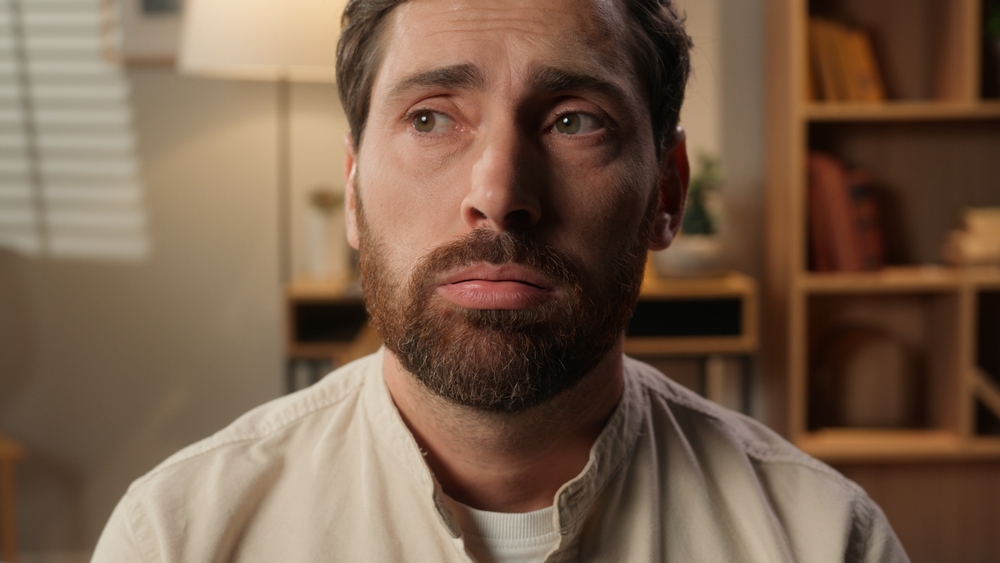
A 21 year old man has ignited a fierce online debate after declaring that he refuses to work because he was “born without his consent.” What began as a blunt personal stance quickly snowballed into a viral flashpoint, with millions weighing in across social media platforms. Some people dismissed him instantly. Others paused, unsettled by the uncomfortable logic behind his claim. The situation has become far bigger than one young adult resisting employment. It has turned into a cultural mirror reflecting how people view responsibility, family, independence, and the expectations quietly placed on every human being the moment they enter the world.
Contents
show
The controversy intensified after one viral caption summed up the chaos perfectly: “He refuses to work because he says he was born without his consent and the internet cannot decide if he is a genius or delusional.” That single line captured the split reaction. For some, his reasoning sounds absurd and entitled. For others, it feels like a radical but honest critique of modern life. As arguments rage in comment sections, one thing is undeniable. One sentence from a 21 year old just forced the entire internet to debate the meaning of responsibility, choice, and what we actually owe each other.
#France: “I Didn’t Ask to Be Born”: At 21, He Refuses to Work, Claiming He Was Born Without His Consent
— MMI News (@MimiMefoInfo) February 25, 2026
A 21-year-old man says he does not want to work on the grounds that he never consented to his own birth. Within hours, his statement sparked heated debate on social media and… pic.twitter.com/Nt0IGHEBDn
The Statement That Sparked the Firestorm
At the center of the storm is a simple argument. The young man believes that because he never asked to be born, he should not be forced into the obligations that come with existence. In his view, choosing to have a child is an active decision made by parents. Since he had no say in that decision, he argues that the long term consequences of being alive should not fall entirely on him. Financial survival, he claims, should not automatically become his burden simply because he reached adulthood.
He frames work as something imposed rather than chosen. According to his reasoning, society expects people to labor in order to justify their right to basic necessities like food, shelter, and healthcare. From his perspective, that expectation feels unfair because he never consented to enter a system where survival is tied to productivity. If his parents made the choice to create life, he believes they carry responsibility for sustaining that life.
Online reactions poured in almost immediately. Screenshots of his comments spread rapidly, fueling debates on TikTok, X, Instagram, and Reddit. Some users created reaction videos dissecting his philosophy. Others wrote lengthy threads arguing either for or against his position. What might have remained a personal opinion instead evolved into a global conversation about the foundations of adulthood.

Critics Say It Is Entitlement, Not Insight
Many critics argue that his position ignores a basic reality of human existence. No one consents to being born, yet billions of people accept that life involves responsibility. From this perspective, adulthood marks a transition point where individuals take ownership of their survival regardless of how they arrived in the world. To them, rejecting work on philosophical grounds appears less like deep thinking and more like avoidance.
Some commenters described his argument as a symbol of generational entitlement. They claim that maturity requires accepting discomfort and contributing to society. In their eyes, parents are responsible for raising children into capable adults, not supporting them indefinitely. They worry that normalizing his viewpoint would erode the social contract that keeps communities functioning.
Others focused on the practical consequences. Modern societies rely on participation. Infrastructure, healthcare systems, agriculture, education, and public services depend on people showing up and doing their jobs. Critics argue that if everyone adopted his logic, essential systems would collapse. For them, the fairness of existence is not the issue. The reality of survival is.
Supporters See a Deeper Question About Work
While many dismissed him outright, a significant number of people defended his right to question the system. Supporters argue that his statement highlights a widespread frustration among young adults who feel overwhelmed by economic pressure. Rising rent prices, student debt, stagnant wages, and unstable job markets have created a climate where independence feels harder to achieve than it did for previous generations.
For these supporters, his refusal is less about laziness and more about protest. They see it as a symbolic rejection of a culture that equates human worth with productivity. In a world where burnout is common and mental health struggles are increasing, questioning the obligation to work can feel like pushing back against relentless pressure.
Some even suggested that his words resonate because many people privately share the same thought but never say it aloud. The idea of waking up every day to work simply to afford basic survival can feel exhausting. His blunt phrasing gave voice to that frustration, even if few are willing to adopt his conclusion fully.

The Philosophy Behind Being “Born Without His Consent”
The debate also introduced many people to a philosophical position known as antinatalism. This viewpoint questions whether bringing new life into the world is morally justified, given that life inevitably involves suffering. While the young man did not outline a formal theory, commenters quickly connected his argument to this broader philosophy.
Antinatalists argue that because a person cannot agree to be born, creating life imposes risk without permission. Life includes pain, illness, disappointment, and hardship alongside joy and fulfillment. From this angle, choosing to have children means choosing on behalf of someone else who cannot object.
Opponents of this philosophy counter that existence also contains meaning, love, creativity, and growth. They argue that consent cannot logically apply before consciousness exists. Human life, they say, has always involved uncertainty. To them, focusing solely on the absence of consent ignores the full spectrum of human experience.

A Generational Divide Beneath the Debate
Beyond philosophy, the controversy reflects a deeper generational tension. Older generations often emphasize resilience, hard work, and self reliance. Many recall entering job markets that offered clearer pathways to stable careers and affordable housing. From that standpoint, refusing to work appears irresponsible.
Younger generations face a different landscape. Housing costs have surged in many cities. Student debt burdens millions. Job markets are competitive and frequently unstable. Social media amplifies comparison and success stories, intensifying pressure to achieve quickly. Under these conditions, the path to independence can feel uncertain and overwhelming.
When the 21 year old says he refuses to work because he was “born without his consent,” some hear immaturity. Others hear a young adult grappling with a system that feels stacked against him. The clash in reactions reveals not just disagreement about one man’s choices, but conflicting interpretations of what adulthood should look like in the modern world.

What Do Parents and Children Owe Each Other?
At its core, the viral moment raises a timeless question about mutual obligation. Parents choose to bring children into the world. Children eventually become adults expected to support themselves. Where does responsibility begin and where does it end?
Most societies agree that parents are responsible for providing food, shelter, education, and safety during childhood. The expectation shifts as children grow older, with independence becoming the goal. Yet economic realities have extended the timeline for many young adults who remain financially dependent longer than previous generations did.
The young man’s argument challenges the assumption that responsibility automatically transfers at a certain age. While few agree that parents should provide unlimited lifelong support, his stance forces a reexamination of how families and societies structure the transition into adulthood.
Why This Story Resonated So Widely
The reason this situation spread so rapidly is not simply shock value. It is relatability. At some point, many people have felt overwhelmed by the cost and pressure of living. Thoughts like “I did not ask for this” can surface during moments of stress, even among those who ultimately accept their responsibilities.
Social media thrives on bold, simplified statements. His declaration was short, direct, and provocative. It distilled complex existential frustration into a single phrase that could be shared in seconds. In an attention driven digital world, that kind of clarity spreads quickly.
More importantly, the debate touches something universal. Everyone is born without choosing it. Everyone must navigate systems they did not design. The disagreement lies in how people respond to that reality.
A Conversation Bigger Than One Person
It is easy to mock the 21 year old. It is also easy to romanticize him as a rebel philosopher. The truth likely lies somewhere in between. Personal responsibility remains essential for societies to function. At the same time, questioning economic structures and cultural expectations can lead to meaningful reform.
His statement does not provide a practical roadmap for life. Refusing to participate entirely would carry real consequences. Yet the intensity of the reaction shows that many people feel uneasy about how survival is structured. The viral debate exposes a shared tension between accountability and empathy.
In the end, this story is not just about one young man declining to work. It is about the fragile balance between individual duty and collective responsibility. It is about how families prepare children for adulthood and how societies support that transition. Most of all, it is about the uncomfortable truth that none of us chose to be here, yet all of us must decide what to do with that reality. The internet may never settle on whether he is insightful or misguided, but the conversation he sparked will likely linger far longer than the original post.
21 year old controversy, antinatalism discussion, born without consent, generational divide, internet divided, modern adulthood, Parental Responsibility, philosophy of existence, refuses to work, responsibility debate, social media controversy, viral debate, work culture debate, youth unemployment discussion