
Your cart is currently empty!
“Severe” Warning For Antarctica Issued By Nearly 500 Polar Scientists
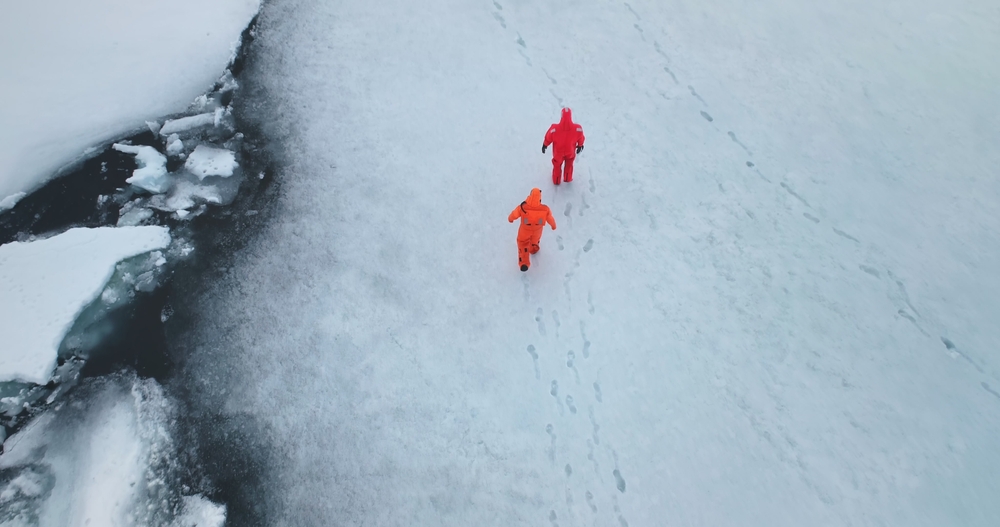
Antarctica, often regarded as Earth’s last pristine frontier, holds far more significance than its icy isolation might suggest. As one of the planet’s largest regulators of global climate and a vital repository of frozen freshwater, its health directly impacts the stability of ecosystems worldwide. Recently, nearly 500 polar scientists have sounded an urgent alarm, issuing a stark warning about the continent’s rapidly deteriorating conditions. Their collective message is clear: the escalating crisis in Antarctica demands immediate global attention and action.
Contents
show
This warning is not just a wake-up call for environmentalists or scientists; it underscores a growing threat to humanity itself. The accelerating melting of Antarctic ice threatens to reshape coastlines, disrupt global weather patterns, and endanger countless species reliant on its unique ecosystems. With the stakes higher than ever, understanding the gravity of this crisis is essential—not just for the sake of a distant continent but for the future of the entire planet.

The Warning: What Nearly 500 Polar Scientists Are Saying
In an extraordinary and urgent declaration, nearly 500 polar scientists from around the world have united to issue a grave warning about the state of Antarctica. This collective statement highlights the continent’s alarming trajectory toward ecological collapse, driven by the relentless effects of human-induced climate change. According to the scientists, the unprecedented warming of polar regions is accelerating the melting of Antarctic ice, destabilizing the continent’s fragile ecosystems, and creating ripple effects that threaten global stability. They emphasize that the data is unequivocal: Antarctica is reaching a critical tipping point, and without immediate intervention, the damage could spiral beyond control.
The scientists’ warning underscores the interconnectedness of Antarctica with the rest of the planet. They point to a growing body of evidence that shows dramatic increases in ice loss and rising ocean temperatures. Ice shelves that once seemed impervious are now breaking apart at alarming rates, contributing to rising sea levels that endanger millions of people in coastal areas worldwide. This melting ice not only affects sea levels but also disrupts ocean currents and weather patterns, further destabilizing already fragile ecosystems globally. The statement serves as a stark reminder that the changes unfolding in Antarctica are not isolated; they are inextricably linked to the well-being of humanity and the planet as a whole.
Central to the scientists’ plea is the need for urgent, coordinated international action. They call on world leaders to prioritize reducing greenhouse gas emissions, which are the primary driver of the crisis. Additionally, the statement advocates for robust policies to protect Antarctica’s ecosystems and increased funding for research to better understand the rapid changes occurring on the continent. The scientists stress that solutions require collective effort and long-term commitment. Their warning is not just a call to action; it is a moral imperative to safeguard Antarctica and, in doing so, protect the planet’s future.
Climate Change and Its Impact on Antarctica
Antarctica is one of the most sensitive barometers of global climate change, and the signs of its distress are becoming impossible to ignore. The continent is warming at an alarming pace—nearly three times faster than the global average in some regions. This warming is triggering a cascade of effects, including the rapid melting of ice sheets, retreating glaciers, and thinning ice shelves. These changes are not only reshaping the Antarctic landscape but also unleashing global consequences. With billions of tons of ice flowing into the ocean annually, the region has become one of the largest contributors to rising sea levels, threatening coastal cities and communities worldwide.
One of the most concerning aspects of climate change in Antarctica is the instability of its ice sheets. The West Antarctic Ice Sheet, in particular, is losing ice at an accelerated rate, primarily due to warming ocean waters that undercut its base. This process, known as basal melting, is destabilizing ice shelves that once acted as barriers, preventing the flow of inland glaciers into the sea. Without these natural “dams,” glaciers are sliding more quickly into the ocean, contributing to rising sea levels at rates that are challenging scientists’ most dire projections. The interconnectedness of these processes underscores the fragility of Antarctica’s systems and their vulnerability to even small temperature changes.
The impact of climate change on Antarctica’s ecosystems is equally dire. As the ice retreats, habitats for wildlife such as penguins, seals, and krill are shrinking, disrupting food chains and threatening biodiversity. Species adapted to cold, stable conditions are struggling to survive in a rapidly changing environment, and invasive species are beginning to establish themselves in areas previously inhospitable to them. These disruptions not only endanger the delicate balance of life in Antarctica but also have far-reaching implications for marine ecosystems across the globe. The changes occurring in Antarctica are a stark warning of how deeply climate change can reshape ecosystems, challenging the resilience of life on Earth.

The Role of Antarctica in the Global Ecosystem
Antarctica is more than just a frozen continent at the bottom of the world; it is a cornerstone of the Earth’s climate and ecological balance. Its massive ice sheets, which contain nearly 60% of the planet’s freshwater, play a critical role in regulating global temperatures. The reflective surface of Antarctica’s ice, known as albedo, helps to deflect solar radiation back into space, cooling the planet. As this ice diminishes due to climate change, the Earth absorbs more heat, accelerating global warming in a feedback loop that scientists warn could have catastrophic effects.
Beyond its role in temperature regulation, Antarctica’s ice sheets are a key factor in maintaining stable sea levels. When these ice sheets melt, they release vast amounts of freshwater into the oceans, raising sea levels and altering ocean salinity. These changes disrupt critical ocean currents, such as the thermohaline circulation, which acts as a global conveyor belt regulating climate systems and distributing heat across the planet. If this circulation weakens or collapses, the resulting climate instability could trigger extreme weather events, prolonged droughts, and disruptions to marine ecosystems, ultimately affecting food security and livelihoods around the world.
Antarctica also supports a unique and vital ecosystem that serves as a foundation for marine biodiversity. Krill, a small but essential organism in the Antarctic food chain, feeds species as diverse as whales, seals, and penguins. The melting of sea ice, which krill depend on for their life cycle, threatens this cornerstone of the marine food web. Furthermore, Antarctica’s cold waters are among the most productive in absorbing carbon dioxide, acting as a critical buffer against rising atmospheric CO2 levels. As the continent’s stability is compromised, these ecological and climate-regulating functions are at risk, jeopardizing not just the region but the health of the planet as a whole.
What Happens If We Ignore the Warning?
Failing to address the escalating crisis in Antarctica could lead to catastrophic consequences for the planet. One of the most immediate and visible impacts would be rising sea levels. Scientists estimate that if the West Antarctic Ice Sheet collapses, global sea levels could rise by several meters, submerging low-lying coastal cities like Miami, Dhaka, and Venice. Such a scenario would displace millions of people, creating an unprecedented refugee crisis and overwhelming global resources. Entire island nations could disappear, and critical infrastructure in coastal areas would be at constant risk, with significant economic and humanitarian repercussions.
The destabilization of Antarctica’s ice sheets also poses severe risks to global weather systems. As ice melts and floods the oceans with freshwater, it disrupts key currents like the Atlantic Meridional Overturning Circulation (AMOC), which moderates weather patterns in North America, Europe, and Africa. Weakening or halting these currents could lead to harsher winters in some regions, prolonged droughts in others, and an increase in extreme weather events such as hurricanes, heatwaves, and floods. The ripple effects would be felt worldwide, impacting agriculture, water resources, and energy supplies, further straining global systems already grappling with the effects of climate change.
Ignoring the warnings about Antarctica would also accelerate the loss of biodiversity, both in the region and globally. The collapse of Antarctic ecosystems would have a cascading effect on marine life, disrupting food webs and depleting fisheries that millions of people rely on for sustenance. Additionally, the continent’s reduced capacity to sequester carbon dioxide would exacerbate global warming, creating a feedback loop of environmental degradation. These interconnected consequences highlight the urgency of acting now. Delaying intervention would not only compound the challenges of mitigation but also significantly increase the costs—both financial and human—of addressing a rapidly deteriorating global climate.
Call to Action: What Needs to Be Done
The warning issued by nearly 500 polar scientists serves as a clarion call for immediate, decisive action to mitigate the crisis unfolding in Antarctica. The scientists emphasize the need for a multi-pronged approach, starting with aggressive reductions in greenhouse gas emissions. The burning of fossil fuels is the primary driver of global warming, and transitioning to renewable energy sources such as solar, wind, and geothermal power is critical. Governments, industries, and individuals must work collaboratively to accelerate this shift, prioritizing sustainable practices and technologies to curb emissions.
Protecting Antarctica’s fragile ecosystems is another crucial step. International agreements, such as the Antarctic Treaty System, must be strengthened to prevent overfishing, regulate tourism, and curb human activity that could further destabilize the region. Expanding marine protected areas (MPAs) around Antarctica would safeguard critical habitats for species like krill, penguins, and seals, ensuring the resilience of the Antarctic food web. Scientists also call for stricter enforcement of existing environmental regulations to minimize human impact on the continent and its surrounding waters.
Investment in scientific research and climate monitoring is equally vital. Enhanced funding for polar research will enable scientists to better understand the rapid changes occurring in Antarctica and develop more accurate models to predict future impacts. Monitoring programs that track ice melt, ocean currents, and ecosystem shifts are essential for informing policy decisions. Furthermore, public awareness campaigns can mobilize grassroots support, empowering individuals to demand bold climate policies from their leaders. The urgency of these actions cannot be overstated—addressing the Antarctic crisis is not just about preserving a distant icy continent but safeguarding the future of humanity itself.
The crisis in Antarctica is a stark reminder of the interconnectedness of our planet and the collective responsibility we share in safeguarding its future. The warning from nearly 500 polar scientists is not just a call to action for governments and policymakers—it is a call to all of humanity. Antarctica’s melting ice, destabilized ecosystems, and shifting climate patterns affect every corner of the globe, highlighting the urgent need for coordinated global efforts to address the root causes of climate change.
As individuals, we may feel powerless against such a vast challenge, but small, collective actions can have a profound impact. Supporting policies that prioritize renewable energy, reducing personal carbon footprints, and advocating for climate education and awareness are steps everyone can take to contribute to the solution. Governments and industries must lead with decisive action, but a groundswell of public support is essential to ensure accountability and sustained momentum.
Time is of the essence. The future of Antarctica—and by extension, the planet—depends on the choices we make today. Let this be a moment of reckoning and resolve, a turning point where humanity rises to meet the challenge of preserving one of Earth’s most vital and fragile ecosystems. Together, we can forge a path toward a more sustainable and resilient future, ensuring that Antarctica remains not just a symbol of natural beauty, but a cornerstone of planetary balance and hope for generations to come.