
Your cart is currently empty!
It is Illegal Live in an RV on Your Property in These Us States
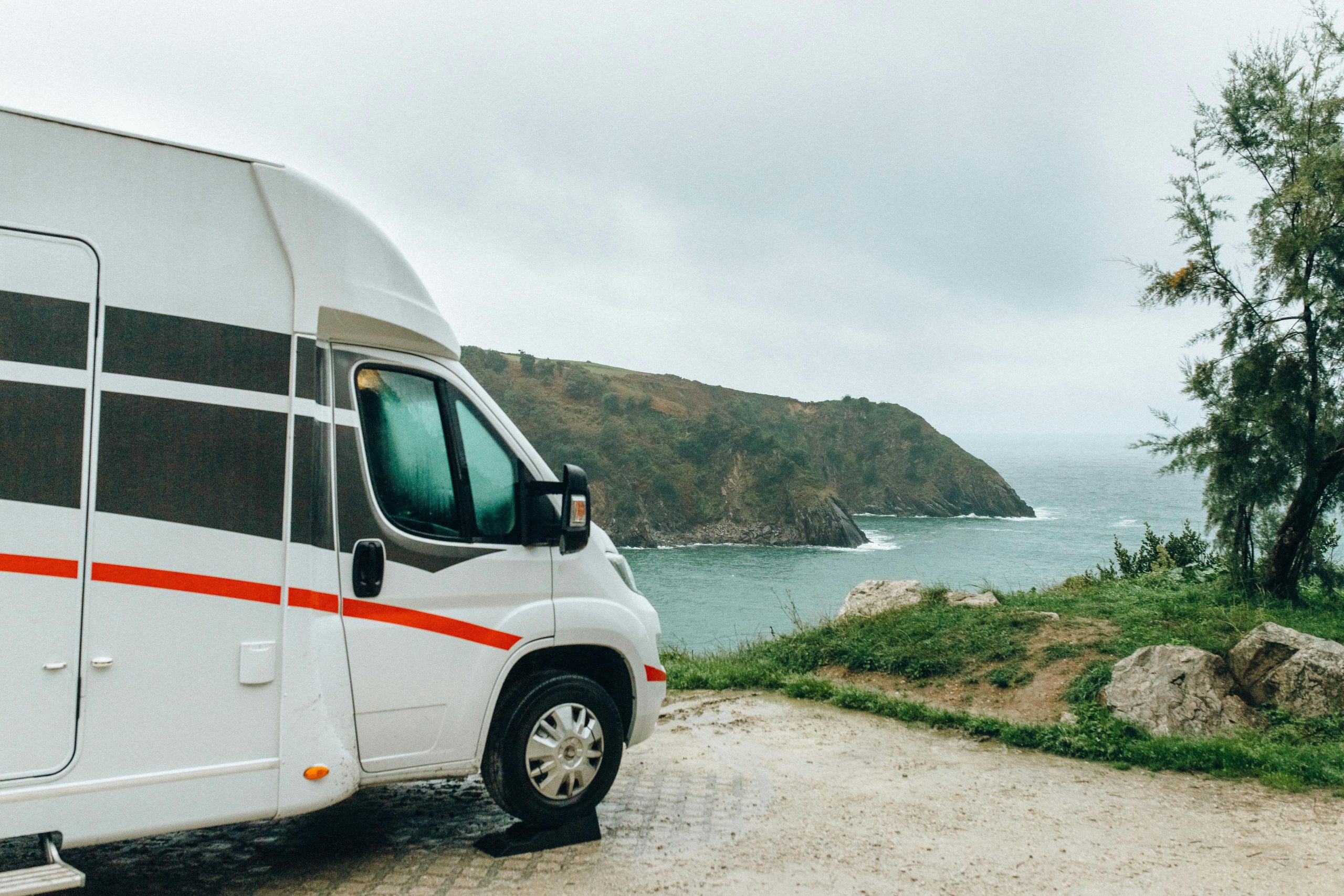
Imagine owning a slice of land in the quiet countryside, backing your RV onto it, and waking up each morning to birdsong and mountain views with no mortgage, no landlord, and no one to answer to. Sounds idyllic, right? Now imagine getting fined or evicted for doing exactly that.
Contents
show
As housing prices soar and the definition of “home” evolves, a growing number of Americans are swapping square footage for freedom. More than 11 million U.S. households now own an RV, and many are turning to these rolling homes as full-time residences. From digital nomads to retirees seeking a simpler life, RV living is more than a travel trend it’s a response to a broken housing system.
But here’s the catch: in several U.S. states, it’s technically illegal to live in your RV full-time even on land you own outright. That’s right: you can purchase both the vehicle and the property, only to find out that zoning laws say “no.”
So why is living in an RV on your own land such a legal gray area? And which states are cracking down hardest on this lifestyle shift? Let’s navigate the complicated road of RV residency laws and the detours that might just keep your dream alive.
Why More Americans Are Turning to RV Living
The decision to live in an RV is rarely made on a whim. For many, it’s a response to rising housing costs, personal debt, or a yearning to break free from the traditional constraints of modern life. According to the RV Industry Association, ownership has surged in recent years, with over 11 million U.S. households now owning an RV and a significant portion using them for extended or full-time living.
This shift isn’t just about wanderlust or Instagram-worthy road trips. It’s about survival, autonomy, and affordability. The median price of a home in the U.S. surpassed $400,000 in recent years, pushing the dream of homeownership out of reach for many. Renting isn’t much better with rents in some urban areas rivaling mortgage payments, and lease agreements offering little stability.
For younger generations, particularly millennials and Gen Z, RV living can feel like a liberating alternative. “I was tired of spending half my paycheck on rent,” says 29-year-old RV dweller and graphic designer Tara Liu. “Now, my home moves with me, and I’ve never felt more financially secure.”

Meanwhile, retirees are also embracing the lifestyle. Rather than sinking savings into property taxes and home maintenance, many are opting to downsize into RVs and spend their golden years chasing better weather or simply peace and quiet.
There’s also a philosophical undercurrent to the movement. Minimalist values, environmental consciousness, and the desire to reclaim time and freedom all play a role. Living with less often means living more deliberately and for those burned out by consumer culture, RV life offers a chance to rewrite the rules.
From young professionals working remotely from national parks to families seeking financial breathing room, RV living is no longer niche it’s a movement. But while the motivations are clear, the legal path is anything but.
Why Living in an RV on Your Property Isn’t Always Legal
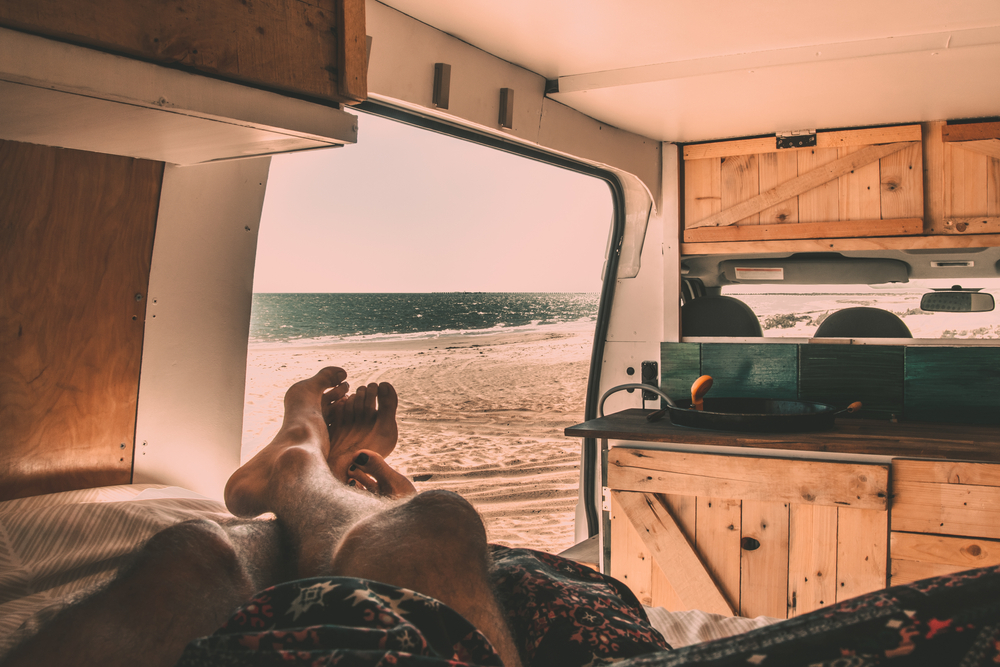
At first glance, the idea seems perfectly reasonable: you own the RV, you own the land why shouldn’t you be able to live in one on the other? But in the eyes of local governments, it’s not that simple.
The primary hurdle is zoning. Zoning laws dictate how land can be used residential, commercial, agricultural, industrial and more importantly, what counts as a legal dwelling. In many jurisdictions, RVs don’t meet the definition of a “permanent residence,” regardless of how well-equipped they are for full-time living.
This isn’t just a bureaucratic technicality. Zoning and building codes exist to ensure public safety, proper sanitation, and orderly development. Localities often require dwellings to be connected to public utilities such as sewage, water, and electricity. While some RVs can hook into these systems, many rely on off-grid solutions like composting toilets and solar panels, which often fall outside approved standards.
Some states and municipalities also impose health and safety regulations that RVs can’t easily satisfy such as minimum square footage requirements, permanent foundations, and compliance with fire safety codes. RVs, by design, are mobile and lightweight, making them structurally and legally distinct from houses or even tiny homes on foundations.
There’s also the temporary-versus-permanent conundrum. Recreational vehicles are typically licensed and taxed as vehicles, not residences. As a result, they’re viewed as inherently impermanent. Allowing people to live in them full-time—particularly on their own land challenges the regulatory framework that governs residential development.
Aesthetic concerns also factor in. In neighborhoods governed by homeowners’ associations (HOAs) or municipalities prioritizing property values and visual cohesion, long-term RV residency may be seen as undesirable. In these cases, local ordinances often ban or limit RV parking even on private driveways or behind homes.
Lastly, there’s the matter of taxation. Traditional homes contribute to local property tax revenues, which fund services like schools, emergency response, and road maintenance. A rise in RV dwellings could disrupt that funding model, prompting some municipalities to restrict full-time RV use in the interest of preserving tax income.
U.S. States Where Living in an RV on Your Own Land Is Prohibited
While there’s no blanket federal law banning full-time RV living, several U.S. states have drawn a firm line in the sand making it effectively illegal to use an RV as a permanent residence on your private property. These restrictions often stem from zoning laws, building codes, and health ordinances that define what qualifies as a “habitable dwelling”—and RVs, no matter how well-outfitted, frequently don’t make the cut. As of 2025, the following states are widely known for prohibiting full-time RV residency on private land:
- Delaware: Living in an RV as a primary residence is not allowed, even on your own land. Violations can result in fines up to $100, and local authorities may require removal of the vehicle. RV use is limited to registered campgrounds or RV parks, usually with time restrictions.
- Hawaii: Due to strict zoning and land-use laws, RVs cannot legally serve as permanent residences anywhere outside of designated campgrounds. Even temporary stays can be difficult in urban or coastal zones, where parking and habitation are tightly regulated.
- Indiana: Indiana’s laws explicitly prevent RVs from being used as full-time homes on private land. While you can park your RV, overnight occupancy is restricted. Even many RV parks in the state are seasonal and close during winter months.
- Michigan: The state classifies RVs as recreational or temporary vehicles, not legal dwellings. Permanent RV residency is prohibited outside of licensed campgrounds. Though short-term use during emergencies may be tolerated, zoning ordinances in most counties do not allow full-time RV living.
- Georgia: Most counties in Georgia prohibit full-time RV living outside of licensed campgrounds. Some rural areas may offer more flexibility, but you’ll still need permits and must comply with utility and sanitation standards.
- Nevada: In many areas especially within city or town limits Nevada restricts RVs from being used as full-time residences. Permits may be issued for temporary use (such as during home construction), but long-term habitation on private land is generally not permitted.
- New Hampshire: Despite some flexibility in rural areas, most towns in New Hampshire enforce zoning laws that bar permanent RV living. Temporary stays may be allowed if you’re actively building a home, but long-term occupancy is usually prohibited.
- Kentucky: Kentucky doesn’t have a statewide ban, but most local jurisdictions treat RVs as impermanent dwellings. Municipal zoning often restricts RV residency, especially in suburban and urban areas.
Violations can carry consequences: eviction notices, fines, and in some cases, denial of utility access or property liens. While enforcement may vary depending on the county or even the inspector, the risk remains very real.
States That Allow RV Living With Conditions

While some states draw a hard line against full-time RV residency, the majority of U.S. states take a more flexible though still regulated approach. In these places, living in your RV on your own land is allowed, but comes with strings attached: zoning compliance, permit approvals, utility requirements, and local ordinances all play a role. These states offer a potential legal path forward, but only if you’re willing to do your homework and meet certain criteria.
1. States with Friendly but Conditional Regulations
Several states are broadly RV-friendly, especially in rural or unincorporated areas:
- Texas: One of the most supportive states for RV dwellers. You can live in your RV on private property if it’s properly registered, passes state inspection, and is located in a zone that permits it. Some counties also require septic systems or utility hookups.
- Florida: A haven for snowbirds and full-timers alike. Florida allows RV living on private property as long as local zoning rules are followed. Many counties require connection to utilities, and some limit the number of days per year an RV can be occupied.
- Arizona: Known for its relaxed stance, Arizona allows RV living in many areas—though some cities like Phoenix or Flagstaff have stricter codes. A permit may be required in urban zones, and off-grid setups must still meet sanitation standards.
- Oregon: Thanks to progressive housing policies, Oregon allows RV living in many counties. Senate Bill 1013, for example, supports alternative dwellings like RVs and tiny homes. Still, compliance with septic and residential zoning rules is essential.
- Colorado: Generally supportive of RV life, especially in unincorporated or rural counties. Urban areas may have more restrictive zoning codes, but many residents live legally in RVs on agricultural or rural residential land.
2. Conditions You’ll Likely Encounter
Even in these RV-permissive states, local regulations will dictate what’s legal. Common requirements include:
- Zoning Designation: Look for land zoned as “rural residential,” “agricultural,” or “mixed-use.” These are often more accommodating to non-traditional dwellings.
- Utility and Sanitation Compliance: Most counties require RVs to be connected to a certified septic system or municipal sewer line. Even solar-powered or composting setups must meet local health codes.
- Permits and Time Limits: Some areas allow RV living through a temporary use permit, especially during home construction or hardship. Others impose time restrictions—30, 90, or 180 days per year is common.
- Visual and Structural Standards: To avoid code violations or neighbor complaints, your RV may need to be parked out of sight from the road or enclosed in a pole barn, carport, or other structure.
- Address Registration and Tax Implications: To register your RV as a domicile (for voting, driver’s license, or taxes), your setup often must meet residential criteria. Some states, like South Dakota or Texas, have more lenient residency rules for RVers.
3. County-by-County Variability
In nearly all of these states, laws can vary dramatically from one county or city to the next. For example, while Oregon’s state policies are supportive, some towns may still ban full-time RV living outright. Conversely, a rural area in Michigan (where the state has restrictive laws) might turn a blind eye. Before settling, contact the local zoning or planning office to verify:
- Whether RVs are allowed as permanent residences
- What permits or septic inspections are required
- If your land meets setback, road access, and emergency service regulations
Workarounds and Legal Alternatives for RV Dwellers
For those determined to make full-time RV living a reality even in places where the law isn’t exactly welcoming creativity can be just as important as compliance. Across the U.S., resourceful RVers are finding legal loopholes and practical solutions that allow them to live semi-permanently in their vehicles without running afoul of local ordinances. While none of these options are one-size-fits-all, they highlight the adaptability and grit of a community that’s committed to doing housing differently.
1. The “Shuffle” Strategy
In areas where time limits restrict how long you can stay in one place often 14, 30, or 90 days some RVers adopt a “shuffle” strategy. This means periodically moving the RV from one spot to another to remain compliant with stay-duration rules.
Even if the moves are minor such as from one part of a private property to another it can be enough to avoid violations in certain counties. It’s not ideal for those craving permanence, but for nomads who already enjoy movement, it’s a manageable trade-off.
2. The Hybrid Set-Up
Another increasingly popular workaround involves incorporating the RV into a larger structure. Some property owners build pole barns, garages, or carports around or next to their RVs, essentially housing them within a semi-permanent shell. This approach offers multiple benefits:
- It can satisfy visual or aesthetic zoning requirements
- It may allow the property to be classified as having a permanent structure
- It adds weather protection and privacy
3. RV as an Accessory Dwelling Unit (ADU)
In municipalities that allow accessory dwelling units, an RV can sometimes be approved as a secondary living space alongside a main house. For homeowners building or renovating their primary residence, this can be a temporary but legal way to live on-site in an RV.
Some counties issue temporary use permits that permit RV dwelling during construction, emergencies, or caregiving situations particularly if sanitation and utility hookups meet local standards.
4. Private RV Communities and Co-Ops
When zoning restrictions feel insurmountable, many RV enthusiasts are finding strength in numbers. Across the country, groups are banding together to buy land and create private RV communities, which operate as co-ops, nonprofits, or even full-fledged RV parks.
By registering the land as a commercial RV park or campground, residents can often bypass residential zoning laws altogether. These communities range from informal collectives in rural areas to fully permitted villages with amenities like shared septic systems, water wells, and communal buildings.
5. State-Sanctioned Permits and Legal Exceptions
In some states like Nebraska, New Mexico, and New Jersey permits are available for long-term RV living, provided certain conditions are met. This may include:
- Annual registration of the RV as a residential unit
- Proof of waste management systems
- Time-bound permits with renewable terms
6. Living on Someone Else’s Land
If you don’t own land, living on a friend or family member’s rural property with their permission can be a legal gray area that’s often tolerated, especially if the land isn’t subject to strict HOA rules or urban zoning codes. However, this too can be subject to scrutiny, especially if neighbors complain or sanitation becomes an issue.
What to Check Before Committing to Full-Time RV Life
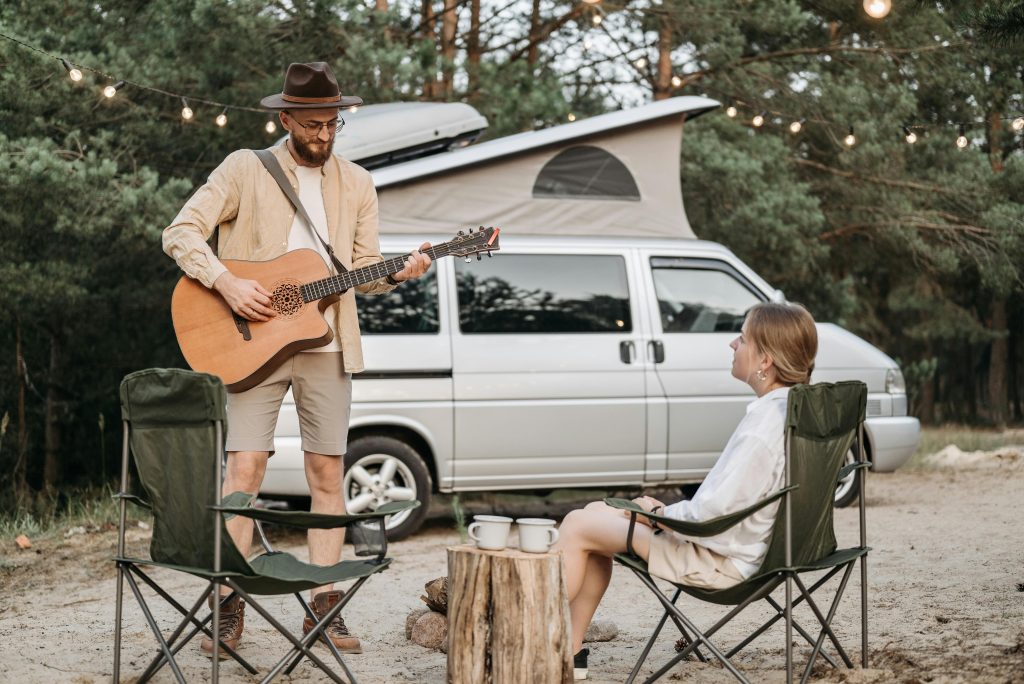
The freedom of RV living is undeniably appealing but it’s also deeply dependent on rules that vary from state to state, and sometimes even block to block. Before you fully commit to this lifestyle, it’s essential to investigate the legal, practical, and environmental landscape that surrounds it. Here’s a refined checklist to help you avoid costly missteps and make informed, sustainable decisions.
1. Know Your Local Laws Down to the County
Even in states that permit RV living, zoning and land-use laws are enforced at the local level. Contact your county or municipal zoning office and ask:
- Is full-time RV living permitted on private property in this zone?
- Are there stay limits or seasonal restrictions?
- Do you need a temporary use permit or occupancy certificate?
Also, if your land is part of a Homeowners’ Association (HOA), check the community’s CC&Rs (Covenants, Conditions & Restrictions). HOAs can legally impose rules that ban visible RVs or limit long-term occupancy, even on private property.
2. Understand Utility, Sanitation, and Infrastructure Expectations
Health and safety codes generally require RVs to be connected to:
- A water supply (via well, city connection, or approved tank)
- A sewage disposal system (septic or municipal sewer)
- A power source (electric grid, solar, or generator)
Even if your RV is fully off-grid, some jurisdictions won’t consider it compliant unless it’s tied into official infrastructure. Be ready to meet local inspection or permitting requirements, particularly for septic systems and accessory structures like decks or carports.
3. Confirm Address, Residency, and Documentation Rules
Many counties don’t recognize RVs as permanent dwellings, which can complicate:
- Mail delivery
- Driver’s license updates
- Voter registration
- Tax filings
If your local government won’t issue a physical address for your RV setup, consider using mail forwarding services or establishing domicile in a more RV-friendly state like Texas, South Dakota, or Florida, which offer flexible residency rules for nomads.
4. Plan for Safety, Sustainability, and Legal Flexibility
Before settling, assess:
- Environmental risks (e.g., floods, fire zones, or extreme temperatures)
- Security and access to emergency services, especially in remote areas
- Changing laws—as municipalities revise their stance on alternative housing, your once-legal setup could become restricted
Staying connected with RV networks, forums, or local advocacy groups can help you adapt quickly to shifting rules or enforcement trends.
RV living is more than a housing choice it’s a statement about values, independence, and resilience. For many, it’s an answer to a system that no longer works: a way to opt out of rising rents, suburban sprawl, or the burden of 30-year mortgages. But that freedom doesn’t come without its challenges or rules.
While some states are opening their arms to RV dwellers, others are reinforcing barriers that reflect outdated definitions of what “home” should look like. The reality is that living in your RV on your own property often involves a patchwork of zoning laws, permits, and planning considerations that require both patience and persistence.
Still, the growing momentum behind alternative housing RV life, tiny homes, van conversions is already nudging policymakers to rethink rigid codes and modernize land-use planning. Progress is slow, but it’s real.
So if you’re drawn to the RV lifestyle, don’t let red tape stop you. Let it prepare you.
Research deeply. Plan smartly. Advocate when needed. Because for those willing to navigate the terrain thoughtfully, the open road isn’t just a dream it’s a viable, legal way of life.