
Your cart is currently empty!
If You Lose Interest In Leaving Your House As You Get Older, Here are the Reasons Why!
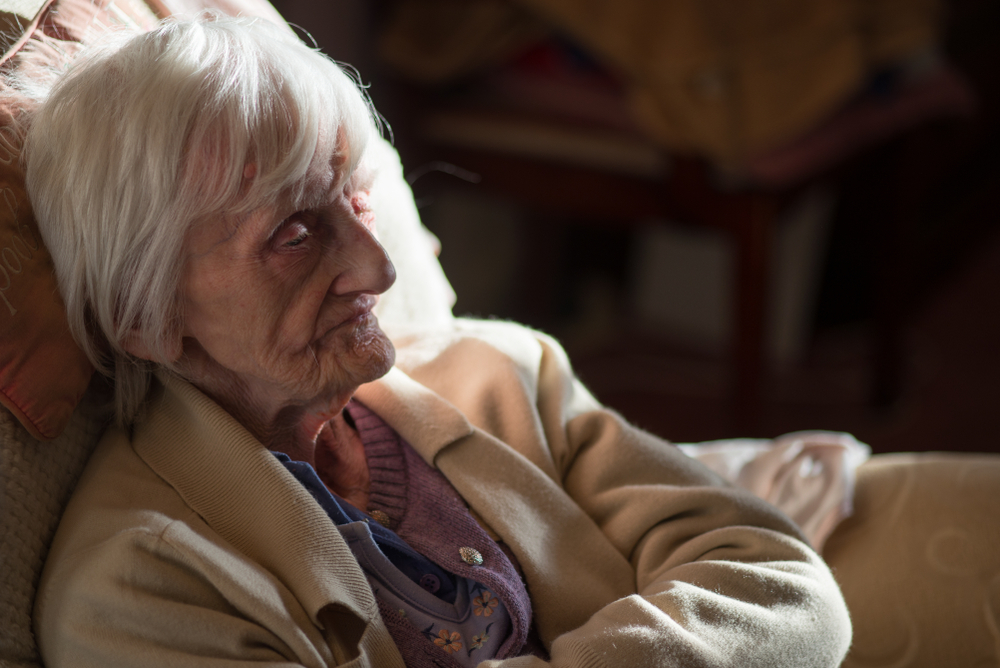
At some point, the allure of going out begins to dim. The idea of getting dressed, navigating crowds, or sitting through small talk starts to feel less like fun and more like a chore. What once felt energizing — spontaneous plans, bustling restaurants, packed schedules — begins to lose its shine. For many, this shift happens gradually and quietly. And if you’ve found yourself declining invitations more often, preferring the comfort of home over the chaos of outside life, you’re not alone — and you’re not unusual.
Contents
show
While this change is often chalked up to age or personality, it reflects something deeper and more meaningful. As people grow older, their relationship with time, energy, and connection evolves. Priorities realign. The need for stimulation gives way to a desire for comfort, calm, and authenticity. Far from being a sign of disengagement, the choice to stay home more often can actually signal greater self-awareness and emotional clarity.
The Quiet Shift: How Aging Redefines What Feels Fulfilling
For many, the desire to stay home more often isn’t rooted in isolation, laziness, or anxiety — it’s a subtle psychological transition that reflects evolving priorities and emotional clarity. With age comes a shift in values: the pursuit of stimulation is gradually replaced by the pursuit of contentment. The energy once reserved for nights out and packed weekends begins to be redirected toward spaces and routines that feel grounding. It’s not that the world outside is unwelcome — it’s simply that the comfort of home offers a deeper kind of reward.
Psychologists point to a concept known as socioemotional selectivity theory to explain this change. Developed by Dr. Laura Carstensen, the theory suggests that as people grow older, they prioritize emotionally meaningful experiences over novelty or expansion. “Older adults tend to focus more on what feels emotionally satisfying,” Carstensen explains, “and less on things like exploration or risk.” In this context, choosing to stay home isn’t a withdrawal from life — it’s a refocusing on what nourishes emotionally.
The sense of “missing out” fades, not because opportunities disappear, but because the internal desire to chase them does. There’s a peace that emerges when people stop measuring their lives by how many events they attend or how far they travel. At home, there’s no competition for attention, no performance to keep up, and no pressure to conform to others’ expectations. Rather than being seen as opting out, staying in becomes an expression of emotional maturity — a quiet affirmation of what genuinely matters.
Comfort Becomes a Conscious Choice
With age, comfort becomes less of a luxury and more of a cornerstone for daily life. Years of navigating crowded restaurants, tight travel schedules, and stiff seating conditions create a natural gravitation toward softness, warmth, and familiarity. Pajamas begin to outshine tailored clothing. A favorite couch becomes not just a place to sit but a symbol of deserved ease. The body, no longer energized by spontaneity in the same way, seeks out spaces that feel intuitive and soothing — places that don’t require constant adjustment.
Comfort also begins to extend into routine and environment. There’s a quiet joy in knowing which light switch dims the room just right or which corner gets the best sunlight in the morning. For some, the pleasure of slipping into well-worn slippers or sipping tea from a preferred mug brings more contentment than any restaurant reservation. These aren’t just small habits — they’re personal rituals that create a deep sense of well-being. When people no longer feel the need to dress to impress or accommodate outside expectations, staying in becomes a form of self-honoring.
Even the physical realities of aging — stiffness, joint sensitivity, fatigue — make comfort a logical choice. Why stand in line or sit in an uncomfortable theater seat when the perfect spot on the couch is already waiting? Why endure noisy spaces and parking hassles when the living room offers peace without the need to navigate obstacles? Comfort, in this sense, is not complacency. It’s intentional living that aligns with the rhythms of a changing body and a more discerning sense of peace.
Most importantly, comfort is no longer seen as something to feel guilty about. Instead of chasing productivity or proving social prowess, older adults embrace the notion that ease is earned — that comfort, far from being a sign of withdrawal, is a measure of wisdom and self-awareness. This shift doesn’t signal the end of adventure, but rather a redefinition of where it begins — often, right at home.
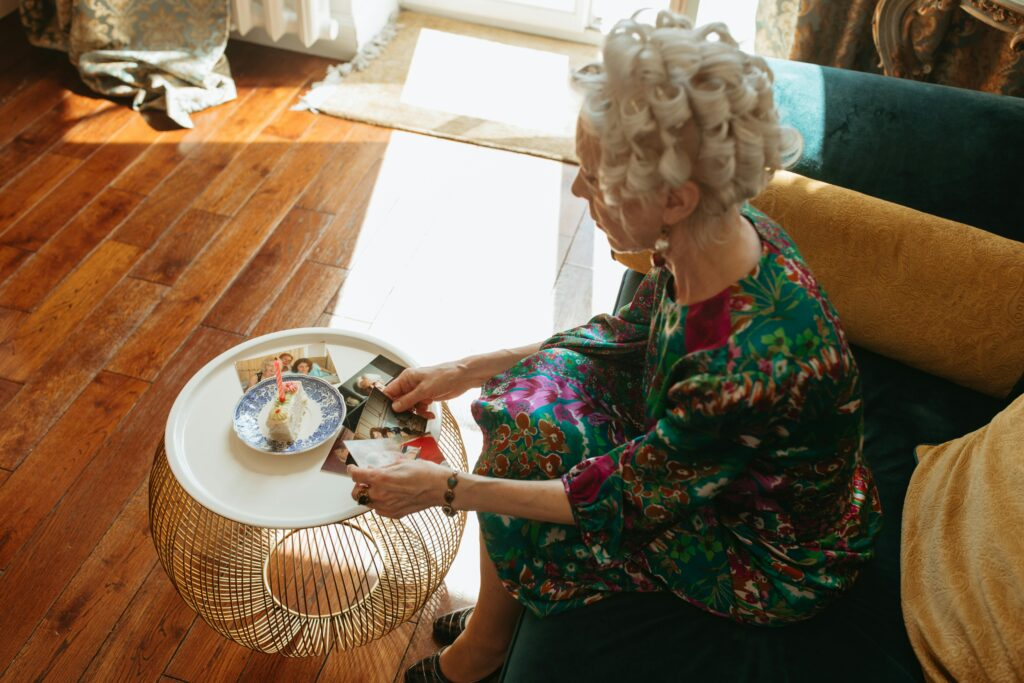
Technology and Convenience Have Made Going Out Optional
Modern technology has significantly reshaped what it means to be “out in the world.” What once required errands, appointments, and public interaction can now be managed with a few taps on a screen. For older adults who have adapted to this digital shift, the appeal of staying home is no longer rooted solely in emotion — it’s grounded in practicality. From online grocery orders to telehealth appointments and virtual banking, the need to leave home has become largely optional for many everyday tasks.
Streaming platforms have also transformed entertainment, offering front-row access to concerts, films, documentaries, and even live theater without stepping outside. A night out, once a multi-step endeavor involving traffic, reservations, and dress codes, is now condensed into a simple ritual: remote in hand, favorite blanket nearby, show queued up. It’s not about resisting change — it’s about embracing an easier, more tailored way to experience joy. The efficiency that technology offers is especially meaningful for those managing physical limitations, fatigue, or the natural slowdown that can come with age.
Data from Pew Research Center confirms this trend, showing a steady increase in internet use among adults over 65, with roughly three in four now regularly online. That familiarity enables a level of independence that wasn’t possible in previous decades. Learning new skills through video tutorials, communicating with family via group chats, or shopping for necessities without physical strain are not signs of disconnection — they’re signs of adaptive, empowered aging. The modern home is no longer a retreat from the world; it’s a connected, responsive hub.
This shift isn’t just a matter of ease — it’s a redefinition of control. Older adults are able to curate their time, surroundings, and energy with fewer compromises. The friction that once made outside engagements necessary has been replaced by intuitive tools that let them maintain autonomy, convenience, and even spontaneity, all without putting on real shoes. Technology hasn’t made people more reclusive; it’s simply made them more efficient in choosing when — and whether — to step outside.
Socializing Has Evolved — and Home Fits It Better
The way people connect with others changes with age — not necessarily in frequency, but in format and purpose. The draw of large group outings and casual small talk fades as deeper, more meaningful interactions take priority. For many older adults, the home becomes the preferred stage for social connection: a space where intimacy thrives, expectations are lowered, and no one is forced to shout over restaurant noise to be heard. Hosting a few close friends over a shared meal or chatting with family over video calls becomes more valuable than attending large, impersonal gatherings.
This shift also reflects a more selective approach to relationships. Older adults often describe a shrinking social circle as a benefit, not a loss. It’s not about fewer connections — it’s about more intentional ones. Instead of spreading energy thin across acquaintances or obligatory events, they invest in the relationships that feel reciprocal and rewarding. According to the American Psychological Association, social selectivity increases with age, driven by a stronger desire for emotional authenticity and less tolerance for surface-level interaction.
Digital tools help bridge any remaining gaps. Platforms like WhatsApp, FaceTime, and private Facebook groups allow people to maintain connections without the logistical effort of organizing meetups or dealing with public spaces. Social media provides updates and windows into loved ones’ lives without the exhaustion of navigating busy calendars. For many, these tools aren’t a replacement for in-person interaction — they’re a flexible supplement that makes connection feel manageable and on their terms.
What emerges is a new social rhythm that favors connection over performance, quality over quantity, and peace over pressure. The home becomes a sanctuary not just for solitude, but for the kind of presence that doesn’t require anyone to dress up, drive, or compete for attention. It’s a space where people can fully show up — comfortably, quietly, and without the need to explain why they’d rather not go out tonight.
Finding Joy in the Small, the Slow, and the Still
Perhaps the most profound reason people stay home more often as they age is the rediscovery of joy in simplicity. Activities that once felt mundane — reading, tending plants, watching birds outside the window — become deeply satisfying. The fast-paced novelty of earlier life gives way to a slower, more reflective way of being. Instead of chasing adventure, many begin to cultivate it in the details: in the ritual of making tea, in the meditative rhythm of knitting, or in the quiet pride of finishing a puzzle. These aren’t consolation prizes for not going out; they are treasured experiences in their own right.
This shift aligns with a broader understanding of mindfulness and presence. As people grow older, they often develop a greater appreciation for stillness and contemplation. Rest no longer feels like idleness — it becomes a rightful part of the day. Dr. Marc Agronin, a geriatric psychiatrist, emphasizes this point in his book The End of Old Age, noting that “aging deepens one’s capacity to appreciate small pleasures, and those pleasures often reside in the ordinary.” A cozy corner, a familiar song, or a well-cooked meal can hold more emotional weight than any loud night out.
Hobbies and home-based interests often flourish in this stage of life. People rediscover passions that were once set aside for careers or family responsibilities. Whether it’s painting, baking, birdwatching, or writing, these activities bring a sense of agency and curiosity that’s both grounding and creatively fulfilling. Unlike social events, they ask for no dress code, no small talk, and no travel — just time, focus, and joy.
Ultimately, the home becomes not a retreat, but a canvas. It’s where life slows down just enough for the beauty of ordinary things to come into focus. The quiet, the slow, and the still — once overlooked in younger years — become not just tolerable but deeply nourishing. Joy isn’t louder outside the house; it’s simply more visible in the calm of one’s own space.
Rewriting the Narrative of Staying In
In a culture that rewards hustle, extroversion, and constant engagement, the decision to stay in is often misunderstood. It’s seen as avoidance, decline, or even fear — but for many older adults, staying in reflects confidence, clarity, and peace. It is not about missing out on life, but about tuning into it more fully. What the world views as stepping back may actually be a step toward a richer, more intentional way of living.
Reframing this narrative matters. Instead of pathologizing solitude or comfort, we can view them as markers of maturity and self-knowledge. Choosing not to go out every weekend isn’t a rejection of life’s possibilities — it’s a selective embrace of the ones that matter most. Staying in can be about reclaiming time, honoring energy, and enjoying life in a way that aligns with one’s inner rhythm. This is not a shrinking life — it’s a more focused, meaningful one.
For those approaching this stage of life — or witnessing it in loved ones — the invitation is to look beyond assumptions. What if staying home isn’t a symptom, but a solution? What if comfort, rest, and quiet are not indulgences but essential forms of wellbeing? What if this isn’t about aging at all, but about finally having the freedom to live on your own terms?
There’s wisdom in slowing down and beauty in staying still. In a world that constantly pulls us outward, there’s something deeply radical — and deeply human — about turning inward and finding contentment right where you are.