
Your cart is currently empty!
A 29-Year-Old Woman Pretended To Be A Nurse For 18 Months, Treated Over 4,400 Patients, And Only Got Caught When She Was Offered A Promotion.
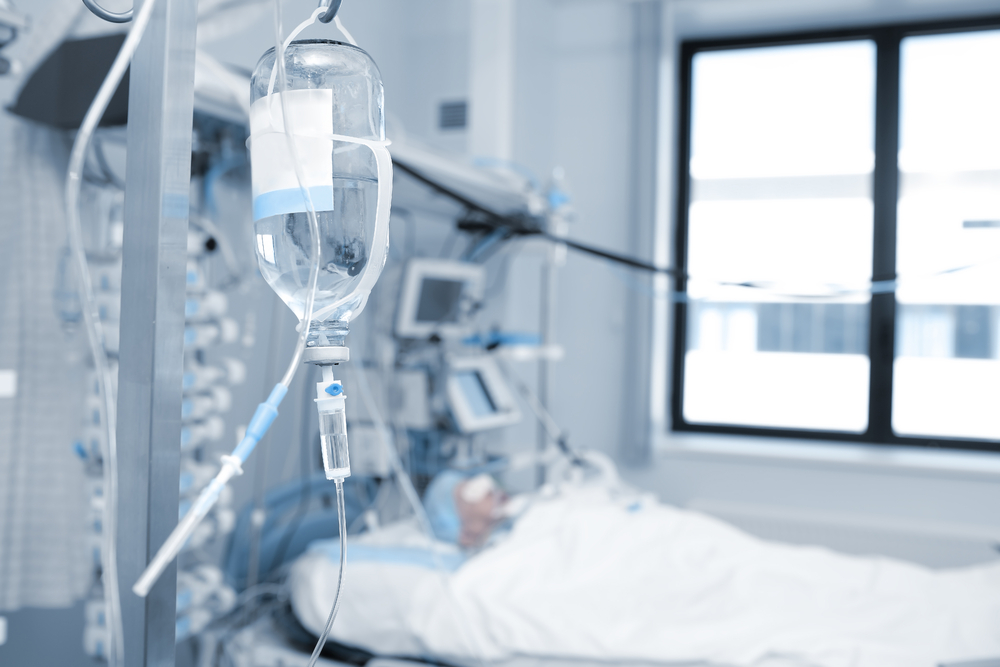
When patients enter a hospital, they do so with an implicit faith that the professionals in scrubs have the training, knowledge, and credentials to provide safe and competent care. It is a trust so fundamental that most people never think to question it. That trust was shattered in Flagler County, Florida, where authorities recently arrested a 29-year-old woman accused of posing as a registered nurse and treating more than 4,000 patients without a valid license. The case has been described by investigators as one of the most disturbing examples of medical fraud in recent years, not only for the scale of the deception but for the risks it posed to patients and the unsettling gaps it exposed in healthcare oversight.
Contents
show
At its core, this story is not only about one woman’s alleged fraud but about the vulnerabilities in a system meant to protect patients. It is about the ripple effects of deception on families already facing moments of illness and vulnerability, and about the urgent need for stronger safeguards in an era where public trust in healthcare is already fragile. As the legal case against Autumn Bardisa moves forward, the lessons it carries extend far beyond one hospital in Florida—they point to the challenges facing the entire medical community in ensuring that such a breach of trust never happens again.
A 29 year old woman pretended to be a nurse for 7 months. She treated over 4,000 patients and only got caught after she was offered a promotion. pic.twitter.com/5O7fidqL9e
— non aesthetic things (@PicturesFoIder) August 21, 2025
The Case Unfolds
Authorities in Flagler County, Florida, have uncovered one of the most alarming cases of medical fraud in recent memory. Twenty-nine-year-old Autumn Bardisa was arrested earlier this month after investigators determined she had posed as a registered nurse and provided medical services to more than 4,400 patients between June 2024 and January 2025. Employed at AdventHealth Palm Coast Parkway from mid-2023 until her dismissal in January 2025, Bardisa allegedly gained her position by presenting falsified documentation and a license number belonging to a legitimate nurse with the same first name who worked at another AdventHealth facility.
Her deception might have continued undetected had it not been for a colleague’s vigilance earlier this year. When Bardisa was offered a promotion, staff discovered that the nursing assistant license she had originally used to secure employment had expired long before. Hospital administrators confronted her about the inconsistencies, during which she attempted to explain the discrepancy by claiming she had recently married and changed her surname. However, she never produced a marriage certificate to support that claim. The discovery led to the immediate termination of her contract and the launch of a seven-month criminal investigation into her activities.
Bardisa was ultimately arrested at her home on August 5 while still dressed in medical scrubs, underscoring how deeply she had maintained her fabricated role. She now faces seven counts of practicing a healthcare profession without a license and seven counts of fraudulent use of personal identification information. Sheriff Rick Staly, who described the case as “one of the most disturbing” his office has encountered, warned that Bardisa’s actions may have put thousands of lives at risk and shaken the trust of patients, families, and the wider medical community. She is currently being held at the Sheriff Perry Hall Inmate Detention Facility on a $70,000 bond, while local authorities have established a dedicated email address for anyone who believes they may have been treated by her.
Imposter nurse arrested after seeing 4,000 patients without a license: ‘Most disturbing case of medical fraud’ https://t.co/3f9WyTpXKo pic.twitter.com/jgNUu56XG2
— New York Post (@nypost) August 7, 2025
Risks to Patients and Families
The sheer scale of Bardisa’s deception raises pressing concerns about the risks patients may have faced under her care. Over the course of nearly two years, she interacted with and treated more than 4,000 individuals, many of whom were likely unaware that the person providing them with care lacked the necessary training and qualifications. While authorities have not yet disclosed specific instances of harm, the potential dangers are undeniable. Nurses are entrusted with tasks ranging from administering medications and monitoring vital signs to assisting in emergency procedures, responsibilities that demand both formal training and a professional license. Any error or misjudgment in these roles could have life-threatening consequences, especially for vulnerable patients.
Beyond physical risks, the emotional impact on patients and their families cannot be overlooked. Many people enter hospitals during moments of vulnerability, placing their trust in healthcare providers to act with both competence and compassion. Discovering that the person in scrubs who cared for them was not, in fact, licensed to do so can erode trust not only in the institution involved but in the healthcare system as a whole. According to research from the Pew Research Center, trust in medical professionals is already under strain, with surveys showing that only around 40% of Americans express “a great deal” of confidence in the healthcare system. Incidents such as this only deepen skepticism and may leave lasting scars on those directly affected.
Flagler County Sheriff Rick Staly underscored this point in his public statement, emphasizing that Bardisa’s actions “potentially put thousands of lives at risk” and violated the trust of patients and the medical community alike. Even if no direct harm is ultimately traced back to her, the psychological distress caused by such revelations is itself a serious consequence. Families may now question whether diagnoses, treatments, or outcomes were compromised, and the hospital has already set up a dedicated email for individuals who suspect they were treated by Bardisa to come forward. The lingering uncertainty faced by these patients is itself a form of harm, one that highlights how deeply damaging impersonation in healthcare can be.

How the Fraud Escaped Detection
Equally troubling is how Bardisa was able to operate undetected for so long within a reputable healthcare institution. At the center of her scheme was the appropriation of a legitimate nurse’s license number, which, when paired with falsified documentation, initially appeared to validate her credentials. By claiming that a recent marriage explained discrepancies in her name, she was able to deflect questions about mismatched records. The explanation may have seemed plausible in the short term, particularly in an environment where healthcare facilities often face staffing shortages and may be eager to onboard staff quickly.
The turning point came only when Bardisa was offered a promotion, a moment that prompted closer scrutiny of her background. It was then that colleagues discovered her nursing assistant license—already expired at the time of her initial employment—had been used to secure her position. This suggests that existing verification processes were either inadequately applied or bypassed, raising uncomfortable questions about the rigor of hospital hiring protocols. In theory, healthcare employers are required to verify professional licenses through state boards and national registries, yet Bardisa’s case indicates that lapses can and do occur, sometimes with shocking consequences.
Experts in healthcare compliance point out that such oversights are not entirely rare. A 2020 report from the Office of Inspector General found that several healthcare facilities across the United States had vulnerabilities in their employee verification systems, including delays in checking expired licenses and gaps in cross-referencing national databases. Bardisa’s deception exploited precisely these kinds of weaknesses, demonstrating how determined fraudsters can manipulate systemic blind spots. The case serves as a reminder that even large and respected institutions can be susceptible if safeguards are not consistently enforced.
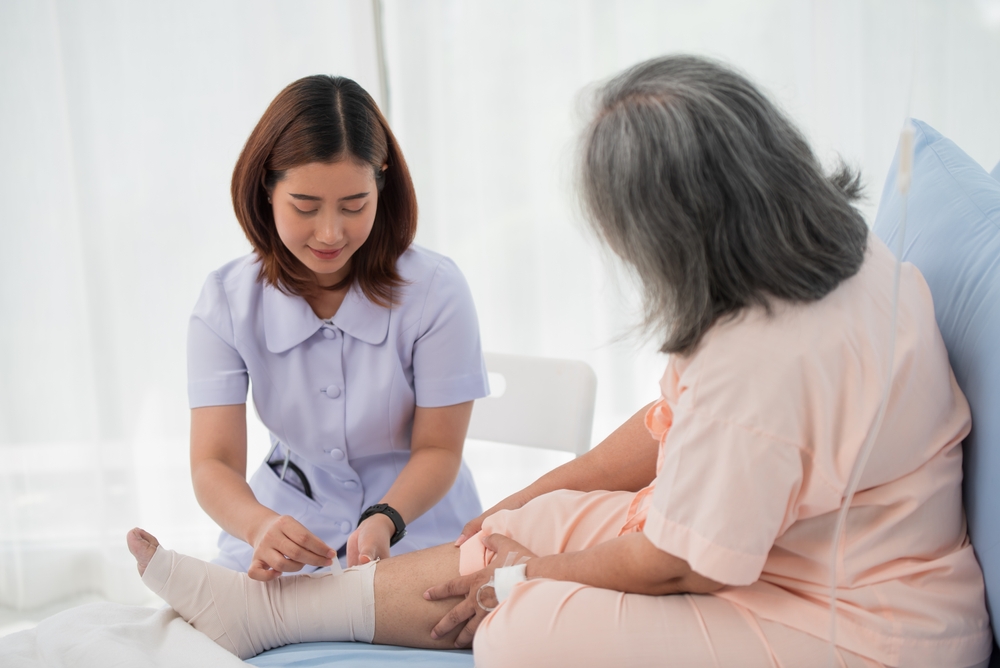
Systemic Vulnerabilities in Healthcare Oversight
The incident also shines a light on broader systemic vulnerabilities within the U.S. healthcare system. With hospitals under constant pressure to recruit staff in the face of nationwide nursing shortages, hiring processes may at times prioritize expedience over thorough vetting. According to the American Association of Colleges of Nursing, the country is projected to face a shortage of nearly 200,000 registered nurses annually through 2031, a gap that has left many hospitals stretched thin. In such an environment, the incentive to fill positions quickly can make it easier for fraudulent applicants to slip through.
Additionally, while state nursing boards maintain databases of licensed professionals, there is no fully centralized, real-time national system for cross-referencing credentials across all healthcare roles. This patchwork approach can create opportunities for misuse, particularly when fraudulent applicants present convincing but falsified paperwork. Hospitals may also struggle to dedicate adequate resources to continuous re-verification once an employee is hired, meaning that expired or invalid licenses sometimes go unnoticed for long periods. In Bardisa’s case, the fact that her expired nursing assistant license was accepted during the hiring process underscores the fragility of current systems.
Another key issue is the reliance on trust and personal explanations during the hiring process. Bardisa’s claim of a surname change following marriage highlights how seemingly minor administrative details can mask deeper inconsistencies. Without a rigorous, systematic check, such explanations may be taken at face value, leaving patients exposed to unnecessary risks. Addressing these vulnerabilities requires not only better verification systems but also a cultural shift within healthcare institutions toward prioritizing compliance as much as staffing needs.
Restoring Trust and Moving Forward
While Bardisa awaits trial, the larger challenge facing healthcare institutions is how to restore trust among patients and ensure such breaches do not recur. For AdventHealth, as well as other hospitals watching this case closely, the immediate task is to reassure the public that their safety is paramount and that safeguards are being strengthened. Transparent communication about how the fraud occurred, what is being done to prevent future incidents, and how affected patients can seek redress is crucial for rebuilding confidence.
Broader reforms may also be necessary at both state and national levels. Calls are already emerging for a more integrated system of professional license verification, one that allows healthcare employers to rapidly confirm credentials in real time and flag discrepancies before individuals are placed in positions of responsibility. Increased investment in compliance departments, mandatory audits, and stronger penalties for those caught falsifying qualifications could serve as deterrents in the future. These measures, though resource-intensive, may prove essential in an era where trust in institutions is increasingly fragile.
For patients and their families, the case is a sobering reminder to remain proactive about their own care. While the responsibility to vet staff lies with institutions, patients can and should feel empowered to ask questions about who is treating them and whether those individuals are properly credentialed. As Sheriff Staly noted, this case is a stark illustration of how trust can be violated when systems fail. Moving forward, protecting that trust must become as much a priority as providing treatment itself, ensuring that the sacred bond between patient and caregiver is never again so recklessly undermined.