
Your cart is currently empty!
An Open Letter to Supermarkets and Big Retail Stores Using Self-Checkouts
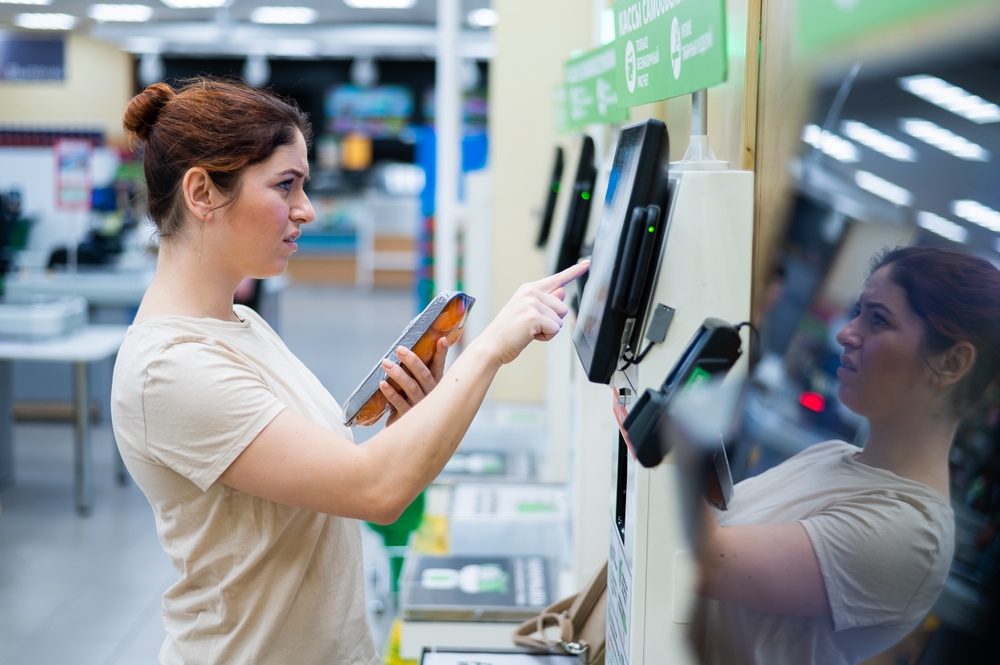
Walk into almost any supermarket today and you’re greeted not by a smile, but by the cold glow of a screen instructing you to scan, bag, and pay. For years, self-checkout machines were hailed as the future of retail: efficient, modern, and supposedly what consumers wanted. Yet the experiment has not lived up to its promises. Customers grumble about malfunctions, stores quietly tally rising theft, and communities lose thousands of jobs that once gave people stable work and meaningful interaction. What was framed as progress has instead exposed a deeper problem—when we strip away human presence in the name of efficiency, the costs are not only economic but social.
Contents
show
Signs of a reversal are beginning to appear. British supermarket Booths is abandoning its kiosks altogether, while major U.S. retailers like Costco, Walmart, and Wegmans are reassessing the technology’s role in their stores. The reasons go beyond customer frustration. Studies show self-checkouts drive up shrink—the industry’s term for theft, error, and machine malfunction—while forcing companies to invest in costly surveillance measures that erode trust. Meanwhile, experiments like Jumbo’s “chat checkouts” in the Netherlands reveal a different path forward: one where cashiers are not just workers but connectors, helping combat loneliness and restore a sense of community in everyday spaces.
The Cracks in the Self-Checkout Experiment
For years, self-checkouts were presented as the inevitable future of shopping—sleek, efficient, and modern. Yet the reality has been far less utopian. Customers know the frustration of being halted by a robotic voice announcing an “unexpected item in the bagging area,” while stores quietly absorbed the social and economic costs of replacing human staff with machines. What began as a cost-saving measure has revealed deeper flaws.
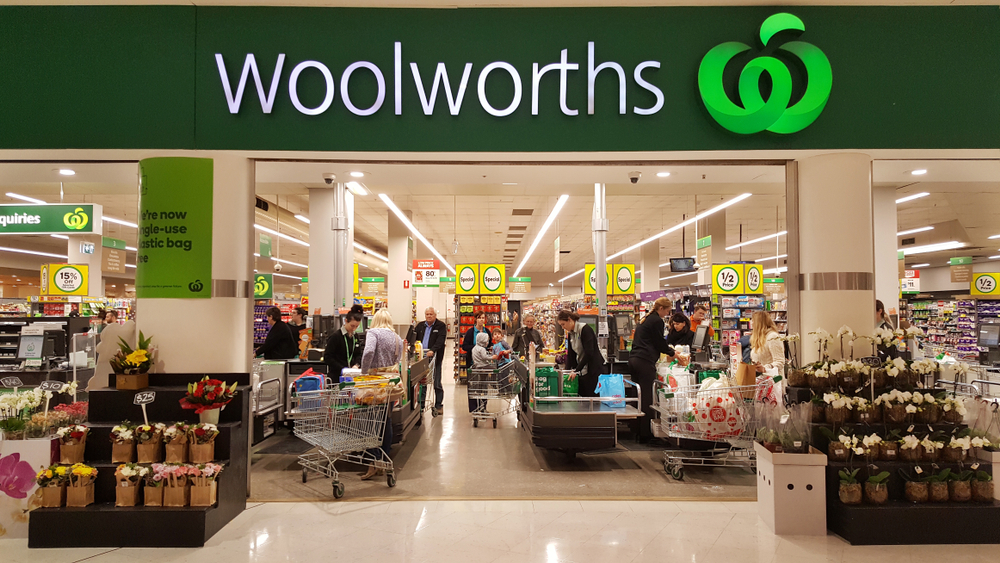
British supermarket chain Booths recently scrapped self-service machines altogether, choosing instead to bring back human cashiers. Across the Atlantic, American retailers including Costco, Walmart, and Wegmans are also reconsidering their reliance on kiosks. The reasons go beyond consumer annoyance. Studies show that theft—known in the industry as “shrink”—nearly doubles at self-checkouts compared to staffed lanes. In fact, a recent U.S. study found that 39 percent of grocery store theft occurs at these stations. Even shoppers who intend to pay often face difficulties flagging down staff when errors arise, creating a perfect storm of frustration and opportunity for loss.
Ironically, the move that eliminated thousands of cashier jobs has led some retailers to hire more security guards and invest in expensive surveillance systems, including artificial intelligence tools designed to track “suspicious” customer behavior. The effort to replace human workers has not only failed to save money but has created new costs while eroding customer trust.
The picture is not uniformly bleak. Some stores, like Booths, are acknowledging that customers prefer human interaction and that the machines have not lived up to their promise. Their decisions suggest a broader shift: the experiment with fully automated checkout may not be the future after all, but a detour that underestimated the value of people in the shopping experience.
The Human Value in Everyday Transactions
Supermarkets are more than places where people buy bread and milk. They are social touchpoints, the kind of ordinary community spaces where casual conversations can cut through isolation. The Dutch supermarket chain Jumbo recognized this when it introduced “chat checkouts,” lanes specifically designed for customers who wanted to take their time and talk with cashiers. Initially aimed at older shoppers at risk of loneliness, the idea quickly gained traction across all age groups. By 2023, Jumbo had rolled out these conversational lanes to 200 stores, proving that many customers crave human warmth alongside convenience. The initiative even expanded into “coffee corners” that fostered community engagement and connection to local support services.
These experiments highlight something retailers often overlook: not every transaction is purely economic. For elderly customers who may live alone, a two-minute conversation with a cashier can be one of the few human interactions in their day. For younger shoppers, the option to be seen and greeted rather than scanned and dismissed acknowledges their humanity in a setting where they are usually treated as anonymous. Employees benefit too. Working at a checkout becomes less about scanning barcodes at speed and more about forming small but meaningful relationships. This shift gives staff a sense of purpose often stripped away in highly automated environments.
The broader social significance is difficult to ignore. As governments and public health experts warn about rising loneliness and its links to depression, heart disease, and cognitive decline, community-centered innovations like Jumbo’s provide small but effective antidotes. They also expose a gap in the corporate logic of efficiency: faster is not always better. Sometimes the most valuable service a business can offer is simply time and attention. In an age when technology increasingly mediates human life, the presence of a cashier willing to chat is more than quaint nostalgia—it’s a deliberate act of social care.
Automation, Jobs, and the Illusion of Progress
The spread of self-checkouts has been justified under the banner of modernization. Retailers framed them as a natural evolution, a necessary step in a competitive marketplace. But the promise of sleek efficiency masked the reality that tens of thousands of cashier jobs disappeared. In Britain alone, the rollout of kiosks was estimated to cost 75,000 positions, stripping supermarkets of a major segment of their workforce. The consequences ripple outward. Fewer staff on the floor means less oversight, less customer support, and ironically, more opportunities for theft. The supposed solution to inefficiency ends up producing its own set of inefficiencies.
There is also a cultural cost when businesses reduce human value to the number of transactions processed per minute. Automation in retail is often defended as inevitable, part of the same unstoppable force that drove the industrial revolution. Yet history shows that the displacement of labor is not purely technological but also political and economic. When companies prioritize profit margins at the expense of jobs, they choose a path that favors short-term gain over long-term community stability. Supermarkets are not just private enterprises but anchor institutions in neighborhoods, shaping the economic and social fabric of the areas they serve.
The idea that machines can replace people without consequence is now showing its cracks. Far from being a triumph of innovation, the self-checkout experiment has created new problems: technological failures, increased shrink, and disconnection between customers and staff. Progress should be measured by outcomes that benefit both businesses and communities, not by how efficiently labor can be stripped out of the system. The backlash against kiosks reminds us that automation is not destiny—it is a decision, and it can be reversed.
Surveillance and the Cost of Mistrust
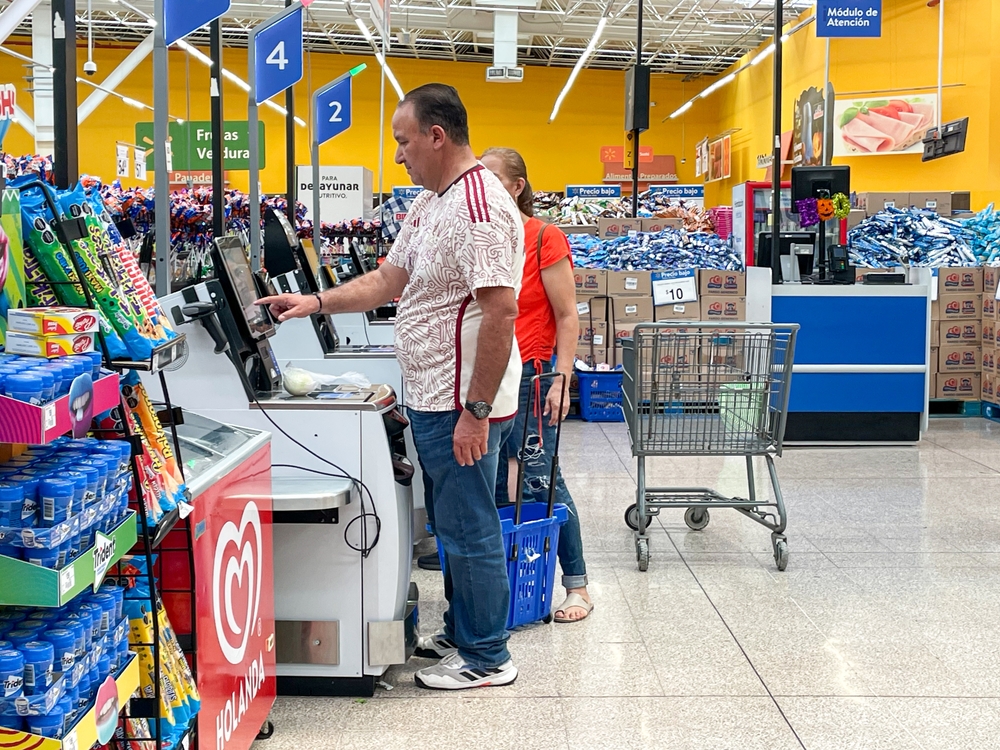
One of the most troubling outcomes of self-checkout has been the normalization of surveillance in everyday shopping. Because theft rates spiked at kiosks, many retailers responded not by reconsidering the machines themselves but by tightening control over customers. Stores have introduced receipt checks at exits, security guards hovering near checkout areas, and even artificial intelligence systems that monitor body language to detect “suspicious” behavior. These measures are costly, both financially and socially. They add layers of suspicion to a space that once functioned on trust and basic civility.
Customers increasingly find themselves treated as potential criminals in environments where staff presence has been reduced. The shift subtly rewrites the shopping experience: instead of being welcomed into a store, people are surveilled through cameras and algorithms. For businesses, this creates an adversarial relationship with their own clientele, eroding goodwill and damaging long-term loyalty. At the same time, the costs of advanced monitoring systems undermine the very efficiency self-checkouts were meant to deliver. What was supposed to be a streamlined process ends up weighed down by technological policing.
This reliance on surveillance also raises deeper ethical questions. Do we want to live in a society where everyday activities like buying groceries are mediated by AI suspicion? The answer is not just a matter of consumer comfort but of civic values. Supermarkets, as community fixtures, have the capacity to model trust and human connection. By leaning on surveillance, they instead reinforce a culture of mistrust and alienation. The alternative, returning to staff who engage customers directly, points to a healthier and more sustainable model—one that acknowledges people not as data points but as neighbors.
Reclaiming the Human Future of Retail
The debate over self-checkouts is about more than how we pay for groceries. It is about what kind of future we want to build. Do we accept a retail landscape where machines dominate, trust evaporates, and people are treated as expendable, or do we insist on an alternative where human interaction is valued as an essential part of daily life? Booths and Jumbo offer examples that disruption does not always have to mean dehumanization. By reintroducing cashiers and creating spaces for conversation, they remind us that commerce can also nurture connection.
For supermarkets and large retailers, the lesson is clear: efficiency cannot be the sole measure of success. Customers consistently express a preference for staffed checkouts, and studies show that these lanes reduce theft and errors compared to machines. What people want from stores is not simply speed but service—the sense of being acknowledged and supported. By listening to this demand, retailers can rebuild trust and differentiate themselves in a market where consumers are increasingly skeptical of corporate motives.
This is not just a business strategy but a cultural choice. As automation and artificial intelligence seep into more aspects of life, the spaces where human connection is preserved become all the more valuable. Supermarkets, with their daily foot traffic and central role in communities, are perfectly positioned to be leaders in this shift. The future of retail does not have to be cold, surveilled, and alienating. It can be personal, warm, and rooted in community. The decision is in the hands of those who design and manage these spaces, but the responsibility belongs to all of us as consumers and citizens. By demanding better, we can help reclaim a future where efficiency serves humanity, rather than erasing it.