
Your cart is currently empty!
Trader Joe’s Donates ‘100%’ of Unsold Products Every Day, Gave Away 98 Million Pounds

Trader Joe’s isn’t just a quirky grocery store with Hawaiian-shirted staff and a fanatical customer base — it’s also proving to be a powerhouse in fighting food waste. For decades, the grocer has stood apart from the mainstream supermarket scene, offering unusual products, a friendly atmosphere, and a sense of community that customers almost treat as part of their personal identity. Beyond the aisles filled with Trader Joe’s exclusive items and the whimsical branding that inspires loyalty, there lies a deeper story about what makes the company truly unique. It’s not just about low prices or innovative products; it’s about how the company integrates values into its daily operations. According to a recent report from People, Trader Joe’s donates 100% of unsold but still-safe products every single day, a practice that resulted in an astonishing 98 million pounds of food being given away in just one year. That number is more than a statistic — it represents millions of meals, countless families supported, and an enormous dent in the food waste crisis that plagues the United States.
Contents
show
This massive undertaking highlights Trader Joe’s not simply as a grocery store but as a cultural and ethical leader. It transforms the way we think about retail, consumerism, and responsibility in an industry that is notoriously wasteful. While other chains experiment with similar programs, Trader Joe’s approach feels different because of its consistency and its totality. The brand isn’t just engaging in good PR — it is building a model where donation is baked into its business structure from top to bottom. This isn’t a seasonal campaign or a limited-time initiative, but rather an ingrained philosophy. And as food waste continues to rise alongside hunger in the United States, this effort shines as both a beacon of possibility and a challenge to others in the industry. The real question becomes: if Trader Joe’s can achieve this kind of daily impact across hundreds of stores, why can’t everyone else in the grocery sector adopt similar practices on the same scale?

How the Program Works
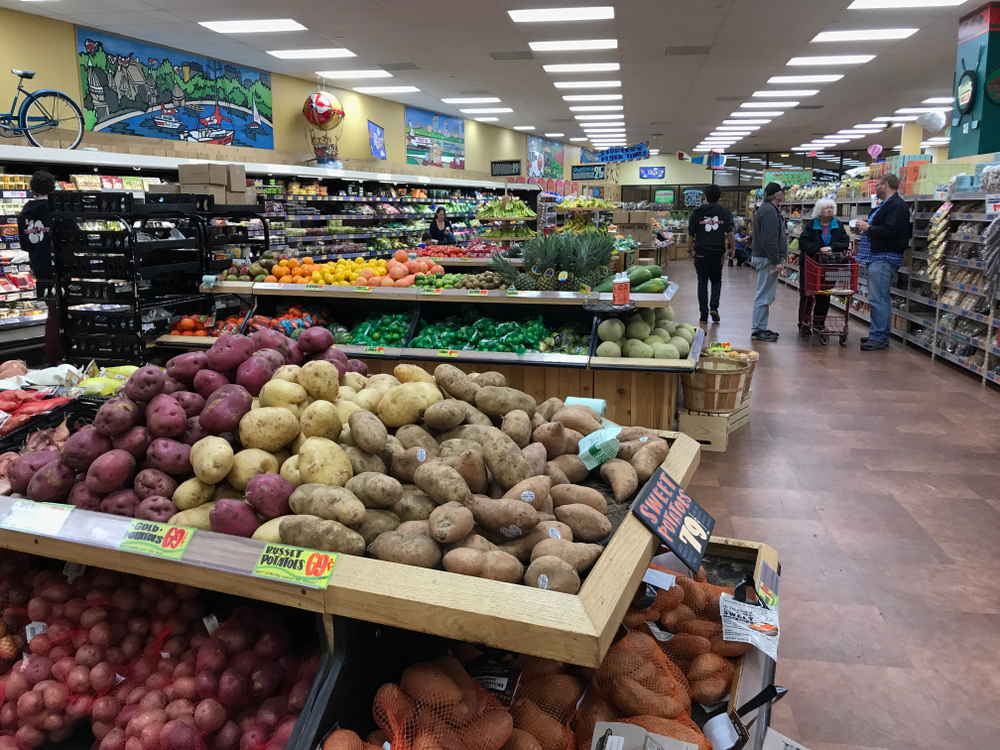
At the end of each day, Trader Joe’s employees carefully review their shelves and storage areas for products that can no longer be sold but are still perfectly safe and edible. This process is surprisingly nuanced. It may include fresh produce with minor blemishes, baked goods nearing their sell-by dates, dairy products close to expiration, or packaged foods with outdated seasonal branding. Instead of consigning these items to dumpsters — a common practice in much of the retail sector — staff members separate and collect them for donation. These products are then distributed to local nonprofits, food banks, and community organizations that ensure the food reaches individuals and families in need. What makes this process remarkable is its predictability and scale: every Trader Joe’s store integrates donation as part of its nightly routine, as natural and expected as restocking or cleaning.
This program reflects not only a logistical achievement but also a philosophical stance. By embedding donation into the operational rhythm of its stores, Trader Joe’s sends a powerful message: food should never be viewed as disposable when it still has value to human beings. Employees often express pride in the practice, recognizing that the items they handle at closing time won’t rot in landfills but will instead end up nourishing people in their own neighborhoods. For recipients, the effect is direct and meaningful. Families who might otherwise struggle to afford nutritious options are suddenly able to put fruits, vegetables, bread, and dairy products on their tables. This sense of consistency provides not just calories but dignity, stability, and hope. The program also builds bonds between Trader Joe’s and the communities it serves, cementing the store’s role as a partner in resilience rather than just a place of transaction.
Why This Matters in a Wasteful World
The scale of food waste is difficult to fathom. Globally, the Food and Agriculture Organization (FAO) estimates that around 1.3 billion tons of food is wasted annually, while in the United States, up to 40% of food produced ends up uneaten. These numbers are staggering when one considers the environmental, economic, and social costs. Each piece of discarded food represents wasted labor, wasted farmland, wasted water, and wasted energy — resources that are finite and increasingly strained. Adding to this, food waste is one of the largest contributors to greenhouse gas emissions because decomposing food in landfills generates methane, a gas that is far more potent than carbon dioxide at trapping heat in the atmosphere.
By implementing a daily donation program that diverts millions of pounds of food from landfills, Trader Joe’s is addressing multiple crises at once. Its 98 million pounds of donations in a single year represent a double win: reducing hunger for families who need support and cutting down on emissions that accelerate climate change. Unlike some corporate sustainability campaigns that lean heavily on marketing and offer little measurable impact, Trader Joe’s results are concrete and visible in communities across the nation. The impact is amplified by scale — with hundreds of stores operating nationwide, the cumulative effect is transformative. It shows what can happen when a company builds sustainability into its DNA rather than treating it as an optional add-on.
Moreover, this model shifts consumer expectations about what corporate responsibility should look like. Modern shoppers are increasingly motivated by values, and sustainability is no longer a fringe concern. For many loyal Trader Joe’s customers, the knowledge that their favorite store is actively tackling food waste deepens their sense of connection to the brand. Instead of feeling like their purchases are part of a consumerist cycle, they feel like participants in a culture of responsibility. The ripple effect of this alignment between brand action and consumer values is profound, shaping not only customer loyalty but also cultural norms around waste and generosity.
Community Impact Beyond Numbers
While the headline figure of 98 million pounds donated in one year is jaw-dropping, the true impact emerges in the lives of individuals and families who benefit from these donations. Across the United States, food banks, pantries, and nonprofit organizations rely on partnerships with retailers like Trader Joe’s to sustain their operations. For many of these organizations, the consistency of Trader Joe’s daily donations is not just welcome but essential. It allows them to plan ahead, manage resources, and deliver support reliably, without the uncertainty that comes from sporadic or unpredictable sources of aid.
On a personal level, the donations mean that families who struggle to make ends meet can access fresh, nutritious foods that would otherwise be financially unattainable. Imagine a single parent picking up a box of fresh produce that includes apples, spinach, and whole grain bread. For that family, the donation is not merely a handout but a way to provide meals that are healthier and more satisfying. Similarly, food banks often report that donations of perishable items like dairy and baked goods bring joy to families who rarely get to enjoy such items due to cost constraints. The experience of receiving high-quality, recognizable products from a well-loved grocer also carries a sense of dignity, as opposed to the stigma sometimes attached to charity.
What makes this impact even more powerful is the quiet nature of Trader Joe’s generosity. The company does not plaster its donation program on billboards or run splashy ad campaigns to promote it. Instead, the work is done steadily, night after night, away from the spotlight. This quiet consistency speaks volumes about authenticity. Customers who eventually learn of these efforts often express even greater admiration for the brand, precisely because the donations were not leveraged as a marketing tactic. The ripple effect, then, is not only felt in the households receiving the food but also in the communities that grow stronger from the culture of shared responsibility.
How Trader Joe’s Stacks Up Against Other Chains
The grocery industry has seen growing awareness about food waste, with several major players stepping up with their own initiatives. Chains such as Walmart, Kroger, and Whole Foods have partnered with organizations like Feeding America to redirect excess products to food banks. These efforts are commendable and have made an impact, but Trader Joe’s stands apart due to its uncompromising stance: every item deemed safe to eat is donated. This “100% commitment” goes beyond token gestures and sets a new standard for what corporate responsibility can look like in retail.
Part of Trader Joe’s advantage lies in its operational model. With smaller stores and more curated product selections than sprawling warehouse-style grocers, the company has greater agility in managing inventory and donations. Yet, this agility also exposes a broader truth: if a chain with fewer resources and smaller square footage can make this level of commitment, then larger retailers — with greater surpluses — have the potential to do even more. By demonstrating that near-total donation is not only possible but practical, Trader Joe’s has effectively raised the bar for its competitors and challenged them to follow suit.
This authenticity is key in an era where consumers are skeptical of corporate motives. Greenwashing, or the practice of exaggerating or faking environmental responsibility, has become a widespread concern. Trader Joe’s actions, however, feel different because they are lived rather than advertised. Shoppers already value the store for its originality, its products, and its customer-friendly ethos. Now, they can value it for integrity and accountability as well. The brand benefit may not be the driving force behind the donations, but it certainly reinforces the virtuous cycle in which doing good strengthens the business while simultaneously strengthening society.
Can This Be a Model for the Industry?
Trader Joe’s approach naturally prompts a broader question: if one chain can achieve such consistency in food donations, why can’t the entire industry? The barriers often cited by other companies include logistics, staffing, and concerns about liability for donated products. Yet laws like the Good Samaritan Food Donation Act already offer strong legal protection for businesses donating in good faith, effectively neutralizing liability concerns. That leaves the real issue as organizational will — the willingness to integrate donation into everyday business processes and accept it as part of the operational cost of doing business.
If more retailers embraced similar programs, the potential impact could be enormous. The United States could significantly reduce its food waste footprint while simultaneously easing the burden of food insecurity for millions of people. Imagine if chains with the scale of Walmart or Costco pledged to match Trader Joe’s in donating all unsold but edible food. The sheer volume of food saved from landfills would be staggering, and the number of families supported could reach unprecedented levels. Such a shift would also help normalize the practice of donation, reframing food not as disposable surplus but as a shared resource meant to nourish as many people as possible.
Scaling this approach would, of course, require broader collaboration. Nonprofits and food banks would need additional infrastructure — trucks, volunteers, and storage facilities — to manage the influx of donations. Governments could support this expansion through incentives, grants, or even regulations that encourage or require donation programs. But Trader Joe’s has demonstrated that bold leadership can spark change. By setting an example, the company pressures others to rise to the challenge, creating a ripple effect that could fundamentally reshape the food industry’s relationship with waste and hunger.
A Grocery Store With Star Power
Trader Joe’s has long been considered a cultural phenomenon — a celebrity of the grocery world, with its devoted fan base, exclusive products, and quirky personality. Yet the company’s quiet dedication to donating food may well become its most enduring legacy. The 98 million pounds of food it redirected from trash bins to kitchen tables in just one year is not only a milestone but a model for what responsible retail can look like. It demonstrates that daily, systemic generosity is both possible and powerful.
This achievement serves as both inspiration and challenge. It reflects what happens when a company recognizes its broader responsibility to society, and it places a mirror before the rest of the industry, asking: why waste what could feed? What if every grocer treated donation as naturally as they treat stocking shelves or ringing up customers? The answers to those questions could reshape our food systems, cut emissions, and bring stability to families across the nation.
Trader Joe’s star power, then, isn’t just about its legendary snacks or beloved shopping experience. It’s about the message it embodies: that consistent, small-scale actions, repeated every day, can culminate in monumental change. In a world wrestling with the intertwined challenges of climate change, inequality, and overconsumption, this is the kind of celebrity worth celebrating — one that doesn’t shine under stage lights but in the quiet, transformative act of feeding people instead of wasting food.