
Your cart is currently empty!
Earth’s Energy Imbalance Doubles Speeding Up Climate Change

Climate scientists thought they understood the pace of global warming. Their sophisticated models, refined over decades of research, predicted how Earth’s energy balance would shift as greenhouse gas concentrations increased. Then the latest satellite data arrived, revealing something that caught the entire scientific community off guard.
Contents
show
The numbers showed a pattern so dramatic that researchers initially questioned their instruments. What they discovered challenges fundamental assumptions about climate change timing and suggests that the planet’s response to human activities may be accelerating far beyond current projections.
Hidden within Earth’s energy budget lies evidence of changes happening twice as fast as the best climate models predicted. The implications extend far beyond academic discussions, pointing toward a future where extreme weather events and rising temperatures could intensify more rapidly than societies have prepared for.
Scientists Sound Alarm Over Unexpected Climate Discovery
Earth’s energy imbalance has more than doubled over the past two decades, according to recent research published by climate scientists who have spent years analyzing satellite observations. The findings represent one of the most significant climate discoveries in recent years.
In the mid-2000s, the global energy imbalance averaged approximately 0.6 watts per square meter. Recent measurements show this figure has increased to about 1.3 watts per square meter, representing a complete doubling of the rate at which energy accumulates near the planet’s surface.
The discovery emerged from analysis of data collected by NASA’s CERES instruments aboard multiple satellites, combined with temperature measurements from thousands of robotic ocean floats. Multiple research teams have reached similar conclusions, confirming the reliability of these observations.
Most concerning to scientists is that this acceleration occurred despite sophisticated climate models predicting much smaller changes. The gap between predicted and observed energy imbalance has grown substantially, suggesting current models may underestimate the pace of climate change.
Research published in scientific journals indicates the energy imbalance reached 1.8 watts per square meter in 2023, approximately twice what climate models suggested should occur under current conditions.
Earth’s Energy Budget Works Like Bank Account System
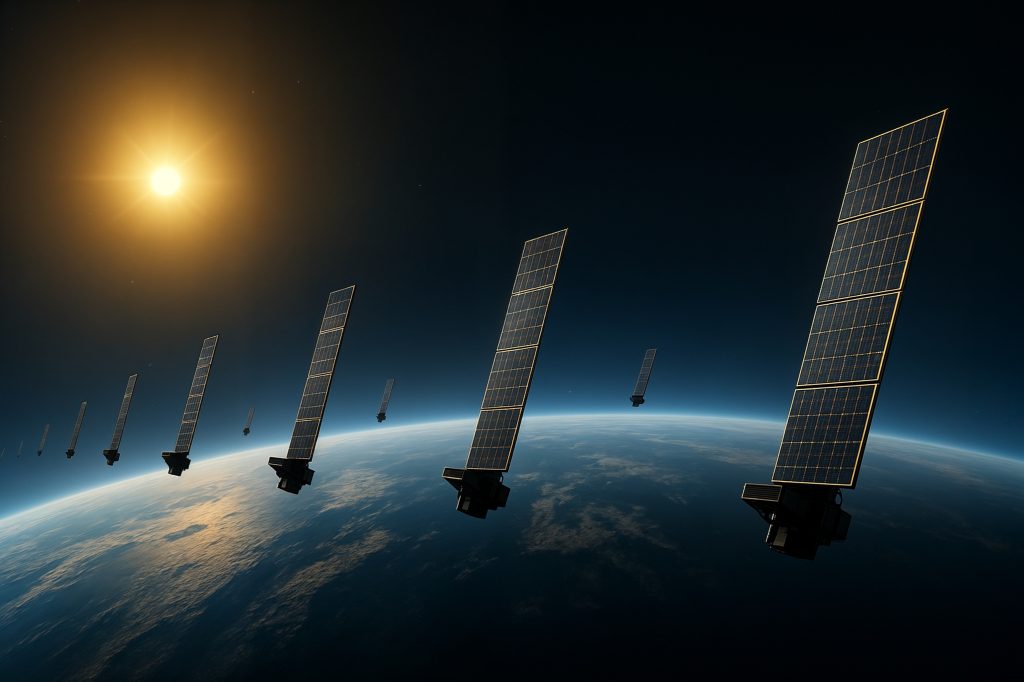
Understanding Earth’s energy balance requires thinking about heat flows similar to money flows in a bank account. Solar energy represents income, while heat loss to space represents spending. When more energy enters than leaves, the planet accumulates heat.
Solar radiation continuously reaches Earth from space, providing the energy that drives weather patterns, ocean currents, and all life processes. Under natural conditions, Earth radiates approximately the same amount of energy back to space, maintaining relatively stable temperatures.
“Life on Earth depends on a balance between heat coming in from the Sun and heat leaving,” researchers explain about this fundamental climate process. Greenhouse gases in the atmosphere naturally trap some outgoing heat, creating conditions suitable for life.
Human activities have dramatically altered this balance by adding more than two trillion tonnes of carbon dioxide and other greenhouse gases to the atmosphere. These additional gases trap increasing amounts of heat that would otherwise escape to space.
Ocean systems absorb approximately 90% of this excess heat due to water’s enormous heat capacity. The remaining energy warms land surfaces, melts ice sheets and glaciers, and increases atmospheric temperatures.
Satellite Monitoring Reveals Shocking Rate of Change
Scientists monitor Earth’s energy balance using two complementary approaches that provide independent verification of climate trends. Both methods confirm the rapid acceleration in energy accumulation over recent decades.
Satellite-based radiometers measure incoming solar radiation and outgoing heat radiation with remarkable precision. These instruments, operating continuously since the late 1980s, provide direct observations of energy flows at the top of Earth’s atmosphere.
Ocean monitoring systems deploy thousands of autonomous floats that measure temperature changes throughout the water column. These Argo floats have tracked ocean heat content since the 1990s, providing detailed records of energy accumulation.
Temperature measurements from both ocean and atmospheric monitoring systems confirm that heat is building up faster than climate models predicted. The convergence of satellite and ocean-based observations eliminates uncertainties about measurement accuracy.
Recent analysis shows that both measurement approaches reveal the same concerning trend: energy imbalance has grown much more rapidly than scientific models forecast for this time period.
Climate Models Struggle to Explain Accelerating Imbalance

The doubling of Earth’s energy imbalance has shocked climate scientists because sophisticated models largely failed to predict such a rapid change. Most models forecast less than half the acceleration observed in real-world measurements.
Climate models incorporate complex interactions between atmospheric, oceanic, and land surface processes. These models successfully predicted many aspects of climate change but consistently underestimated the pace of energy imbalance growth.
“The doubling of the energy imbalance has come as a shock, because the sophisticated climate models we use largely didn’t predict such a large and rapid change,” researchers acknowledge about the surprising findings.
Model limitations may stem from an incomplete understanding of cloud behavior, aerosol interactions, or feedback mechanisms that amplify warming effects. Current models also struggle to accurately represent regional variations in temperature and precipitation patterns.
The gap between modeled and observed energy imbalance suggests that climate change may accelerate more rapidly than current projections indicate, particularly if emissions continue at current rates.
Cloud Changes Drive Mysterious Energy Accumulation
New research identifies changes in global cloud patterns as a major factor contributing to the acceleration of the energy imbalance. Clouds normally provide cooling effects by reflecting solar radiation to space before it can warm Earth’s surface.
Satellite observations reveal that coverage by highly reflective white clouds has decreased while less reflective cloud types have expanded. This shift reduces the planet’s ability to reflect incoming solar energy, contributing to increased heat absorption.
The reasons behind changing cloud patterns remain unclear to scientists. One possibility involves successful efforts to reduce sulfur content in shipping fuels beginning in 2020, as sulfur particles can brighten cloud formations.
However, the accelerating energy imbalance began before the shipping fuel changes, suggesting other factors play important roles. Natural climate variations like the Pacific Decadal Oscillation may influence cloud patterns over multi-year periods.
Most concerning is the possibility that cloud changes represent a positive feedback mechanism triggered by warming itself, where rising temperatures create conditions that trap even more heat.
Multiple Factors Behind Rapid Energy Buildup

Several interconnected processes contribute to the accelerating energy imbalance, though scientists don’t yet fully understand their relative importance. Greenhouse gas concentrations continue increasing due to fossil fuel combustion, creating stronger heat-trapping effects each year.
Aerosol pollution from industrial activities normally provides some cooling effects by reflecting sunlight and influencing cloud formation. Improvements in air quality may be reducing these cooling effects, allowing more solar energy to reach Earth’s surface.
Natural climate cycles create year-to-year variations in energy imbalance through changes in ocean circulation patterns and atmospheric conditions. El Niño and La Niña events can temporarily increase or decrease global heat accumulation.
Feedback mechanisms activated by warming temperatures may amplify the original greenhouse effect. As ice sheets melt and vegetation patterns change, Earth’s surface becomes less reflective, absorbing more solar energy.
The combination of these factors creates a complex system where small changes can produce large effects on global energy balance.
Record-Breaking 2023 Temperatures Reflect Energy Storage
The year 2023 set records for both global surface temperatures and Earth’s energy imbalance, demonstrating the connection between heat accumulation and climate extremes. Energy imbalance measurements reached unprecedented levels during this period.
Temperature anomalies in any given year reflect energy accumulated over previous years rather than immediate heat absorption. This lag effect means that current temperature increases result from energy imbalances that developed months or years earlier.
El Niño events can amplify both energy imbalance and surface temperatures by altering ocean heat distribution and atmospheric circulation patterns. The 2023 El Niño contributed to record-breaking conditions observed that year.
“Much attention has been given to the record breaking surface temperatures in 2023 and 2024, and this has a bearing on the energy imbalance since it too beat all records in 2023,” researchers note about the connection between these climate indicators.
Energy imbalance measurements provide earlier warning signals than temperature records, offering scientists advance notice of climate changes that will manifest in surface conditions years later.
Accelerating Warming Points to More Severe Future Impacts

The doubling of energy imbalance suggests that recent extremely hot years represent the beginning of a trend rather than isolated events. Climate scientists expect warming to strengthen over the coming decade or longer based on current energy accumulation rates.
Higher energy imbalance increases the probability of more intense climate impacts, including severe heatwaves, prolonged droughts, and extreme precipitation events. Land areas will experience more frequent temperature extremes as atmospheric heat content continues rising.
Marine ecosystems face increasing stress from more intense and longer-lasting ocean heatwaves. Rising ocean temperatures threaten coral reefs, fisheries, and marine food chains that support billions of people worldwide.
Sea level rise may accelerate as increasing ocean heat content expands seawater volume while simultaneously increasing ice sheet melting rates. Coastal communities face mounting risks from both gradual rise and extreme storm surge events.
Research indicates that climate models with higher sensitivity to greenhouse gas changes better match observed energy imbalance trends, suggesting future warming may exceed current projections.
Satellite Monitoring System Faces Funding Threats
Accurate measurement of Earth’s energy imbalance depends on continuous satellite observations that face uncertain funding futures. Current monitoring capabilities rely on multiple CERES instruments aboard different satellites to ensure data continuity.
The Libera mission, scheduled for launch in 2027, will provide next-generation energy balance measurements with improved accuracy. However, no formal plans exist for continuing these observations after Libera’s mission ends.
US funding priorities and budget constraints threaten the satellite systems essential for tracking energy imbalance changes. Loss of monitoring capabilities would blind scientists to one of the most important climate indicators during a critical period.
International cooperation may be necessary to maintain these observations, as energy balance measurements require consistent, long-term data records to detect trends amid natural variability.
Private sector involvement in climate monitoring could supplement government programs, though coordination challenges may complicate data continuity and quality control efforts.
Energy Imbalance Provides Early Warning System

Satellite measurements of energy imbalance can detect climate changes approximately a decade before other measurement methods reveal corresponding trends. This advance warning capability makes energy balance monitoring crucial for climate policy and adaptation planning.
Temperature measurements, while important, lag behind energy accumulation and may not reveal the full extent of climate system changes until years after they begin. Ocean heat content changes more slowly than atmospheric energy flows.
Energy imbalance measurements will provide the earliest indication of whether climate mitigation efforts are succeeding. Successful emission reductions will first appear as a slowing or reversal of energy accumulation trends.
Policy makers need early warning systems to adjust climate strategies before temperature changes become irreversible. Energy balance monitoring offers the best available tool for tracking climate system responses in near real-time.
Future climate surprises, whether from unexpected feedback mechanisms or natural variations, will likely appear first in energy balance measurements before manifesting in temperature records.
Urgent Need for Continued Scientific Understanding
Climate scientists acknowledge they don’t yet fully understand why Earth’s energy imbalance has accelerated so dramatically. Research programs must work systematically to identify and quantify the underlying causes of these changes.
The scientific community requires sustained funding and international cooperation to maintain the observation systems essential for tracking energy balance trends. Loss of monitoring capabilities during this transition period would create dangerous knowledge gaps.
Understanding energy imbalance changes becomes even more critical as nations implement policies aimed at limiting global warming to 1.5 or 2 degrees Celsius above pre-industrial levels.
Research priorities include improving cloud modeling, better characterizing aerosol effects, and understanding how feedback mechanisms influence energy balance under different warming scenarios.
Collaboration between satellite agencies, research institutions, and climate modeling centers will be essential for advancing understanding of energy balance dynamics.
Time Running Out for Climate Stabilization
Despite the concerning trends in energy imbalance, climate scientists maintain that stabilizing global warming below 2 degrees Celsius remains technically achievable. Success requires a rapid phase-out of fossil fuel combustion and other emission-producing activities.
Energy imbalance measurements will provide the first clear evidence of whether mitigation efforts are working effectively. Successful emission reductions should cause energy accumulation to peak and then decline years before temperature stabilization occurs.
Climate models indicate that energy imbalance will reach maximum levels before beginning to decrease, even under successful mitigation scenarios. This pattern reflects the time delays inherent in climate system responses.
International climate commitments depend on accurate monitoring of energy balance trends to verify progress toward emission reduction goals. The energy imbalance serves as the most fundamental measure of climate system health.
Without swift action to reduce greenhouse gas emissions, the accelerating energy imbalance suggests climate impacts may intensify more rapidly than current adaptation plans anticipate.