
Your cart is currently empty!
Flu Diagnosis Turns Tragic: Young Boy Suddenly Couldn’t Talk or Breathe

In the age of endless information, parents are often warned against “Googling symptoms.” The internet can be overwhelming, full of worst-case scenarios, and sometimes dangerously misleading. Yet for one mother, that very instinct saved her six-year-old son’s life.
Contents
show
What began as a presumed seasonal flu quickly spiraled into a terrifying brush with death. The diagnosis seemed routine at first, with fatigue, fever, and weakness that looked like nothing more than influenza. But as her son’s condition deteriorated, it became clear that something far more serious was unfolding. Her persistence in searching for answers ultimately revealed what doctors had missed.
The story goes beyond one child’s near-fatal illness. It serves as a wake-up call about how persistence and awareness can save lives. It underscores both the fallibility of medical assessments and the incredible power of parental intuition. More than anything, it is a reminder about trust, advocacy, and the importance of questioning even professional advice when something feels wrong.
A Mother’s Worst Nightmare Begins
According to People, everything started when young Witten Daniel, an energetic six-year-old, began experiencing what seemed like typical flu symptoms, like fever, fatigue, and lethargy. After a doctor’s visit, his illness was dismissed as influenza and the family was told to wait it out with rest and fluids. The diagnosis came as a shock, especially since just two weeks earlier. Witten had been celebrating being named MVP of his little league baseball team, a moment that made the sudden decline in his health all the more frightening.
But Witten’s mom, Casey Daniel, couldn’t shake a deep unease. His condition was spiraling faster than seemed normal. By the next day, Witten was unable to speak, eat, or even breathe on his own. Her intuition screamed that this wasn’t just the flu.

When “Flu” Wasn’t the Flu
At first, everything pointed to something common. Witten’s symptoms looked like influenza. Local doctors reassured his mother it was nothing more serious.
But as days passed, the situation escalated alarmingly. He could no longer walk or speak, and eventually, his body couldn’t even breathe without support. “I thought I was going to lose him that day,” Casey told WAFB. “Once he was intubated and they had a machine breathing for him, we were able to get some more answers.”
It was in those terrifying moments that she became convinced the diagnosis didn’t match what she was witnessing.

A Mother’s Search for Answers
Unwilling to accept the vague explanations she was given, that her son might never walk or breathe on his own again, Casey refused to believe this was the end of Witten’s story.
Desperate for answers, she began searching online late into the night, typing in his symptoms and sifting through medical information. In the process, she came across an article written by Dr. Jacques Morcos, a neurosurgeon in Houston who specialized in treating cavernous malformations.
The more she read, the more she saw her son’s struggle reflected in his descriptions of the condition. For the first time, the pieces made sense.
Convinced she had found the real cause of Witten’s decline, Casey reached out and pushed for her son to be transferred to Houston, where Dr. Morcos and his team could provide the specialized care he desperately needed.

Life-Saving Surgery in Houston
At UTHealth Houston, doctors confirmed Casey’s suspicion: Witten had a cavernous malformation deep in his brainstem, the most dangerous place for such a lesion. It explained his sudden decline but also meant his life was in grave danger.
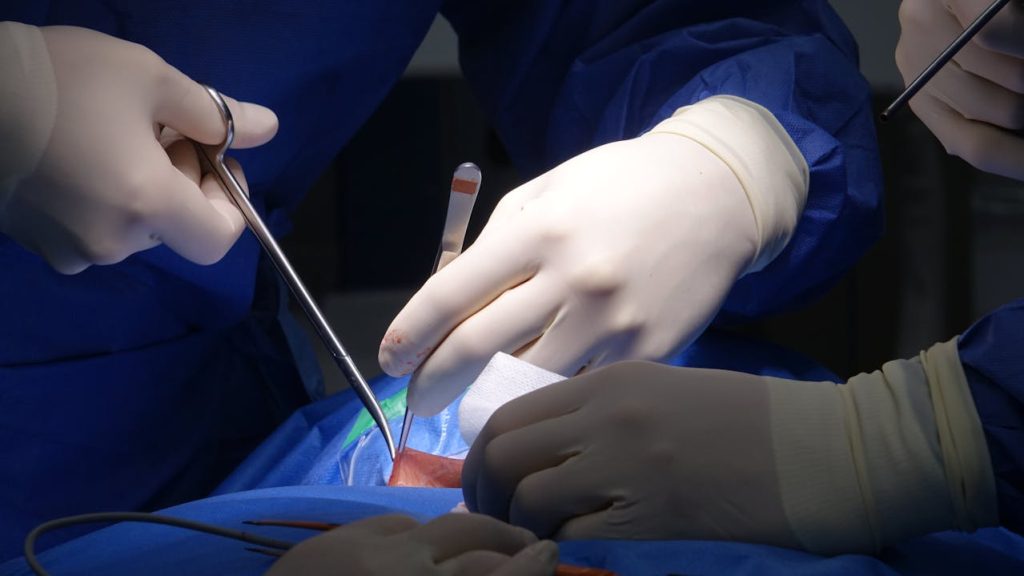
The only option was surgery. Dr. Jacques Morcos and Dr. Manish Shah prepared for a delicate four-hour operation, knowing even the smallest mistake could have permanent consequences. Still, doing nothing wasn’t an option.
After hours of waiting, Casey finally received the news she had prayed for: the surgery was a success. Slowly, Witten began to breathe on his own, then found his words, and eventually took his first steps again.
Months later, he returned home, started second grade, and stepped back onto the baseball field. Against all odds, he reclaimed the life that had almost slipped away.
Cavernous Malformation: The Rare Brain Condition
Cavernous malformation, sometimes called cavernoma, is a rare cluster of fragile blood vessels in the brain or spinal cord that can leak or bleed. When located in the brainstem, as in Witten’s case, it can disrupt vital functions like movement, speech, and even breathing. According to the National Institute of Neurological Disorders and Stroke (NINDS) symptoms may mimic other illnesses, as they include:
- Seizures
- Headaches
- Weakness or paralysis
- Hearing or vision changes
CCMs may occur sporadically or be inherited. Familial cases are linked to genetic mutations in KRIT1 (CCM1), CCM2, or PDCD10 (CCM3), which affect how blood vessels form and function.
Diagnosis, Treatment & Monitoring
Diagnosis of cerebral cavernous malformations (CCMs) is most often made using MRI scans, which provide detailed images that help doctors see the number, size, and exact location of the lesions. When there is a family history or suspicion of inherited forms, genetic testing may also be recommended to confirm the diagnosis and guide long-term management.
Treatment approaches depend on the individual’s symptoms and overall risk. Medications are often used to control seizures or relieve pain, but if a lesion causes repeated bleeding or is located in a particularly dangerous area of the brain, surgery may be considered. This decision is made carefully, balancing potential benefits with surgical risks.
Because CCMs may change over time, ongoing monitoring is an important part of care. Regular MRI scans and lifelong follow-ups allow doctors to track the condition, identify any new or worsening bleeding, and adjust treatment as needed. This careful surveillance helps protect patients from complications and supports better long-term outcomes.

Why Second Opinions Matter
More than an inspiring account, Witten’s story serves as a gentle reminder of the importance of caution. Doctors are highly skilled, but even experts can miss rare conditions when symptoms resemble something common. That’s why asking questions, pushing for further tests, and seeking second opinions can be critical.
Too often, families feel pressured to accept the first diagnosis they’re given. But medicine is not always black and white. A condition like the flu may share early signs with something much more dangerous, as Witten’s case tragically showed. By refusing to settle for vague explanations, his mother gave him the best chance at survival.
This doesn’t mean the internet replaces medical expertise. Self-diagnosis carries serious risks when misused. But when guided by instinct and paired with professional advice, research can empower families to recognize when something doesn’t add up.
Ultimately, the lesson is clear: trust the experts, but trust your instincts too. Advocacy and persistence can truly be life-saving.