
Your cart is currently empty!
Dead Man’s Fingers: How a Lethal Plant Ended Up on Cornwall’s Beaches
Cornwall’s coastline has become the stage for an unsettling discovery. Washed ashore with seaweed and shells are pale roots that look disturbingly like human fingers. They belong to hemlock water dropwort, widely recognized as one of the most toxic plants in Europe. Linked to sudden deaths and remembered in folklore for centuries, its appearance on public beaches is more than an oddity. It is a warning that one of nature’s deadliest poisons is closer to daily life than many might realize.
Contents
show


A Closer Look at a Killer Plant
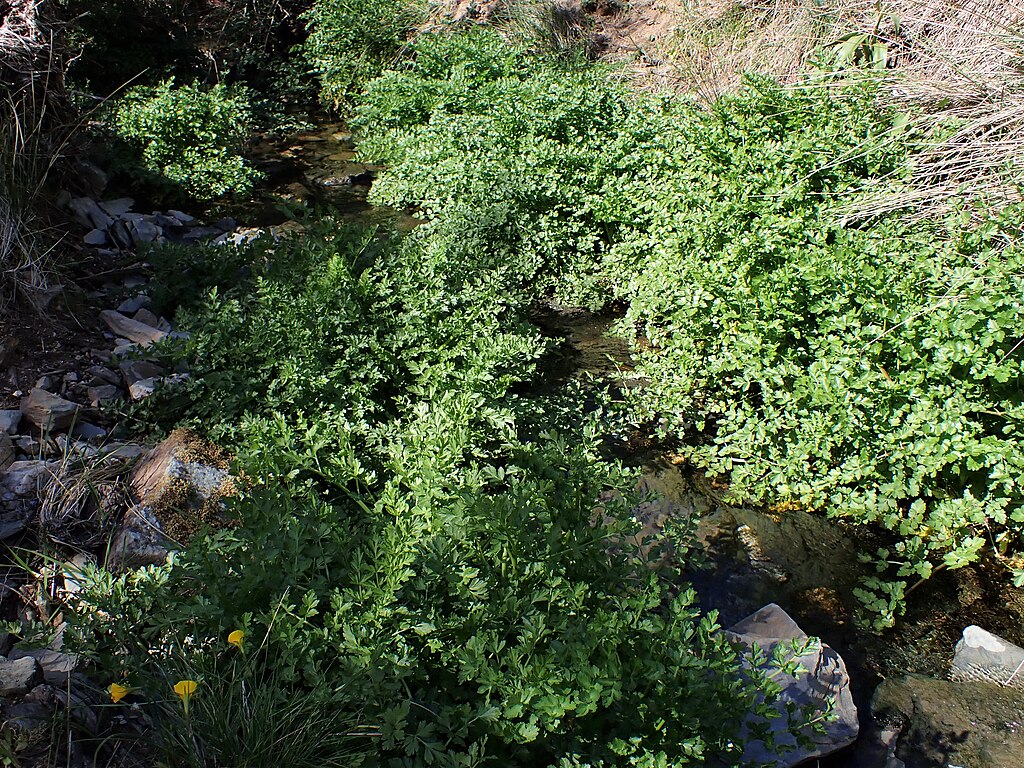
Among Europe’s native flora, few species carry the reputation of hemlock water dropwort, or Oenanthe crocata. This plant thrives in environments where water lingers: riverbanks, marshes, lakesides, and estuaries. Cornwall, with its consistently wet soils, provides the perfect conditions for it to spread.


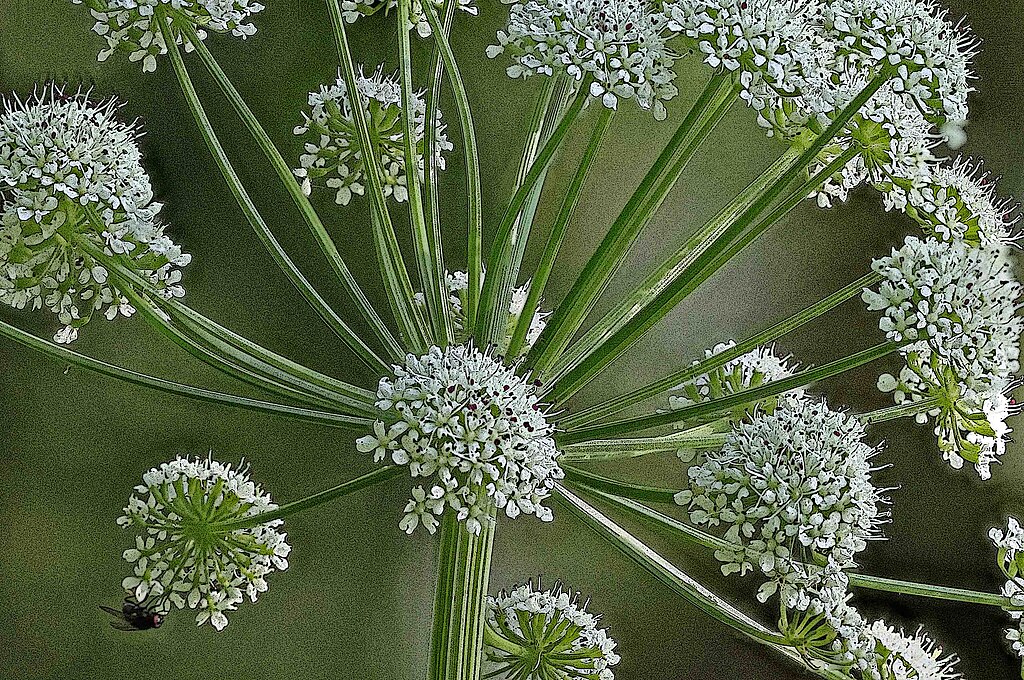
Above ground, it looks deceptively ordinary. Hollow green stems rise from the ground, supporting divided leaves that could easily be mistaken for parsley or coriander. During the summer, clusters of small white flowers appear, reinforcing the illusion of a harmless member of the carrot family. What lies beneath is far more sinister. Its roots are thick and pale, shaped in a way that has earned the plant its enduring nickname, Dead Man’s Fingers.
The species goes by other names as well, including water hemlock, hemlock dropwort, and balder root. Whatever it is called, the danger remains the same. Padstow Sealife Safaris has warned that “all parts of the plant are highly toxic and can be fatal if ingested.” The roots contain the highest concentration of poison, though the leaves, stems, and flowers can also be deadly. Because its appearance so closely mirrors edible herbs, safe identification requires careful attention to the full combination of features, from its waterlogged habitat to its hollow stems and distinctive finger-like tubers.
How Deadly Roots Reach the Shore
The arrival of hemlock water dropwort on Cornwall’s beaches is tied directly to weather and water movement. Heavy rains and strong winter storms dislodge the plants from the riverbanks where they usually grow. Padstow Sealife Safaris explains that “When we have winter storms and heavy rainfall, the plants can become dislodged from their riverside habitat and taken downstream into the sea. The plant’s tubers are buoyant, which means that they can easily float in ocean currents before getting washed in on the incoming tides.” Once set adrift, the roots move freely until the sea carries them to land.
These floating tubers often arrive mixed with seaweed, driftwood, and other debris that accumulate at the high tide line. They are especially likely to settle in places where tidal energy is weaker, such as the edges of streams that cut across beaches or pools formed between rocks. As Padstow further notes, “You might find them washed up near streams running onto the beach or near rockpools where they have been brought in by the tide.”

Reports of these roots have come from multiple locations, including Newquay, Porthpean, and St Ives. The pattern shows that this is not a rare or isolated event but part of a wider coastal process. Rainfall inland, tidal movement through estuaries, and storm surges combine to carry the plant from river margins into open seas, where it eventually reaches the sand underfoot of unsuspecting visitors.
Inside the Human and Animal Toll
The toxicity of hemlock water dropwort is both immediate and severe, making it one of the most dangerous plants to encounter. Its active compound, oenanthotoxin, disrupts the brain’s ability to regulate nerve impulses. Without the normal checks that keep neurons in balance, the nervous system becomes overactive, leading to violent tremors and uncontrolled seizures.

For people, early symptoms range from nausea and vomiting to muscle twitching and agitation. Dilated pupils and repeated seizures can follow, and in the most serious cases the body’s ability to breathe collapses. Padstow Sealife Safaris warns that “symptoms can start immediately and accelerate quickly, with reports of humans dying within three hours of eating the plant.” Medical records describe outcomes such as metabolic acidosis, cardiac arrest, and death, sometimes after a root was mistaken for an edible tuber.
Animals are no less at risk. Padstow emphasizes that “Even small amounts of hemlock water dropwort root can prove fatal to animals with seizures, vomiting and convulsions coming on quickly.” In dogs, veterinarians have observed hypersalivation, tremors, rapid pulse or breathing, dilated pupils, and sudden convulsions, all consistent with the action of a fast-acting neurotoxin.
Direct contact with the plant also carries consequences. The sap can cause blistering and painful skin reactions, which is why experts urge the use of protective clothing if removal is attempted. The Padstow guide is clear that “suitable protective gear such as gloves and eye protection” should be used in any handling.
There is no antidote for this toxin. Survival depends on rapid clinical or veterinary intervention, particularly seizure management and respiratory support, until the body can clear the poison. Delays in treatment are often fatal.

The lethal reputation of this plant extends deep into history. NDTV has reported that in ancient Sardinia the toxin was linked to ritual killings that produced what became known as the sardonic grin. NDTV notes: “A few minutes after exposure to this toxic herb, the muscle twitches start and then turn into waves of three- to four-minute spasms.” Death came as the diaphragm failed, leaving victims gasping with their faces locked in a grotesque expression. Scholars continue to debate whether this practice was seen as a ritual end of life for the elderly or as a grim method tied to disputes over inheritance.
Public Warnings and Local Response
The presence of hemlock water dropwort on Cornwall’s beaches has prompted growing concern from local groups and officials. Padstow Sealife Safaris has been at the center of public education, reminding visitors and residents that “all parts of the plant are highly toxic and can be fatal if ingested.” Their guidance stresses the importance of keeping children and pets away from any roots or plants found near the tideline.
Beachgoers are now urged to treat suspicious roots with extreme caution and to report sightings to local authorities. Wildlife organizations and coastal safety teams emphasize that protective gloves and eye shields are essential if removal is attempted, echoing the warning that “suitable protective gear such as gloves and eye protection” should always be used.
Community reports suggest that awareness is beginning to spread. Visitors are sharing images and warnings on social media, while local news outlets continue to highlight the risks. The goal is to prevent accidental contact by making the public more alert to what these finger-like tubers look like and why they should not be handled.
Cornwall has long balanced its natural beauty with the hazards of the sea, from rip currents to cliff erosion. The appearance of a poisonous root on the sand adds another layer to that awareness. By combining local knowledge with official guidance, communities are working to make sure that an ancient and deadly plant does not become a modern health emergency.
From Folklore to Modern Memory
The reputation of hemlock water dropwort extends far beyond the shorelines where it grows. For centuries, it has figured in stories of ritual practices and has been remembered in traditions that warned against its use. In parts of the Mediterranean, historical accounts describe its association with death rituals, where the plant’s effects on the body left victims with distorted expressions that later became part of cultural memory.
That history gave rise to a lasting symbol: the sardonic grin. Once a description of physical paralysis, it gradually evolved into a metaphor for dark humor and defiance. Literature, art, and eventually popular media adopted the image, transforming a medical reality into an enduring cultural idea.
Today, the plant continues to carry this dual identity. On one hand, it is a toxic species that poses a genuine public health risk. On the other, it is a reminder of how deeply nature can embed itself into language, stories, and cultural imagination. Its reappearance on Cornwall’s beaches is not only an environmental concern but also a resurfacing of a legacy that links science, history, and symbolism.
A Poison That Demands Attention
Hemlock water dropwort is not just another coastal plant. It is one of the most toxic species in Europe, capable of causing rapid and fatal poisoning in people and animals. Its arrival on Cornwall’s beaches highlights the unpredictable ways nature moves into public spaces, carried by storms and tides into places where families walk and pets play.
What makes this plant unusual is that it carries weight both in science and in culture. It is a medical danger that requires immediate awareness and careful response, yet it is also part of a long history of myth and meaning. That combination ensures that its presence resonates beyond biology, reminding us of how natural forces continue to shape daily life.
For residents and visitors, the lesson is simple. Awareness is the most effective protection. Learning to recognize the plant, avoiding direct contact, and seeking help immediately in cases of exposure are practical steps that prevent tragedy. The roots of hemlock water dropwort may wash up quietly on the tide, but their threat is unmistakable, and understanding that danger is the first step in staying safe.
Featured Image from Krzysztof Ziarnek, Kenraiz, CC BY-SA 4.0 https://creativecommons.org/licenses/by-sa/4.0, via Wikimedia Commons