
Your cart is currently empty!
UK Government Bans Free Refills on Sugary Drinks at Restaurants
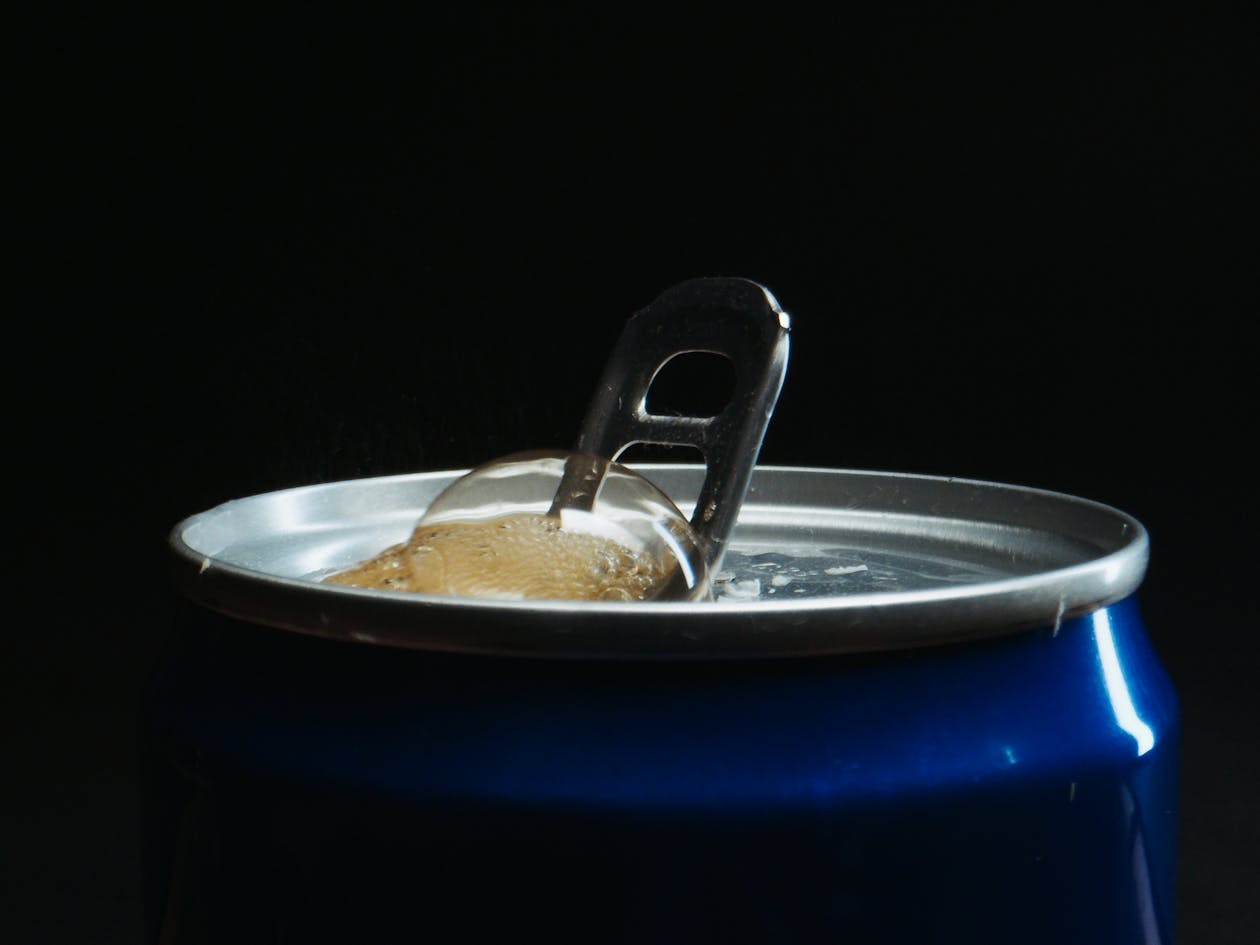
Walk into a fast food chain in England today and you’ll notice something missing. Gone are the days of unlimited trips to the soda fountain. Restaurant chains across the country can no longer offer customers free refills on sugary beverages, marking a radical shift in how Britons consume soft drinks when dining out.
Contents
show
But the free refill ban represents just one piece of a sweeping government crackdown on junk food that’s reshaping supermarket aisles, restaurant menus, and television programming. Health officials have declared war on childhood obesity, and they’re targeting the marketing tactics that have made unhealthy foods irresistible to families for decades. What started as years of consultation has become concrete action, with restrictions rolling out across multiple fronts at once.
Restaurant Chains Must End Unlimited Soda Fountain Access

Free refill promotions of sugar-sweetened beverages in restaurants and cafes now fall under official restrictions. Establishments can no longer advertise or provide unlimited soft drink refills to customers, regardless of meal size or dining duration.
Sugar-sweetened beverages cover a broad range of drinks. Full-fat cola, lemonades, energy drinks, sweetened iced teas, and flavored coffee beverages all face the restriction. Any drink containing added sugar ingredients qualifies for the ban, whether served from a fountain machine, poured from a bottle, or mixed at the counter.
Out-of-home food businesses bear the brunt of these changes. Restaurants, cafes, and takeaways must comply with the new rules, ending a practice that has defined casual dining experiences for years. Fast food chains famous for self-service drink stations face major operational changes.
Buy One Get One Free Deals on Junk Food Now Illegal
Supermarkets and retailers with 50 or more employees can no longer run multi-buy promotions on unhealthy foods. Buy one get one free offers, three for two deals, and percentage discount bundles on items classified as high in fat, salt, or sugar have been stripped from store shelves.
Price promotions that encourage bulk buying of unhealthy products have disappeared from both physical stores and online retailers. Chocolate bars, crisps, ice cream, cakes, and sugary cereals no longer appear in promotional end caps or special offer sections designed to drive impulse purchases.
Restrictions already took effect earlier this year, transforming how supermarkets market their products. Retailers had to restructure their promotional strategies, moving deals to healthier alternatives while maintaining customer engagement.
Children Won’t See Junk Food Commercials Until After 9 PM
Television advertising faces a watershed moment. Starting January 2026, junk food advertisements cannot appear on TV before 9 pm. Children watching their favorite programs during daytime and evening hours will no longer see commercials for sugary cereals, chocolate bars, or fast food meals.
Online advertising faces even tougher restrictions. A 24-hour ban on paid-for junk food advertising will apply across all digital platforms. Social media ads, video platform promotions, and website banners marketing unhealthy foods to children will vanish from the internet entirely.
Government estimates predict these advertising bans will remove 7.2 billion calories per year from UK children’s diets. Health officials expect the measures to prevent around 20,000 cases of childhood obesity, a calculation based on reduced exposure to marketing that makes unhealthy foods appealing to young viewers.
Wes Streeting, Secretary of State for Health and Social Care, defended the approach: “Obesity robs our kids of the best possible start in life, sets them up for a lifetime of health problems, and costs the NHS billions. This government is taking action now to end the targeting of junk food ads at kids, across both TV and online.”
Government Creates Official List of Unhealthy Foods

Officials developed a nutrient profiling model to determine which products fall under the restrictions. Products must pass a two-stage test: first, they need to belong to one of 13 specified food categories, and second, they must score above certain thresholds when assessed for nutritional content.
Foods scoring 4 or above on the nutrient profiling scale qualify as unhealthy. Drinks need only score 1 or above to face restrictions. Calculations measure energy, saturated fat, total sugar, and sodium against fruit, vegetable, and nut content, fiber, and protein per 100 grams.
Some products on the restricted list might surprise consumers. Fish fingers, certain pizzas, and flavored yogurts all appear on the government’s classification system. Even foods marketed as healthy breakfast options can fall under the ban if their sugar and fat content exceeds nutritional thresholds.
Exempt products include infant formula, baby food, meal replacement products with approved health claims, and food for special medical purposes. Plain, unsweetened items generally escape restrictions, as do products without added sugar ingredients.
From Fizzy Drinks to Frozen Chips: Products Caught in the Crackdown
Prepared soft drinks containing added sugar top the restricted categories. Colas, lemonades, energy drinks, milkshakes, hot chocolates, and sweetened coffee beverages all face advertising and promotion limits. Milk-based drinks with added sweeteners, flavored teas, and breakfast smoothies join the list.
Savoury snacks face tight controls. Crisps, tortilla chips, pretzels, popcorn (both salted and sweet), rice cakes, and similar products cannot appear in promotional deals. Seaweed-based snacks, chickpea crisps, and corn puffs fall under the same restrictions.
Breakfast cereals, regardless of health claims on packaging, must meet nutritional standards to avoid restrictions. Granola, muesli, ready-to-eat cereals, and instant porridge products all undergo scrutiny. Even products marketed as whole grain or high fiber can fail the nutrient profiling test.
Confectionery encompasses chocolates, sweets, chocolate-covered nuts and fruits, sweet popcorn, marshmallows, and chewing gum. Ice cream, ice lollies, frozen yogurt, and sorbets join the list, along with cakes, cupcakes, doughnuts, brownies, and flapjacks.
Sweet biscuits and bars based on nuts, seeds, or cereal cannot escape restrictions. Cookies, cereal bars, breakfast biscuits, and shortbread all qualify. Morning goods like croissants, pain au chocolat, crumpets, pancakes, scones, waffles, and fruit loaves face the same treatment.
Desserts and puddings span a wide range. Pies, tarts, cheesecakes, dairy desserts, rice pudding, custards, jellies, and meringues all appear on the list. Ready meals, products in sauce, breaded or battered items, and sandwiches of any kind round out the categories.
Pizza (except plain bases), potato products including chips, wedges, hash browns, and potato waffles complete the comprehensive list of restricted items.
Obesity Crisis Costs NHS £11 Billion Annually

Current obesity rates paint a troubling picture. Around one in four adults and approximately one in five children aged 10 to 11 live with obesity in the UK. Reception-aged children show concerning trends, with 9.2% now living with obesity.
By age five, one in five children has tooth decay because of excess sugar consumption. Children with obesity face higher risks of maintaining that condition into adulthood, where life-limiting illnesses await. Type 2 diabetes, heart disease, and certain cancers are all linked to obesity.
Financial costs burden the healthcare system. Obesity costs the NHS more than £11 billion every year, draining resources that could address other health priorities. Beyond direct medical expenses, obesity prevents people from participating in work, reducing economic productivity.
Professor Sir Stephen Powis, NHS National Medical Director, supported the measures: “NHS figures show that one in 8 toddlers and primary school children are obese, and this is clearly a problem not only because we know that it could lead to young people having health issues later in life, but it’s also storing up problems for a future NHS which already spends billions dealing with the issue.”
Nutritionists Call Ban a Step Forward But Not a Complete Solution
Rob Hobson, a registered nutritionist, described the restrictions as “a step in the right direction” that could “help reduce excess calorie intake.” Yet he stressed these measures alone cannot solve the obesity crisis.
Buy-one-get-one-free deals and unlimited refills encourage people to buy and consume more food than they need. Often, the less healthy, ultra-processed products get pushed through these promotional offers. Removing these marketing tactics eliminates one driver of overconsumption, but other factors remain.
Nutritionists point out that education, access to healthy foods, and broader lifestyle changes must accompany regulatory restrictions. Families need support in making healthier choices, not just the removal of unhealthy options from prominent positions.
Fast Food Chains and Coffee Shops Adjust to New Reality
Out-of-home food businesses face operational challenges. Self-service drink stations, a staple of fast food dining, require redesign or elimination. Some chains may switch to single-serve beverages, while others explore offering water or unsweetened drinks for free refills.
Children’s meal bundles need restructuring. Menu items aimed at children often combined a main dish, side, dessert, and drink for a set price. When these bundles include restricted items, restaurants must reformulate offerings to comply with regulations.
Coffee shops selling sweetened beverages face menu adjustments. Flavored lattes, mochas, frappes, and similar drinks with added sugar fall under restrictions. Shops must clearly communicate which drinks qualify for refills and which face limitations.
Unsweetened Drinks and Natural Juices Escape Restrictions

Products without added sugar remain available for promotion and unlimited refills. Plain water, unsweetened tea, black coffee, and milk without added sweeteners face no restrictions. Natural fruit juices sweetened only by their own fruit content also escape the regulations.
Sugar-free soft drinks and artificially sweetened beverages avoid the ban. Diet colas and zero-sugar alternatives can still appear in promotional offers. Unsweetened yogurt, natural Greek yogurt, and plain fromage frais remain exempt from restrictions.
Alcoholic beverages above 1.2% alcohol by volume fall outside the scope of these regulations entirely. Restaurants can continue normal service and promotion of beer, wine, and spirits.
Restrictions Roll Out Across 2025 and 2026
Promotion restrictions in supermarkets and the free refill ban took effect earlier in 2025. Retailers had months to prepare, adjusting their marketing strategies and removing promotional displays of restricted products.
Advertising restrictions face a delayed timeline. Television watershed rules and online advertising bans begin in January 2026, giving broadcasters and digital platforms time to implement compliance systems. Initially scheduled for October 2025, implementation was pushed back to allow for proper preparation.
Years of consultation preceded these actions. Government officials first proposed restrictions in 2019, with subsequent consultations in 2020, 2022, and 2023. Delays occurred due to the cost-of-living crisis, with policymakers worried about timing during economic hardship. Eventually, health concerns outweighed economic timing considerations.
New Rules Target 7.2 Billion Calories in Children’s Diets

Government officials frame these restrictions as the first step toward a major healthcare shift from treatment to prevention. A 10 Year Health Plan set for publication in spring 2025 will outline broader strategies for improving population health.
Obesity represents the second biggest preventable cause of cancer. Tackling it requires multiple approaches across different sectors of society. Advertising restrictions, promotion bans, and refill limitations work together to reduce children’s exposure to unhealthy foods during their formative years.
Success depends on sustained commitment and evaluation. Officials will monitor childhood obesity rates, calorie consumption patterns, and health outcomes to assess whether these regulations deliver promised benefits. Early intervention in childhood offers the best chance to prevent lifelong health complications and reduce the burden on healthcare systems for future generations.