
Your cart is currently empty!
Tesla owner tracks a year of charging costs and reveals how much cheaper it is than gas

For many people, the question of whether to trade in their gasoline-powered car for an electric vehicle comes down to something very practical: the cost of running it. Governments and car companies may talk about environmental benefits, but most everyday drivers want to know if they’ll actually save money. Recently, a Tesla owner shared his own experiment after tracking an entire year of charging costs in his Model 3. He compared what he paid in electricity against what the same distance would have cost in fuel, and the difference was enough to make a lot of people stop and think.
Contents
show
This story has struck a chord because it’s not coming from a flashy marketing campaign or an idealized laboratory test. It’s a real driver keeping receipts and utility bills, then putting the numbers side by side. In an era where skepticism about EV promises is common, hearing from someone who has lived the experience makes the findings feel more trustworthy. What he discovered isn’t a universal truth—because every household and every driver’s situation is unique—but it offers a valuable data point in the broader debate about whether EVs make financial sense.

What the data says
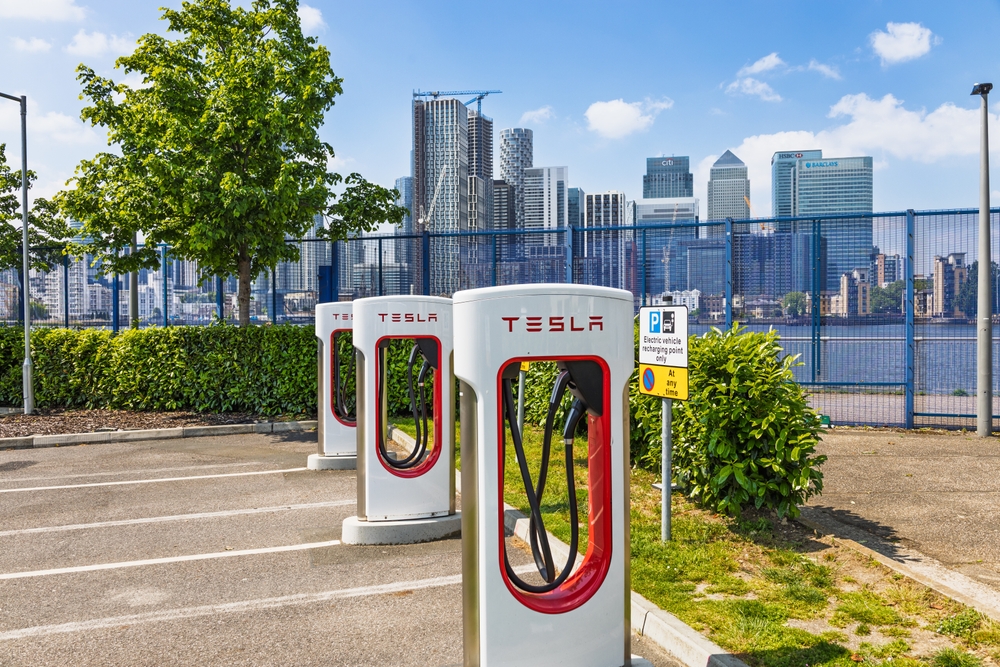
Over twelve months, the Tesla driver recorded a total distance of around 13,000 kilometers, using both his home charger and public charging stations. The majority of his charging was done at home, and almost all of that during off-peak hours when electricity costs are significantly lower. The result was an impressively modest bill: about USD 170 across the whole year for home charging. On top of that, he spent another USD 114 using public chargers. Altogether, he paid USD 285 in electricity to keep his car moving for more than 8,000 miles. For context, that works out to less than USD 24 per month.
The comparison with gasoline costs was even more striking. Based on local fuel prices and the car’s efficiency, he calculated that covering the same distance with a petrol vehicle would have required more than 1,200 liters of gas. That would have set him back around USD 2,000 at the pump, or more than USD 170 a month. Put simply, the Tesla cost about one-seventh as much to “fuel.” That translated into a yearly saving of nearly USD 2,700—a figure large enough to cover other household expenses or even a vacation.
Numbers like these spread quickly online because they feel almost unbelievable when contrasted with the everyday pain of filling up at gas stations. Yet they also highlight how much control individual EV owners can have over their running costs. By carefully scheduling charging and avoiding expensive charging stations whenever possible, this driver kept his bills at rock-bottom levels. The lesson is that EVs don’t just save money automatically; they save money if you understand how to use them smartly.
Why these numbers aren’t universal
While the Tesla driver’s figures are impressive, they cannot be taken as a promise that everyone who buys an EV will save thousands in a year. One of the most important factors in his savings was access to off-peak electricity rates. Many utility providers offer cheaper pricing overnight, and he was able to take advantage of that nearly every time he charged. In regions without such rates, or where base electricity prices are much higher, the yearly cost could be very different. Some households also don’t have the option of installing a home charger, forcing them to depend far more heavily on public networks where prices vary widely.
Public charging, in fact, is one of the biggest variables in the EV equation. While convenient, especially on long trips, fast chargers often come at a premium price. If the Tesla driver had been forced to rely primarily on those stations, his yearly electricity costs could have doubled or tripled, cutting his savings dramatically. Urban apartment dwellers, for example, may not see the same benefit as suburban or rural owners who can charge in their garages. The economics of EVs are therefore deeply tied to lifestyle and infrastructure, not just the car itself.
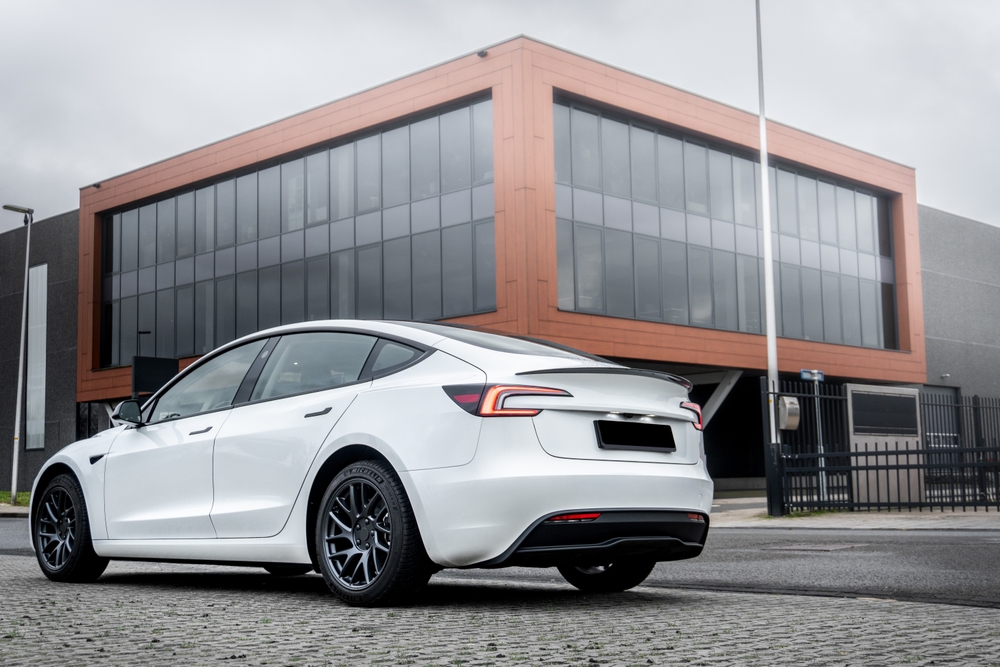
The type of vehicle also makes a difference. The Tesla Model 3 is widely recognized as one of the most energy-efficient EVs available, able to squeeze more kilometers out of each kilowatt-hour than heavier or less aerodynamic models. Comparing this Tesla against a large electric SUV, for example, would likely show higher charging costs. On the flip side, if you compare it against a very fuel-efficient hybrid gasoline car, the difference between electricity and gas bills would not be as dramatic. Each comparison depends heavily on the vehicles being measured and the conditions in which they’re used.
Why this resonates with people
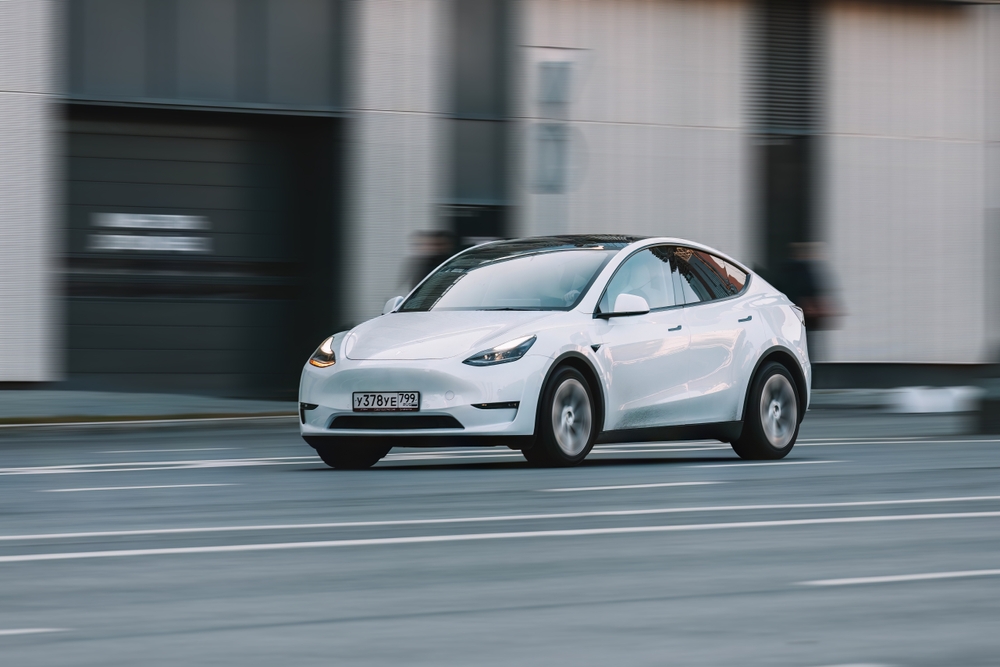
Stories like this resonate because they cut through abstract debates with simple, relatable evidence. Most drivers know exactly how painful fuel prices can be, so hearing about someone powering their car for under USD 300 in a whole year is bound to grab attention. It undermines one of the biggest fears about EVs: that while they may be greener, they’ll end up costing more to live with. This case flips that assumption on its head, showing that under the right circumstances, EVs can actually lighten the household budget.
Another reason this story stands out is the personal detail. Unlike government statistics or car company brochures, this is one driver’s actual experience. That human element makes the numbers feel less abstract. Readers can imagine themselves keeping the same log and perhaps being pleasantly surprised by the results. It encourages curiosity and opens the door for people to run their own comparisons instead of relying on marketing claims.
It also speaks to the growing awareness that the way we consume energy matters not just environmentally but financially. By being strategic—charging at night, avoiding high-cost stations—this driver effectively optimized his costs in a way that anyone could. That’s empowering for readers because it suggests they too can exercise some control over their bills, whether or not they currently own an EV. The story becomes less about Tesla specifically and more about the broader possibility of managing energy use wisely.
What experts say
Energy researchers and transport analysts have long pointed out that EVs generally cost less per mile to run than gasoline cars, but they are quick to add that the scale of savings depends on location and habits. The U.S. Department of Energy estimates that, on average, the “eGallon”—the electric equivalent of a gallon of gasoline—costs about half as much as real gasoline, though in some areas the gap is much wider. These findings align closely with the Tesla driver’s experience, reinforcing the idea that his savings, while impressive, are not a complete outlier.
Reports from organizations like the International Council on Clean Transportation suggest that in markets with stable electricity grids and access to home charging, EVs consistently offer 50 to 70 percent lower energy costs per kilometer than internal combustion engine vehicles. But they also note that if electricity prices spike, or if public charging dominates, those savings can shrink or even vanish. In Europe, for instance, recent surges in energy prices led to discussions about whether EV drivers were still saving money at all. Context always matters.
What experts emphasize most is the need for drivers to calculate based on their own situation. Mileage, fuel costs, electricity tariffs, and driving patterns all contribute to the final number. For policymakers, this underscores the importance of investing in affordable charging infrastructure and supporting smart pricing systems that encourage off-peak usage. For consumers, it’s a reminder not to rely solely on viral headlines but to dig into the details that apply personally.
Key Lessons and Takeway
The key lesson from this case is that EVs can indeed save a significant amount of money, but the results depend on thoughtful charging habits and favorable local conditions. For those who can charge at home during off-peak hours, the economic argument is strong. Over several years, the savings could add up to thousands of dollars, offsetting higher upfront purchase prices or making ownership more financially comfortable. For others without access to cheap electricity or home charging, the picture may be less dramatic, though EVs may still win out in other areas such as maintenance savings.
It’s also a reminder of how energy use in daily life can be shaped by our choices. Whether it’s setting a dishwasher to run at night or plugging in a car at off-peak times, small adjustments can lead to noticeable savings. This driver’s story illustrates that principle vividly in the context of transportation but invites reflection on household energy use more broadly.
Ultimately, this is less about proving that Tesla—or any EV—is universally better, and more about showing how real-world data can challenge assumptions. The driver’s careful record-keeping demonstrates that sometimes the gap between fear and reality is wider than we think. For readers, the value lies not just in the specific numbers but in the encouragement to test and question their own energy habits. In that sense, the shocking difference he found is not only about cost but about perspective.