
Your cart is currently empty!
The Maldives Is Paving the Way Toward a World Without Tobacco

There are moments in history when change begins softly, away from the spotlight. On the scattered islands of the Maldives, where palm trees meet the edge of a turquoise sea, one of those moments is unfolding. The country has chosen to imagine a future where young people never reach for a cigarette, a future where health is protected not by warnings on a box but by foresight written into law.
Contents
show

What the Maldives has done is more than a policy decision. It is an act of collective imagination, one that challenges how societies define freedom and responsibility. Around the world, millions still live with the consequences of tobacco use, yet this small island nation is asking an entirely new question: what if prevention became our legacy instead of reaction? If the vision succeeds, this chapter in the Maldives may one day be remembered not for its boldness but for its humanity.
A Nation Drawing the Line Between Past and Future
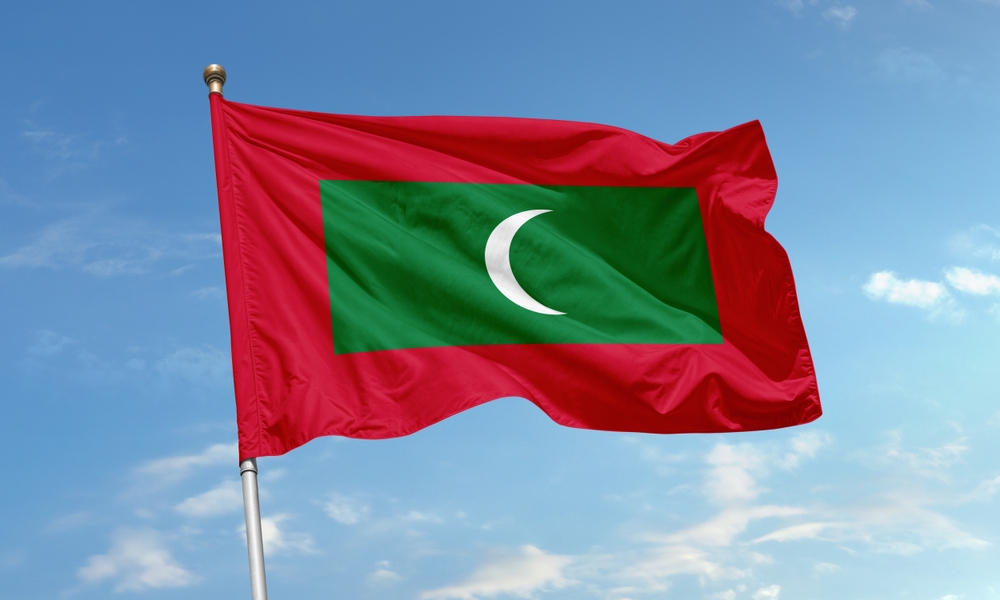
Across the Maldives, a quiet yet profound shift is taking place. Beginning November 1, the country officially enforced a law that prohibits anyone born on or after January 1, 2007, from buying, using, or selling tobacco. The Ministry of Health described it as “a historic milestone in the nation’s efforts to protect public health and promote a tobacco-free generation.” Shared through the ministry’s official channels, this declaration positions the Maldives as the first country to successfully turn a generational tobacco ban from concept into law.
What makes this policy extraordinary is its focus on foresight rather than punishment. The new law does not target existing smokers but instead prevents tobacco use among those who have not yet reached adulthood. Studies consistently show that nicotine addiction often begins early in life, shaping lifelong health outcomes. By cutting off access before the first cigarette is ever lit, the Maldives is quietly building a future where smoking no longer defines social habits or generational identity. It is a vision grounded in research and guided by compassion for the generations to come.
Beyond its immediate health benefits, the legislation reflects a broader cultural awakening. The Maldives is redefining freedom not as the right to choose harm but as the opportunity to choose health. By prioritizing prevention over reaction, the nation has shown that progress can come from empathy and responsibility rather than enforcement. Free from the weight of a powerful tobacco economy, it has demonstrated that even a small nation can lead by example. In taking this step, the Maldives has offered the world a living example of how vision, policy, and care can converge to safeguard the future of an entire generation.
Why the Maldives Chose Prevention Over Reaction
Across the scattered islands of the Maldives, health officials have long recognized that prevention is not simply an ideal but a necessity. Tobacco use remains one of the most pressing threats to public health, claiming millions of lives around the world each year. According to the World Health Organization, more than eight million people die annually as a result of tobacco use, including over one million who are exposed to secondhand smoke. For a small island nation with limited medical infrastructure, even a modest decline in tobacco use could mean fewer preventable deaths and more resources available for other essential health needs.
The Maldives’ generational tobacco ban is a reflection of that understanding. Rather than focusing on restrictions that target current smokers, the government turned its attention to the next generation, ensuring that those born after 2007 will never legally be able to start the habit. This approach fulfills the country’s obligations under the WHO Framework Convention on Tobacco Control (FCTC), a global agreement that calls for decisive action to reduce tobacco use and protect citizens from its harms. By acting at the source of addiction rather than at its aftermath, the Maldives is aligning itself with a philosophy of health that values prevention as the most humane and effective form of care.

The Ministry of Health expressed this vision clearly when it told The Edition Maldives that the goal is to “build a future where tobacco use is no longer normalized.” The policy is more than a legal measure; it represents a cultural commitment to reshape how health is valued and protected. The Maldives’ scattered geography and limited healthcare capacity make prevention the most efficient and compassionate path forward. By protecting its young citizens today, the nation is investing in a future where wellness, awareness, and education take precedence over treatment and repair. In doing so, the Maldives has offered a powerful example of leadership that begins not with wealth or size, but with the courage to choose foresight over habit.
Shaping a New Culture of Health
The Maldives’ generational tobacco ban is more than a legal decision. It is a social and cultural experiment that asks what happens when a nation chooses to remove one of the most common yet harmful habits from its future. By preventing young people from ever purchasing or using tobacco, the Maldives is not only protecting physical health but also redefining what it means to belong in a community that values well-being over convention.
Habits often shape identity, and identity in turn shapes behavior. When an entire generation grows up without the visible presence of smoking, the social meaning of health begins to change. The absence of tobacco in public life creates new symbols of maturity and confidence that are not linked to cigarettes or rebellion. This quiet transformation carries psychological depth, shifting how people connect with each other and how they perceive personal responsibility in a shared environment.
Education will be the bridge between policy and culture. Schools, families, and community leaders now have the opportunity to model new forms of wellness that are built on knowledge rather than habit. As awareness deepens, the Maldives may become a living example of how public health begins not only in clinics and legislation but in the values people pass on to one another. In this way, the ban goes beyond national policy, reshaping identity, culture, and the choices that will guide future generations.
The Environmental Echo of a Tobacco-Free Future
The Maldives’ decision to adopt a generational tobacco ban carries meaning that extends beyond health. It also touches the natural environment that sustains the country’s identity and economy. Tobacco cultivation and consumption leave behind a heavy ecological footprint, from soil contamination to the billions of cigarette filters that pollute land and ocean each year. For a nation built on fragile coral islands, every piece of waste has consequences that reach far beyond its shores.
The World Health Organization has highlighted the environmental cost of tobacco, noting that millions of tons of waste are produced annually through manufacturing, packaging, and discarded cigarette butts. These pollutants can release toxic chemicals into water systems and contribute to the degradation of marine life. In the Maldives, where the ocean defines both livelihood and culture, reducing this form of pollution supports the country’s broader environmental goals and its commitment to sustainability.
By connecting public health with ecological responsibility, the Maldives is creating a model that recognizes the shared foundation of all well-being. A cleaner environment and a healthier population are not separate achievements but parts of the same vision. Through this policy, the Maldives demonstrates that caring for people and caring for the planet are acts that strengthen one another, setting an example for nations seeking harmony between progress and preservation.
A Future Written in Breath
The Maldives has not simply passed a law. It has chosen to write a different story about what it means to protect life. By ensuring that those born after 2007 will never legally smoke, the country is redefining progress in a way that values foresight over habit and prevention over cure. This measure reflects a collective commitment to safeguarding public health for future generations, demonstrating that meaningful change often requires resolve.
The decision carries quite a strength. It challenges the long-accepted idea that addiction and illness are inevitable parts of modern life. The Maldives has proven that small nations can lead through conviction, choosing to protect both people and nature with the same act. The ripple effect of this choice may one day inspire others to rethink how freedom and responsibility coexist when it comes to the choices that affect our bodies, communities, and environment.
If the ban succeeds, its legacy will not be measured only in statistics or laws but in the lives lived without the weight of tobacco’s harm. It will remind the world that prevention begins with imagination and courage, and that real progress often starts not with grand declarations but with one nation choosing to breathe differently for the sake of all.