
Your cart is currently empty!
Parents of World’s Only Child With Ultra-Rare Disease Prepare for Her Final Weeks of Life
A three-year-old girl from the United Kingdom has captured global attention after being diagnosed with an extraordinarily rare combination of conditions that no other person in the world is known to have. Her parents, Stacie Hammond and Stephen Tidd, have been told that their daughter, Harleigh, may only have weeks left to live. Yet amid unimaginable heartbreak, they have chosen to focus on love, memory, and meaning, determined to make her remaining time as magical and peaceful as possible. Their story is not only one of tragedy but of the incredible strength that can emerge when a family is pushed beyond the limits of endurance.
Contents
show

What makes Harleigh’s story so powerful is that it stands as both a deeply personal journey and a reflection of something universal. Her life embodies the resilience that parents discover when faced with fear, loss, and uncertainty. She has endured more in three years than most people will in a lifetime, yet her parents describe her as smiling through pain, radiating joy even when surrounded by medical equipment. Her fight has become a symbol of courage that resonates with families everywhere who are navigating the uncharted territory of rare and life-limiting diseases.
A Battle That Began Before Birth
The first signs that something was wrong appeared in 2022, during a 36-week pregnancy scan. Stacie and Stephen went in expecting reassurance, but instead watched in horror as doctors spotted a dark patch near their baby’s heart. Further scans revealed that Harleigh’s lungs had collapsed and filled with fluid, pushing her tiny heart to the opposite side of her chest. The findings were devastating. Doctors warned that her chances of survival were extremely low, and an emergency delivery was arranged within days to give her even a slim chance of life.
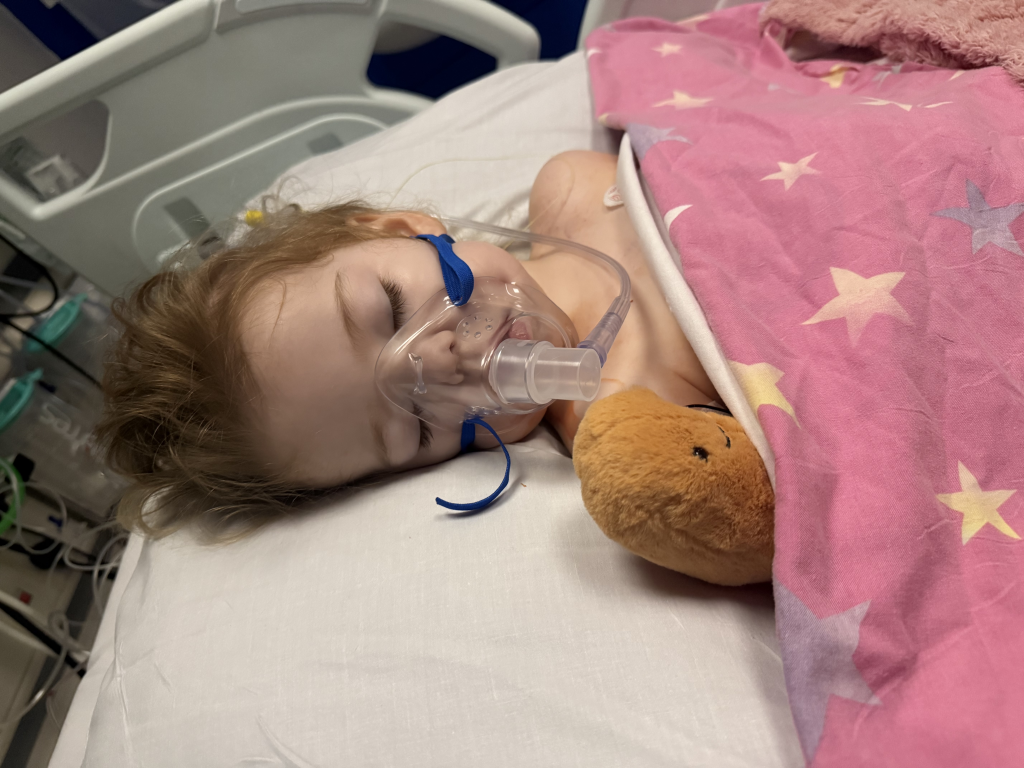
Image via GoFundme
When Harleigh was born, she was immediately placed on a ventilator and fitted with a chest drain to remove fluid from her lungs. Her parents were told she had just a 13 percent chance of survival, but against all medical odds, she fought through those first fragile hours. Each moment was a mixture of fear and awe, as her parents watched their newborn defy everything they had been told. They called her their miracle baby, a title that proved true in the months that followed. Her survival became a testament to her strength, but it also marked the beginning of a long and uncertain journey that no one could have anticipated.
The first few weeks at home were filled with cautious optimism. Stacie and Stephen watched their daughter begin to breathe on her own and respond to their voices, daring to believe that the worst was behind them. But that fragile sense of peace was shattered when Harleigh suddenly fell ill again. Her lungs began to fill with fluid once more, and the family found themselves back in the hospital, facing the same terrifying battle all over again.
The Mystery Illness Doctors Couldn’t Solve
What followed was a relentless cycle of hospital stays, surgeries, and sleepless nights. Harleigh’s lungs continued to collapse and refill with fluid, leaving doctors baffled and her parents emotionally exhausted. Over the next three years, she underwent thirty-eight operations as specialists searched desperately for answers. Each procedure offered temporary relief, but the symptoms always returned. Every time she went home, there was hope; every time she was readmitted, there was heartbreak.
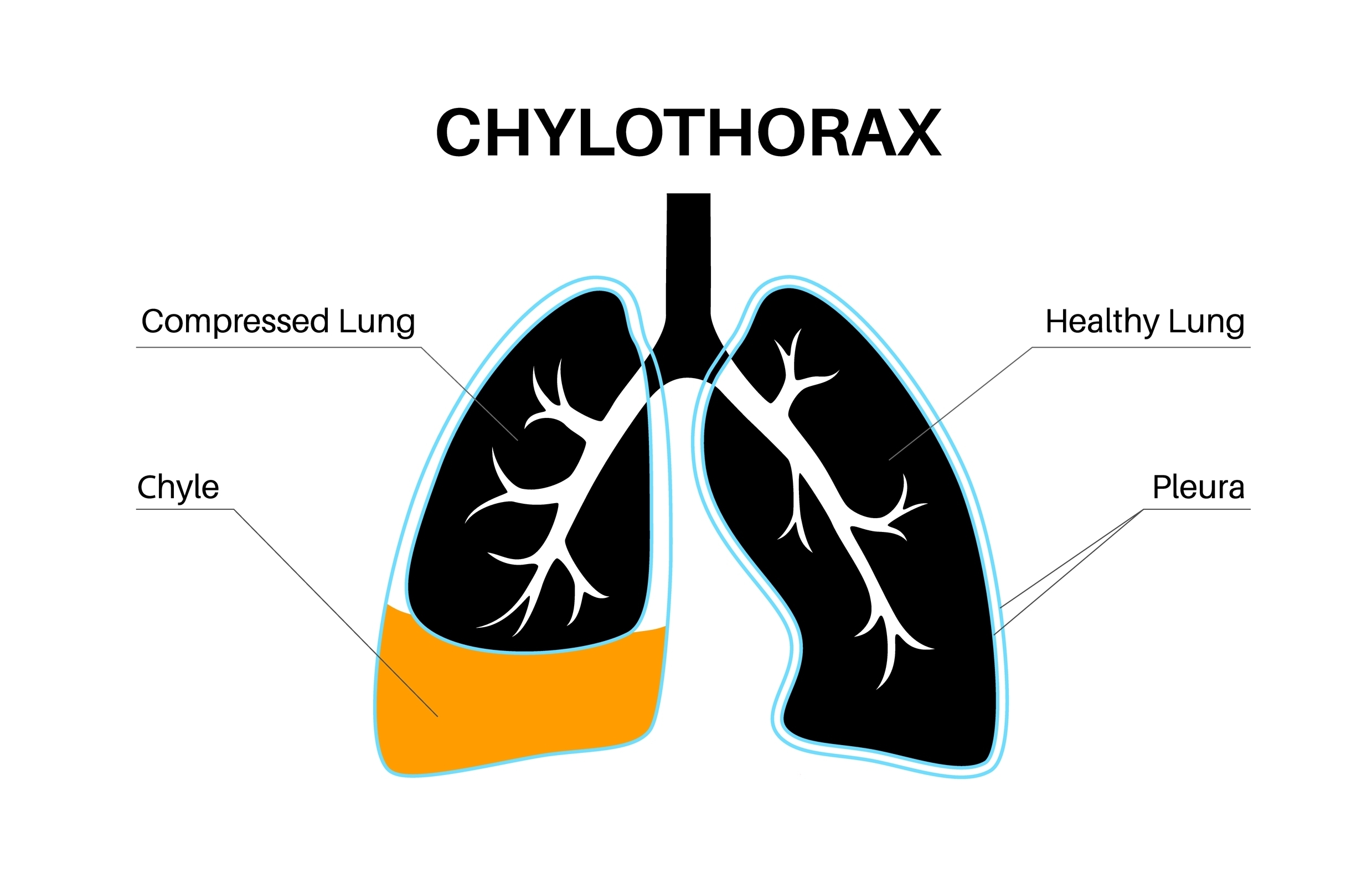
Eventually, after years of testing and consultation with specialists, doctors identified the cause of her illness. Harleigh was found to have a combination of three extremely rare conditions: lymphangioleiomyomatosis, chylothorax, and skeletal dysplasia. Together, these disorders create a cascade of complications that affect her lungs, lymphatic system, and bones. The result is that her body constantly produces and leaks a milky white fluid known as chyle into her lungs, preventing them from functioning properly. This fluid, essential for fat absorption during digestion, becomes deadly when trapped in the chest cavity.
Lymphangioleiomyomatosis, known as LAM, is a rare disease that usually affects adult women and involves the abnormal growth of smooth muscle-like cells in the lungs. Chylothorax causes lymphatic fluid to build up between the lungs and the chest wall. Skeletal dysplasia, meanwhile, affects bone and cartilage growth, altering the shape of the chest and making breathing more difficult. No other patient has ever been recorded with this exact combination, meaning that Harleigh’s case is not only tragic but medically historic. Her existence is now teaching doctors about the outer limits of human biology and the mysteries that still remain unsolved in modern medicine.
The Toll on a Young Life
Life for Harleigh and her parents has been a continuous balancing act between hope and heartbreak. Instead of playgrounds, her world has been defined by hospital rooms, sterile corridors, and the quiet hum of medical equipment. Stacie and Stephen have counted every day spent outside the hospital as a blessing, estimating that Harleigh has only spent around seven months of her three years at home. In those rare periods, they tried to create normalcy: reading bedtime stories, celebrating birthdays, and cherishing simple moments that most families take for granted.
Despite everything, Harleigh’s personality shines through. Nurses describe her as cheerful and affectionate, always smiling even after surgery. Her parents say she loves cuddles, cartoons, and anything pink. These moments of joy are what sustain them. But this year, the disease became more aggressive. In September, doctors called Stacie and Stephen in for a meeting and told them there were no more treatment options. The condition had spread to her stomach, bowel, and spleen. The words they heard that day changed their world forever.
In late October, doctors fitted Harleigh with what they described as her final chest drain, explaining that it would only last about ten weeks before becoming ineffective. After that, her body would begin to shut down. The family was told to prepare for the end. Stacie and Stephen say that although they live with unbearable grief, they are determined to make their daughter’s final weeks meaningful and full of love, refusing to let her story end in despair.
A Final Wish and Lasting Legacy
In the face of heartbreak, Harleigh’s parents have found purpose in creating joy. They are currently raising funds to take their daughter to Disneyland, hoping to give her one final adventure surrounded by laughter, magic, and the people who love her most. For them, this trip is not only a farewell but a celebration of their daughter’s life: a chance to see her experience wonder and happiness in a place that has meant joy for so many children.
“We call her our little warrior princess,” said Stacie. “She has fought through everything with such strength, and she never stops smiling. We just want her to have beautiful memories while we still have time.” Their hope goes beyond their own family. Stacie and Stephen have made the extraordinary decision to donate Harleigh’s organs to medical research after she passes, believing that her condition may one day help doctors prevent or treat similar cases. Their courage has touched thousands online, inspiring others to learn more about rare diseases and organ donation.
In a world where so many conditions remain poorly understood, the Tidd family’s openness has already begun to make a difference. By sharing their experience, they are not only honoring their daughter but also contributing to science. Their story underscores how even one small life can move hearts, open minds, and help advance knowledge that could save others in the future.

The Science Behind Harleigh’s Condition
Medical experts say that conditions like Harleigh’s highlight the complexity of the human body and the challenges that arise when multiple rare disorders overlap. The lymphatic system is essential for regulating fluid balance and supporting immunity, but when it malfunctions, it can cause devastating consequences. In Harleigh’s case, her lymphatic vessels leak continuously, flooding her lungs and organs with fluid. Combined with her skeletal dysplasia, which restricts lung expansion, it creates a life-threatening cycle that current medicine cannot break.
Dr Nicholas Hart, a respiratory consultant at Guy’s and St Thomas’ NHS Foundation Trust, has explained in medical reports that lymphatic disorders involving structural damage to the vessels are extremely difficult to manage. When the lymphatic channels themselves are malformed, standard surgical and pharmaceutical treatments only provide temporary relief. “Cases like these are among the most challenging in medicine,” he said in one NHS publication. “They require a deeper understanding of lymphatic biology and long-term investment in research to find real solutions.”
Because Harleigh’s combination of conditions is unique, every step of her treatment has been experimental. Her doctors have had to rely on small fragments of medical literature and their own clinical judgment, knowing that no established treatment path exists. This reality has placed enormous emotional strain on both the medical team and her family, who have lived for years in uncertainty. Yet, through their persistence and courage, Harleigh’s case may become a crucial reference for future researchers.
What We Can Learn From Harleigh’s Story
Harleigh’s story is not only a tale of medical rarity but also a powerful reminder of love and resilience. It teaches that even in moments when science cannot offer solutions, humanity can still find meaning. Her parents’ decision to focus on joy rather than despair shows how people can create light even in the darkest circumstances. They have chosen to make their daughter’s final months not about loss but about life.
According to the UK Rare Disease Framework, about 3.5 million people in Britain live with rare conditions, yet most receive little attention or funding. Families like the Tidds often become advocates by necessity, fighting for awareness, research, and understanding. Harleigh’s case has already drawn attention to the gaps that exist in rare disease care, from limited resources to the emotional isolation that many families endure. Her story has the potential to spark greater empathy and action toward supporting those who live on the fringes of medical understanding.
In sharing their journey, Stacie and Stephen have shown that grief and hope can coexist. They have taught that love is not measured by time but by presence, and that even the smallest lives can leave a lasting mark on the world. Their courage has inspired thousands of strangers to care, donate, and reflect on what truly matters.

Image via GoFundme
A Light That Continues to Shine
Harleigh’s story is heartbreaking, but it is also profoundly beautiful. It is a reminder that life, no matter how brief, holds infinite value. Her laughter, her will to live, and the love surrounding her have transformed tragedy into meaning. Her parents’ strength shows the depth of human resilience: the ability to carry on when the heart feels shattered, to smile for the sake of a child, and to find peace in the knowledge that love endures even when life does not.
As the family prepares for the difficult road ahead, they are not alone. People from around the world have donated to their cause, sent messages of support, and drawn inspiration from their grace under pressure. In every sense, Harleigh has become a beacon of compassion, reminding others to cherish their loved ones and to never take health or time for granted.
Her parents are determined that her legacy will continue long after she is gone. Through organ donation, advocacy, and the awareness her story has raised, Harleigh will continue to make an impact far beyond her years. She has shown that even when medicine cannot provide miracles, love can. To support the family and learn more about Harleigh’s journey, visit their GoFundMe page: Harleigh’s Family Support.