
Your cart is currently empty!
Olympics Preparing to Bar Transgender Athletes From All Female Events Starting in the 2028 Games
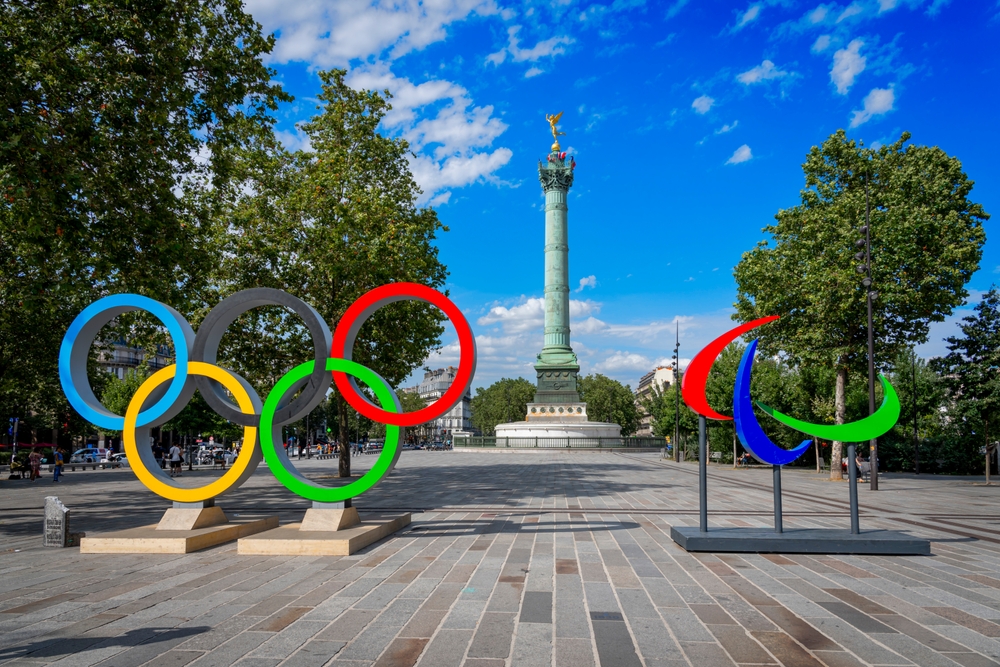
The Olympic world is approaching one of the most significant policy shifts in its modern history, and the atmosphere around it feels heavy with consequence. Discussions that have lingered on the edge of international sport for nearly a decade are now coming to a head. According to detailed reporting from BBC Sport and earlier investigations from The Times, the International Olympic Committee is moving toward a universal ban that would prevent transgender women from competing in female categories. While the IOC insists no final decision has been made, the momentum points toward implementation before the Los Angeles 2028 Games. The change would affect athletes across every sport, every continent, and every governing body connected to the Olympic movement.
Contents
show
This is not a minor policy adjustment. It is a turning point that forces the world to confront deep questions about fairness, inclusion, identity, and scientific evidence. The debate is emotionally charged on all sides because it shapes the futures of real athletes who have dedicated their lives to competition. As the IOC leans closer to a single global standard, the conversation is evolving from a scattered collection of federation rules into a decisive moment that will define what women’s sport looks like for the next generation.
A Turning Point Inside the IOC
The IOC’s shift did not appear overnight. It began building during Kirsty Coventry’s presidential campaign, when she signaled that protecting women’s categories would be a top priority. Coventry, a seven-time Olympic medallist who has spent much of her post-athletic career in sports governance, argued that the organisation needed to take a far more unified approach. After her election, she created a working group composed of medical experts, scientific advisers, and representatives from international federations, with the goal of finding a global solution to the longstanding ambiguity around sex eligibility.
BBC Sport has reported that Dr. Jane Thornton, the IOC’s medical and scientific director, recently presented early findings of the committee’s ongoing scientific review. Those findings indicated that athletes who have undergone male puberty retain physical advantages even after testosterone suppression. This conclusion has appeared in multiple academic discussions across sports science and has influenced the decisions of major federations. Dr. Thornton’s presentation is now seen as a critical moment that pushed the IOC toward a stronger position on competitive fairness.
Sources speaking to BBC Sport have suggested that a blanket ban may be formally adopted in 2026. That means it will arrive too late for the 2026 Winter Olympics in Italy but will likely be fully in place before the 2028 Games in Los Angeles. If implemented, this would mark the first time the IOC has moved away from sport by sport autonomy and toward a single worldwide rule. Until now, each federation has created its own approach, leading to inconsistent standards and significant confusion among athletes. The IOC’s desire to create uniformity reflects the magnitude of concern that has emerged around this issue.
Why the Scientific Debate Has Intensified
The scientific questions at the center of this debate have grown increasingly prominent as more federations review performance data and reconsider earlier assumptions about hormone therapy. For years, sport allowed transgender women to compete in female categories if their testosterone levels were reduced below a certain threshold. But this guideline was built on limited evidence. More recent reviews have raised concerns that the structural changes of male puberty, such as bone density, muscle fiber distribution, cardiovascular capacity, and overall body size, may not be fully reversed through hormonal suppression.
Major international bodies responded to these findings. World Aquatics barred transgender women who had undergone male puberty from elite female competition. World Athletics followed with a similar policy, citing research that indicated retained advantages in strength and speed. These decisions sparked intense debate but also set a precedent that other federations began to consider.
In the United Kingdom, several national sports bodies adopted sex based eligibility rules after the UK Supreme Court ruled that the legal definition of woman in certain contexts is grounded in biological sex. This ruling added weight to the argument that clear definitions are necessary for fair competition. Yet despite this trend, trans rights advocates have repeatedly emphasized that blanket bans risk causing harm to an already marginalized group. They argue that sport should prioritize inclusion, community well-being, and equitable participation while still exploring ways to maintain fairness.
This clash between fairness and inclusion has grown sharper as more scientific data enters the conversation. The IOC now finds itself trying to interpret evolving research while responding to mounting public pressure. The complexity of the situation is part of what makes this moment so challenging for everyone involved.
Political Pressure and Global Perspectives
The global conversation has not been confined to sports institutions. It has entered political arenas in ways that complicate the IOC’s role. Earlier this year, United States President Donald Trump signed an executive order barring transgender women from competing in female categories within the country. The order extends to the 2028 Los Angeles Olympics and includes a directive to deny visas to transgender athletes attempting to enter the United States for competition. This intervention represents a level of political influence rarely seen in Olympic eligibility matters and underscores how culturally divisive the topic has become.
While the IOC typically aims to maintain political neutrality, its decisions increasingly intersect with national laws, immigration policies, and civil rights debates. The involvement of world leaders reflects the weight of public attention but also complicates the work of creating a consistent global policy. At the same time, the president of the International Paralympic Committee has stated publicly that he opposes universal bans, which demonstrates that even among top international sports authorities, consensus is far from certain.
Different regions of the world hold different cultural views on gender identity, biological sex, and fairness in sport. This means any global policy carries the challenge of spanning diverse beliefs while still upholding scientific integrity. As the 2028 Games approach, it is clear that the IOC’s decisions will be shaped not only by research but also by political forces that extend far beyond the stadium.
DSD Athletes and the Paris 2024 Controversies
The conversation becomes even more complex when considering athletes with differences in sex development, often referred to as DSD. These conditions involve variations in hormones, chromosomes, or reproductive anatomy and can present in several ways. Many individuals with DSD are assigned female at birth and raised as girls, yet have biological traits that some argue could provide performance advantages. The ethical questions surrounding DSD eligibility differ from those related to transgender athletes, yet both debates often overlap in public perception.
World Athletics introduced new rules requiring genetic sex testing for certain athletes, arguing that this was necessary to preserve the integrity of female competition. A World Athletics official has stated that more than fifty athletes who underwent male puberty have appeared as finalists in elite female track and field events since the year 2000. These statistics intensified calls for clearer boundaries.
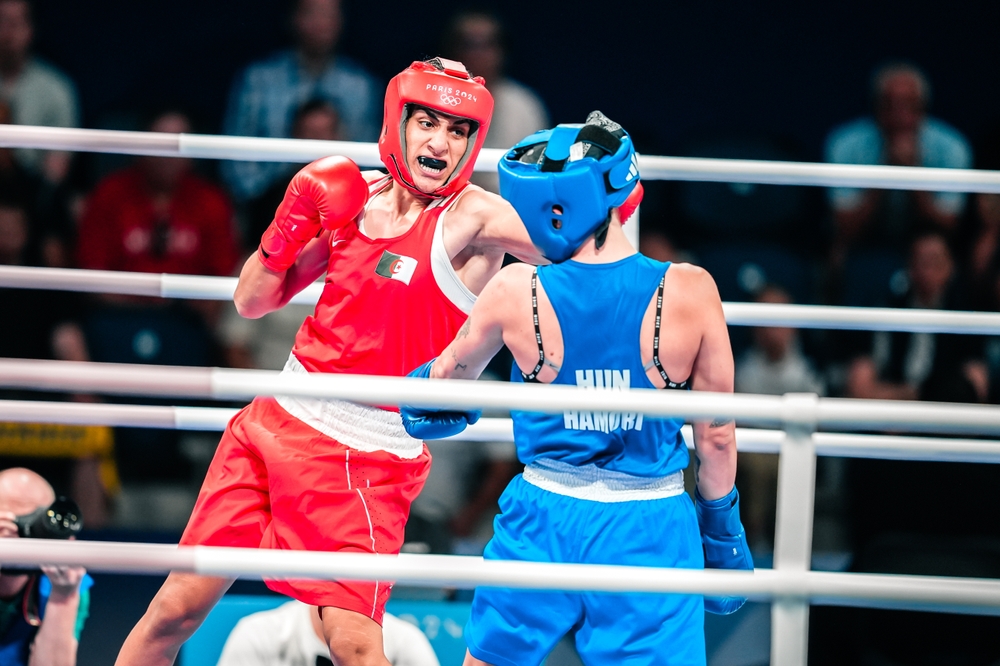
The Paris 2024 Olympics brought global attention to these issues when Algerian boxer Imane Khelif won gold in the women’s welterweight division one year after being disqualified from the World Championships for reportedly failing a gender eligibility test conducted by the International Boxing Association. Taiwan’s Lin Yu Ting faced similar scrutiny but was also allowed to compete in Paris. Both athletes insisted they were women and had always competed in women’s categories. The IOC cleared them based on the fact that their passports listed them as female. Speculation arose about whether they might have DSD conditions, but as BBC reporting made clear, those claims were unverified. These unresolved questions revealed just how urgently the world needs coherent and transparent processes.
The Human Reality Behind the Headlines
At the heart of this debate are human beings whose lives are deeply affected by every decision made in conference rooms and policy meetings. Female athletes who support stronger protections often describe feeling vulnerable in a system they believe has not adequately safeguarded fairness in competition. Some worry that without decisive action, opportunities for medals, scholarships, and long term careers could be at risk. Their concerns come from a place of lived experience and an understanding of how narrow the margins are at the elite level.
Transgender athletes face a different emotional reality. Many describe feeling increasingly alienated and fearful that doors to elite sport are closing entirely. For some, sport is a core part of identity, community, and purpose. The possibility of a universal ban creates a sense of loss and exclusion that cannot be dismissed lightly. The social climate surrounding transgender issues already presents significant challenges, and the additional weight of sporting bans can intensify feelings of isolation.
Sports psychologists often emphasize that major eligibility changes can create distress for athletes across all groups. Clear communication, mental health resources, and community dialogue become essential when institutions introduce policies that reshape the lives of those they govern. This is not simply a regulatory discussion. It is a human one, and its impacts will be felt long after any single Olympic cycle.
What This Means Moving Forward
The path ahead will be shaped by scientific research, ethical dialogue, and the evolving nature of global sport. The IOC’s pending decision could become one of the most consequential shifts ever made in women’s competition. For many, the hope is that a universal standard will restore clarity and protect fairness. For others, the fear is that such a standard will erase the participation of transgender athletes and deepen social divides.
The next few years will determine how these concerns are balanced. As the world approaches the 2028 Games, society has an opportunity to engage with the issue in a way that respects nuance and values both fairness and humanity. This moment calls for careful listening and a willingness to understand perspectives that do not easily align.
Elite sport has always mirrored the complexities of the world beyond it. As new policies take shape, the challenge is to ensure that decisions are rooted in evidence, compassion, and a respect for the dignity of every athlete whose future is shaped by these rules.