
Your cart is currently empty!
Trump Issues Fierce Response After Disturbing Epstein Emails About Him Emerge
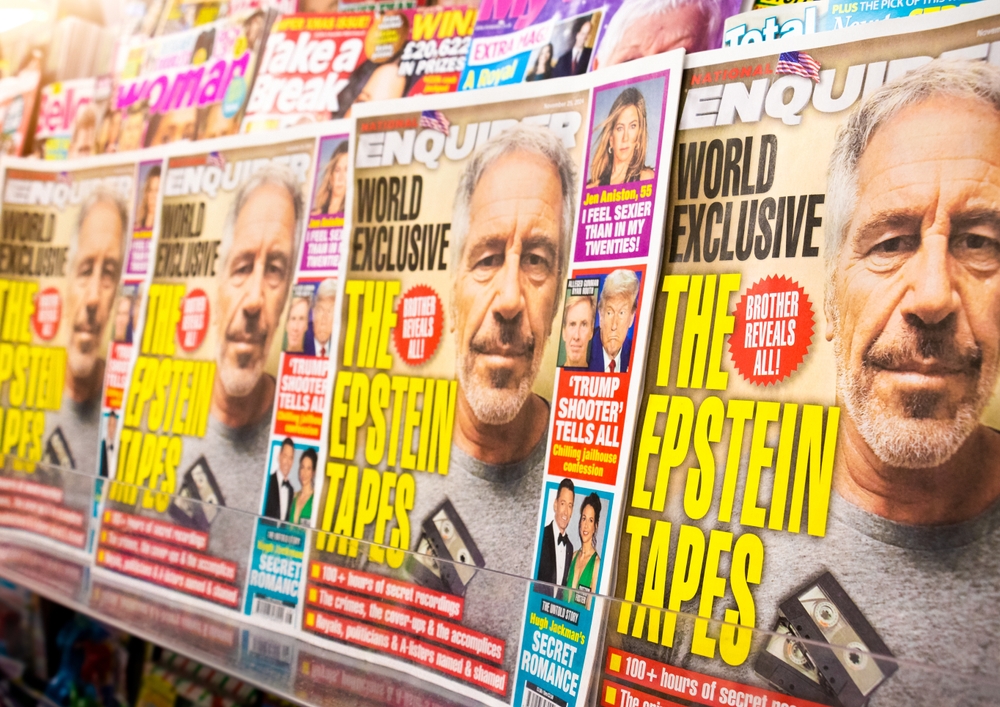
The political world has once again found itself in the middle of a controversy that has grown rapidly and taken on a life of its own. This time, it centers around President Donald Trump and newly resurfaced emails written by the late financier Jeffrey Epstein. These emails, released by House Democrats as part of an ongoing investigation into Epstein’s extensive network, contain references to Trump that have sparked intense public debate. The rapid escalation of conversation surrounding these documents shows how deeply Epstein’s history continues to unsettle the American public and how quickly political narratives can ignite across the national landscape. As soon as the documents became public, discussion surged across social media and major outlets, and the story quickly became one of the most widely talked about issues of the week.
Contents
show
Within a short period, Trump issued a fierce response on Truth Social, dismissing the resurfaced material and insisting it was part of a deliberate effort to distract Americans from what he argues are governmental failures. His message was pointed and emotional, expressing both frustration and firmness as he pushed back against any implication that he had ever been connected to Epstein’s crimes. With public pressure rising and political tensions already heightened due to ongoing disputes in Washington, this exchange created a perfect storm of speculation, accusation, and political strategy. The story rapidly evolved from a document release to a nationwide discussion about truth, timing, and the weight of the past.
The New Emails at the Center of the Controversy
The resurfaced emails that fueled this unfolding narrative span nearly a decade, with dates ranging from 2011 to 2019. These communications were submitted to the Oversight Committee as part of the broader effort to fully understand Epstein’s actions, relationships, and the network of people who had interacted with him. Although mentions of various public figures appeared within the documents, it was the references to Trump that immediately drew widespread attention. These references were limited and lacked detailed context, yet they were powerful enough to spark a national conversation due to both Trump’s prominence and Epstein’s lasting infamy.
Among the most circulated exchanges was a 2011 email from Epstein to Ghislaine Maxwell. In it, Epstein remarked that the unnamed victim who had spent long periods at his home had never implicated Trump in any wrongdoing. Maxwell responded that she had been reflecting on this aspect herself. Even though the exchange lacked specifics, the vague nature of the discussion led to countless questions. Another email, sent in early 2019 from Epstein to author Michael Wolff, included a far more direct and provocative claim about Trump. In it, Epstein asserted that Trump “knew about the girls,” a statement that was presented without proof or supporting details and that appeared close to the end of Epstein’s life, when he was already under intense legal scrutiny. The lack of factual context made the claim difficult to interpret, yet it was significant enough to command public and media attention.
These emails do not offer definitive evidence of misconduct, but they represent how sensitive the public remains to any new information involving Epstein. The resurfacing of even vague references reignites broader conversations about how Epstein was able to operate for so long, how many people were connected to him socially, and where lines between awareness, proximity, and responsibility truly lie.
Trump’s Rapid and Fiery Response
Trump’s response to the resurfaced emails was swift, direct, and entirely in line with the tone he has become known for throughout his career. He posted a lengthy message on Truth Social, insisting that the entire situation was nothing more than a political ploy engineered by Democrats who were seeking to divert attention from what he called their failures in managing the government. He claimed that Democrats had caused significant economic damage and that they were now trying to shift public attention toward an issue that he described as manufactured, harmful, and misleading.
His message expressed deep frustration and accused his political opponents of exploiting Epstein’s name once again for political gain. Trump urged other Republicans not to fall for what he described as a trap and insisted that the country needed unity and focus on reopening the government. His comments echoed themes that have been hallmarks of his political identity, including distrust of the opposing party, skepticism toward the media, and unwavering confidence in the face of accusation. His supporters interpreted the message as a strong defense rooted in truth, while his critics viewed it as a strategic deflection that sought to minimize serious questions. Regardless of interpretation, the post ensured that the story would continue to grow rather than fade.
The White House Pushes Back on Allegations
Following Trump’s public reaction, the White House Press Secretary issued a detailed statement to further counter the implications drawn from the emails. The statement accused Democrats of selectively leaking documents to create a narrative that would damage Trump politically. It argued that the individual referred to as the unnamed victim in the emails was Virginia Giuffre, who has previously spoken publicly about her experiences. According to the White House, Giuffre had clarified multiple times that Trump had never been involved in Epstein’s crimes and that he had treated her with kindness and respect during their limited interactions.
The statement also reiterated Trump’s longstanding claim that he distanced himself from Epstein after Epstein behaved inappropriately toward female employees at Mar-a-Lago. This detail has been referenced repeatedly over the years as part of Trump’s effort to emphasize that he had removed Epstein from his environment long before the criminal allegations against him resurfaced decades later. The White House positioned these points as evidence that the resurfaced emails were being taken out of context and used for political advantage. Their response added yet another layer to the unfolding story, offering a strong and direct counter to the concerns raised by the newly released communications.
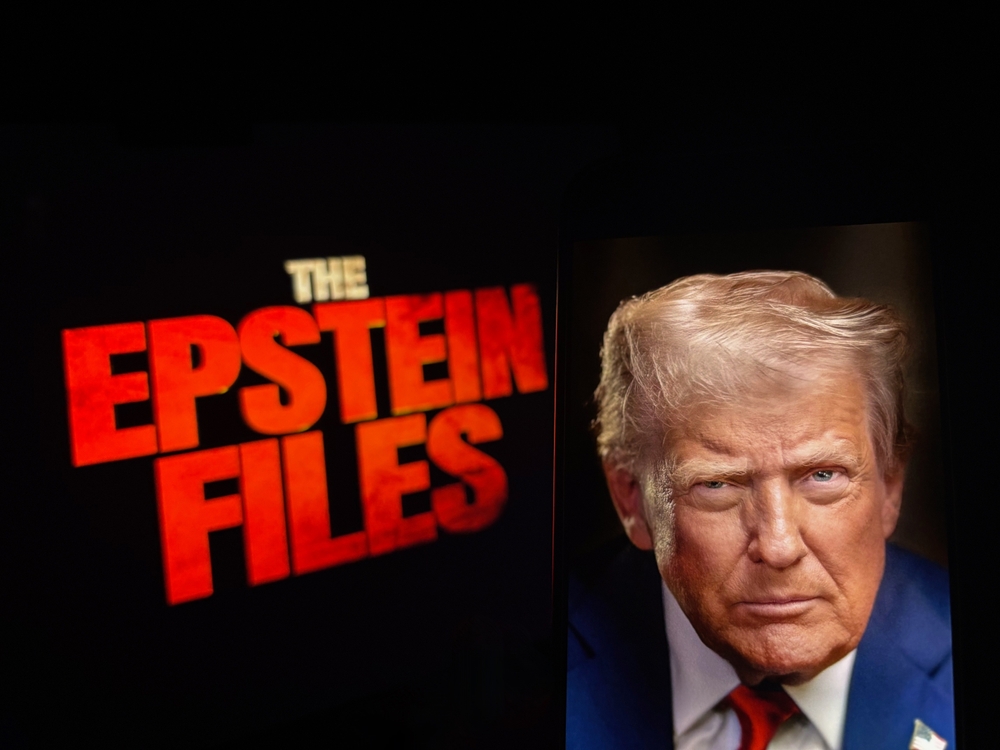
Epstein’s Shadow and Public Fascination
Although Epstein died in 2019, his name continues to cast a long and unsettling shadow over American cultural and political life. His crimes exposed deep failures in the justice system, raised questions about accountability, and forced society to confront the uncomfortable intersection of wealth, power, and exploitation. Because of this, any new material tied to Epstein inevitably sparks widespread interest and a renewed demand for transparency. People remain invested in understanding how Epstein managed to avoid serious punishment for so long and what role others may have played, knowingly or unknowingly, in enabling his behavior.
The public’s reaction to the resurfaced emails reflects a larger reckoning that has continued long after Epstein’s death. Society remains fascinated and disturbed by his connections, the social circles he navigated, and the secrecy surrounding his actions. Every new detail prompts fresh questions about how much was known and by whom. Even when evidence is inconclusive, the emotional gravity of Epstein’s crimes ensures that any mention of his name produces strong reactions. This ongoing tension plays a significant role in why the resurfaced emails involving Trump created such a surge of interest, even though their content does not offer definitive proof of wrongdoing.
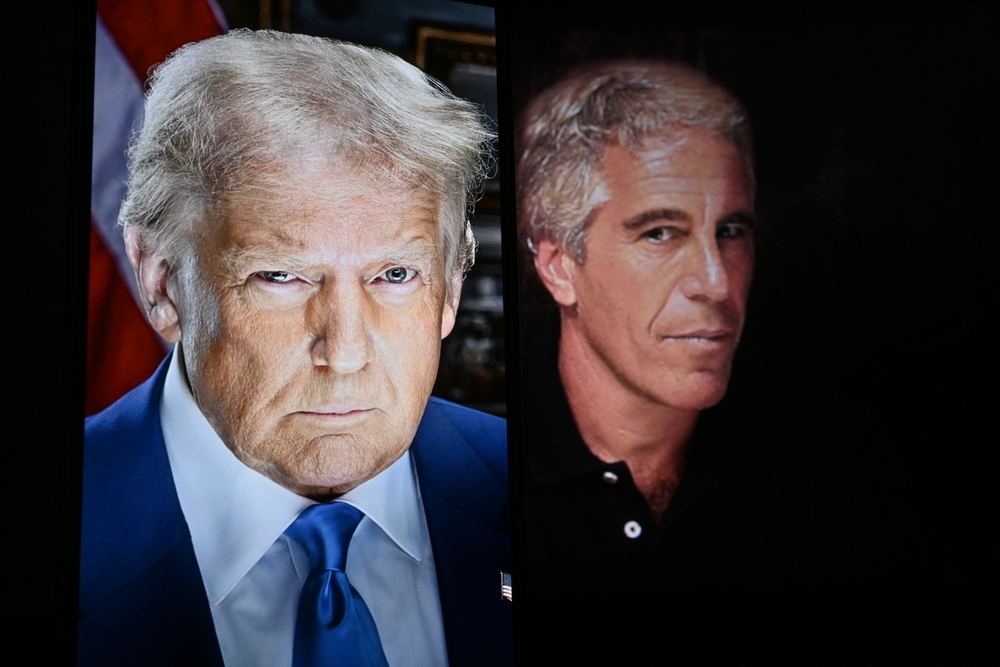
Understanding Trump and Epstein’s Past Association
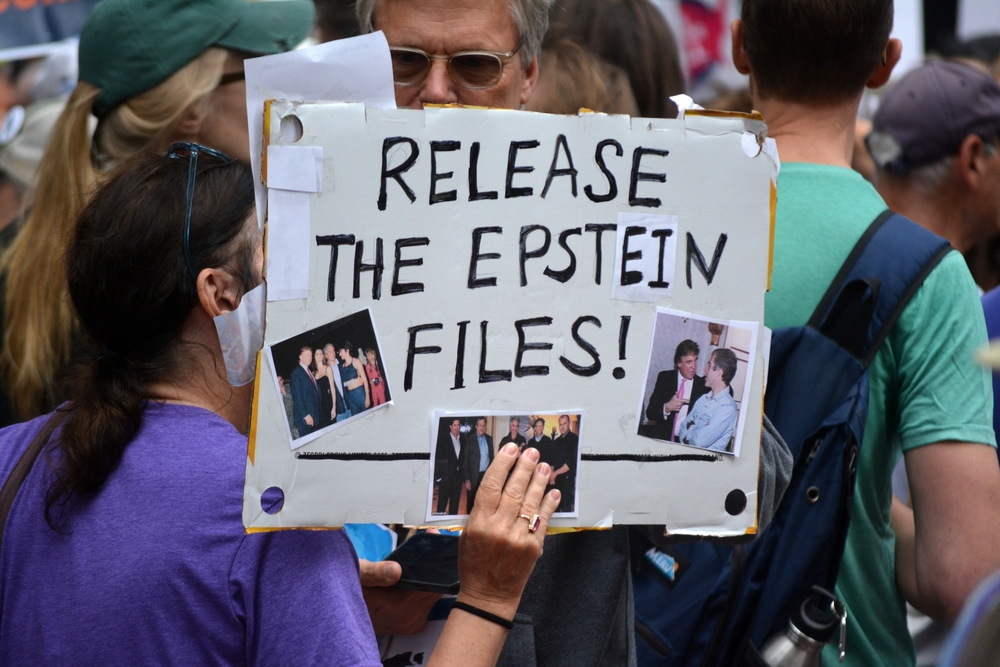
Trump and Epstein were part of the same social environments during the 1990s and early 2000s, when both were known figures within the wealthy, celebrity-driven world of Palm Beach and New York. Photographs from the era show the two men attending the same gatherings and events, reinforcing the perception that they knew each other reasonably well. Over the years, Trump has openly acknowledged that he knew Epstein socially, but he has consistently denied that he had any knowledge of Epstein’s criminal activities. He has maintained that their relationship soured when Epstein attempted to recruit young women from Trump’s club.
This part of Trump’s history has become a frequent subject of debate, especially when new Epstein-related materials surface. Some people argue that many public figures intentionally minimized their relationships with Epstein after his crimes became widely known, while others contend that casual social interactions do not imply awareness of criminal behavior. What complicates matters is that Epstein maintained relationships with numerous influential individuals, some of whom have faced significant scrutiny and others of whom have largely avoided public criticism. Trump remains one of the few whose connection continues to attract intense political attention, particularly during periods of heightened national tension.

Why These Emails Are Emerging Now
One of the central questions raised by the public is why the emails were released at this particular moment. Trump and his supporters argue that the timing is deliberate and designed to redirect attention from disputes involving the government shutdown and other ongoing political challenges. They suggest that the resurfacing of Epstein’s name is part of a broader strategy to weaken Trump’s influence and distract voters from issues that impact their daily lives. This interpretation follows a familiar pattern within Trump’s rhetoric, one that casts political opposition as strategic and intentionally damaging.
On the other hand, Democratic officials and members of the Oversight Committee maintain that the documents were part of a regularly scheduled release tied to ongoing investigative work. They argue that the timing reflects procedural processes rather than political maneuvering. Without clear evidence of intentional timing, the public is left to interpret the release in light of their existing political views. The lack of certainty surrounding this particular detail has only contributed to heightened tension and speculation.