
Your cart is currently empty!
How Siblings Can Grow Up in the Same Home but Live Completely Different Childhoods
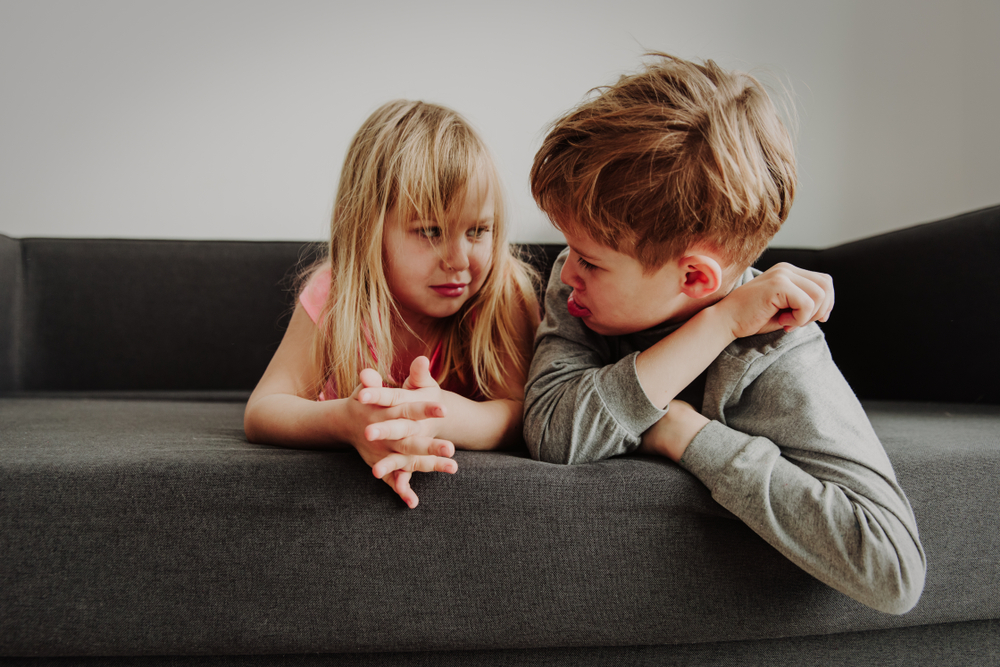
Growing up in the same household often creates the assumption that siblings must have lived nearly identical lives. But psychology shows that this couldn’t be further from the truth. Even when siblings share bedrooms, parents, routines, and experiences, their internal worlds can diverge dramatically. Many families later discover that while they lived under one roof, they lived in emotionally different universes.
Contents
show
Much of this comes down to shifting parental stress, birth order, temperament, and the evolving life circumstances into which each child is born. When science and lived experience come together, the picture becomes clearer: siblings rarely grow up in the same emotional environment.

A Personal Story That Reveals the Divide
One man only learned late in life just how different his childhood was from his brother’s, despite living through the same family tragedy. His brother was seven when their father died of cancer, old enough to remember the decline, the hospital visits, and the emotional weight. He himself was two, too young to understand but deeply affected by the emotional fallout.
Their mother, only 26 and suddenly widowed with three young children, later told him, “A week after the funeral… I had to find a job.” With almost no support, she was forced to leave her children with cheap babysitters, returning once to find one passed out on the floor with an empty bottle of whiskey while her toddler wandered alone. Those early years carved into him a lifelong sense of “galactic loneliness,” while his brother entered the crisis from five years of stability, nurturing, and one-on-one attention. But that stability vanished quickly. Their mother leaned on him emotionally, hoping he would be her “little man,” and their dying father asked him to visit every day after school, not realizing the emotional burden such a request placed on a child.
While the younger brother spent childhood trying to connect with parents who felt increasingly distant, the older one struggled to withdraw from emotional demands he was too young to meet. Only during late-life conversations did they realize the depth of their differences, prompting the younger brother to say, “you might say we did have different parents.” Their story reflects what psychologists describe as a common and scientifically grounded reality.
Why Psychology Says Siblings Experience Different Childhoods
Clinical psychologist Genevieve von Lob explains the core of this phenomenon: “Despite having shared early experiences, it’s not uncommon for siblings to have experienced their childhood in a very different way.” One major reason is timing. Each child is born into a different chapter of the parents’ lives, with emotional shifts, financial stress, work demands, and relationship changes shaping how parents show up. Keneisha Sinclair-McBride notes, “Significant changes in family financial status can impact differences in extracurricular activities, schooling, vacations, and other material aspects of childhood between siblings,” which may feel “unfair” even when they result from circumstantial change.
Emotional dynamics also shift. As von Lob says, “Parents may show up very differently for each of their children depending on where they are in their own lives, including their own mental health and stress levels, their significant partnership, support network, work and financial commitments.” Two siblings may therefore receive different levels of attention, patience, or emotional availability without any intentional imbalance.
Birth order adds another scientific layer. Dr. Kevin Simon explains, “Siblings born years apart are quite literally born from parents who themselves are years apart from who they were during the earlier or later pregnancy.” Parents often behave more cautiously with their first child and more confidently with later ones. Sinclair-McBride adds, “Some parents are more unsure and cautious with their first child and more sure of themselves with subsequent siblings.” Parenting educator Laura Linn Knight extends this further: “Maybe the older sibling was treated more harshly, but the parents readjusted their parenting style and were more compassionate with their parenting moving forward with a younger sibling.” These gradual adjustments, intentional or not, create different emotional climates for each child.
Temperament also influences parental behavior. Sinclair-McBride states, “All siblings are unique individuals – including twins,” and these differences naturally shape how a parent responds. Knight explains that “Parents may relate to a child’s personality more than another child… which can be seen as favoritism,” though it often reflects compatibility rather than preference. Von Lob reinforces this by noting, “The gender, personality, needs, mannerisms and behavior of each particular child can trigger parents in different ways, which can result in a sibling who is treated very differently.” Thus, even in the same environment, parent-child interactions can diverge dramatically because no two children elicit the same emotional responses.
Interpretation further widens the gap. Even when siblings experience the same event, they rarely internalize it the same way. Clinical psychologist Jenny Yip explains, “It’s just like eyewitness accounts… everyone will interpret the same incident differently.” One sibling may have perceived a rural childhood as peaceful while another found it restrictive. Von Lob provides examples: “One sibling may have loved the village they grew up in, but the other sibling found it stifling” and “One sibling may have loved the camping holidays…, but the other sibling found it boring.” Perception itself becomes part of the parenting experience.
How Conversations Help Siblings Understand Their Divergent Memories
Even when the science is clear, many siblings reach adulthood carrying confusion or resentment about perceived inequalities. Dr. Simon clarifies that these differences are normal and not signs of dysfunction: “It is neither good nor bad… It is a natural result of each sibling’s unique personality, experiences, and perspective.” Still, talking about these differences can be transformative. Sinclair-McBride emphasizes, “Working through this together can be very beneficial… Giving one’s siblings grace to explain their experiences without judgment and defensiveness can help with perspective-taking and compassion.”
When the two brothers in the earlier story finally discussed their experiences openly, they achieved a new level of understanding and connection. For them, this honesty became the foundation for their “best sibling discussions” ever and allowed them to reconstruct a shared yet nuanced narrative of their past.
Bringing Understanding Into Your Own Family
If you and your siblings remember your childhood differently, that doesn’t mean someone is wrong. It reflects psychological reality. Conversations can begin with simple questions such as, “What was Mom like when you were little?” or “Did you feel X growing up, or was that just me?” The goal isn’t to agree on one version of the past but to understand each other’s emotional truth. Context also helps; looking at your parents’ stress levels, financial situation, or health during different years can reshape how you interpret family history.
Sinclair-McBride reminds us, “Children do not have to be treated exactly the same at all times to be treated equitably,” which can ease long-held feelings of unfairness. The more siblings understand the factors that shaped their differences, the more compassion and closeness they can build.

What These Differences Really Mean
Understanding that siblings can grow up in the same household yet walk away with dramatically different emotional realities offers a powerful shift in how we interpret our own histories. Instead of assuming everyone should have experienced the same warmth, stress, attention, or instability, this perspective gives language to the quiet contradictions that many families carry for decades. It reminds us that childhood is not shaped only by walls, routines, or shared parents, but by internal perception, developmental timing, and the constantly changing emotional weather inside a home. When siblings finally recognize that their experiences were shaped by forces larger than memory alone, compassion becomes easier and narratives feel less like conflicts to resolve and more like truths to understand.
For many people, this realization brings a sense of relief. Instead of wondering why their sibling seems so unaffected by events that left them scarred, or why one remembers joy while another recalls tension, the science shows that these differences make sense. Birth order, temperament, parent-state, financial stress, and emotional availability all combine into a unique psychological environment for each child. This means disagreements about the past are not failures of memory but reflections of individualized emotional landscapes. Accepting this can defuse resentments, soften long-held judgments, and allow siblings to reclaim parts of their story with greater clarity and humanity.
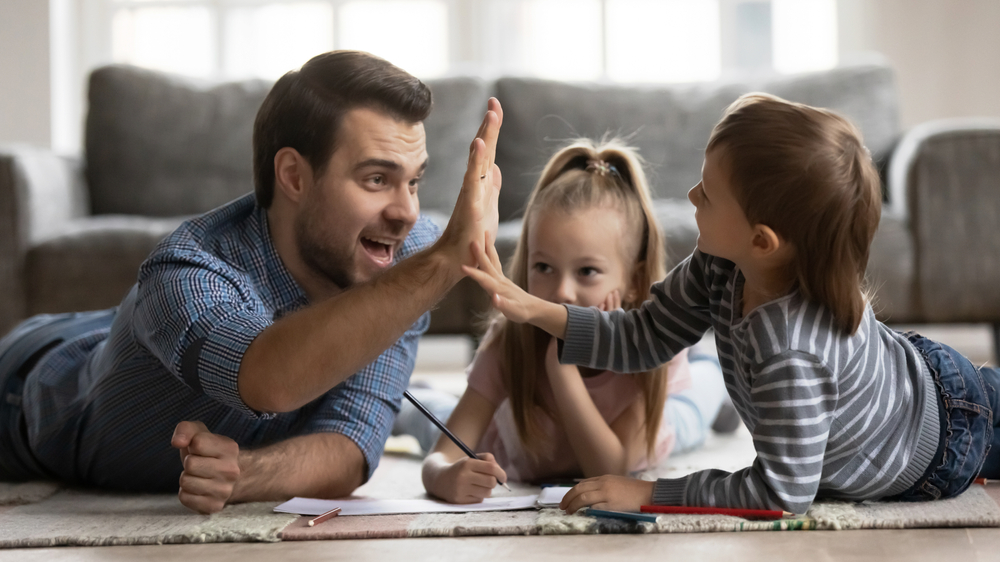
Ultimately, this understanding opens the door to richer, more honest conversations. When siblings approach each other with curiosity rather than accusation, they create space for healing to emerge naturally. Questions like “What was it like for you?” become invitations to rediscover one another and to build empathy that wasn’t possible earlier in life. In many families, this is the moment when old tensions dissolve and new bonds form. And while the past cannot be rewritten, the meaning we make from it can evolve into something far more compassionate, connected, and deeply understood.