
Your cart is currently empty!
Austria Set to Introduce School Ban on Islamic Headscarves for Girls Under 14
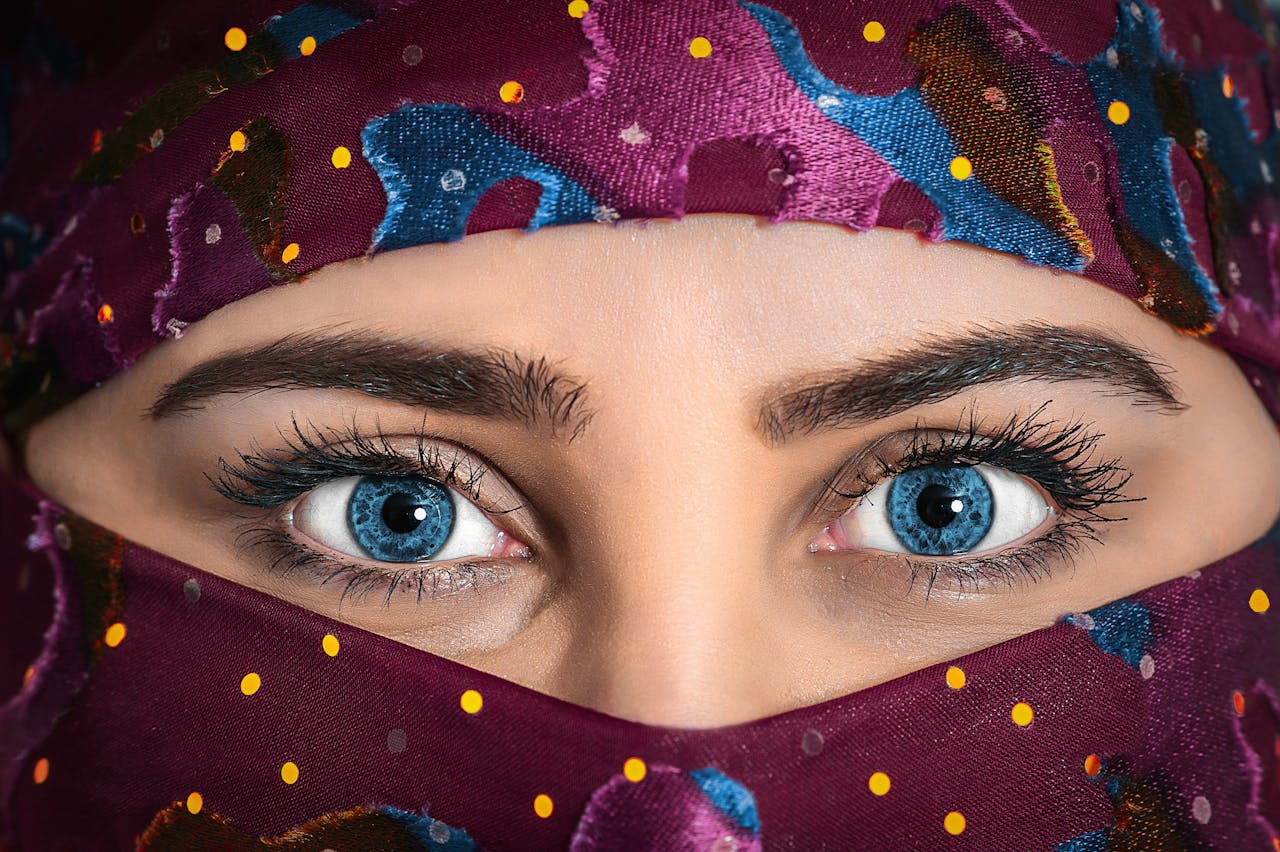
Austria’s latest proposal to ban Islamic headscarves for girls under the age of fourteen has stirred a wide and emotional debate that reaches far beyond the country’s borders. The announcement has drawn strong reactions from parents, educators, political figures, and religious communities who see the move through very different lenses. For government officials, the proposal is framed as a protective measure designed to ensure that young girls grow up without social pressure or expectations they may not fully understand. For many Muslim families, however, the measure feels like a direct challenge to their cultural and religious identity, raising fears about discrimination, exclusion, and the erosion of parental rights.
Contents
show
The discussion surrounding the ban has revived long-standing conversations about how children develop, what autonomy means at various ages, and how society should balance cultural traditions with broader national values. These questions are not new, but they have gained fresh intensity as Austria prepares to debate the legislation once again. Underneath the political arguments and court precedents are real families who worry about how their daughters will navigate school life if the ban goes forward. Their concerns highlight the human dimension of a policy that may reshape everyday interactions in classrooms and schoolyards across the country.
As the conversation grows, it becomes clear that this issue is about more than a single garment. It touches on identity, belonging, childhood freedom, and the responsibility of institutions to nurture young people. The debate forces Austria to consider how it defines protection, how it respects cultural plurality, and how it ensures that every child feels accepted within the educational system.

The Government’s Renewed Push for the Ban
State Secretary Jorg Leichtfried and Integration Minister Claudia Plakolm presented the updated draft of the proposed ban with a message that was both direct and firm. They described the measure as a necessary step to protect young girls from expectations that might shape their development in ways they cannot yet fully understand. According to Plakolm, placing a headscarf on an eleven year old girl signals a form of pressure that influences self worth, confidence, and bodily awareness before a child is mature enough to make such decisions independently. The government has explained that its renewed efforts are partly influenced by demographic changes, noting that the number of Muslim girls under fourteen has increased significantly in recent years.
The ban is planned to take effect in the 2026 to 2027 school year if it receives parliamentary approval. Although similar proposals have been discussed in the past, including one that was struck down by Austria’s top court in 2019, officials insist that the updated legislation is structured differently and will withstand legal challenges. They argue that the state has a responsibility to ensure that children are not placed under symbolic or cultural pressures that could affect their personal development, and they believe this policy is one way to reinforce that commitment.

What the Ban Actually Covers
If approved, the ban would apply to all public and private schools in Austria and would encompass a wide range of school environments. This includes classrooms, gymnasiums, playgrounds, and school sports fields. The only exception would be events organized by third parties, where the regulations would not apply. The intention behind the broad coverage is to create a consistent environment throughout the school day, ensuring that expectations remain the same no matter where students are located on campus.
The rollout of the ban is proposed to take place in two stages. The first stage, beginning in February 2026, would be an awareness phase. During this time, schools would receive guidelines and instructions on how to approach the policy, and parents along with their children would be informed of the new expectations. This phase is meant to prepare families for the changes before enforcement officially begins. The second stage would start at the beginning of the school year in September 2026. At this point, any student under fourteen who arrives at school wearing a headscarf would be called in for a meeting with school administrators along with their parents. Continued violations would escalate to discussions with the District School Authority, and repeated or severe cases could involve youth welfare agencies. Parents may also face fines ranging from one hundred and thirty pounds to seven hundred pounds or, in rare situations, up to two weeks in prison.

Religious Freedom or Protection
The heart of the debate centers on whether the ban protects children or restricts religious freedom. Supporters of the proposal argue that young girls should not be asked to carry the responsibility of religious symbolism at an age when they cannot fully understand its meaning. They believe that children should be free to grow, learn, and form their identities without the pressure of outward displays of faith. Some argue that the headscarf, when worn at a young age, can reflect expectations placed on children by their families or communities, expectations that may hinder their personal development.
Opponents strongly disagree. Austria’s Islamic Religious Community has described the ban as an act of symbolic politics that risks undermining democratic values and targeting a specific minority. They argue that the policy sends a message to Muslim children that their cultural and religious practices are unwelcome. Many Muslim parents say that introducing modest clothing can be part of their family rhythm and cultural growth, not an act of coercion. For them, the ban represents not protection but an intrusion into personal and spiritual life.
The Human Impact
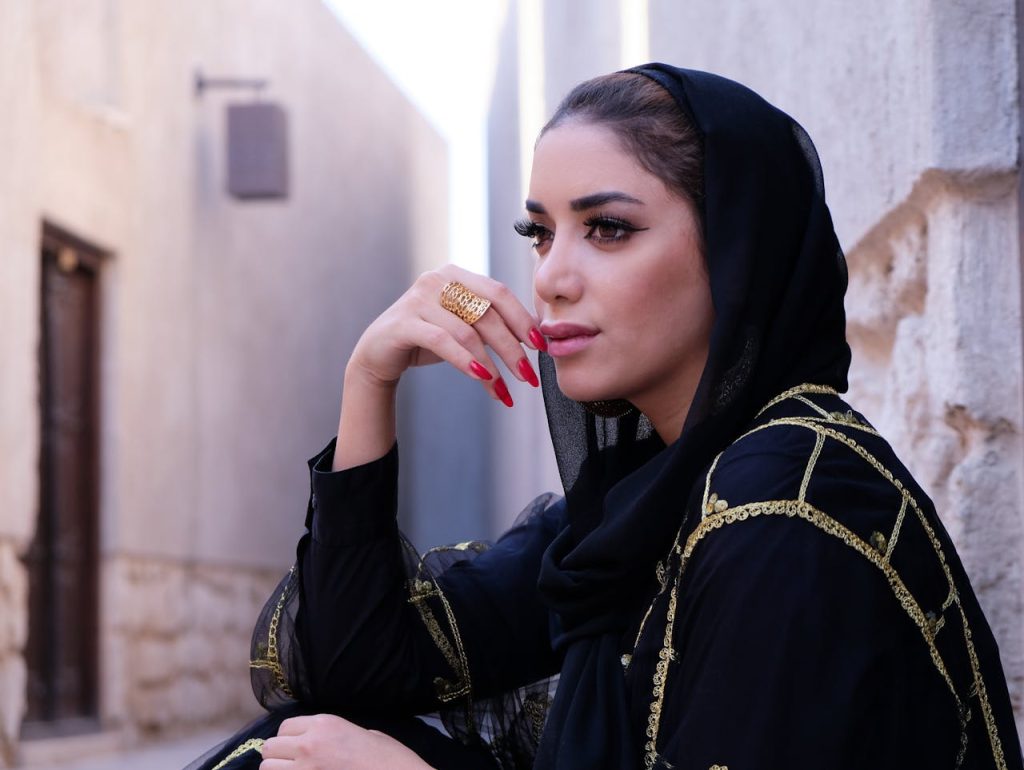
At the center of this debate are the young girls who may feel its effects the most. Children who already wear the headscarf may feel caught between school expectations and family beliefs, leading to confusion, emotional stress, or a sense of isolation. Some may feel pressured to remove something meaningful to them, while others may quietly welcome the change if they felt uncertain about the practice but did not feel comfortable expressing that uncertainty.
Teachers will also carry a significant responsibility under the proposed policy. They will be required to initiate discussions with families, document concerns, and help students navigate any emotional challenges that arise. Many educators already face heavy workloads, and there are growing concerns about whether they will receive adequate support and training to handle the sensitive conversations that the ban may require.
Political, Cultural, and Social Ripples
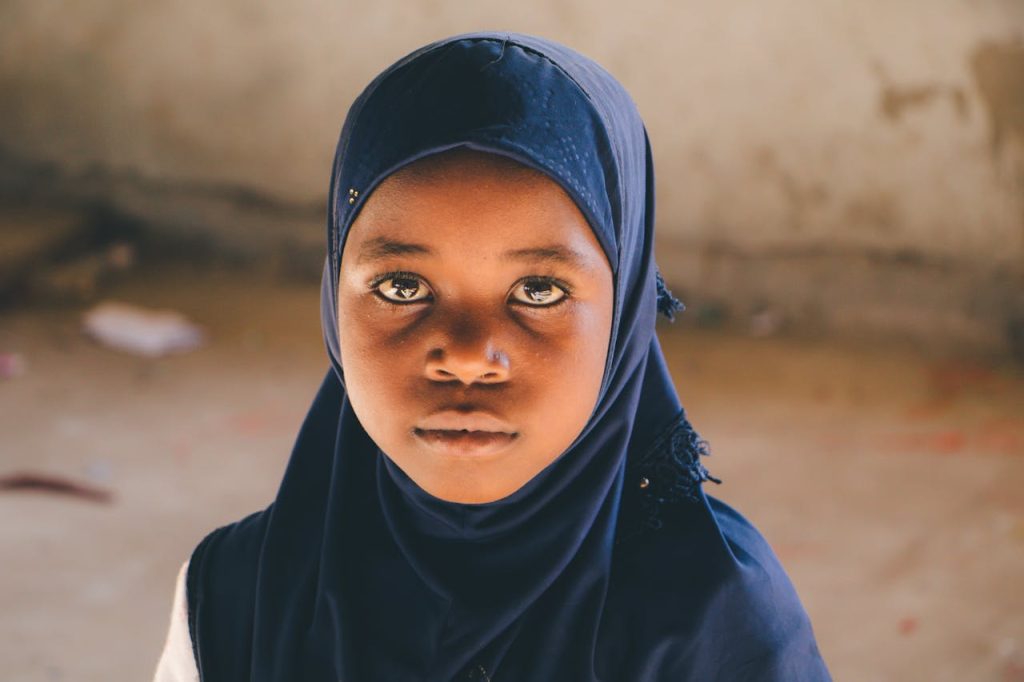
The proposal has become part of a larger conversation across Europe about the visibility of Islamic identity in public spaces. Some supporters view the ban as consistent with broader efforts to promote integration and ensure that children grow up with shared values. Critics, on the other hand, worry that it reinforces stereotypes and deepens social divides, particularly by placing a spotlight on a single minority community.
There are concerns that the ban may lead to unintended consequences. These include increased absenteeism among Muslim students, strained relationships between families and schools, and heightened involvement of welfare agencies in disputes rooted in cultural misunderstandings. In other European contexts where similar policies have been introduced, the social impacts have been mixed, and some analysts fear that Austria could face similar challenges.
Wider European Context and Global Reactions
Many European countries have debated or implemented restrictions on religious symbols in classrooms, each citing different reasons. France has enforced some of the strictest measures in the name of secularism, while Belgium and several regions of Germany have introduced similar policies with varying degrees of enforcement. Reactions outside Europe are also diverse. Some Western commentators believe such bans are necessary to maintain social cohesion, while others criticize them as attempts to limit cultural expression. In many Muslim-majority countries, the debate is also split. Some view the bans as unnecessary and discriminatory, while others believe they protect children from expectations they should not yet face.
These varied reactions highlight the global complexity of decisions related to identity, childhood autonomy, and cultural expression. They also show that what one society considers protective can be seen as restrictive or intrusive in another.
Stories From Families and Communities
Parents across Austria have shared a wide range of concerns and perspectives. Some Muslim families fear that their daughters will feel excluded in schools where their cultural practices are treated as problems. They also worry that increased involvement from welfare agencies could lead to misunderstandings that escalate into more serious interventions. Other families, including some Muslim women, support the ban because they believe children should not be asked to adopt visible religious practices until they are older and able to make their own decisions. Their experiences add depth to the conversation and show that the Muslim community is not unified in its stance.
Educators are also preparing for the potential challenges ahead. Many teachers hope that open dialogue with families will help smooth the transition, but they acknowledge that the emotional landscape may be difficult to navigate. Support systems such as counseling may become increasingly important as students process their own feelings about the changes.
What Educators Are Preparing For
Schools may require new approaches to communication and guidance. Staff will need to know how to address questions from students, how to manage conversations with parents, and how to support children who may feel conflicted. Clear protocols will be necessary so that teachers do not feel they are carrying the responsibility alone. They will need confidence that the school administration and local authorities are prepared to assist when difficult situations arise.
Teachers often serve as the bridge between legislation and lived experience. They are the ones who must find a way to apply policies with sensitivity, while ensuring that all students feel respected. How well they are supported will likely influence how smoothly the policy is implemented, should it become law.
How Austria Can Move Forward Together
Austria’s proposed headscarf ban places the country at the center of a complicated discussion about childhood, autonomy, religion, and identity. Supporters believe that the policy protects young girls from social and cultural expectations they should not yet face. Critics argue that it limits religious freedom, reinforces stereotypes, and risks alienating Muslim communities. Both sides claim to act in the best interest of children, yet they define that interest in very different ways.
The challenge lies in finding a balance that recognizes the importance of protection while respecting the diverse cultural identities that make up Austrian society. As the proposal moves toward parliamentary debate, Austria faces not only a legislative decision but an opportunity to foster greater understanding, trust, and dialogue among its communities. The children at the heart of this discussion deserve thoughtful attention, empathy, and policies that support their growth in a way that honors both their individuality and their cultural roots.