
Your cart is currently empty!
Newly Identified COVID-Linked Syndrome That Can Severely Damage Lungs

Most of us have put the pandemic in the rearview mirror. But for doctors and researchers, a new, hidden aftershock is emerging. Beyond the exhaustion of “Long COVID,” a rare and aggressive condition known as MIP-C has appeared. It’s a frightening twist in how our bodies react to the virus: a situation where the immune system, trying to protect us, gets confused and turns into our biggest threat.
Contents
show
What MIP-C Actually Is and Why Experts Are Concerned

MIP-C, short for MDA5-autoimmunity and Interstitial Pneumonitis Contemporaneous with COVID-19, is a newly identified autoimmune syndrome linked to SARS-CoV-2 infection. Unlike Long COVID—which tends to involve lingering fatigue, cognitive issues, and autonomic symptoms—MIP-C presents as an acute, fast-moving, and potentially fatal condition. The core problem isn’t residual viral symptoms; it’s an immune system that shifts into a destructive mode after infection.
The condition revolves around MDA5, a protein normally responsible for detecting viral RNA and triggering antiviral defense. In MIP-C, this system becomes misdirected. Instead of shutting down after the infection resolves, immune signaling continues at full strength. The body begins producing anti-MDA5 antibodies, mistakenly targeting its own proteins and tissues. This leads to inflammation in the skin and, most critically, rapidly progressive interstitial lung disease (RP-ILD). Lung tissue can scar within weeks, creating irreversible damage if not treated quickly.
What makes MIP-C especially concerning is that it often develops in individuals who had mild or moderate COVID-19. Symptoms such as sudden shortness of breath, new rashes on the hands, or rapid declines in lung function can appear weeks after the initial infection. This delayed pattern increases the risk of mislabeling symptoms as Long COVID or post-viral fatigue, which can postpone the aggressive treatment MIP-C requires.
Researchers describe MIP-C as an example of how COVID-19 can act as a biological trigger rather than the sole cause of disease. In people with certain genetic predispositions, the immune system appears to “overlearn” the viral threat and then misfires, causing self-directed injury. The result is a syndrome that behaves more like a severe autoimmune crisis than a lingering viral condition.
The Yorkshire Signal and Why It Stood Out
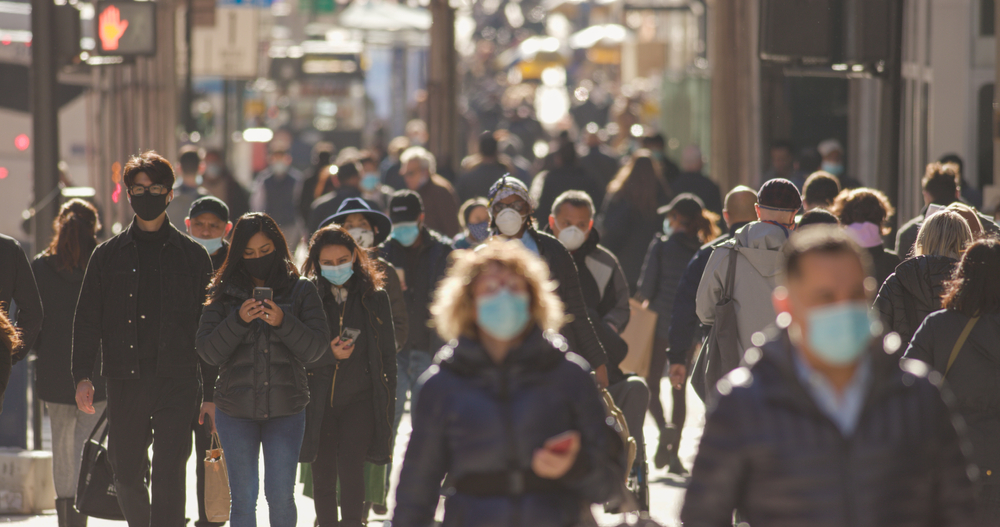
Doctors in Yorkshire, United Kingdom noticed an unusual pattern during the first two years of the pandemic. A disease that had been extremely rare in the region suddenly began appearing at levels that could not be dismissed as chance. Before COVID-19, anti-MDA5 positive dermatomyositis appeared in only a small fraction of tested patients. In 2019, the rate was about 0.4 percent. By 2020, it rose to 2.1 percent, and in 2021 it reached 4.8 percent. Between 2020 and 2022, clinicians identified 60 confirmed cases. This sharp increase lined up closely with COVID-19 surges.
What made this cluster important was its specificity. Other autoimmune markers remained stable. Only anti-MDA5 antibodies increased. If the immune system were simply reacting to stress, you would expect several markers to rise together. The isolated increase pointed toward a targeted biological effect that seemed to follow SARS-CoV-2 infection.
This shift also differed from historical patterns. Anti-MDA5 autoimmunity has been studied mostly in Asian populations, where it has long been associated with severe lung disease. Seeing a clear rise in a predominantly Caucasian region suggested that the virus was activating a pathway that had previously been rare in this demographic. The cases did not mirror the classical presentation seen in Asian patients, which reinforced the idea that genetic background influences how the disease unfolds.
The Yorkshire cluster was the first clear indication that COVID-19 could trigger a form of autoimmunity that behaves differently from both Long COVID and other post-viral conditions. For clinicians, this pattern became an early warning that new respiratory symptoms accompanied by specific rashes after COVID-19 required closer evaluation rather than routine follow-up.
How MIP-C Develops Inside the Body
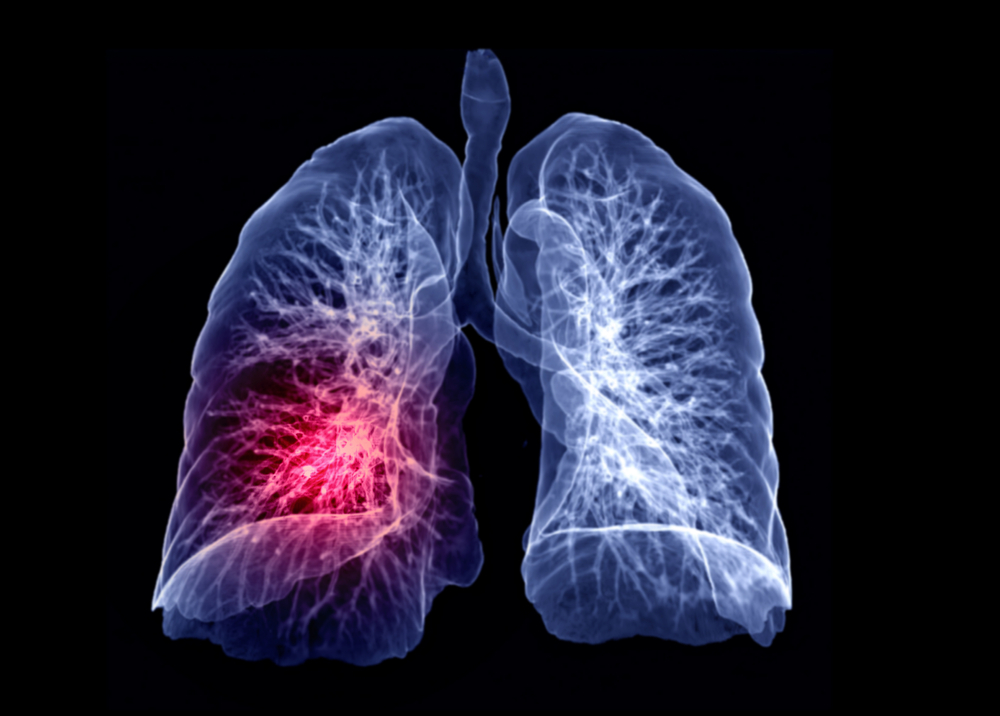
MIP-C stems from an immune response that does not turn off when the infection ends. The process begins with MDA5, a protein inside cells that detects viral RNA. During an active SARS-CoV-2 infection, MDA5 helps the body produce Type I interferons, which are antiviral molecules. This response is normal and expected.
The problem starts when the infection resolves. In MIP-C, pieces of damaged cells release MDA5 into the space outside the cell. These MDA5 fragments can still contain traces of viral RNA. The immune system can interpret these fragments as an ongoing viral threat. At the same time, parts of the virus resemble parts of the MDA5 protein, creating a situation known as molecular mimicry. The immune system begins producing antibodies against MDA5, believing it is still fighting the infection.
This creates a harmful cycle. The immune system continues to release interferons even though the virus is gone. These interferons activate more immune cells, which then attack tissues that contain MDA5. The lungs and the skin become the main targets. In the lungs, this process leads to inflammation and scarring in the interstitium, the thin tissue surrounding the air sacs. This can progress quickly and severely, sometimes causing irreversible fibrosis within weeks.
In many patients, this autoimmune process unfolds rapidly, which separates MIP-C from typical post-viral syndromes. While Long COVID symptoms tend to fluctuate and evolve slowly, MIP-C produces clear signs of lung decline such as sudden breathlessness and new rashes on the hands. Without fast recognition and treatment, the ongoing immune attack can cause damage that no therapy can reverse.
Red-Flag Symptoms and How MIP-C Is Diagnosed

Once you understand the internal process, the next question is simpler: what does MIP-C actually look like in real life, and how do doctors confirm it?
The main red flags usually appear within weeks after a COVID-19 infection, even if the initial illness was mild. Warning signs can include:
- New or rapidly worsening shortness of breath
- A dry cough that escalates quickly
- Distinctive skin changes on the hands, such as scaly bumps over the finger joints or red, irritated knuckles
- Marked fatigue or muscle weakness, especially in the shoulders and hips
This pattern differs from Long COVID, which tends to cause fluctuating fatigue, brain fog, and exercise intolerance rather than rapidly declining lung function.
Diagnosing MIP-C requires targeted testing, not just routine labs. Key steps include:
- Serologic testing for anti-MDA5 antibodies, which confirms that the immune system is targeting the MDA5 protein
- High-resolution CT (HRCT) of the chest, which often reveals ground glass opacities and early interstitial changes
- Specialist evaluation by rheumatology and pulmonology to rule out other causes of lung inflammation
Standard markers like creatine kinase can remain normal, so a “normal muscle test” does not exclude MIP-C. The combination of post-COVID timing, specific rashes, rapid breathing problems, and anti-MDA5 positivity is what defines the syndrome. Recognizing this pattern early is what gives patients a chance to receive treatment before lung scarring becomes permanent.
Current Treatment Strategies and Why Early Action Matters

Once MIP-C is identified, the treatment approach must move quickly. The condition can lead to permanent lung scarring in a short period of time, so physicians rely on a strategy often referred to as intensive or upfront combination therapy. The goal is to stop the autoimmune attack before the damage becomes fixed.
The most common protocol uses three medications at the same time. High dose glucocorticoids are used to calm the widespread inflammation. Calcineurin inhibitors such as tacrolimus reduce T cell activity, which plays a central part in the autoimmune process. Cyclophosphamide is added to suppress the immune cells that drive lung inflammation and fibrosis. This combination has shown better outcomes than slower or single drug approaches.
If patients do not respond to the initial regimen, doctors may turn to targeted treatments that interrupt specific immune pathways. JAK inhibitors interfere with the interferon signaling that is often overactive in MIP-C. Rituximab lowers the number of B cells that produce anti-MDA5 antibodies. These therapies are used when the standard regimen is not enough or when lung disease continues to progress.
Supportive care also matters. Patients often require close monitoring, oxygen support, and guidance from specialists who can track changes in lung function. Respiratory decline can happen quietly in the early stages, which makes follow-up imaging and clinical evaluations important even when symptoms appear stable.
Treatment success often depends on how early MIP-C is recognized. Once scarring forms in the interstitium, the damaged areas cannot return to normal. This reality is one reason clinicians emphasize early testing for anti-MDA5 antibodies in patients who show sudden respiratory symptoms or characteristic rashes after a COVID-19 infection.
Simple Ways to Stay Alert After COVID-19

Most people recover from COVID-19 without serious complications, but it helps to stay tuned in to your body for a few weeks afterward. You do not need to obsess over every symptom, just stay practical and observant.
- Watch your breathing: If walking across a room, climbing a single flight of stairs, or doing basic tasks suddenly feels harder than before, do not brush it off. New or rapidly worsening shortness of breath needs medical attention, especially if it appears within two months of infection.
- Check your hands and skin: During routine activities like washing your hands or using lotion, take a quick look at your knuckles and fingers. New red, scaly bumps over the joints, or rashes that do not match your usual patterns, are worth mentioning to a doctor.
- Keep a brief symptom log: You do not need a detailed spreadsheet. A few lines in your phone or notebook with dates and key symptoms is enough. This helps your clinician see trends, such as a steady decline in stamina or new cough that will not settle.
- Trust your sense that “something is off”: If you feel clearly different from your usual self and symptoms are escalating instead of slowly improving, push for a proper evaluation. It is reasonable to ask whether further testing, including lung imaging or autoimmune labs, is appropriate for your situation.
These steps are not about living in fear. They are about giving yourself a practical way to catch serious problems early, while treatment options are still on the table.
When to Seek Help After COVID-19
MIP-C is uncommon, but it demonstrates how the immune system can react unpredictably after COVID-19. Most people will never face this condition, yet it is still useful to recognize symptoms that fall outside normal recovery. Fast-changing breathing issues, unusual rashes on the hands, or a sudden decline in stamina deserve timely evaluation rather than assumptions about Long COVID or post-viral fatigue.
This is not a call for fear. It is a call for practical awareness. If something feels clearly different or symptoms escalate instead of improving, reach out to a clinician and ask whether additional testing is appropriate. Early attention gives patients the strongest chance of preventing long term lung damage and supports a safer, more confident recovery.
Source:
- Brion, K., Phillips, M., & La Cava, A. (2024). MIP-C: A new autoimmune rheumatic disease concomitant with the COVID-19 pandemic. Rheumatology and Immunology Research, 5(3), 133–135. https://doi.org/10.2478/rir-2024-0018