
Your cart is currently empty!
Scientists Say City Raccoons Are Evolving To Act More Like Pets
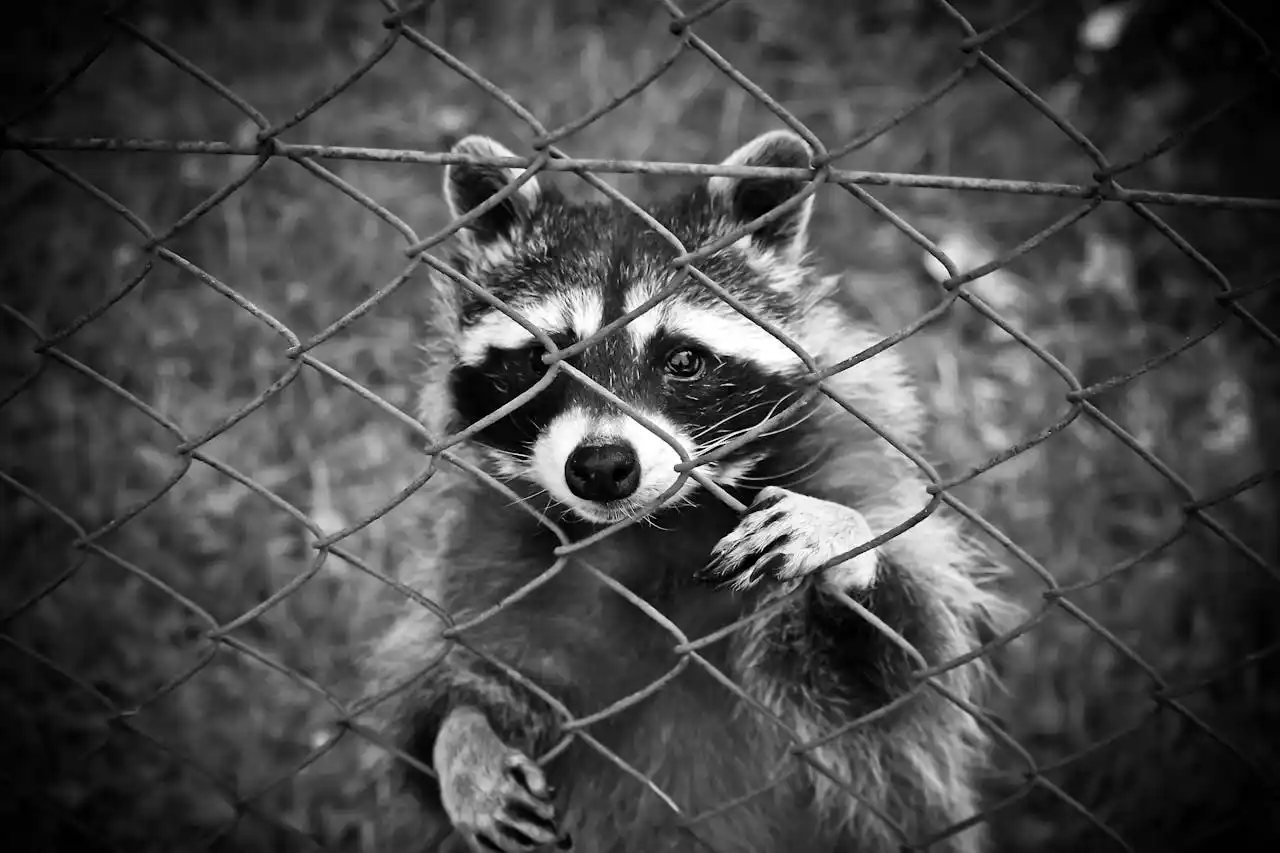
Urban wildlife has long managed to surprise us, but few species have captured public fascination like raccoons. These clever, wide eyed scavengers are known for raiding bins, sneaking through alleys, and wearing that unmistakable bandit mask. Scientists are now discovering something even more surprising than their nighttime antics. City raccoons may be undergoing physical and behavioral changes that resemble early stages of domestication, suggesting that their close proximity to humans is reshaping their evolution in unexpected ways. This possibility has sparked a wave of curiosity among researchers who hope to understand how urban environments push wild species toward new traits that allow them to thrive.
Contents
show
As scientists study how raccoons interact with city landscapes, a clearer picture is beginning to form. Urban living offers conditions that reward animals that are calmer, more tolerant, and more adaptable to a human shaped environment. If raccoons are genuinely shifting in this direction, we may be observing the earliest steps of a natural transformation taking place right alongside us. At first glance, the idea may seem humorous, but it carries real implications for wildlife biology, ecological relationships, and the future of coexistence between humans and animals.
The Study That Sparked New Curiosity
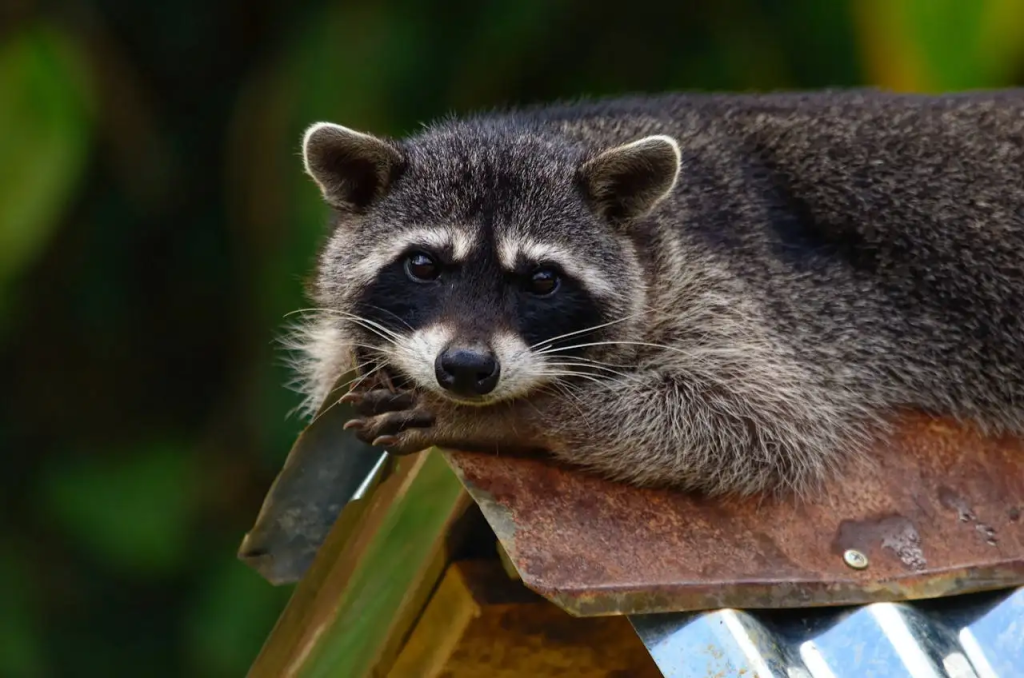
Researchers from the University of Arkansas at Little Rock examined thousands of images of North American raccoons taken between 2000 and 2024. Their analysis revealed that raccoons living in cities had snouts that were 3.56 percent shorter than those in rural areas. This small but statistically meaningful change indicated that something more systematic might be happening to urban populations. According to the research team, these shifts resemble early signs of domestication syndrome, a well-known pattern that emerges when animals adapt to living near people.
Dr Raffaela Lesch, the study’s lead author, explained the motivation behind the project by saying, “I wanted to know if living in a city environment would kickstart domestication processes in animals that are currently not domesticated.” She also added, “Would raccoons be on the pathway to domestication just by hanging out in close proximity to humans?” These questions guided the team’s exploration of how physical traits can begin to shift when animals live among dense human activity. A shorter snout is significant because domestication syndrome commonly includes changes such as smaller teeth, varied fur patterns, reduced aggression, and gradual shifts in brain development.
By comparing the measurements across large time frames and regions, researchers found enough consistency to take the results seriously. While raccoons have not yet developed the full suite of traits associated with domesticated animals, the observed snout changes may represent a starting point. Scientists plan to continue documenting these differences over time to determine whether they grow stronger across generations. Early physical changes often appear before behavioral ones, so there is interest in understanding what future patterns might emerge.
How Urban Environments Influence Raccoon Adaptation
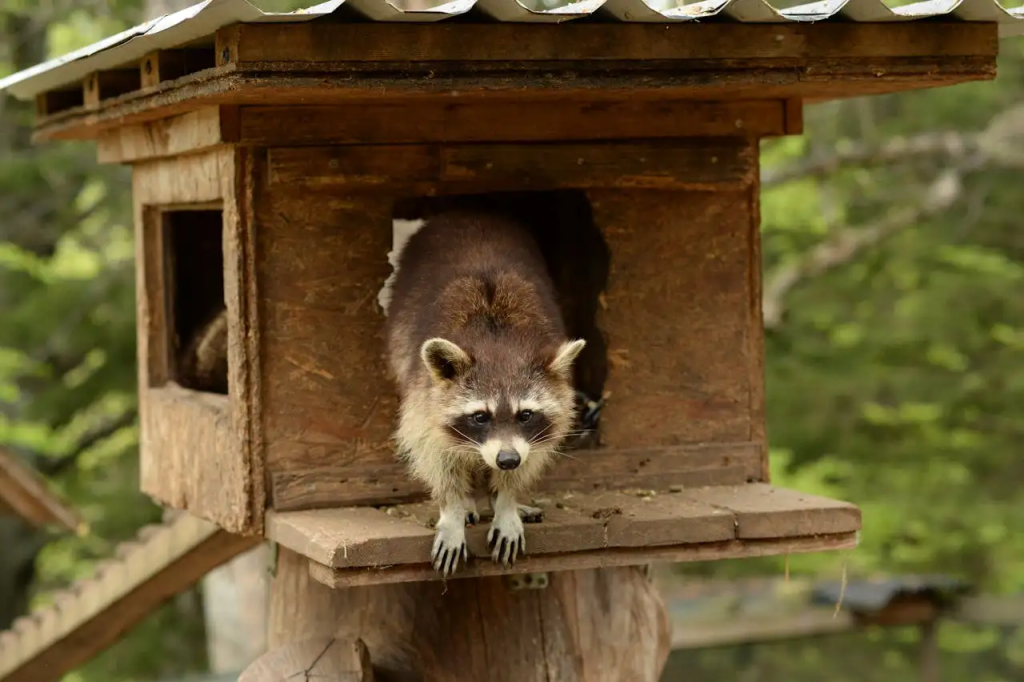
Urban areas present an entirely different ecological stage compared with forests or rural landscapes. These environments include reduced predator presence, constant human noise, artificial lighting, and an abundance of food waste that becomes accessible to any species bold enough to approach it. For raccoons, the absence of animals like wolves or coyotes creates safer conditions that allow them to roam freely and explore without facing the same risks they would encounter in natural settings. This alone can influence which traits become beneficial for survival.
Food access is the most influential factor shaping raccoon behavior in cities. Dr Lesch explained, “Trash is really the kickstarter. Wherever humans go, there is trash. Animals love our trash. It’s an easy source of food. All they have to do is endure our presence, not be aggressive, and then they can feast on anything we throw away.” This steady supply of calories rewards raccoons that stay calm when humans are nearby, which means that quiet tolerance becomes an advantage. Over time, traits supporting patience and reduced aggression may become more common among urban populations.
Generations of raccoons that thrive in cities may continue adapting to noise, bright lights, and unpredictable human movements. Physical changes can follow these behavioral shifts as individuals with certain traits outcompete others. Urban environments evolve quickly, and raccoons may be responding faster than researchers originally expected. As construction, waste practices, and neighborhood layouts change, the selective pressures acting on raccoons may also shift, creating new rounds of adaptation.
Are Raccoons Truly Becoming More Pet Like
The notion that raccoons could eventually resemble domesticated animals may seem whimsical, but the idea is being taken seriously by researchers who study long-term evolutionary change. Although raccoons are not curling up in living rooms or performing the roles of traditional pets, the shortening of their snouts and the possibility of calmer dispositions suggest small steps toward domestication like traits. Cats provide a historical example of self-domestication, having gravitated toward human settlements for food before forming stronger relationships with people.
If raccoons are following a similar path, the shift is not due to intentional human effort. Instead, human created environments naturally reward animals that are better at staying calm near people and using the resources provided by city life. Over many generations, these advantages add up and may contribute to gradual physical and behavioral changes. Dr Lesch reflected on this possibility with humor, saying, “It would be fitting and funny if our next domesticated species was raccoons. I feel like it would be funny if we called the domesticated version of the raccoon the trash panda.” While the suggestion is clearly playful, the underlying point is grounded in zoological patterns seen in other species.
Scientists emphasize that raccoons remain wild animals and that any changes appearing now are small and gradual. These transformations depend on how raccoons continue responding to expanding urban landscapes and how human habits influence their food sources and living spaces. The long term future of these animals will depend on many interacting factors that scientists will need to observe over extended periods.
Urban Wildlife Beyond Raccoons
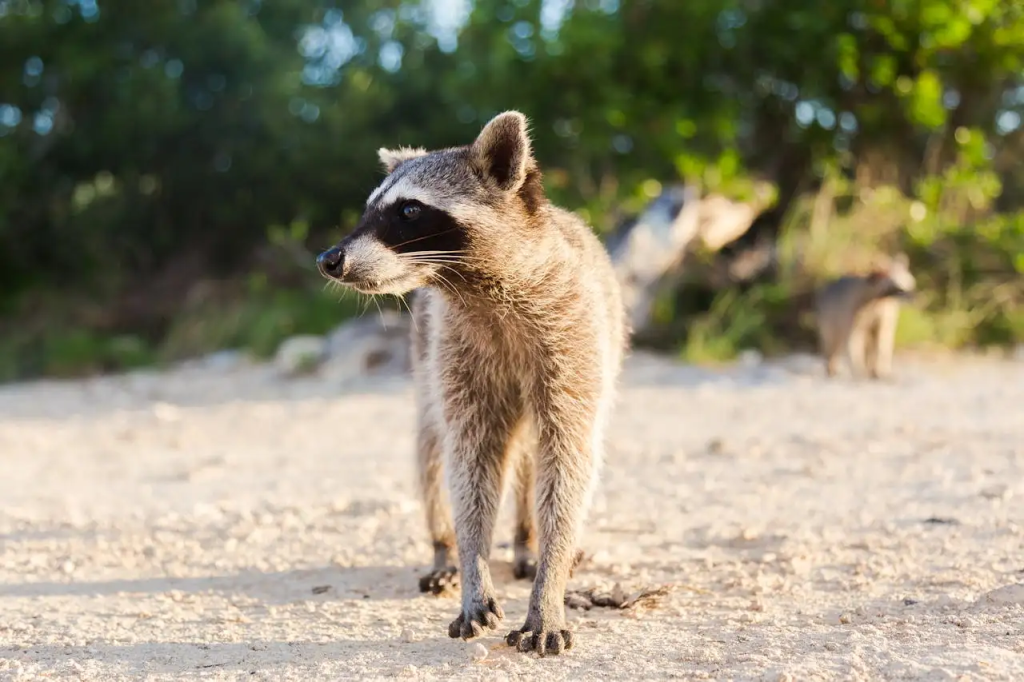
Raccoons are not the only species adapting physically and behaviorally to city environments. Urban foxes have been documented developing longer and thinner snouts that help them maneuver through fences, bins, and tight human built structures. This indicates how city specific pressures shape physical evolution. These foxes often take advantage of the same kinds of food sources and sheltering opportunities as raccoons, showing that urban life influences multiple species in similar ways.
Other animals demonstrate equally meaningful shifts. Rats show immune system differences that vary from one city to another, suggesting that each region acts like its own evolutionary island. Pigeons have adapted to human-based diets that alter their digestive systems over time. Coyotes in several metropolitan areas have shown greater curiosity and reduced avoidance behaviors as they become more familiar with living near humans. These examples contribute to a growing understanding of how cityscapes reshape wildlife.
Researchers studying these trends believe that urban evolution may be accelerating due to rapid development and constant environmental change. As species adapt to new conditions, their relationships with humans may shift in ways that require thoughtful approaches to conservation. Communities may need to consider how construction, green spaces, and waste policies influence the future of these urban-adapted species.
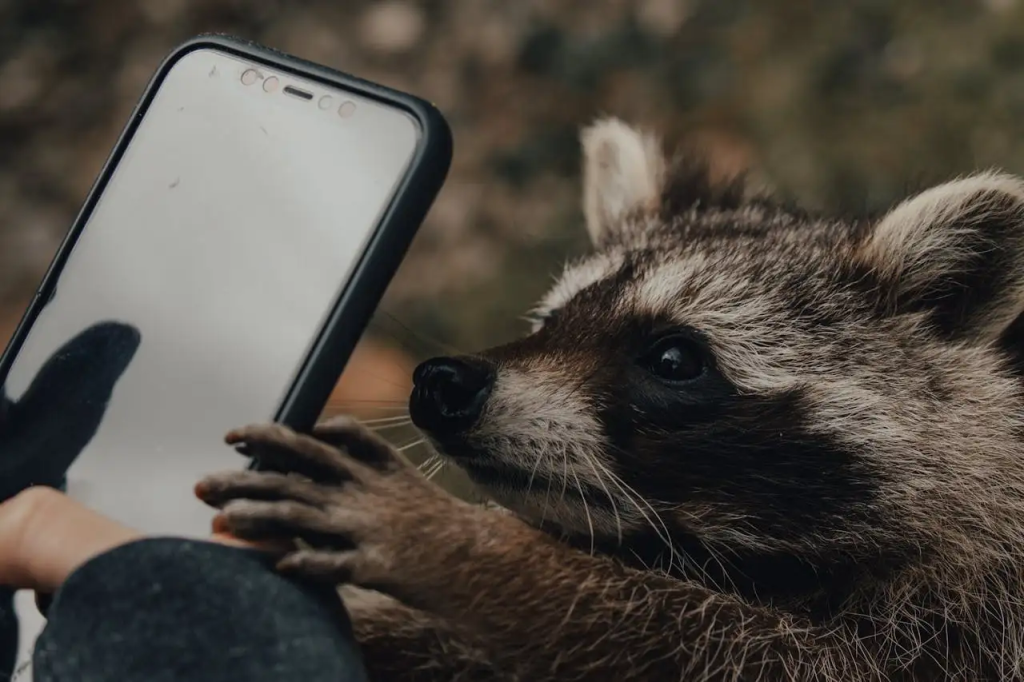
What Human Raccoon Coexistence Means For The Future
The ongoing adaptation of raccoons raises important questions about how humans interact with wildlife in city settings. If raccoons continue to become more tolerant and less aggressive, urban life could experience fewer negative encounters. These shifts may reduce conflict and make it easier for communities to coexist with animals that share their spaces. Calm raccoons may become more predictable, which could lead to safer interactions for both humans and wildlife.
There are potential downsides to consider. Animals that rely heavily on human waste may develop a dependency that limits their ability to survive in natural environments. As raccoons grow more comfortable around people, boundaries that once kept wildlife at a safe distance may fade, increasing the likelihood of interactions that are not always healthy. Evolution in urban ecosystems can be beneficial but may also produce challenges that require careful management.
Ethical considerations also arise as humans reflect on their influence over wildlife. Some argue that since raccoons are changing due to human created conditions, communities should take responsibility for managing waste and reducing unintentional support of wildlife dependence. Others see these changes as a natural progression of modern ecological systems where species adapt to whatever environments they encounter. Regardless of perspective, the situation encourages greater awareness of how daily human habits shape surrounding ecosystems.
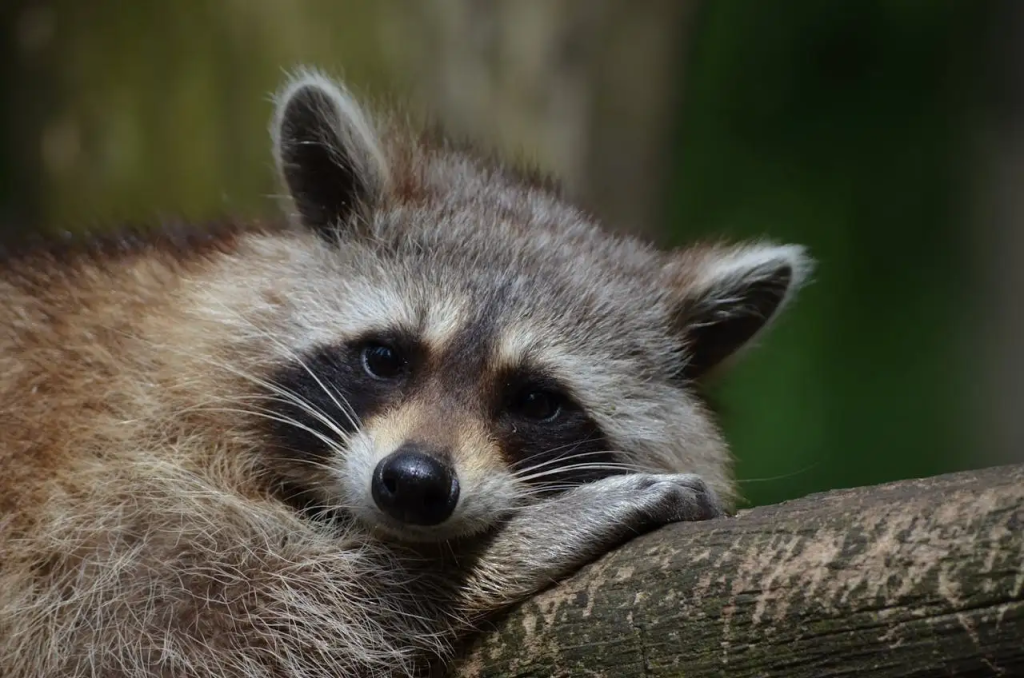
At The Rise Of The Urban Trash Panda
The evolution of shorter snouts and quieter temperaments in raccoons provides a fascinating look at how wildlife responds to human dominated landscapes. Their ability to thrive in cities demonstrates remarkable adaptability and highlights the surprising ways species adjust to unfamiliar conditions. At the same time, observing these changes encourages individuals to reflect on the environmental impact of ordinary routines such as waste disposal and neighborhood design.
If these adaptations continue, future generations may encounter raccoons that differ noticeably from those in rural areas. Whether they eventually form a semi domesticated lineage or simply remain clever scavengers with slight physiological differences, their evolution will continue to offer scientists valuable insights.