
Your cart is currently empty!
The Tragic Downfall of the Russian Bodybuilder Who Risked Everything for Bigger Arms
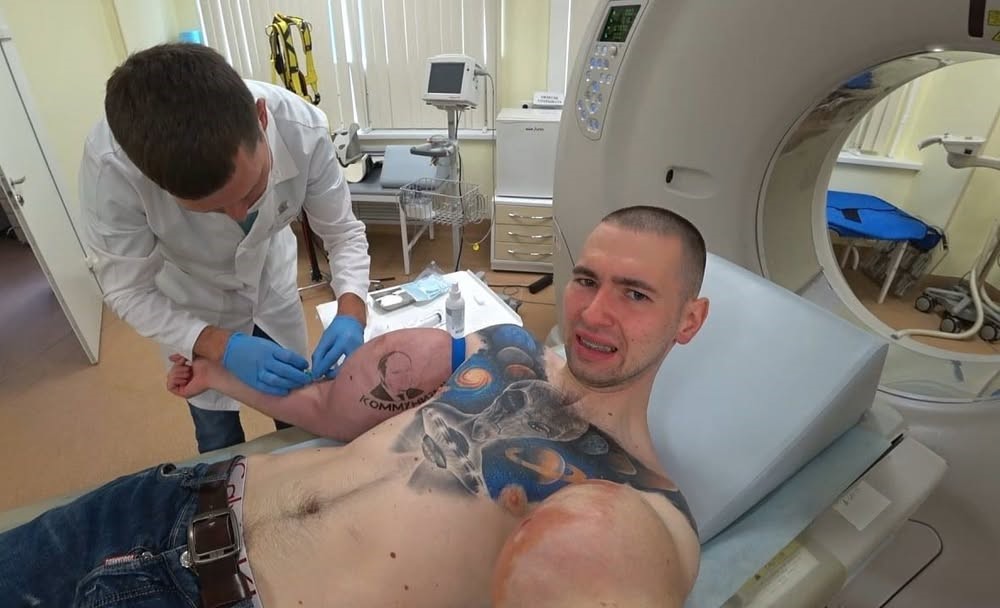
Kirill Tereshin first went viral years ago when images of his swollen biceps began circulating online. Nicknamed Russian Popeye for the extraordinary size of his arms, he became a strange kind of internet spectacle. Many people watched with curiosity, while others expressed shock and concern. His extreme appearance stemmed from self administered injections of petroleum jelly into his biceps, which he believed would help him stand out.
Contents
show
According to reporting from New York Post, his decision has now placed him at severe risk of double arm amputation. Medical professionals warn that the substance he injected has caused significant tissue damage and is an ongoing threat of infection. As the internet revisits his story, many are reflecting on the consequences that come from dangerous body modification trends.
This article explores his current health emergency, which led to the crisis and the broader lessons around body image, medical misinformation, and online fame. It takes a closer look at the pressures that drive individuals toward extreme measures and what we can learn from this viral case.
A Story That Shocked the Internet
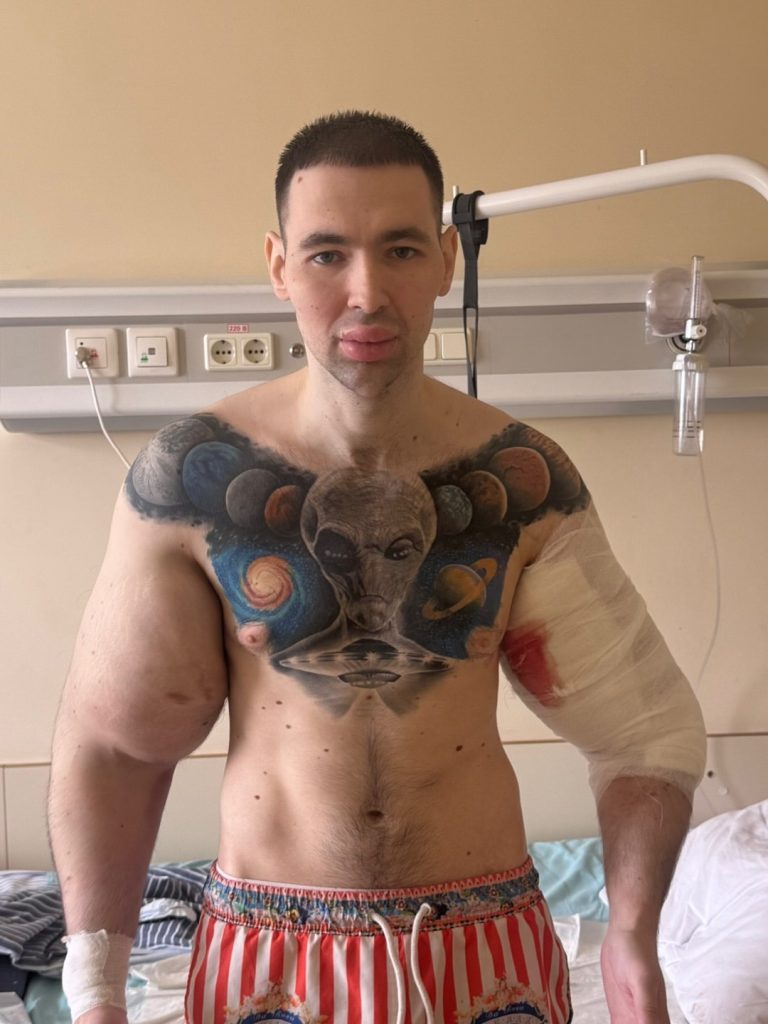
Kirill Tereshin became widely known when he began posting photos of his enlarged biceps online. The shape of his arms quickly drew attention because they were unnaturally rounded and extremely inflated. He started injecting petroleum jelly into his arms years ago in an attempt to appear more muscular. Instead of building strength through training, he opted for an unregulated substance that has no medical use for muscle enhancement.
The unusual size of his arms made him an internet personality. Videos, interviews and social media posts kept his name circulating. Many followers viewed him as an example of the lengths some people go to in pursuit of physical transformation. His rise to viral fame was driven not by athletic accomplishment but by the bizarre consequences of his injections.
According to the New York Post, he continued injections even after early warnings from medical professionals. Despite signs of swelling, pain, and abnormal changes in the skin, he persisted. This desire to maintain his online identity as Russian Popeye overshadowed the growing health concerns expressed by both doctors and fans.
Doctors repeatedly urged him to stop and seek proper treatment. Unfortunately, he delayed medical intervention, which has now placed him at significant risk. His condition shows how internet fame can sometimes encourage unhealthy behaviours that escalate into emergencies.
The Medical Crisis He Faces Now
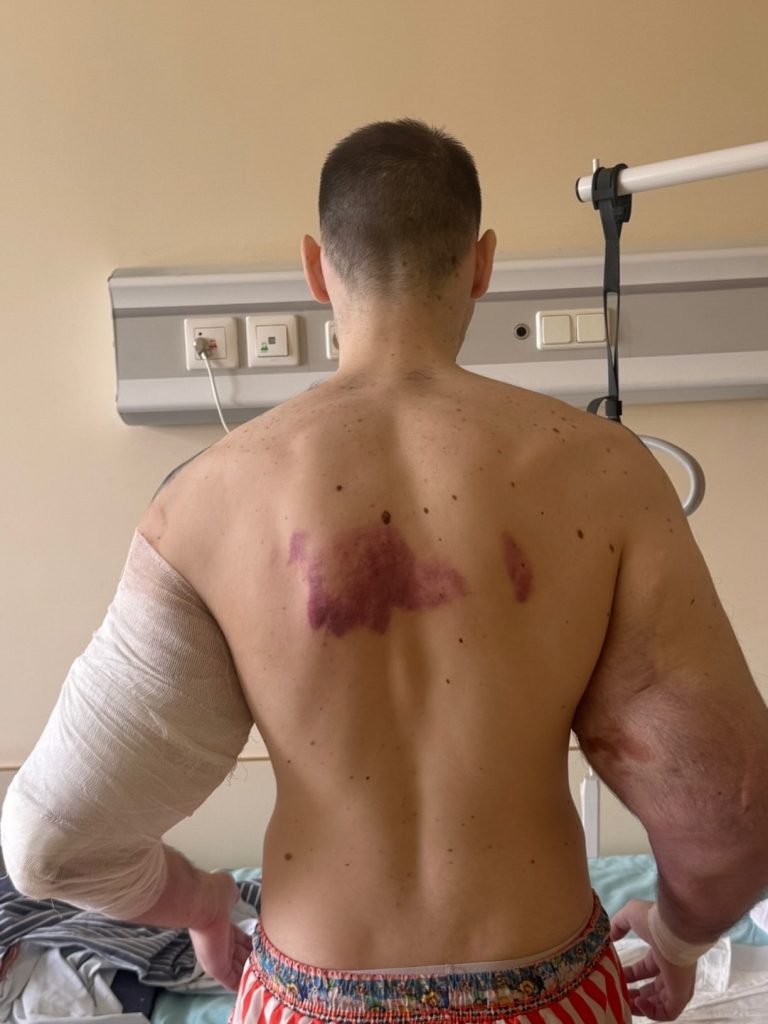
Tereshin is currently facing the possibility of losing both arms. Medical experts have explained that petroleum jelly can cause severe necrosis. This means that the tissue in his arms is dying because the substance blocks blood flow and traps bacteria beneath the skin. Over time, this creates infections that grow increasingly difficult to treat.
Reports from the New York Post describe how doctors have warned that the infected areas may spread if not addressed quickly. The internal damage is far greater than what is visible from the outside. Layers of muscle and skin have been compromised. Without proper circulation, the arms cannot heal themselves. This is why amputation is now being considered a potential life saving intervention.
LADbible highlighted that Tereshin has undergone multiple procedures over the years, but the damage has continued. Even after attempts to drain the injected material, doctors were unable to remove all of it. What remains keeps infecting surrounding tissues, which puts him in a constant medical emergency.
The frightening part is that petroleum jelly does not break down in the body. It stays where it was injected and creates long-term complications. As a result, the longer it remains, the more irreversible the damage becomes. This situation emphasizes the danger of using non-medical substances for cosmetic purposes.
Why He Injected His Arms in the First Place
Kirill began injecting petroleum jelly into his biceps because he wanted a dramatic change in his appearance. He believed bigger arms would help him stand out in the world of bodybuilding and mixed martial arts. Rather than going through extensive training, he looked for a shortcut that would deliver immediate visual results.
His pursuit of extreme musculature reflects pressures many people feel in the fitness community. There is a constant push to achieve bigger, stronger, and more noticeable physiques. When combined with social media culture, this pressure intensifies. People begin comparing themselves to digitally enhanced images, influencers, and others who appear to have unrealistic bodies.
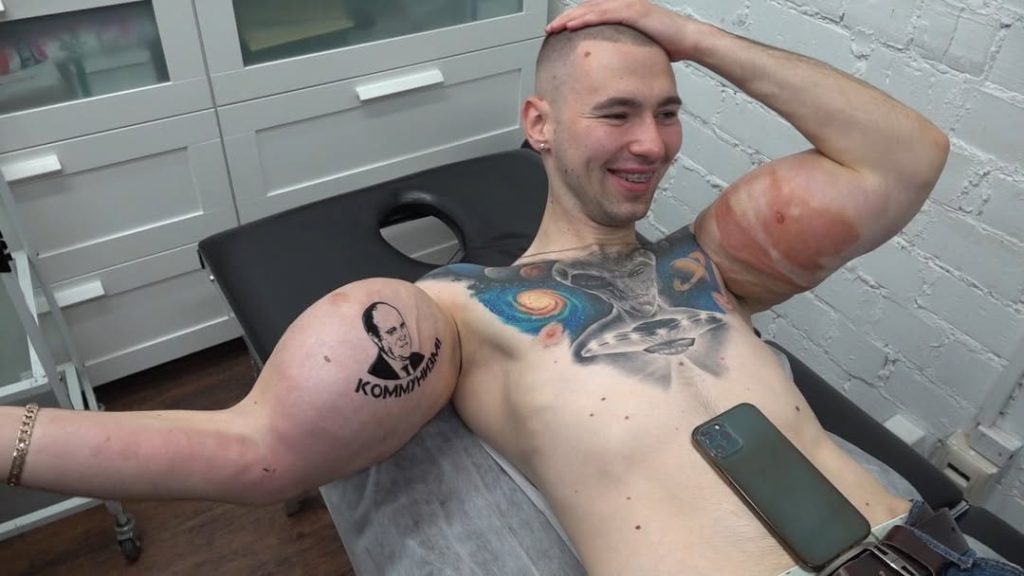
Tereshin was motivated not only by aesthetics but also by the attention he received online. The comments, likes, and shares encouraged him to continue the injections despite warnings. Online validation became a driving force in his decision-making process.
He later admitted the injections were a mistake but that he struggled with the consequences long after stopping. This speaks to a broader lesson about the long-lasting effects of impulsive choices, especially when they involve health and self-image.
The Growing Trend of Extreme Body Modification
Cases like Tereshin are rare, but they highlight a growing concern about extreme body modification. Around the world, people are experimenting with methods that promise fast results. These include unapproved fillers, illegal bodybuilding substances, and cosmetic procedures performed outside medical environments.
India Today noted that many of these practices are promoted through social media. Influencers sometimes share risky methods without discussing the dangers. This creates a distorted sense of what is safe. When viewers see dramatic transformations, they may feel tempted to try similar shortcuts.
The New York Post referenced other instances where people have used unregulated fillers in their lips, faces or muscles. These cases often lead to infections, scarring or long term damage. The outcomes are frequently worse than the problems individuals were trying to address in the first place.
Medical professionals are increasingly warning young people about the risks of DIY enhancements. The desire for bigger muscles or more dramatic appearances can push individuals into experimenting with substances that were never meant for the human body.
This trend raises important questions about how society views physical appearance. Many people feel pressured to conform to certain aesthetic standards. As a result, they may resort to extreme or hazardous procedures that compromise their wellbeing.
What Doctors Want People to Understand
Medical experts have been vocal in addressing Tereshins condition. They emphasize that petroleum jelly is not meant to be injected under any circumstances. Doctors were shocked by the amount of material in his arms and the severity of the resulting damage.
Physicians warn that the body reacts aggressively to foreign substances. When a material like petroleum jelly is injected, it creates pockets where bacteria thrive. This leads to infections that spread quickly, especially when they go untreated.
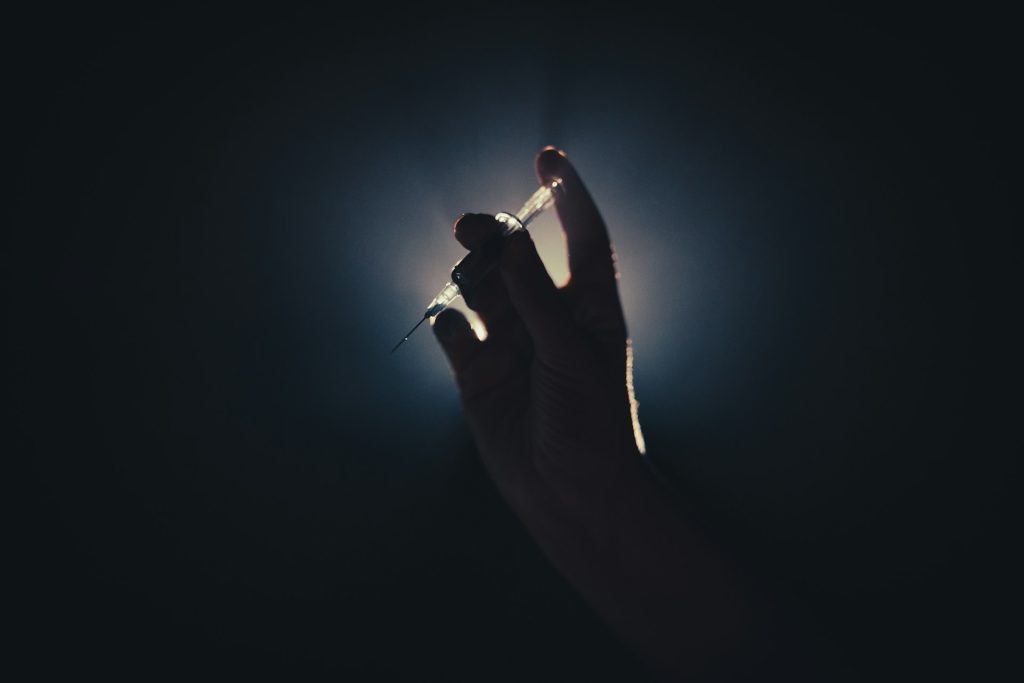
Doctors are now working to prevent the infection from entering his bloodstream. If it spreads, it could lead to a life-threatening condition known as sepsis. Preventing this requires close monitoring of antibiotics and potentially surgical removal of damaged tissue.
Doctors want the public to understand the importance of seeking help early. In many cases, people delay treatment because they fear judgment or want to maintain a certain appearance. However, early intervention is crucial and can often prevent severe outcomes like amputation.
Lessons From the Russian Popeye Case
Kirill Tereshin’s situation offers valuable lessons for anyone who feels pressured to alter their body. His story is a reminder that shortcuts rarely lead to healthy or sustainable results. While his arms may have attracted attention, the long term consequences have proven far more devastating than he could have anticipated.
The desire for online validation can push individuals toward dangerous decisions. When people begin viewing likes and comments as measures of self worth they may take risks that compromise their safety. This story underscores the need for healthier relationships with social media.
Another important lesson is that medical misinformation spreads quickly. Many people are not aware of the dangers of unregulated injections. They rely on anecdotes instead of expert advice. Tereshins case shows why consulting professionals is essential, especially when it concerns health.
Most importantly, his situation reminds us of the value of body positivity and acceptance. A strong, healthy body is more important than one that simply looks dramatic. Building strength takes time, patience and proper guidance. Quick fixes often lead to long-term harm.
Final Reflections on a Preventable Tragedy
Kirill Tereshins journey from viral sensation to medical emergency is a sobering example of how extreme body modification can go tragically wrong. His experience illustrates the dangers of injecting substances that were never meant for human tissue and the consequences of prioritizing appearance over wellbeing. As reported by India Today, New York Post, and LADbible, doctors fear that amputation may be the only option left to save his life.
His story represents a wider cultural issue driven by social media pressure, unrealistic standards and the pursuit of instant results. It challenges us to reflect on what truly matters. Health should always come first. For anyone struggling with body image or feeling compelled to alter their appearance through risky shortcuts, Tereshin’s crisis serves as a reminder to seek safe evidence-based alternatives.
His experience also highlights the importance of accessible education around fitness, wellness and cosmetic procedures. Many individuals who turn to extreme measures do so because they lack reliable guidance or feel overwhelmed by the unrealistic physical ideals portrayed online. When society emphasizes authentic health and encourages transparent discussion about risks, fewer people may feel pushed toward harmful shortcuts. This case serves as a powerful reminder that real strength is found not in appearance but in informed choices and long-term self-care.
Featured Image Credit: @ruki_bazuki_official / Instagram