
Your cart is currently empty!
Montana Fossil Reveals Mosquito That Fed On Unknown Ancient Animal
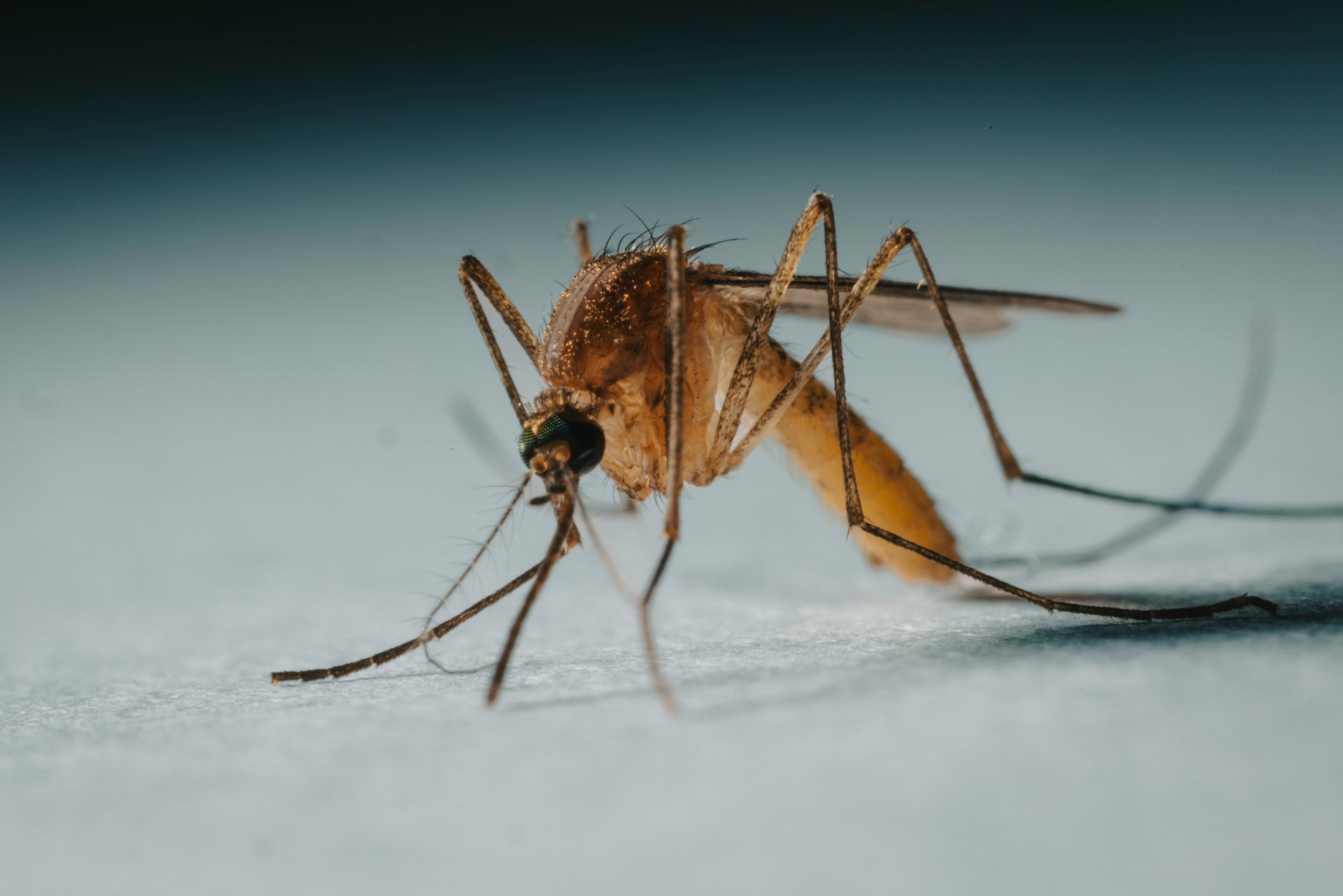
The discovery of a fossil can be a window into the past, but every once in a while, a find emerges that does far more than expand scientific records. It ignites imagination. It challenges assumptions. It invites us to wonder what else might still be buried beneath quiet layers of stone. That is exactly what happened when researchers analyzed a fossilized mosquito uncovered in Montana. Tests revealed that the tiny insect preserved for roughly 46 million years still carried the blood of an unidentified ancient creature. The story has an air of science fiction, yet the scientific community has confirmed it with careful analysis.
Contents
show
This remarkable fossil was examined in detail by researchers who reported their findings in publications referenced by Smithsonian Magazine and NBC News. Their work showed that the mosquito’s abdomen retained organic compounds associated with blood meals, a discovery that had long been considered nearly impossible. Fossilized insects trapped in amber are common enough to be familiar to most people, but a fossilized mosquito preserved in stone while still engorged with blood is a scientific rarity.
While the findings do not point to resurrecting ancient beasts, they do offer a rare chance to understand ecosystems that existed tens of millions of years ago. The blood may never yield DNA, but it provides important biochemical clues. It also opens the door to new questions about how delicate biological material can survive through deep time.
This discovery blends scientific rigor with a sense of wonder. It invites readers and researchers alike to marvel at the fact that an insect no larger than a fingertip managed to preserve a trace of life from an age long vanished.
A Fossil Unlike Any Other
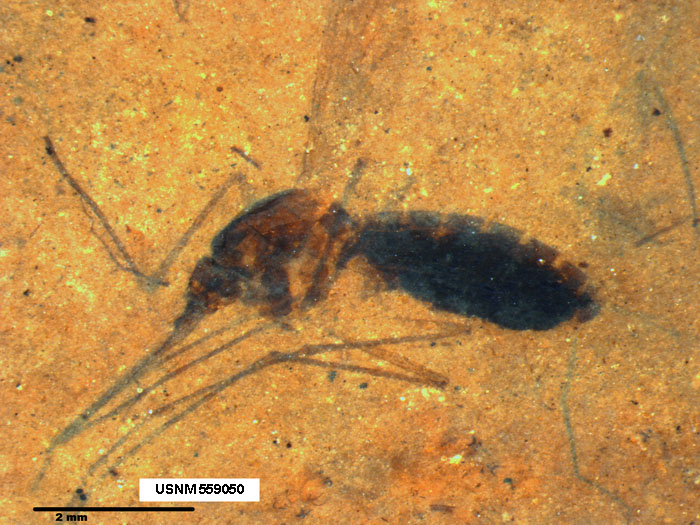
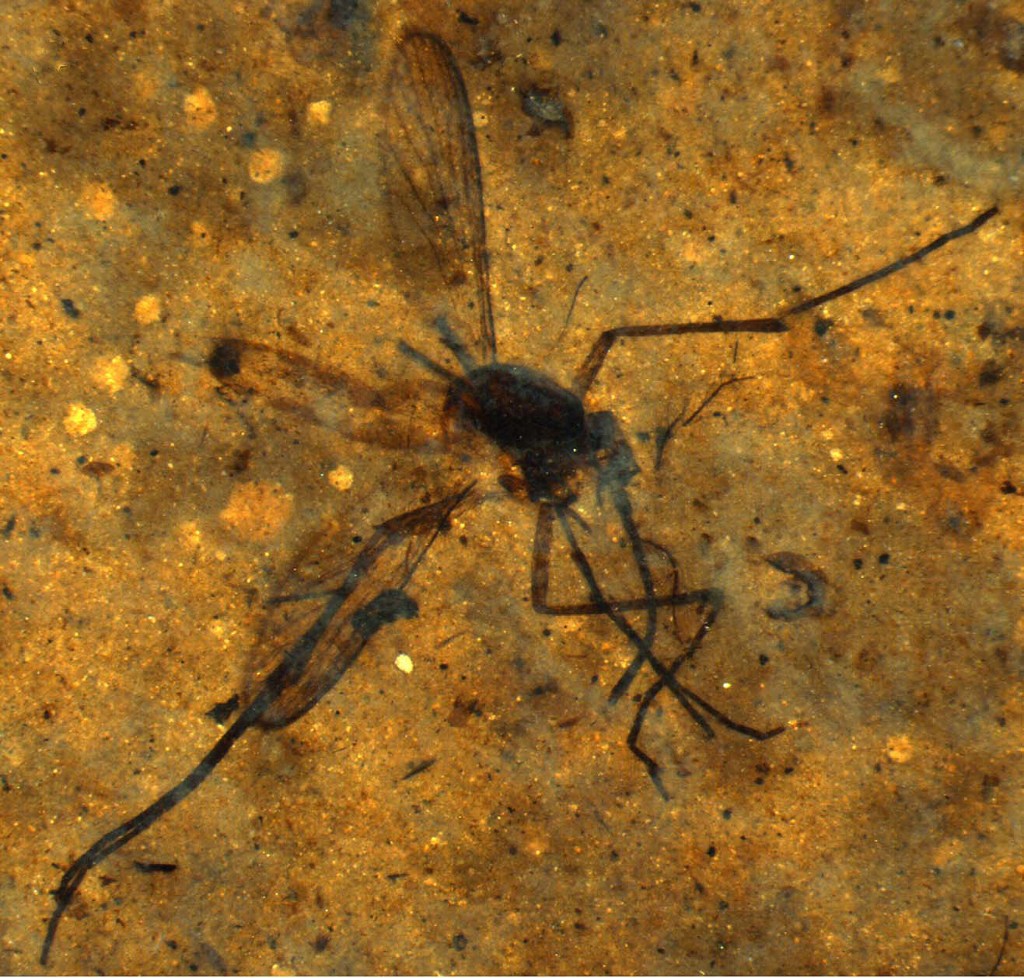
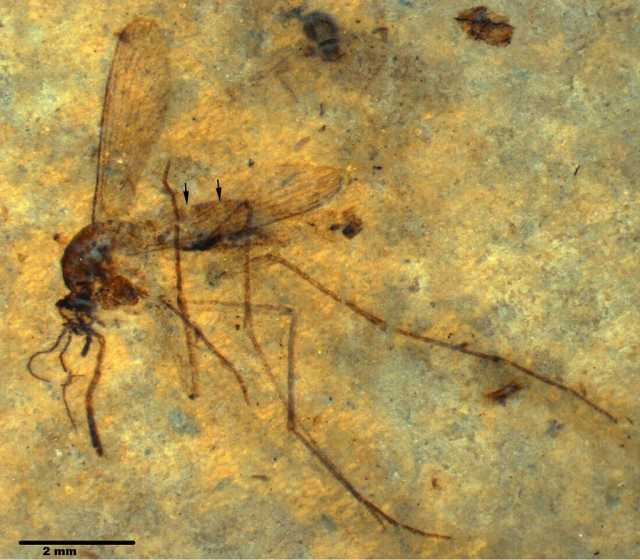
The fossilized mosquito was first described by scientists who examined specimens from the Kishenehn Formation. The mosquito was encased in shale sediments that once bordered an ancient lake. Its preservation is astonishing because soft-bodied insects rarely fossilize before their bodies decay or are consumed by other organisms.
Through meticulous interpretation, researchers determined that the mosquito’s abdomen maintained chemical signatures associated with hemoglobin. This observation was achieved with advanced instruments that allowed analysts to identify iron-containing molecules, evidence that the insect had fed shortly before its demise. It did not take long for experts to realize they were looking at something extraordinary, something that had eluded paleontologists for decades.
The rarity of such a find stems from the fragile nature of mosquitoes. Once they die, their delicate bodies collapse and their tissues degrade rapidly. Fossilized remains usually capture hard structures such as wings or legs, yet this particular insect was preserved in astonishing detail. The abdomen remained intact, a clear sign that it was protected quickly after death.
NBC News reported that previous attempts to locate blood engorged fossilized mosquitoes had yielded no results. Many believed the odds were too slim for such preservation to occur. This finding challenges that assumption and offers renewed motivation to examine ancient sediments in similar geological settings.
The Science Behind the Blood
Detecting traces of blood in a fossilized mosquito requires more than simple visual analysis. Scientists used mass spectrometry to measure the molecular composition within the fossil. When the readings revealed elevated levels of iron and porphyrins, the team recognized they had detected components commonly found in blood. The discovery was not a matter of guesswork but rather the outcome of rigorous laboratory procedures.
According to details highlighted in reports, porphyrins remain stable enough to survive for millions of years under ideal conditions. Their presence in this mosquito suggests that the fossilization process shielded these molecules from degradation. This raises intriguing questions about the environmental factors that enabled such preservation. Perhaps the sediments of the Kishenehn Formation offer chemical stability that has yet to be fully understood.

The question many people ask is whether DNA could survive within such ancient material. Experts stress that DNA is far more fragile than porphyrins. It breaks down rapidly due to environmental exposure. While the preserved blood indicates remarkable molecular survival, no evidence supports the existence of extractable DNA in this fossil. The researchers emphasized that the finding is scientifically significant without implying any possibility of cloning ancient creatures.
Still, the biochemical information provides a glimpse into what types of vertebrates lived in the region during the Eocene epoch. Even if the blood cannot identify the ancient creature directly, it adds another layer to the puzzle of past ecosystems.
Piecing Together the Ancient Ecosystem
The region where the fossil was discovered showcases a rich geological history. According to NBC News, the Kishenehn Formation has yielded numerous insect fossils. These remains suggest a warm, forested habitat with abundant vegetation and diverse animal life. The fossilized mosquito provides a rare confirmation that blood-feeding insects were active and thriving in this environment.
By studying this fossil, experts can infer details about the behavior of ancient mosquitoes. Their feeding patterns likely resembled those of modern species. This implies the presence of vertebrates that served as hosts. Yet the identity of the species whose blood the mosquito consumed remains hidden. The mystery fuels scientific curiosity and invites new investigations into the fauna of the Eocene epoch.
Researchers suggest that the host could have been a bird or a small mammal. The blood’s chemical signature does not directly reveal species-level information. Instead, it shows that the mosquito was fed shortly before its final moments. This confirms long-standing theories that ancient insects performed similar ecological roles as their modern counterparts.
Understanding what ancient animals lived in Montana during this period requires comparing fossil records from plants, fish and mammals in the same geological formation. Each specimen adds a piece to a much larger ecological picture. The mosquito fossil contributes a blood derived clue that enriches our understanding of food webs that existed 46 million years ago.
Why This Discovery Matters
Finding a fossil preserved with blood is not simply a scientific curiosity. It marks an important milestone in paleontology. The ability to detect molecular traces of blood in stone based fossils expands what scientists can study from deep time. Prior to this discovery, researchers assumed such delicate molecules would never endure. This finding challenges those assumptions and encourages further exploration.
The story has gained public attention because it blends factual discovery with elements that echo popular culture. While the concept of extracting ancient blood stirs the imagination, scientists emphasize that the true value lies in understanding how biological materials persist. Such knowledge could influence future studies in geochemistry and fossil preservation.
From an educational perspective, the discovery presents an opportunity to teach how fossilization works. It also allows students to consider what types of molecules can survive for tens of millions of years. This kind of find pushes the boundaries of what science can analyze and inspires young researchers who dream of uncovering lost worlds.
The mystery behind the unidentified creature adds an element of wonder. Each unanswered question serves as an invitation for future research. Scientists may not be able to reveal the species behind the blood, but they can use the evidence to ask deeper questions about life in ancient North America.
The Continuing Search for Ancient Clues
This discovery has inspired paleontologists to revisit other fossil formations around the world. If one mosquito fossil preserved its blood meal, others may exist. The challenge lies in identifying the right geological conditions. Sediments must bury insects quickly. Chemical environments must shield organic molecules from degradation. These criteria are difficult to meet, yet not impossible, as this fossil demonstrates.
Researchers are now reviewing museum collections to determine whether overlooked specimens may contain preserved biochemical traces. Technology has advanced significantly since many fossils were first cataloged. Modern instruments may detect molecules that were previously invisible to scientific analysis.
There is also growing interest in expanding surveys in formations similar to the Kishenehn. According to updates from NBC News, scientists plan to explore regions with comparable sediment characteristics. Their goal is to assess whether such rare preservation is a localized occurrence or part of a broader pattern.
Each new discovery has the potential to reveal insights about ancient life. The scientific community remains cautious yet optimistic. The fossilized mosquito is a reminder that nature still holds many secrets waiting to be unveiled.
When Small Creatures Reveal Big Secrets
The fossilized mosquito from Montana stands as a testament to the extraordinary capacity of nature to preserve traces of life across unimaginable spans of time. Its blood filled abdomen carries evidence from an ancient world. It bridges the gap between scientific reality and the sense of wonder that often drives discovery.
This finding demonstrates that even the smallest of creatures can hold monumental clues to Earth’s past. It highlights how advancements in technology allow scientists to uncover details once thought forever lost. It also reminds us that science is not only about answers but also about questions that propel us toward new frontiers.
The mystery of the unidentified creature remains unsolved, but its essence lives on in the fossil. Readers are encouraged to embrace both the certainty and the mystery intertwined in scientific exploration. The world is filled with hidden stories, and each new discovery deepens our understanding of life’s complexity.