
Your cart is currently empty!
Southwest Airlines Faces Backlash Over Plus Size Seating Requirement
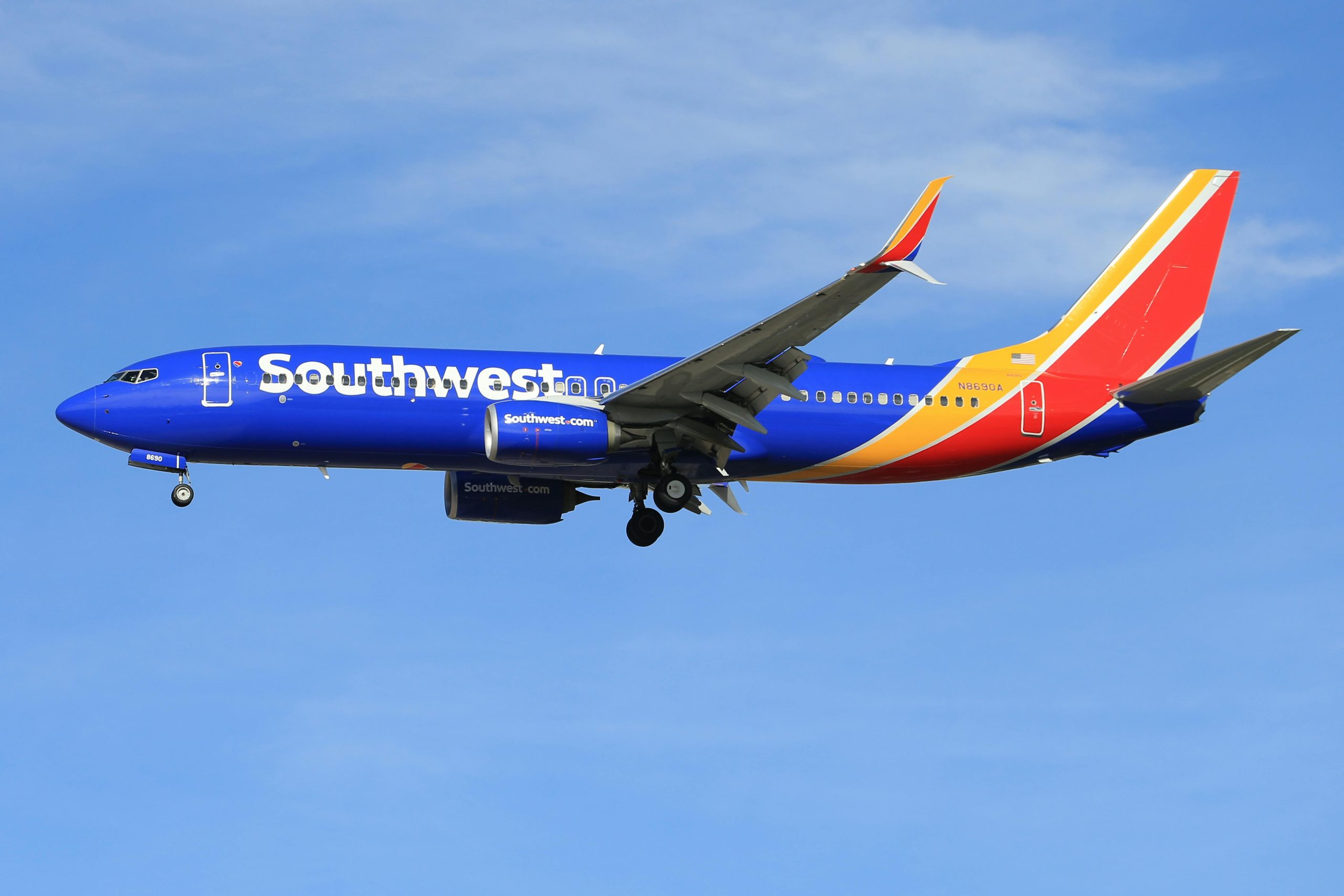
For years, Southwest Airlines stood apart from other U.S. carriers for a policy that many plus size travelers described as humane, practical, and quietly revolutionary. While flying has long been an uncomfortable experience for people whose bodies do not fit neatly into shrinking airplane seats, Southwest offered an alternative that balanced comfort, dignity, and flexibility. That reputation is now being tested.
Contents
show
Beginning January 27, 2026, Southwest will implement a revised policy that requires passengers who cannot sit within a single seat with both armrests lowered to purchase an additional seat in advance. While refunds for the extra seat may still be available, they will no longer be guaranteed. The announcement has sparked widespread discussion, concern, and disappointment among travelers who saw Southwest as one of the last major airlines prioritizing inclusivity over rigid policy.
As the airline prepares to roll out assigned seating for the first time in its history, this change marks a significant shift not only in logistics but in how passengers experience air travel. Here is what the policy change means, why it matters, and how it fits into the broader evolution of Southwest Airlines.
What Southwest’s Customer of Size Policy Used to Represent
Southwest’s Customer of Size policy was widely regarded as one of the most inclusive seating policies in the airline industry. Rather than focusing on weight, measurements, or public scrutiny, the policy relied on a simple and private standard. If a passenger could not sit comfortably in one seat with both armrests lowered without encroaching on another seat, they qualified for additional space.
Passengers had two options. They could purchase a second seat at the time of booking and receive a full refund after completing their flight. Alternatively, they could arrive at the airport and request a complimentary extra seat from a gate agent, provided space was available. In either case, the goal was to ensure safety and comfort for everyone on board.
This approach earned Southwest praise from plus size travelers, disability advocates, and travel experts. It reduced the fear of public embarrassment at the gate, minimized last minute confrontations, and acknowledged a reality that many airlines prefer not to address. Airplane seats have not grown with the population, and for many travelers, fitting into one seat is not just uncomfortable but impossible.
The New Policy Taking Effect January 27, 2026
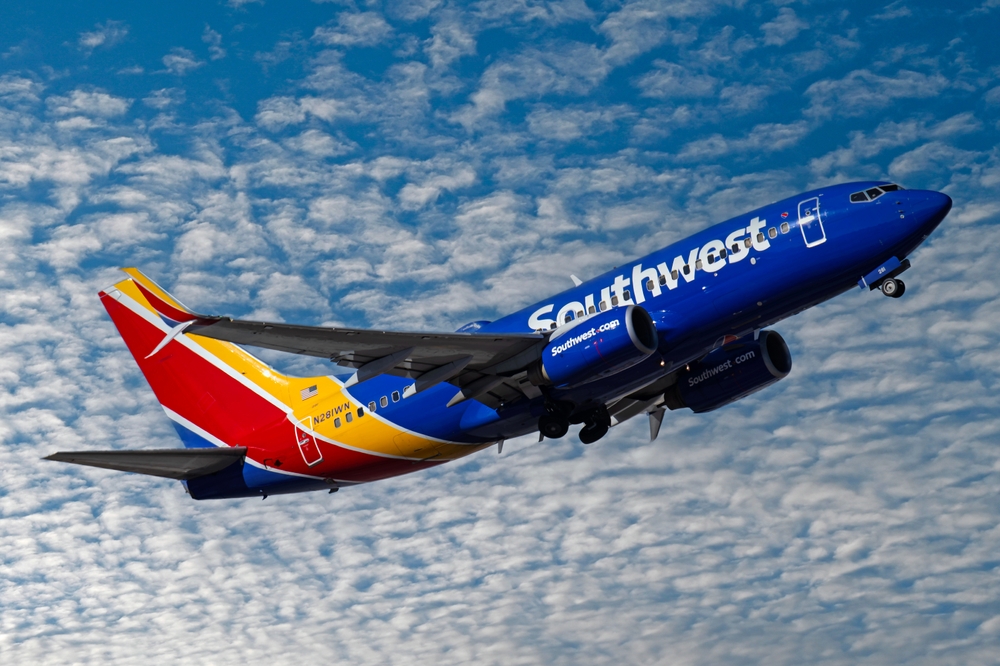
Starting January 27, 2026, Southwest’s approach will change in several key ways. The most significant shift is that passengers who need an extra seat must purchase it in advance. The option to request a free additional seat at the gate will be eliminated.
Under the new policy, refunds for the extra seat will still exist but only if specific conditions are met. The flight must depart with at least one open seat. Both seats must be purchased in the same fare class. The passenger must request the refund within 90 days of travel. If any of these conditions are not met, the passenger will not receive their money back.
If a traveler arrives at the airport without having purchased the extra seat and needs one, they will be required to buy it on the spot. If the flight is full and no adjacent seat is available, Southwest will rebook the passenger onto a later flight where space exists.
The airline has stated that these changes are intended to ensure seat availability and reduce uncertainty as it transitions to assigned seating. According to Southwest, proactive purchasing allows customers to secure the space they need and avoids disruptions at the gate.
Assigned Seating and the End of an Era

The policy update is closely tied to one of the most dramatic shifts in Southwest’s history. For decades, the airline operated under an open seating model that allowed passengers to choose their seats upon boarding. This system became part of the brand’s identity and a major point of differentiation from competitors.
Beginning January 27, 2026, Southwest will move to assigned seating. Passengers will select their seats at booking, similar to most other airlines. While this change may appeal to travelers who prefer certainty, it also introduces new complexities for passengers who require additional space.
Under assigned seating, the ability to request accommodations spontaneously becomes more limited. Seat maps, fare classes, and availability all play a role. For plus size travelers, this means planning ahead is no longer optional. It is mandatory.
Southwest has emphasized that assigned seating will allow customers who need extra space to select adjacent seats during booking. However, if adjacent seats are not available at that time, travelers are advised to contact customer service immediately. This adds another layer of stress to an already challenging experience.
Why Plus Size Travelers Are Concerned
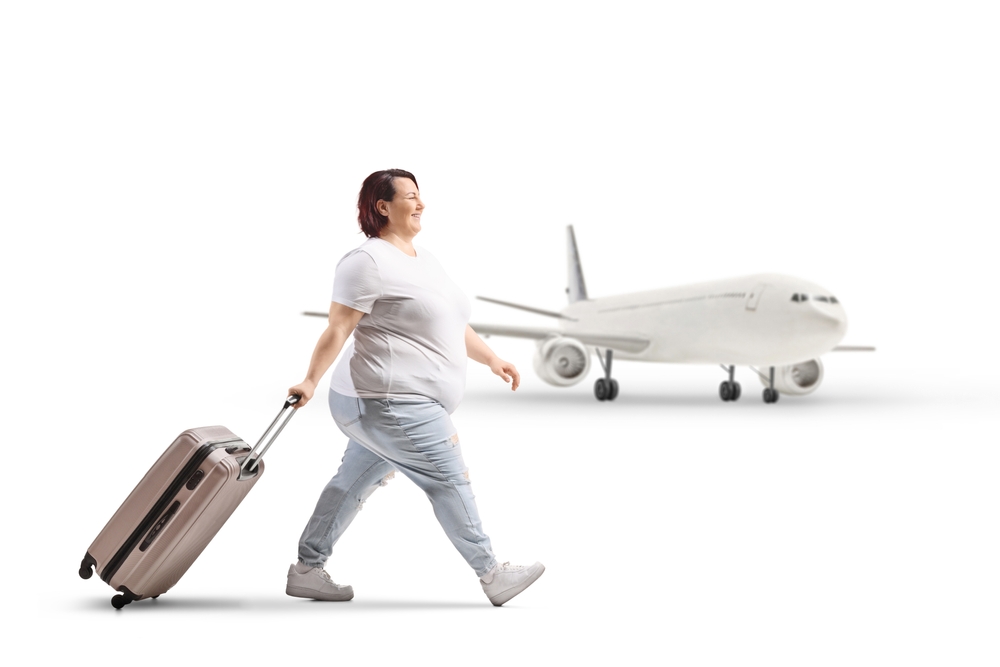
The reaction from plus size travelers has been swift and emotional. Many view the policy change as a step backward after years of progress. The removal of guaranteed refunds is particularly troubling for passengers who already face higher travel costs.
For some, purchasing an extra seat that may not be refunded represents hundreds of dollars in additional expense. While Southwest frames the purchase as insurance for comfort, critics argue that comfort should not come at a premium for certain bodies.
There is also concern about the loss of discretion. Previously, a passenger could quietly speak with a gate agent and resolve the issue without financial commitment. Now, the requirement to purchase in advance forces travelers to anticipate potential judgment and scrutiny before they even arrive at the airport.
Travelers also worry about the ripple effects. As flights continue to fill up, the likelihood of receiving a refund decreases. This could discourage some people from flying altogether or push them toward airlines with wider seats, even if those airlines offer fewer accommodations overall.
How Southwest Compares to Other Major Airlines
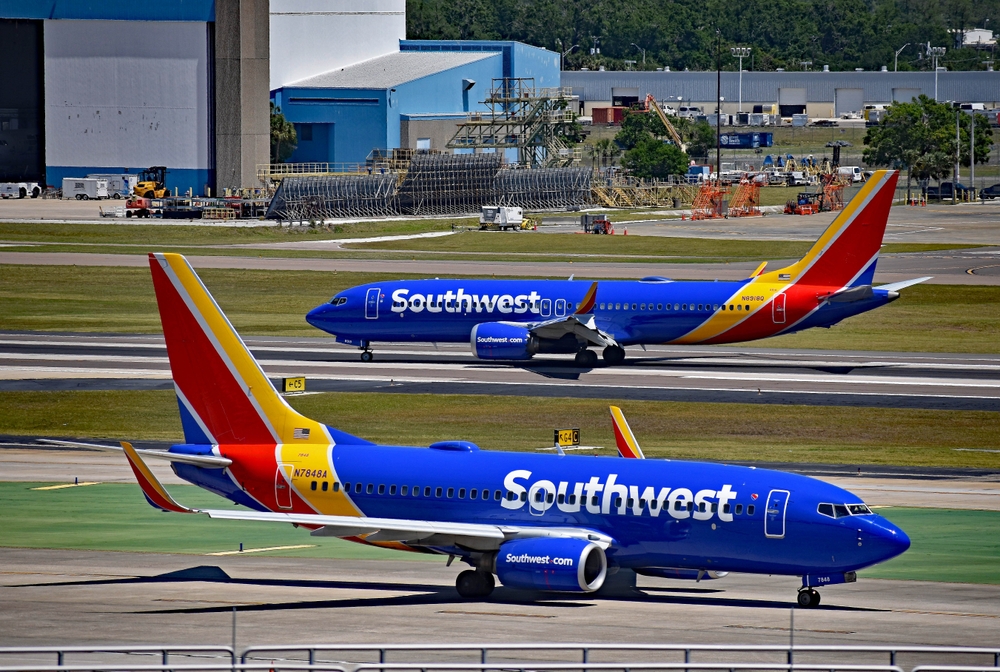
Despite the backlash, Southwest remains more accommodating than many of its competitors. Most major U.S. airlines require passengers who need extra space to purchase an additional seat at full price with no possibility of a refund.
American Airlines requires the purchase of a second seat with no refund option. Delta Air Lines may reseat passengers but does not offer complimentary extra seats. United Airlines, Spirit, Frontier, and Hawaiian Airlines all require full payment for additional seating without reimbursement.
Southwest’s policy, even with its new limitations, still allows for refunds under certain conditions. There are no weight requirements or public weigh ins. The armrest standard remains the determining factor. Preboarding privileges are still available, allowing passengers extra time to settle in.
For many travelers, this makes Southwest the least restrictive option available, even if it no longer feels inclusive.
The Business Pressures Behind the Change
Southwest’s recent policy updates do not exist in a vacuum. The airline has faced mounting financial pressure, increased competition, and scrutiny from activist investors pushing for higher profitability.
In recent years, Southwest announced it would begin charging for premium legroom, introduce red eye flights, and end its long standing policy allowing two free checked bags. Each change chipped away at the brand image that once set the airline apart.
Industry analysts suggest that assigned seating and stricter policies allow for more predictable revenue streams. Selling seat upgrades, managing inventory, and reducing last minute accommodations all contribute to efficiency and profit.
Critics argue that these changes come at the cost of customer trust. For loyal Southwest flyers, especially those who relied on its inclusive policies, the airline no longer feels like the company they once supported.

What Travelers Need to Know Moving Forward
For passengers who may be affected by the new policy, preparation is key. Travelers should carefully review seat maps at booking and ensure that both seats are purchased in the same fare class. Refund requests must be submitted within 90 days of completing travel.
Passengers should also be aware of seating restrictions. Extra seat accommodations do not apply to exit rows due to federal safety regulations. Southwest seats typically measure about 17 inches wide, with some as narrow as 15.5 inches.
Those who use seatbelt extenders should note that Southwest requires a specific type. Flight attendants can provide compatible extenders discreetly upon request.
Perhaps most importantly, travelers should factor the potential cost into their budgeting. If a flight is full, the refund will not be issued. Understanding this risk ahead of time may help avoid frustration later.
The Broader Conversation About Dignity in Travel
The debate surrounding Southwest’s policy change highlights a larger issue within the airline industry. As seats become smaller and planes more crowded, the question of who air travel is designed for becomes increasingly relevant.
For plus size travelers, the challenge is not about convenience. It is about safety, comfort, and respect. Policies that treat larger bodies as exceptions rather than realities contribute to stigma and exclusion.
Advocates argue that airlines must eventually confront the mismatch between seat design and passenger diversity. Until that happens, policies like Southwest’s will continue to spark controversy.
What This Moment Says About Southwest’s Identity
Southwest built its reputation on simplicity, friendliness, and customer centered values. For many, the Customer of Size policy symbolized those principles in action.
The new rules suggest a shift toward conformity with industry norms. Assigned seating, conditional refunds, and reduced flexibility signal a company prioritizing operational efficiency over individualized care.
Whether this evolution strengthens or weakens the brand remains to be seen. What is clear is that Southwest is no longer the outlier it once was.
A Turning Point for Inclusivity in the Skies
Southwest Airlines’ decision to require advance purchase of extra seats for plus size passengers marks a turning point in how the airline approaches inclusivity. While the policy still offers more accommodations than most competitors, the loss of guaranteed refunds and gate based flexibility has left many travelers feeling unheard.
For those affected, knowledge is power. Understanding the rules, planning ahead, and advocating for personal comfort can make the difference between a stressful journey and a manageable one.
For the industry as a whole, this moment serves as a reminder that air travel is not one size fits all. As airlines evolve, the challenge will be whether progress is measured solely in profits or also in how well passengers of all bodies are treated along the way.