
Your cart is currently empty!
These Penguins Tried to Break Out of a Danish Zoo and It Looked Just Like “Madagascar”
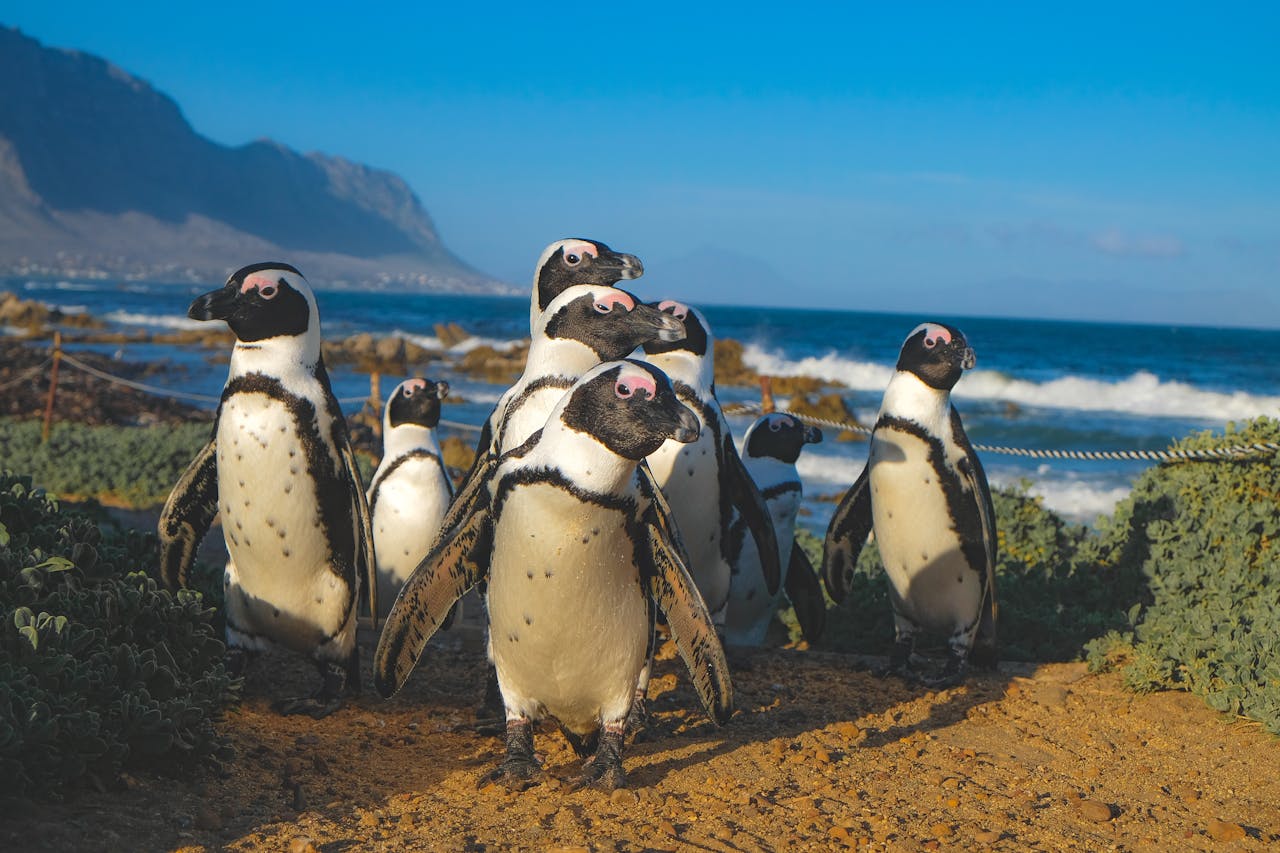
On a quiet winter day in Denmark, a routine walk through a zoo unexpectedly turned into a moment that would soon capture the attention of people around the world. A keeper at Odense Zoo noticed something unusual etched into the freshly fallen snow, a line of small flipper-shaped footprints leading away from where the penguins were normally kept. At first, the markings seemed almost too neat to be real, creating a sense of curiosity rather than alarm. The snow was light, untouched in most places, and the footprints stood out clearly, telling a story before any animals were even in sight. Intrigued by where the trail might lead, the keeper began following it, unaware that this simple act would soon reveal an escape attempt that felt more like a scene from a movie than a real-life event.
Contents
show
As the keeper continued along the snowy path, the sense of mystery grew stronger. The footprints curved around corners and followed the layout of the zoo with surprising intention, suggesting that whoever had made them was not wandering aimlessly. Then, as the camera rounded a bend, the truth was revealed. A small group of penguins came into view, waddling together toward what appeared to be an exit, their bodies leaning forward with determination. The sight was immediately striking, not only because the penguins were outside their enclosure, but because of how closely their behavior resembled something familiar from popular culture. In that moment, the line between animated fiction and real life seemed to blur, turning an ordinary zoo visit into something unexpectedly memorable.
Footprints That Told the Story Before Anyone Spoke
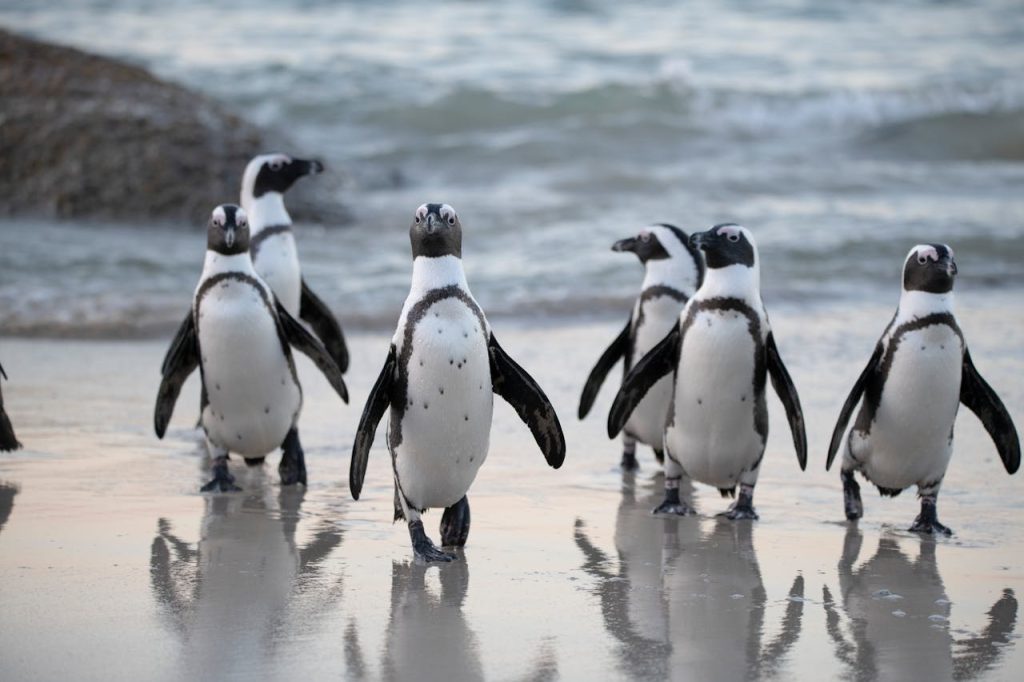
The snow played a crucial role in revealing the penguins’ adventure. Without it, the birds might have gone unnoticed for much longer, but the crisp white surface preserved every step they took. Each flipper print was clear and evenly spaced, forming a trail that was impossible to ignore once it had been spotted. The footprints did not suggest panic or confusion, but rather a calm and steady progression away from the enclosure.
As the keeper followed the trail, there were no immediate signs of disruption. Nothing appeared broken or damaged, and there was no indication that the penguins had forced their way out. Instead, the footprints suggested opportunity and curiosity, as though the birds had simply noticed a chance to explore and decided to take it together. The scene felt less like an emergency and more like a quiet mystery unfolding in real time.
By the time the trail led around the corner where the penguins were finally spotted, the footprints had already built anticipation. They acted as a silent narrator, guiding the viewer toward the reveal and making the eventual sight of the penguins even more satisfying.
The Penguins Commit to Their Escape
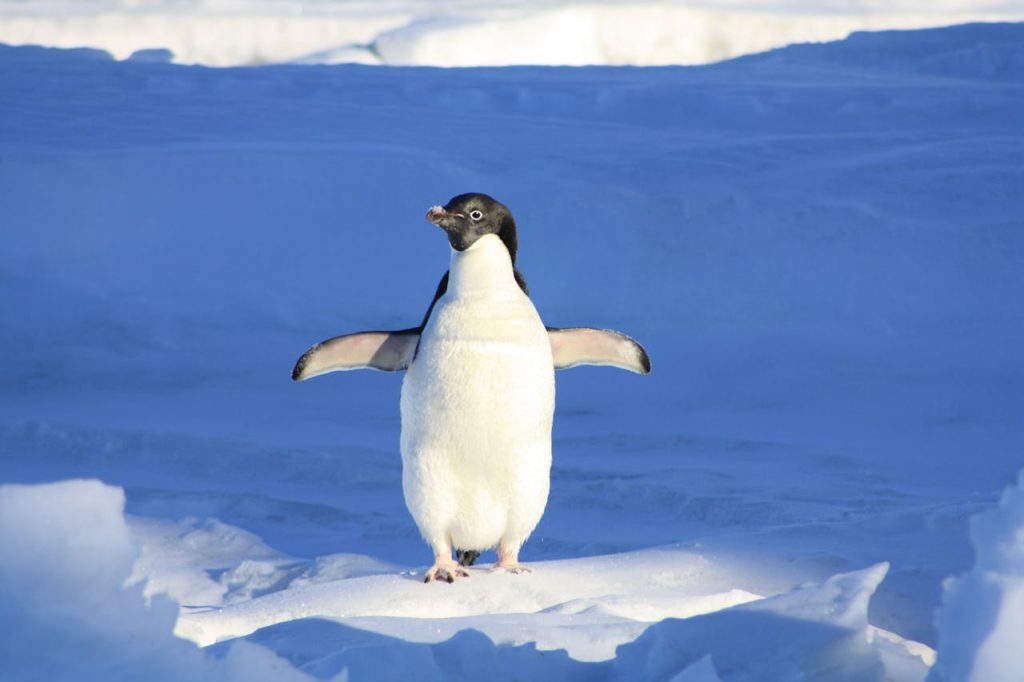
When the penguins appeared on camera, they showed no signs of hesitation. Moving as a tight group, they waddled forward with surprising speed, their movements coordinated and purposeful. There was a seriousness to their posture that made it clear this was not accidental wandering. Each bird seemed to understand the direction they were heading and stayed close to the others as they moved.
The moment they became aware of the keeper following them, their behavior changed noticeably. Rather than slowing down or stopping, the penguins began to move faster, their flippers swinging more urgently as they picked up pace. The reaction made the situation even more amusing, as it gave the impression that the birds knew they were being chased and were doing their best to stay ahead.
Watching penguins attempt to outrun a human along snowy zoo paths was both humorous and oddly impressive. Their determination transformed what could have been a simple curiosity into something that felt like a genuine escape attempt.

A Dead-End Brings the Plan to a Halt
Like many ambitious plans, the penguins’ escape eventually met an obstacle. The group reached a dead-end, their forward progress suddenly stopped by the layout of the zoo. For a brief moment, they paused together, standing still as if collectively realizing that their route had failed them.
One penguin broke the silence with a loud honk, a sound that instantly added personality to the scene. The vocalization felt expressive enough that many viewers later interpreted it as frustration or disappointment, as though the bird was reacting emotionally to the failed plan.
Instead of immediately retreating, the penguins turned around and appeared to search for another possible exit. Their hesitation suggested persistence, as if they were unwilling to accept defeat without first exploring every available option.
The Walk Back Toward Home
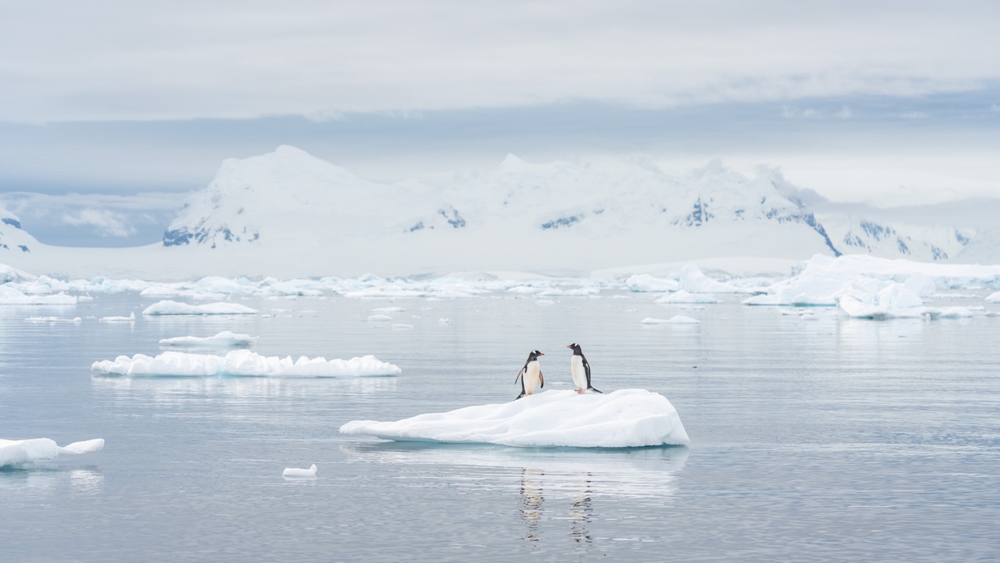
Eventually, the penguins accepted that their adventure had reached its limit. With no alternative route available, they turned back toward their enclosure, moving more slowly than before. Their earlier urgency had faded, replaced by a calmer, more resigned pace as they waddled past the keeper.
They stayed together as they returned, maintaining their group formation as if finding comfort in sticking close after being caught. One penguin honked again as they disappeared around the corner, a sound that felt like a final comment on the situation.
Despite the failed escape, the birds appeared unharmed and untroubled. Their behavior suggested curiosity rather than distress, reinforcing the idea that the entire episode was more of an exploratory adventure than a serious attempt to flee.
Kowalski, relatório.
— Senso Crítico ⚡ (@SensoCrtico1) December 20, 2025
Um grupo de cinco pinguins do Zoológico de Odense, na Dinamarca, chamou a atenção ao protagonizar uma tentativa de fuga digna de cinema, inspirada no filme Madagascar.
Os animais saíram discretamente de seu recinto e caminharam por um corredor reservado… pic.twitter.com/UjRLKHlntF
The Madagascar Comparison That Made Everyone Laugh
After sharing the video online, Odense Zoo chose to embrace the humor of the situation. Writing alongside the clip after posting it to YouTube, a spokesman for Odense Zoo joked: “Perhaps our penguins have watched the penguins of Madagascar a bit too much.”
The reference resonated immediately with viewers familiar with the 2005 animated film Madagascar, which follows computer-animated animals living in New York’s Central Park Zoo. One of the film’s most memorable elements is its group of penguins named Skipper, Kowalski, Rico, and Private, who are constantly devising plans to escape their enclosure.
In the movie, those penguins eventually succeed, taking over a ship and traveling first to Antarctica before making their way to Madagascar. While the Odense penguins never made it beyond the zoo grounds, the similarities were close enough to make the comparison irresistible.
Why the Video Captured the Internet
The clip spread quickly because it felt genuine and unscripted. There was no dramatic setup or forced moment, just a group of animals behaving in a way that was both unexpected and relatable. Penguins are often seen as gentle and awkward, which made their determined escape attempt all the more entertaining.
The story also tapped into familiar human emotions. Curiosity, teamwork, frustration, and persistence are traits people recognize in themselves, even when displayed by animals. Watching the penguins work together and respond to obstacles made it easy for viewers to connect with the moment.
In a digital space often filled with heavy or divisive news, the simplicity of the video stood out. It offered a brief escape of its own, giving people a reason to laugh and share something lighthearted.
A Small Adventure With a Big Impact
Although the penguins did not achieve their goal, their short-lived escape left a lasting impression. A simple trail of footprints was enough to transform an ordinary day at a zoo into a moment enjoyed by millions.
The incident highlights how some of the most memorable viral stories happen naturally. There was no plan, no spectacle, just curiosity and opportunity coming together at the right time.
For viewers around the world, the penguins’ failed escape was still a success, serving as a reminder that even brief adventures can bring unexpected joy and connection.