
Your cart is currently empty!
NYC Teachers Say Many Teens Can’t Read Analog Clocks After Cellphone Ban
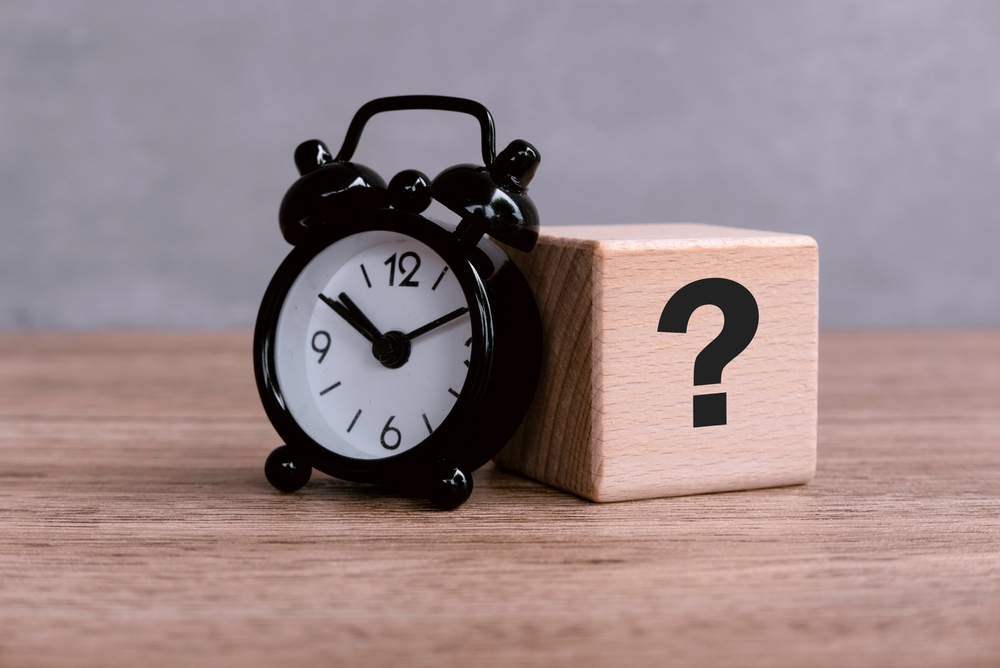
When New York State introduced a statewide cellphone ban in public schools, the policy was widely discussed as a necessary step to reduce distractions, limit social media use during class, and help students refocus on learning. Educators braced themselves for pushback, knowing that smartphones had become deeply embedded in students’ daily routines, social lives, and sense of independence. Many expected frustration, boredom, and even discipline issues as students adjusted to being separated from their devices for hours at a time. What almost no one anticipated, however, was that the absence of phones would uncover a much more fundamental problem that had quietly been building for years inside classrooms.
Contents
show
As the weeks passed, teachers across New York City began noticing a recurring issue that felt both surprising and unsettling. Students constantly asked what time it was, how long they had left in class, and when the bell would ring, even though a clock was clearly visible on the wall. At first, these questions were brushed off as impatience or anxiety about schedules. But it soon became clear that something deeper was going on. Many students simply could not read the analog clocks in their classrooms. Without phones or digital displays to glance at, time itself became difficult to understand for teenagers who had grown up almost entirely in a digital environment.

Teachers Notice a Pattern Forming
What initially seemed like a few isolated incidents quickly turned into a pattern that teachers could not ignore. Educators from different schools, grade levels, and neighborhoods began sharing similar stories, realizing that the issue was far more widespread than anyone had assumed. Students were not just misreading the clock occasionally or asking for reassurance. Many genuinely did not understand how the hands on an analog clock translated into hours and minutes.
High school English teacher Madi Mornhinweg, who teaches in Manhattan, described the situation to Gothamist in a way that captured the growing frustration among educators. “The constant refrain is ‘Miss, what time is it?’” she said, explaining that the question came up repeatedly throughout the school day. Students were not asking out of laziness, but out of genuine confusion as they tried to orient themselves during lessons and activities.
For teachers, this became a daily challenge. Instead of students independently managing their sense of time, educators found themselves repeatedly interrupted to answer the same basic question. Over time, it became clear that this was not simply about classroom management. It was a sign that a basic life skill had quietly faded from regular use, leaving students dependent on others to fill the gap.
Back to Basics in High School Classrooms
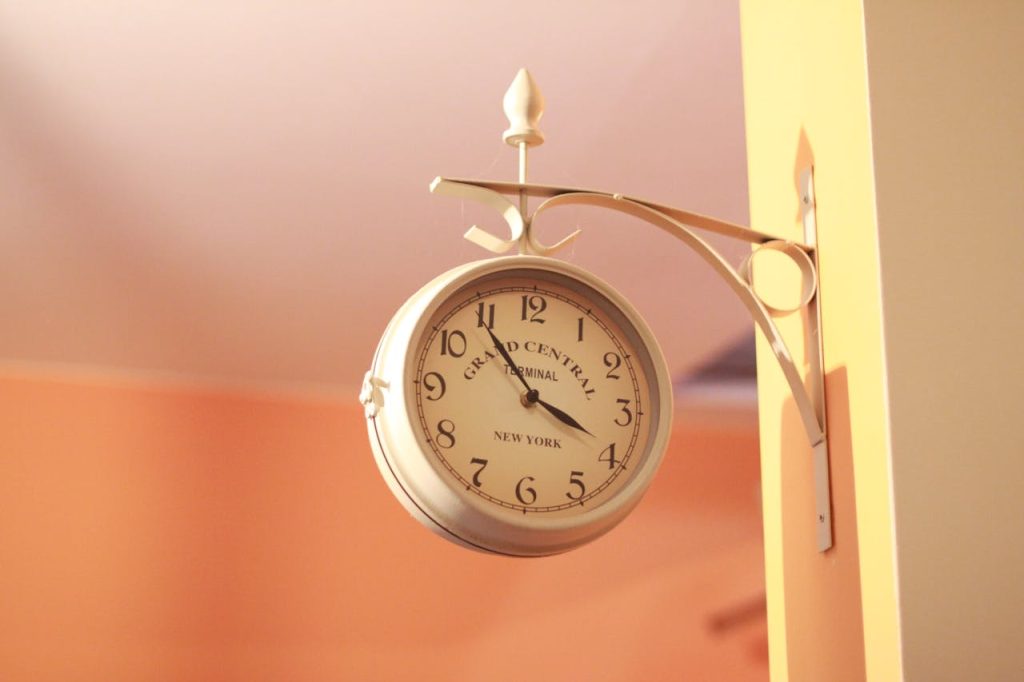
As the confusion continued day after day, some teachers realized they could no longer work around the issue. What followed was an unexpected return to fundamentals in high school classrooms, where educators found themselves teaching concepts that many assumed had been covered years earlier. Lessons were paused so teachers could explain how analog clocks work, sometimes starting from the very beginning.
Mornhinweg explained that the situation eventually reached a breaking point. “It finally got to the point where I started saying, ‘Where’s the big hand and where’s the little hand?’” she told Gothamist. For teachers, moments like this were startling, especially given that these were students preparing for college, careers, and adult responsibilities.
For many teens, the struggle was not about forgetting something they once knew. It was about encountering a skill they had never truly needed before. Smartphones, laptops, and smart devices had always displayed time clearly and instantly. As a result, the analog clock felt unfamiliar, outdated, and unnecessary, even though it was hanging in plain sight.

Growing Up in a Fully Digital World
Many students were open about why they never learned to read traditional clocks. To them, the skill seemed irrelevant in a world where time is always presented digitally, down to the exact minute. Phones provide alarms, countdowns, reminders, and schedules, removing any need to interpret moving hands or estimate the passage of time.
Teachers noticed that this reliance became especially clear once phones were removed from classrooms. Without a digital backup, students were left staring at clocks they could not decode, unsure whether five minutes or twenty minutes remained in the period. This uncertainty often led to anxiety and repeated interruptions, as students struggled to understand how their day was structured.
The situation reflects a broader shift in how young people interact with the world. Many everyday skills that were once considered essential are now handled automatically by technology. Navigation, spelling, mental math, and timekeeping have all been simplified or outsourced, which can leave students unprepared when those tools are suddenly unavailable.
Why the Cellphone Ban Changed Everything
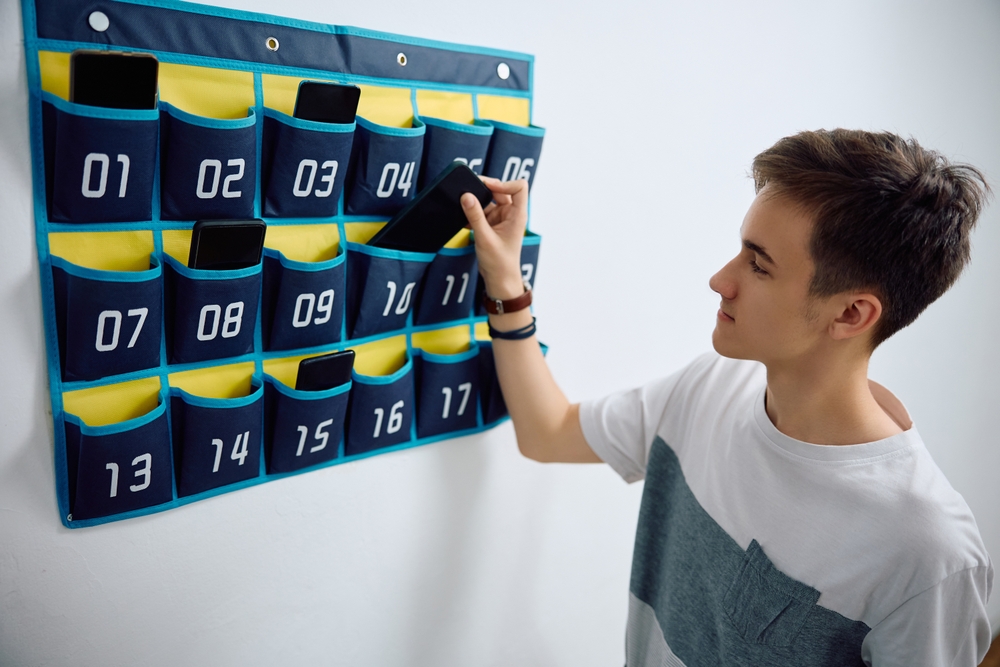
The cellphone ban did not create the problem, but it exposed it in a way that made it impossible to ignore. By removing phones during the school day, educators unintentionally stripped away a support system students had relied on without fully realizing it. Classrooms that had functioned smoothly before suddenly revealed how much invisible assistance technology had been providing all along.
According to teachers who spoke with Gothamist, many teens had no clue what time it was during the course of the school day because classrooms generally only have analog clocks on the walls. Without phones in pockets or backpacks, there was no quick or discreet way for students to check the time for themselves.
This shift forced both students and teachers to confront how deeply embedded smartphones had become in managing even the simplest aspects of daily life. The ban did not just change classroom behavior. It fundamentally altered how students experienced time, structure, and independence throughout the school day.
More Than a Viral Headline
As the story spread, it quickly gained traction online and sparked intense discussion. Some readers saw it as alarming and symbolic of declining education standards, while others dismissed it as an inevitable result of technological progress. Comparisons were made to older generations losing skills such as memorizing phone numbers or writing in cursive.
Teachers pushed back against the idea that the issue was about blame. Instead, they framed it as a question of preparedness. Understanding time conceptually plays an important role in planning, punctuality, self regulation, and managing responsibilities, especially in environments where digital devices are restricted.
What began as a classroom frustration has turned into a broader conversation about how education adapts to a world shaped by technology. The analog clock, once ignored, has become a symbol of how convenience can quietly reshape what students believe they need to know.
What the Clock Incident Reveals
Teenagers struggling to read clocks may seem surprising, humorous, or even concerning, depending on perspective. But beneath the viral headlines lies a deeper lesson about how technology influences not just learning, but expectations about which skills matter.
As schools continue navigating device policies and digital boundaries, the clock on the wall serves as a reminder that progress often comes with tradeoffs. Sometimes the most basic tools reveal the biggest gaps, and sometimes looking up and learning how to read what is already there still matters more than anyone realized.