
Your cart is currently empty!
Students Braced for ‘Trouble,’ Only to Discover an Anonymous Donor’s $50M Gift Covered Their Tuition

When a cohort of University of Washington students received a sudden directive to attend a mandatory meeting with instructions to dress professionally, the atmosphere was thick with apprehension rather than excitement. Whispers circulated among the group as they braced for what many assumed would be a disciplinary lecture or an announcement of bad news. Yet the tension in the room was merely the setup for a stunning reversal of fortune, one that would transform their anxiety into relief and secure the future of an essential but often invisible sector of the healthcare system.
Contents
show
The Best News They Never Saw Coming
Students in the Medical Laboratory Science program at the University of Washington recently gathered for a mandatory meeting with heavy hearts and frayed nerves. They had been instructed to dress professionally but were given no further context regarding the assembly’s purpose. According to the Seattle Times, the lack of information led many to fear the worst. Jennifer Wang, a student in the cohort, admitted that the group collectively assumed they “were going to be in trouble.”
However, the administrative summons was not for disciplinary action but to deliver a life-altering announcement. School officials revealed that an anonymous donor had provided a gift expected to generate over $50 million in disbursements over the next 50 years. This massive funding is specifically designated to cover the tuition costs for all undergraduate students during their senior-year clinical rotations.
The atmosphere in the room shifted instantly from apprehension to jubilation. Jasmine Wertz, a 30-year-old senior in the program, described the emotional pivot in a university press release. She noted that she was initially shocked, needing a moment to process the reality that their tuition would be paid before finally feeling a wave of relief. This financial intervention comes at a critical time for these students, as the program’s rigorous schedule often precludes the ability to maintain employment while studying.
The Unsung Heroes of Healthcare

While doctors and nurses often take center stage in patient care, Medical Laboratory Science (MLS) professionals operate as the critical engine behind the scenes. Offered by the Department of Laboratory Medicine and Pathology at the University of Washington School of Medicine, this program trains students to perform vital patient lab tests for hospitals, clinics, and public health agencies. Despite their importance, Dr. Geoff Baird, the department chair, noted in an interview with the Seattle Times that the profession is often misunderstood, with some assuming the work is performed entirely by robots.
Dr. Tim Dellit, CEO of UW Medicine, corrected this misconception during the announcement, telling students they are the “unsung heroes” and the “glue” that allows the healthcare machinery to function. However, obtaining this degree is rigorous.
During their senior year, students enter clinical rotations that demand 40 hours a week, effectively a full-time job that leaves little room for outside employment to pay for school.
The anonymous donation targets this specific pressure point. It covers in-state tuition fees—estimated between $4,000 and $5,000—for every senior in the program. Currently, the program hosts 70 students, with 35 already in their clinical rotations. Beyond immediate relief for current seniors, the funding is designed to bolster the program long-term, with plans to increase enrollment to 100 students annually over the next decade.
Addressing a Critical Regional Shortage
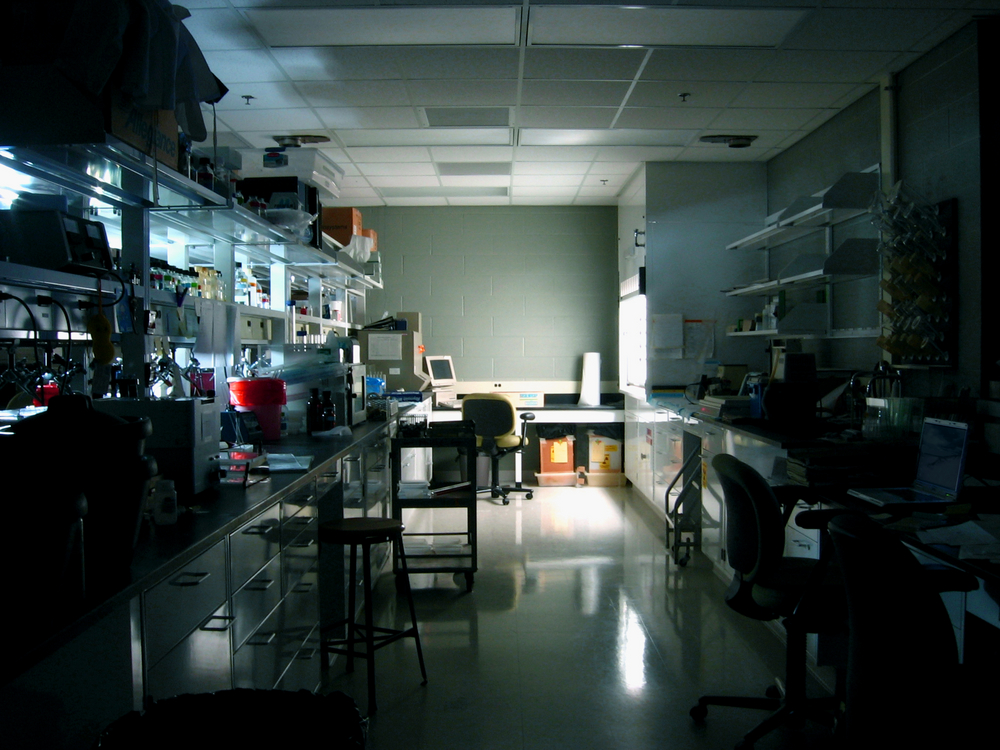
The strategic value of this donation extends far beyond the university campus. Washington state and the wider WWAMI region (comprising Washington, Wyoming, Alaska, Montana, and Idaho) are currently grappling with an acute and worsening shortage of medical laboratory specialists. While the demand for complex lab services continues to grow, the educational pathways to enter the profession remain limited. According to university officials, only two programs in Washington state currently offer the necessary baccalaureate-level medical science degrees.
Dr. Tim Dellit, CEO of UW Medicine, emphasized that this financial gift serves as a crucial tool in addressing this workforce crisis. By alleviating the debt burden, the program aims to lower the barrier to entry and attract a new generation of talent to the field.
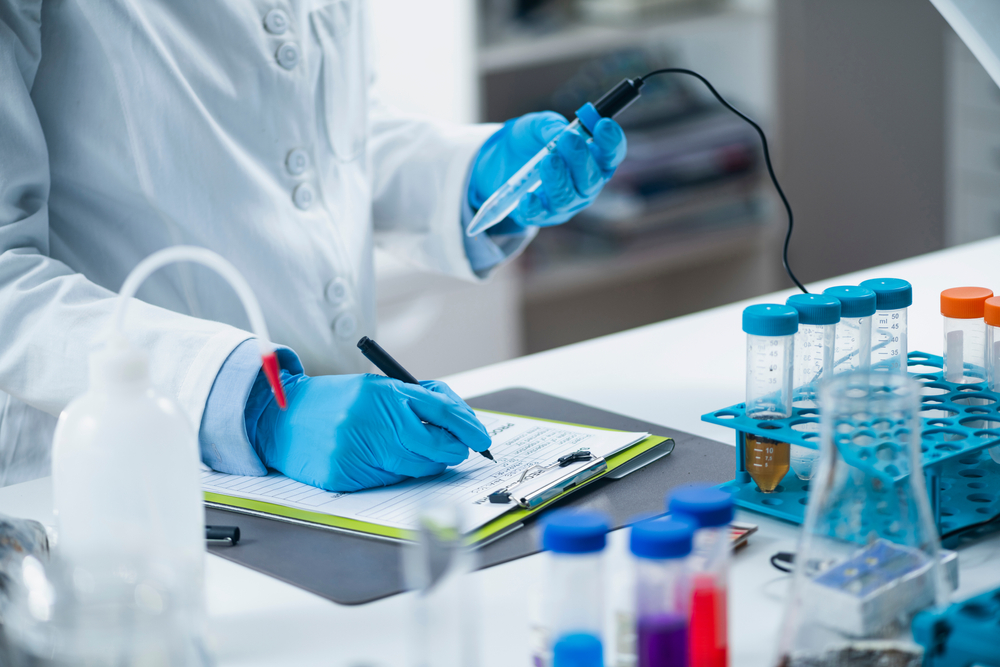
Dellit noted that the donor’s “selfless generosity” will help ensure the region possesses the skilled laboratory workforce required for high-quality and timely patient care.
The impact of the donation is expected to ripple outward, eventually benefiting the health of the general public. UW President Robert J. Jones highlighted that the gift advances a top priority for the institution: making education accessible and debt-free. By enabling students who are passionate about healthcare to pursue their goals without financial restraint, the university anticipates a rise in trained professionals. Jones added that the profound impact on student success will ultimately lead to better health outcomes for all Washington residents.
Validating a Vital Profession

For the students, this donation represents more than just a covered bill; it serves as a powerful validation of their often-overlooked profession. Jasmine Wertz expressed profound gratitude for the anonymous benefactor, noting that the gift was a distinct way of “acknowledging our major and our career as a viable source of healthcare.” In a field where practitioners work largely out of the public eye, this recognition offers a significant morale boost alongside the financial relief.
Department leaders share this sense of fulfillment. Dr. Geoffrey S. Baird, the department chair, described the funding as the realization of a “long-standing dream.” He noted that providing financial support during the professional phase of the program had been a goal for years. The “transformative generosity” of the donor allows the department to finally support students during the most rigorous portion of their training, where the inability to work part-time previously caused significant stress.
The structure of the gift ensures that this support serves as a lasting legacy rather than a temporary fix. With annual disbursements estimated to exceed $50 million over the next 50 years, the donation creates a sustainable foundation for the future. It guarantees that decades of upcoming laboratory scientists can complete their education focused on patient care rather than debt repayment.
The Human Hands Behind the Lab Results
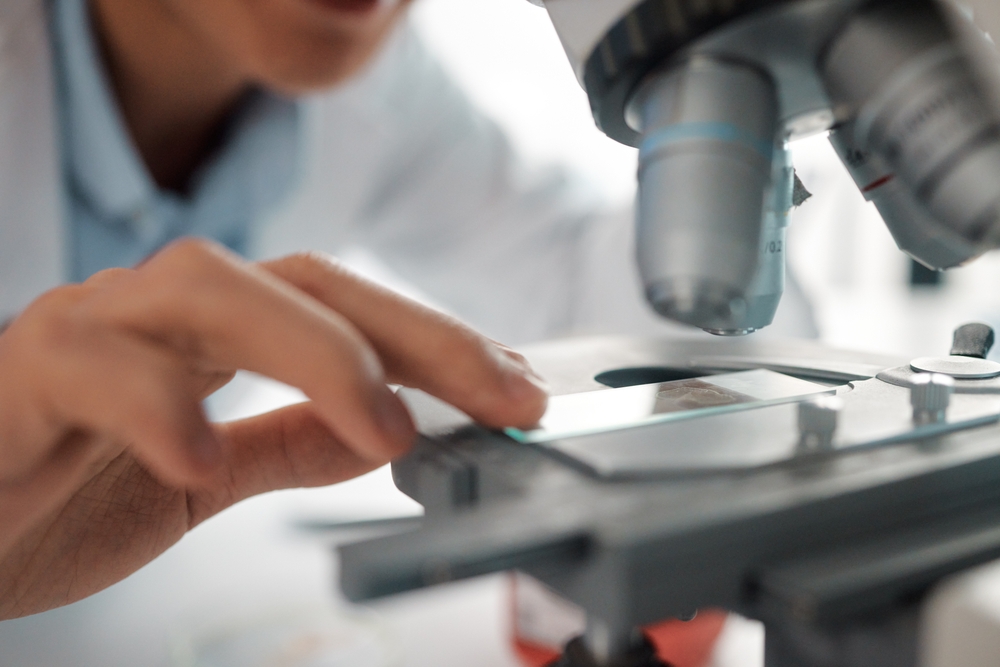
Despite the critical nature of their work, medical laboratory scientists often operate in obscurity. Dr. Geoff Baird candidly remarked to the Seattle Times that the public understanding of the profession is limited, noting that “some people don’t even know we exist, or they think it’s robots or something.” This misconception overshadows the reality that skilled human beings are responsible for the complex analysis required in modern medicine. These graduates do far more than manage automation; they conduct vital research in academic and commercial laboratories, teach at universities, and perform patient testing that guides medical decisions.
The anonymous gift serves as a powerful counter-narrative to this invisibility. By investing so heavily in these students, the donor has placed a spotlight on the human element essential to healthcare infrastructure. For the students, this recognition is as valuable as the financial assistance. It affirms that their chosen career path is seen, valued, and vital to the community health system.
Jasmine Wertz encapsulated the collective gratitude of the cohort when asked what she would say to the benefactor. “Oh, my gosh, thank you,” Wertz said. She expressed awe at the scale of the generosity, emphasizing her appreciation for the donor “thinking of the gift they’ve given to so many people” and for acknowledging their major as a “viable source of healthcare.” Through this donation, the donor has ensured that the people behind the microscopes feel supported by the community they serve.
Investing in the Future of Health

This $50 million gift does more than just wipe out tuition bills. It proves that we can make it easier for people to enter vital healthcare jobs without drowning in debt. By taking away the financial stress of that final, grueling year, the donor has cleared the path for students who are passionate about medicine but might not have the funds to finish.
As the program grows to welcome more students in the coming years, our local hospitals and clinics will finally get the help they need. This means faster test results and better care for everyone in the community. It turns a localized act of kindness into a win for patients across the entire state.
For the students who walked into that meeting scared they were in trouble, the script has completely flipped. Instead of worrying about how to pay for their final year, they can now focus entirely on learning how to save lives. It is a powerful reminder that sometimes, the best news comes when you least expect it.