
Your cart is currently empty!
Why TSA Scanner Experiences Are Leaving Travelers Shocked and Concerned
Airports are places most travelers associate with stress, long lines, and the quiet anxiety of making it through security on time. For many people, TSA scanners are just another routine step in that process, a brief pause with hands raised before being waved through. But for a growing number of travelers, that moment has become something far more unsettling.
Contents
show
Across social media platforms and comment sections, people have begun sharing unexpected and sometimes frightening stories about what TSA body scanners have detected inside their bodies. From medical implants to deeply personal health conditions, these encounters have sparked fear, confusion, and urgent warnings to others who may be unaware of how much these machines can reveal.
As these stories spread, they have ignited a wider conversation about privacy, health awareness, and whether travelers truly understand the technology scanning them before every flight. According to reporting from UNILAD and long standing scientific analysis from Scientific American, the issue is far more complex than a viral headline might suggest.
Viral Stories That Sparked Alarm Among Travelers
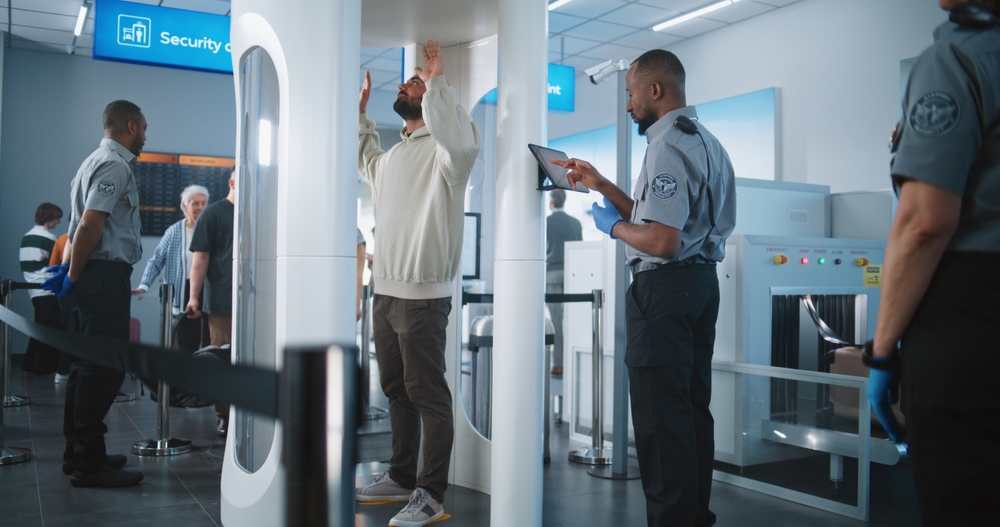
Many of the warnings now circulating online began with travelers simply trying to explain an uncomfortable airport experience. Some described being pulled aside after scanners flagged unusual shapes or dense areas in their bodies, leading to secondary screenings that felt invasive and embarrassing. Others reported discovering health-related issues they did not even know existed until a TSA agent quietly asked them to step aside.
Several individuals claimed that scanners picked up medical devices such as implants, surgical mesh, or internal hardware left behind after past procedures. While these items were harmless and medically necessary, the shock came from realizing how clearly scanners could detect them. For some travelers, it was the first time they fully understood how detailed the scans might be.
In other cases, travelers said scanners flagged areas of inflammation or abnormalities that led them to seek medical advice later. While TSA agents are not diagnosing illnesses, the moment left a lasting impression. Many said the experience forced them to confront health issues they had been ignoring or did not know existed.
As these accounts spread, commenters began issuing warnings to others. They urged people with medical implants, chronic pain, or unexplained health symptoms to be prepared for additional screening and emotional discomfort. The tone of these messages quickly shifted from surprise to fear, with some questioning whether routine airport security was exposing too much.
What TSA Body Scanners Are Actually Designed to Detect
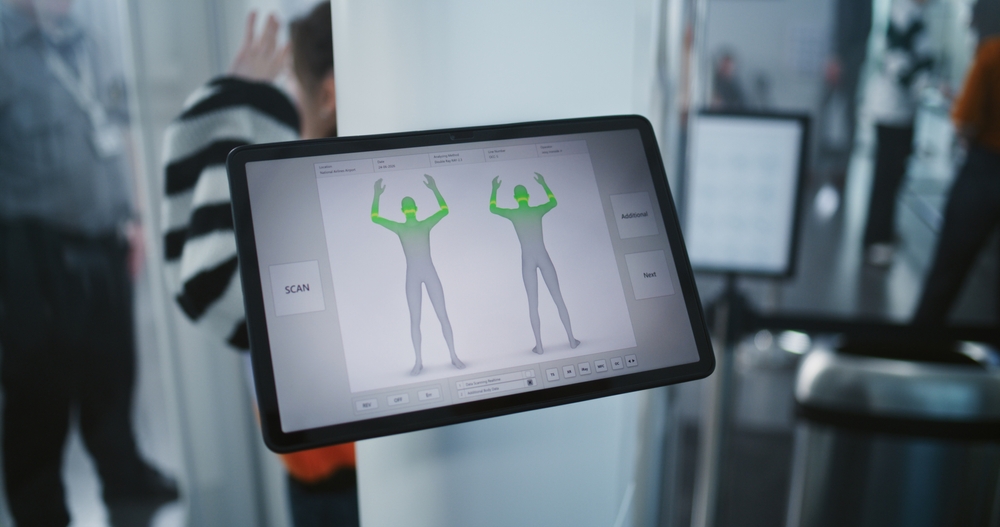
Despite the fear-driven tone of viral posts, experts emphasize that TSA scanners are not medical devices and are not designed to identify diseases. The scanners used in U.S. airports primarily rely on millimeter wave technology, which creates a generic outline of the body rather than a detailed image. According to Scientific American, these scanners are meant to detect objects concealed under clothing, not to see inside the body.
However, the technology is sensitive to density and shape. This means that anything unusual, whether external or internal, can trigger an alert. Medical implants, prosthetics, scar tissue, and even certain types of clothing can cause the system to flag an area for further inspection. To the traveler, this can feel deeply personal, even if the system itself is operating mechanically.
Scientific American has previously addressed concerns about whether scanners expose travelers to harmful radiation. The consensus among scientists is that millimeter wave scanners emit non-ionizing radiation, which is considered safe and does not damage DNA. This distinguishes them from X-ray based systems, which are no longer used for full body scanning in U.S. airports.
Still, understanding the science does not always ease the emotional response. For travelers who experience unexpected scrutiny, the gap between technical explanation and personal impact remains wide. The fear does not always come from what the scanners do, but from how little most people know about them.
Medical Implants, Health Conditions, and Unexpected Flags
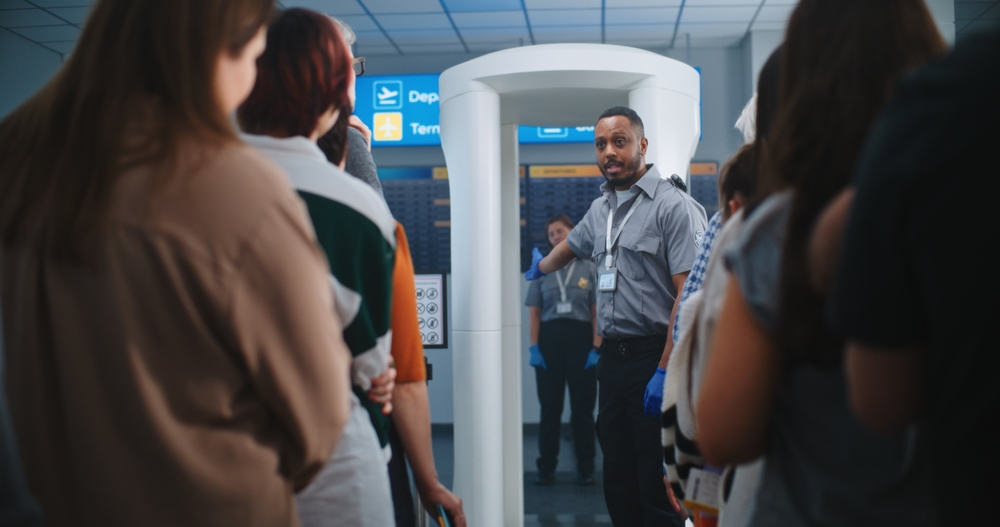
One of the most common themes in shared experiences involves medical implants. Travelers with joint replacements, pacemakers, breast implants, and surgical hardware often report consistent scanner alerts. While TSA protocols account for these situations, the experience can still feel exposing and stressful.
Some individuals only realized the extent of their internal medical hardware when scanners repeatedly flagged the same area. In a few cases, people said the encounter prompted them to ask their doctors for detailed explanations about their own bodies, highlighting a surprising gap in patient understanding after medical procedures.
Others shared stories involving chronic conditions such as swelling, cysts, or unexplained pain. Although TSA agents do not explain why a scanner flags a particular area, the moment can be deeply unsettling. Some travelers admitted that the experience pushed them to schedule medical checkups they had been postponing for years.
At the same time, medical professionals caution against assuming scanners are revealing hidden illnesses. Many harmless variations in the human body can trigger alerts. The danger, experts say, lies in letting fear spiral without proper medical guidance, especially when viral stories lack context.
Privacy Concerns and the Emotional Toll of Being Flagged
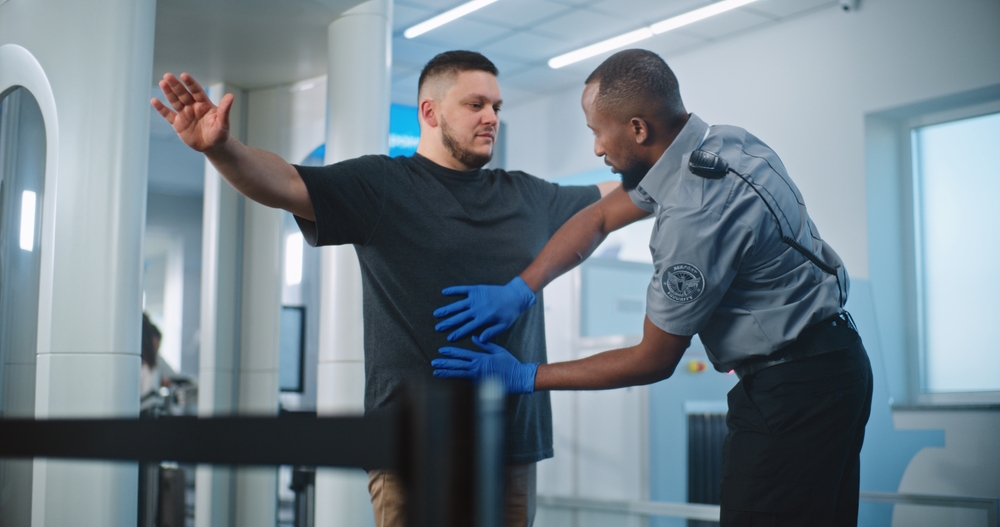
Beyond health worries, privacy remains one of the biggest concerns raised by travelers. Even though TSA no longer uses detailed body images and agents see only generic outlines, being singled out can feel humiliating. Several travelers described feelings of shame and vulnerability when taken aside for additional screening.
This emotional toll is amplified for people with invisible disabilities or medical conditions. Having to explain personal health information in a public setting can be distressing, particularly when other passengers are watching. Some individuals said they felt judged or suspected of wrongdoing simply because of how their body appeared to a machine.
Scientific American has noted that public misunderstanding of scanner technology contributes to fear. When people do not know what the machines are designed to detect, they may assume the worst. This lack of transparency can erode trust, even if the technology itself is operating safely and within guidelines.
As a result, many advocates are calling for better communication. They argue that clearer explanations from airports and airlines could help travelers feel more prepared and less alarmed. Education, they say, may be the most effective way to reduce panic without compromising security.
Are TSA Scanners Safe?
The question of safety inevitably arises whenever stories about scanners go viral. Extensive research supports the safety of millimeter wave scanners used by TSA. These devices emit extremely low levels of energy, far below what is known to cause biological harm.
Scientists explain that millimeter waves do not penetrate deeply into the body. Instead, they reflect off the skin, allowing the system to detect objects on or just beneath clothing. This design is intentional and central to why scanners are considered safe for repeated exposure.
Despite this, fear persists, especially when stories frame scanners as uncovering hidden internal issues. Experts emphasize that correlation does not equal causation. A scanner flagging an area does not mean it has discovered a medical problem, only that something differs from expected patterns.
Still, public anxiety cannot be dismissed outright. When technology intersects with personal health and bodily autonomy, emotional reactions are inevitable. Trust in scientific assurances often depends on whether people feel heard and respected in their experiences.
Why These Stories Are Resonating So Strongly Online
The viral spread of these warnings reveals something deeper about modern anxiety. In an era of constant surveillance and health awareness, stories about machines detecting unseen issues strike a nerve. They tap into fears about losing control over one’s body and privacy.
Social media amplifies these emotions by rewarding shocking and personal stories. A single alarming account can quickly snowball into a perceived pattern, even if the underlying technology has not changed. The human element of these stories is what makes them compelling.
At the same time, these conversations reflect a broader lack of understanding about medical and security technologies. When people feel uninformed, they are more likely to fill gaps with fear. This is where responsible reporting and expert input become essential.
Ultimately, the resonance of these stories suggests a need for empathy rather than dismissal. Travelers are not wrong to feel unsettled when confronted with unexpected scrutiny. Acknowledging those feelings is the first step toward more productive dialogue.

A Moment of Reflection on Technology and Trust
The unsettling stories surrounding TSA scanners are not just about airports. They are about how people relate to technology that touches their bodies and their sense of self. When machines become gatekeepers, trust becomes essential.
These viral warnings serve as a reminder that transparency and communication matter as much as innovation. Without clear explanations, even safe technology can become a source of fear. Bridging that gap requires effort from authorities, scientists, and media alike.
For readers, the takeaway is not to panic, but to stay informed. Understanding how scanners work, what they detect, and what they do not detect can turn fear into knowledge. In a world full of machines we cannot see inside, knowledge remains one of the few things firmly in our control.