
Your cart is currently empty!
Why Dentists Are Worried About “Ozempic Teeth” and What You Can Do About It
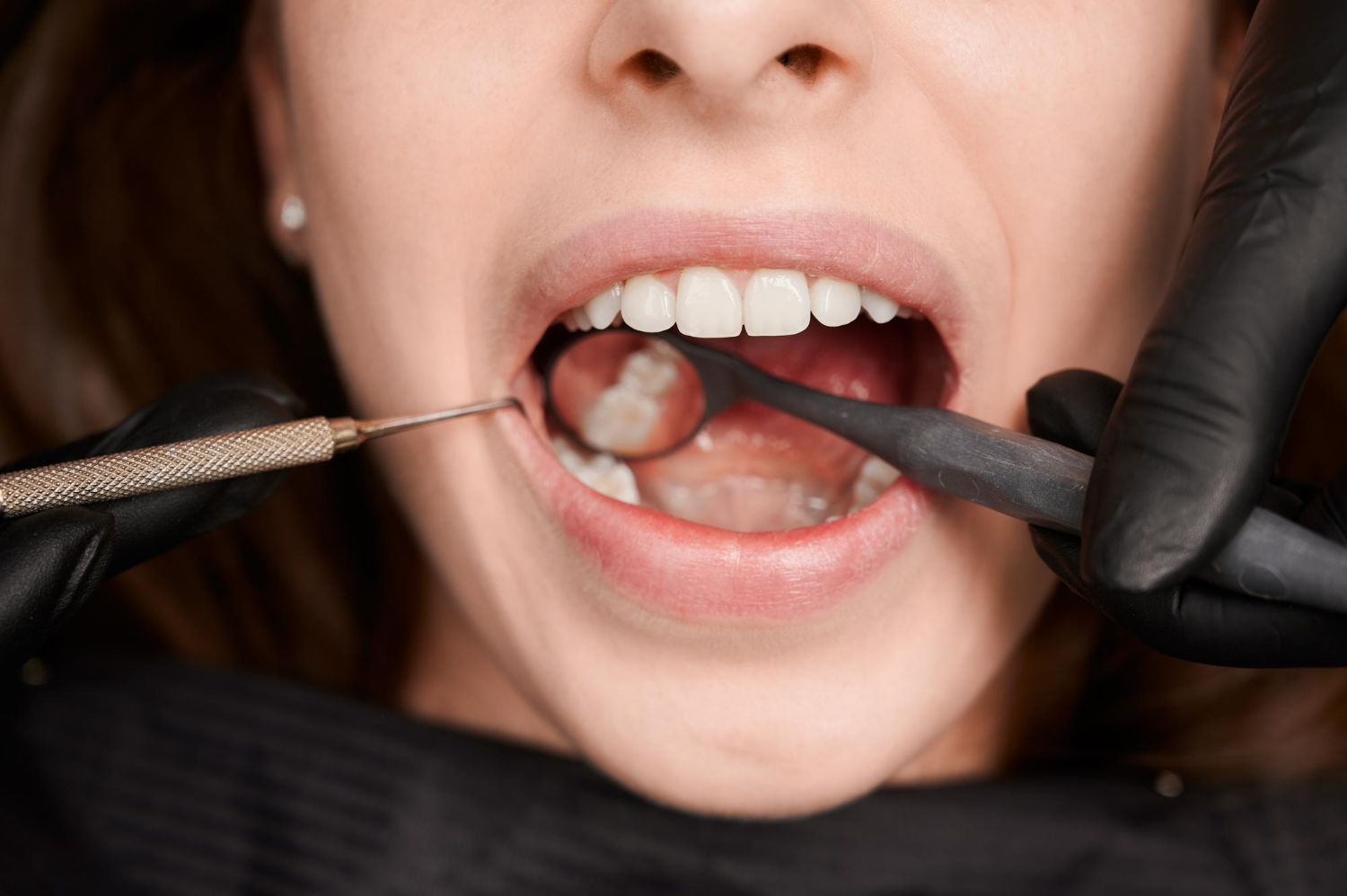
Something strange has been happening in dental offices across America. Patients walk in with complaints that seem to appear out of nowhere. Sudden sensitivity. Enamel is wearing away. Teeth cracking without warning. And when dentists ask about recent changes in their health routines, one answer keeps coming up again and again.
Contents
show
GLP-1 medications have taken over conversations about weight loss and diabetes management. Celebrities praise them. Millions of prescriptions get filled each year. Social media feeds overflow with before-and-after transformation photos. Yet beneath these success stories, a growing number of users have begun sharing experiences that their doctors never warned them about. Their smiles, they say, have started to suffer.
A new term has entered the medical lexicon, born not in research labs but in online forums and patient communities. Dentists have taken notice. And what they’re finding in examination chairs across the country raises questions that deserve attention.
A Buzzword Born from Patient Experience
Scroll through social media platforms and you’ll find videos from dental professionals and medication users alike, all discussing a phenomenon that has earned its own informal name. “Ozempic teeth” refers to oral health problems reported by people taking GLP-1 receptor agonists. Tooth decay, gum irritation, persistent bad breath, and even tooth loss have all become part of these patient narratives.
Catrise Austin, a cosmetic dentist based in New York and author of “Stop Diabetes Today,” has watched as more patients arrive at her practice with these concerns. “While not officially labeled as a clinical diagnosis, ‘Ozempic teeth’ is becoming a catch-all phrase describing the sudden onset of dental decay, sensitivity, and even tooth loss in patients on these medications,” Austin explained.
No peer-reviewed study has yet confirmed a direct causal link between GLP-1 drugs and dental damage. Still, the sheer volume of reports has caught the attention of medical professionals who treat patients on both sides of this issue. Physicians prescribing these medications and dentists treating their mouths have begun comparing notes. What they’re discovering suggests that certain side effects of these drugs may create conditions ripe for oral health problems.
Beyond Ozempic Alone
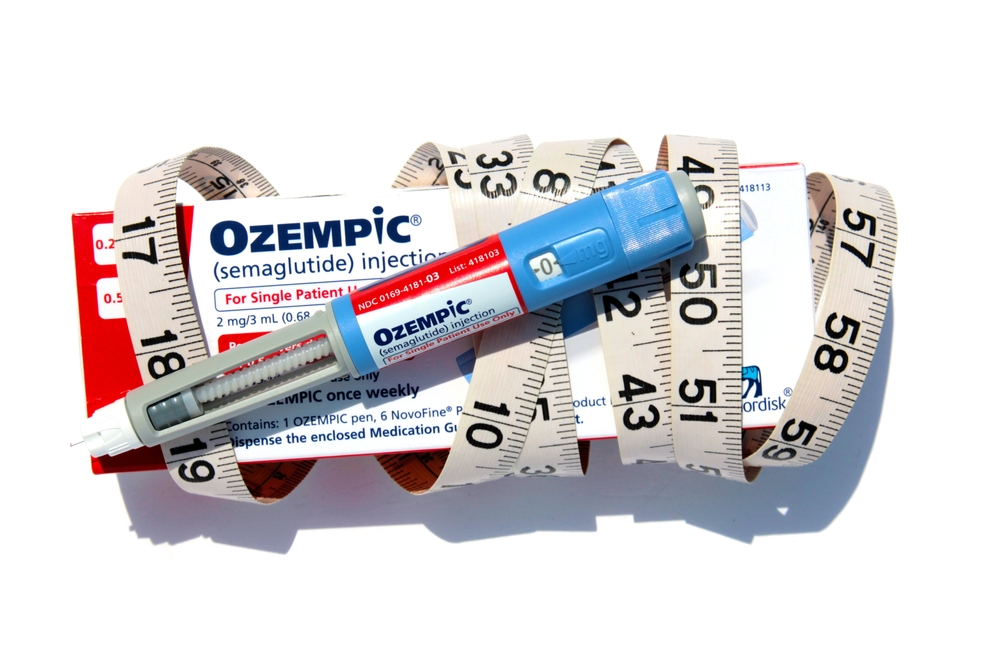
Before going further, one clarification matters. Ozempic may lend its name to this phenomenon, but similar concerns extend across the entire class of GLP-1 receptor agonists. Wegovy and Mounjaro have joined Ozempic in the weight-loss spotlight. Zepbound, Saxenda, Victoza, Trulicity, Byetta, and Bydureon BCise all belong to this medication family as well.
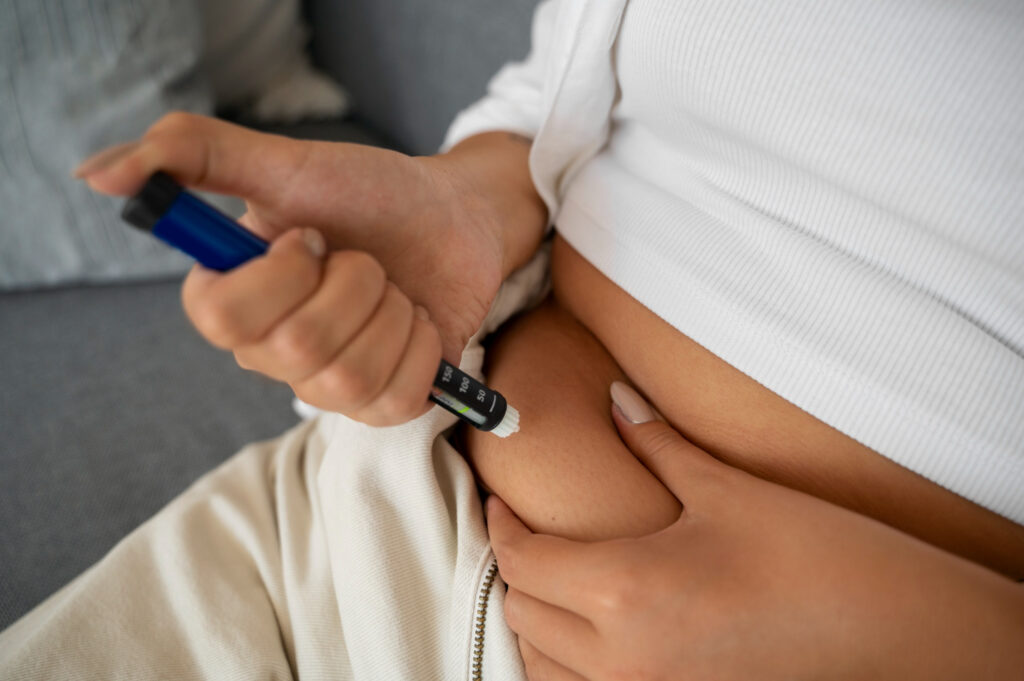
GLP-1 receptor agonists work by mimicking a hormone that regulates blood sugar and appetite. When patients inject these medications, they feel full longer. Their stomachs empty more slowly. Blood sugar levels stabilize. For people with type 2 diabetes or obesity, these effects can prove life-changing.
By 2024, approximately 5.7 million Americans were taking these medications, according to research from KFF Health Track. With numbers like these, even rare side effects can affect substantial populations. And when it comes to oral health, the side effects in question may not be rare at all.
Dry Mouth and Its Consequences
Among the most common complaints from GLP-1 users, one stands out for its potential to damage teeth. Dry mouth, known in medical terms as xerostomia, affects a significant portion of patients taking these medications.
Austin has heard this complaint repeatedly in her practice. “Reduced salivary flow is one of the most common complaints I hear from patients on GLP-1 medications,” she noted. “Saliva is essential for neutralizing acids and protecting enamel. When it’s diminished, the risk of decay and gum disease rises sharply.”
Understanding why dry mouth occurs requires looking at how these drugs function. GLP-1 medications slow gastric emptying, which means food and liquids stay in the stomach longer. While slowed digestion helps control appetite, it may also reduce the sensation of thirst. Patients drink less water throughout the day. Salivary glands produce less protective fluid.
Saliva does far more than keep mouths comfortable. It washes away food particles that would otherwise feed bacteria. It neutralizes acids from foods and drinks before they can attack enamel. It delivers minerals that help strengthen tooth surfaces. When saliva production drops, all these protective mechanisms weaken.
Patients with dry mouth often experience a sticky feeling in their mouths. Swallowing becomes difficult. Lips crack. Bad breath develops and lingers despite brushing. Over time, cavities form in places where teeth had previously remained healthy. Gums grow irritated and may begin to recede.
When Stomach Acid Reaches Teeth

Dry mouth represents just one piece of this puzzle. Nausea and vomiting create another pathway to dental damage, and both rank among the most frequently reported GLP-1 side effects.
Data submitted to the Food and Drug Administration shows that nausea affects between 16 and 20 percent of Ozempic users. Vomiting occurs in 5 to 9 percent of patients. For those who experience these symptoms repeatedly, the implications for dental health grow serious.
Stomach acid carries a pH low enough to dissolve tooth enamel. Each episode of vomiting exposes teeth to this corrosive substance. Enamel, once lost, does not regenerate. Over time, teeth become sensitive to temperature changes. Surfaces grow rough and discolored. Structural integrity weakens to the point where fractures become possible.
Acid reflux compounds this problem. Many GLP-1 users report heartburn and gastroesophageal symptoms, likely connected to the same slowed digestion that controls appetite. When stomach acid travels upward, it contacts teeth even without vomiting. Chronic reflux can wear away enamel just as effectively as repeated vomiting, though more gradually.
Meghan Garcia-Webb, a board-certified obesity medicine specialist, has observed these patterns in her practice. She noted that acid reflux and vomiting can prove damaging to teeth, particularly when they become chronic problems affecting the teeth, throat, and esophagus over extended periods.
Nutrition Gaps and Neglected Routines

GLP-1 medications suppress appetite so effectively that some patients struggle to eat enough. While reduced caloric intake drives weight loss, extreme restriction can lead to nutritional deficiencies with real consequences for oral health.
Vitamin C supports gum tissue repair. Vitamin D helps the body absorb calcium, which maintains strong teeth and jawbones. B vitamins contribute to healthy oral tissues. Calcium itself forms the mineral structure of teeth. When patients consume too few calories, they often miss out on adequate amounts of these essential nutrients.
Gums may become inflamed more easily. Healing after dental procedures may slow. Bone density in the jaw may decrease over time. For patients already dealing with dry mouth and acid exposure, nutritional deficiencies add another layer of vulnerability.
A subtler factor also comes into play. Patients experiencing persistent nausea often neglect their usual oral hygiene routines. Brushing teeth while feeling sick holds little appeal. Flossing gets skipped. Dental appointments get postponed. Each missed session allows bacteria to multiply and plaque to harden into tartar.
Recognizing Warning Signs
Patients taking GLP-1 medications should monitor their mouths for changes that may signal developing problems. Sensitivity to hot or cold foods and drinks often appears early. Gums that bleed during brushing deserve attention. Persistent bad breath that mouthwash cannot eliminate may indicate bacterial overgrowth.
More advanced symptoms include visible erosion on tooth surfaces, which may appear as yellowing or roughness. Receding gums expose root surfaces that lack protective enamel. Teeth may feel loose. In some cases, cracks or fractures develop without any injury or excessive force.
Ehsan Ali, a board-certified internal and geriatric medicine specialist known as the Beverly Hills Concierge Doctor, offered guidance on when to seek professional help. “If you’re noticing new sensitivity, bleeding gums, bad breath that won’t go away, or any sudden changes like loose teeth or breakage, it’s time to call your dentist,” he advised.
Ali also emphasized that dental health connects to overall well-being. Poor oral hygiene can increase the risk for infections, inflammation, and cardiovascular disease over time. Protecting teeth means protecting the whole body.
Practical Steps for Protection

Patients can protect their dental health while using GLP-1 medications by adopting specific preventive habits. These actions lower the risk of enamel erosion and tooth decay.
Master Hydration Techniques
Hydration acts as your primary shield. Drink water consistently, even if you do not feel thirsty. Carry a reusable bottle to prompt regular sipping throughout the day. This habit prevents dry mouth and washes away food particles.
Stimulate Saliva Flow
Sugar-free gum encourages natural saliva production to buffer acids. Specialized rinses help those suffering from chronic dryness. Ask your dentist about prescription fluoride products to harden enamel. These tools provide extra security against bacteria.
Maintain Strict Hygiene Habits
Diligent brushing and flossing become mandatory for GLP-1 patients. Use fluoride toothpaste twice every day to clear plaque. If nausea leads to vomiting, rinse with water and baking soda immediately. This neutralizes stomach acid before you brush to stop enamel wear.
Make Smart Dietary Shifts
Food choices directly impact tooth strength. Avoid acidic drinks like soda or citrus juices that soften enamel. Limit sticky sweets because they cling to surfaces and feed decay-causing bacteria. Choose snacks that support oral integrity instead.
Support System Health
Certain lifestyle factors increase oral dryness. Reduce alcohol, tobacco, and caffeine intake whenever possible. If you consume these, increase water volume to balance the drying effect. Proper nutrition also fuels tissue repair. Eat small portions of leafy greens and dairy to supply calcium and vitamin D.
Working with Your Healthcare Team
Open communication between patients, physicians, and dentists produces the best outcomes. Patients should inform their dentists about all medications they take, including GLP-1 drugs. Dentists can then adjust treatment plans, recommend preventive measures, and monitor for early signs of damage.
When side effects like nausea, vomiting, or acid reflux become severe or chronic, prescribing physicians can help. Adjusting medication dosages sometimes reduces symptoms while preserving therapeutic benefits. Adding medications to control stomach acid or nausea offers another solution. In some cases, switching to a different GLP-1 formulation may help.
Regular dental cleanings become particularly important for patients on these medications. Professional cleanings remove tartar that home care cannot address. Examinations catch problems early, when treatment remains simpler and less invasive.
Medication Benefits Remain Real

Nothing in these concerns suggests that patients should abandon their GLP-1 medications. For people with type 2 diabetes, these drugs help control blood sugar and reduce the risk of serious complications. For those with obesity, significant weight loss can improve cardiovascular health, joint function, and overall quality of life.
Awareness, not alarm, represents the appropriate response. By understanding how these medications may affect oral health and taking proactive steps to protect their teeth, patients can enjoy the benefits of treatment while minimizing potential downsides.
Early intervention makes all the difference. Catching problems before they become severe allows for simpler, less costly treatment. Preventing damage in the first place proves even better. With proper hydration, consistent oral hygiene, regular dental visits, and open communication with healthcare providers, patients can keep their smiles healthy throughout their treatment journey.
GLP-1 medications have helped millions of people improve their health. With the right precautions, “Ozempic teeth” need not become part of anyone’s story.