
Your cart is currently empty!
He Thought It Was Just the Flu. Hours Later, Bacteria Were Devouring His Arm
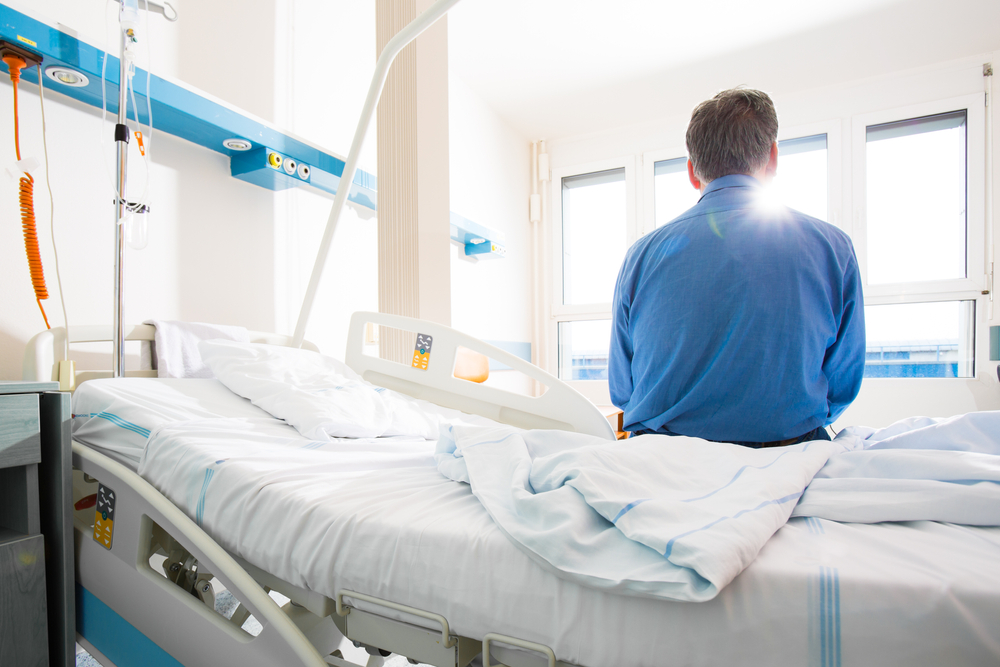
Mark Brooks had always taken pride in his fitness. At 53, the father of three from Grimsby maintained a rigorous gym routine and considered himself among the healthiest people he knew. December 2023 would challenge that identity in ways he never could have imagined.
Contents
show
What began as a minor injury during a workout would spiral into a medical emergency within hours. By the time doctors understood what was happening inside his body, Mark was already fighting for survival against an invisible predator that had turned his own flesh into a feeding ground.
His story serves as a stark reminder that even the healthiest among us can fall victim to rare and devastating infections, and that recognizing warning signs early can mean the difference between life and death.
A Gym Session Gone Wrong
Mark pushed through his workout that December day despite feeling unwell. A sore throat had been bothering him for days, one he would later describe as the worst he had ever experienced. He was also fasting at the time, restricting food intake to specific windows as part of his health regimen.
During an intense training session, he tweaked his elbow. Nothing dramatic, nothing that seemed worth worrying about. Athletes and gym regulars deal with minor strains and pulls all the time. Mark finished his workout and went home, expecting his body to recover as it always had.
He had no way of knowing that bacteria had already begun invading his tissue, setting off a chain reaction that would bring him to the edge of death within 24 hours.
When Flu-Like Symptoms Turned Sinister
A fever arrived that night, and Mark slept heavily. Upon waking, something felt wrong with his elbow. Pain radiated through the joint as though he had smashed it against his bedside table while sleeping. He could barely move it, barely use his arm at all. Vomiting followed. His fever continued to climb.
Mark assumed he had been hit with a perfect storm of bad luck. A sore throat, perhaps the flu, maybe food poisoning, and an aggravated elbow injury all at once. Unpleasant, certainly, but nothing that seemed life-threatening. He tried to rest and wait it out.
Inside his arm, however, something far more sinister was unfolding. Necrotising fasciitis, a rare bacterial infection sometimes called flesh-eating disease, had taken hold. Bacteria were multiplying at an alarming rate, destroying skin, fat, and muscle tissue as they spread. With every passing hour, more of Mark’s arm was being consumed from within.
Racing Against a Fading Mind
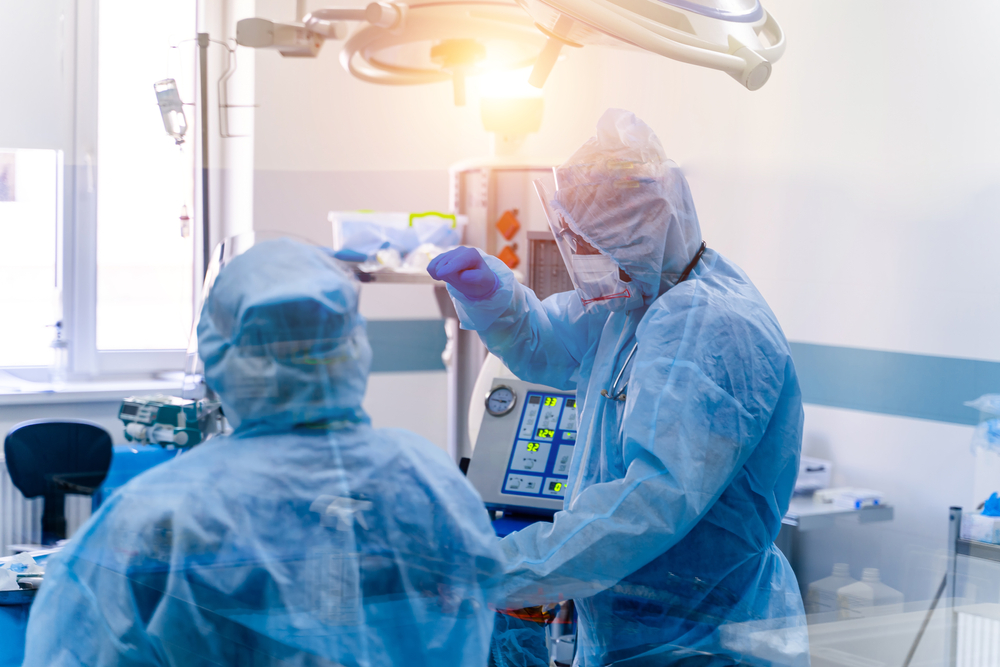
Mark’s condition deteriorated with frightening speed. His thoughts grew foggy, his ability to reason and make decisions slipping away as infection ravaged his system.
“I remember sitting on the carpet thinking that my decision making capacity was diminishing and that I only had one good decision left in me,” Mark recalled.
In that moment of clarity amid the confusion, he knew he had to get to the hospital. Had he waited longer, had he dismissed his symptoms as mere flu and gone back to sleep, he might not have survived the night. Necrotising fasciitis can kill within 24 to 48 hours if left untreated, and Mark was already deep into that window.
He gathered what strength remained and made his way to seek medical help. It was the decision that saved his life.
A Misdiagnosis Almost Cost Him Everything
Emergency room doctors examined Mark and reached an initial conclusion. His symptoms, they believed, pointed toward compartment syndrome, a painful condition where pressure builds inside a muscle compartment and restricts blood flow. Serious, but treatable and far less deadly than what was actually happening.
Compartment syndrome made sense on paper. Mark had injured his elbow at the gym, and the swelling and pain fit the profile. Medical teams prepared to address what they thought was the problem.
But then a large bruise appeared on Mark’s arm, spreading across the skin without any apparent cause. Something about it alarmed the medical staff. Bruises don’t just appear and grow that way from compartment syndrome. Another force was at work.
Surgeons rushed Mark into emergency surgery to investigate. What they found inside his arm would haunt everyone who witnessed it.
Bone Exposed, Flesh Devoured
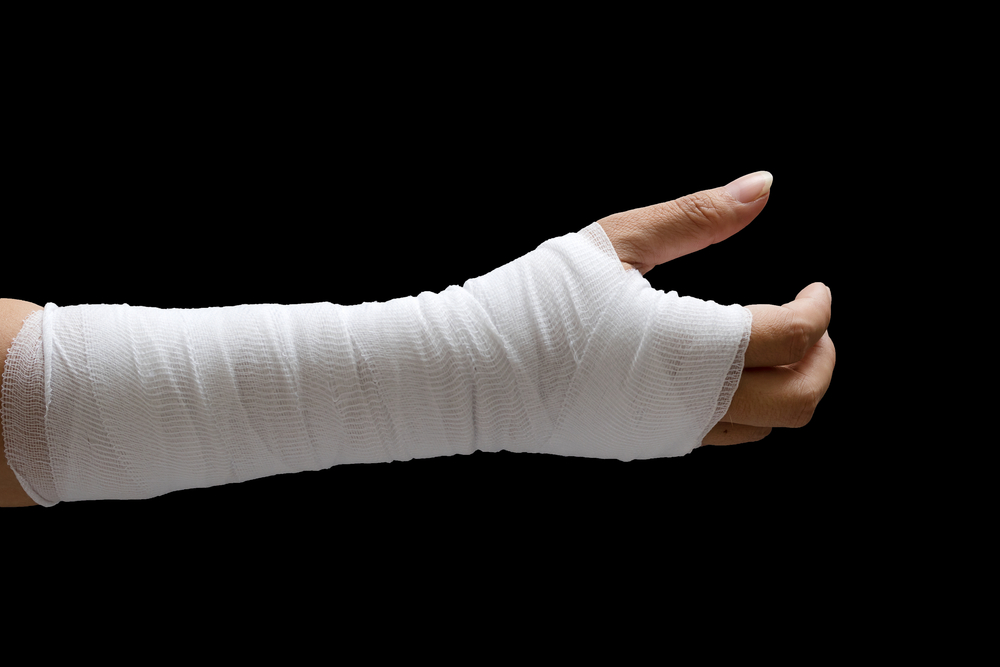
Necrotising fasciitis had been feasting on Mark’s arm for hours. Skin and muscle tissue had been destroyed at a pace that defied belief. Surgeons encountered damage so severe that bone lay exposed, stripped of the tissue that should have surrounded and protected it.
“At one point, you could see straight through my arm. There was bone with nothing supporting it,” Mark said. “It was grim to look at.”
Making matters worse, the bacteria had not confined themselves to his arm. They had entered his bloodstream and were now attacking his organs. Mark’s kidneys began to shut down as his body struggled to cope with the overwhelming infection.
Doctors delivered devastating news. Mark had developed multi-organ failure. His survival was far from guaranteed. Necrotising fasciitis carries a mortality rate of 20 to 40 percent under normal circumstances, but given the severity of Mark’s case and the spread of infection, his personal odds sat closer to 50 percent.
He spent a week in the intensive care unit as medical teams fought to save his life. Each day brought uncertainty, each hour a battle against bacteria that refused to surrender their hold on his body.
Twenty-Five Operations to Save His Arm
Mark remained in the hospital for nine weeks. During that time, surgeons operated on him 25 times, each procedure aimed at removing dead tissue and preventing the infection from spreading further.
Doctors removed necrotic skin, his brachialis muscle, much of his tricep, a finger flexor, and connective tissue that had been destroyed beyond repair. A vacuum pack was placed on his arm to keep the limb viable while medical teams continued their assault on the infection.
Necrotising fasciitis treatment requires aggressive surgical debridement, a process where surgeons cut away dead and dying tissue to prevent bacteria from having material to consume and spread through. On average, patients require three surgeries to ensure all infections have been removed. Mark required more than eight times that number.
Antibiotics flooded his system through IV lines, supporting the surgical efforts to eliminate bacteria from his body. Slowly, procedure by procedure, the medical team gained ground.
Skin Grafts and Agonizing Recovery

Once the infection was under control, reconstruction began. Surgeons harvested skin from Mark’s leg and back for graft procedures to cover the massive wounds on his arm. A muscle in his back was moved and repositioned to rebuild lost tissue. Fat from his stomach was packed around exposed bone to provide support and protection.
Mark woke from these procedures in agony. Donor sites where skin and muscle had been harvested hurt worse than his ravaged arm. He found himself crying without control, overwhelmed by pain that surpassed anything he had experienced before.
Recovery stretched on for weeks, then months. More surgeries remained on the horizon. Mark’s medical bills reached approximately £450,000, covered by insurance, with tens of thousands more expected as treatment continued.
Beyond physical wounds, psychological scars had taken root. Mark developed post-traumatic stress disorder from his ordeal, haunted by memories of those dark days when survival seemed uncertain.
One Decision Away From Losing His Arm
Looking back on his experience, Mark recognizes how close he came to a far worse outcome. Had circumstances been even slightly different, had he ended up at another facility or been seen by a different specialist, amputation would have been the likely result.
“If I’d gone to an orthopaedic surgeon, they would have amputated. One different decision, one different hospital, and my life would be totally different.” Mark said.
Surgeons at the hospital where Mark received treatment specialized in reconstruction and made saving his arm a priority. Their expertise, combined with the rapid surgical intervention once the true diagnosis became clear, meant Mark kept a limb that would otherwise have been lost.
He remains grateful for that outcome, even as he continues to cope with the lasting effects of his brush with death.
Finding Gratitude Amid Trauma
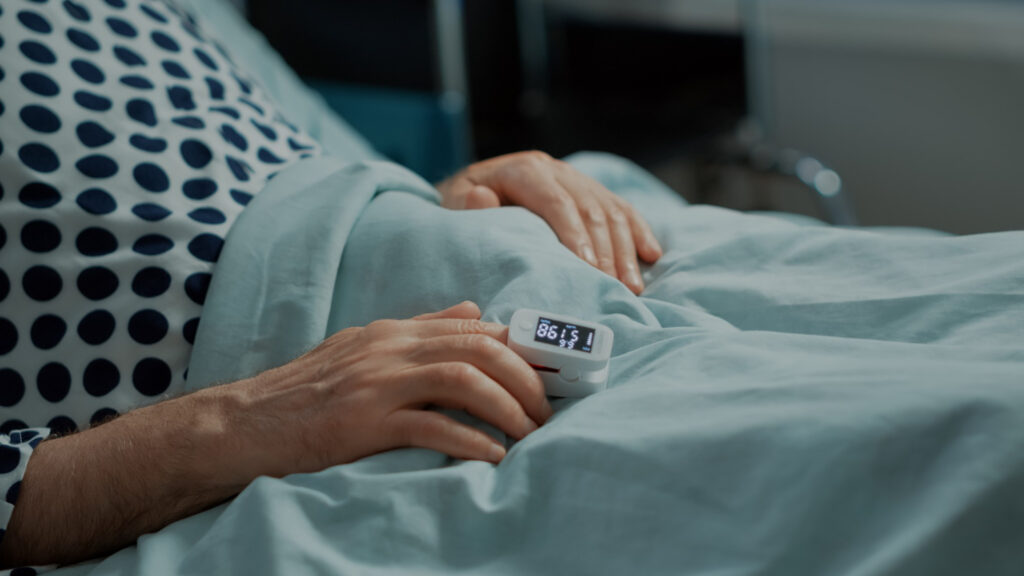
Mark has adopted a mindset focused on what remains rather than what was taken. Gratitude, he says, served as an antidote to the despair that could have consumed him.
Necrotising fasciitis nearly killed him. It destroyed muscle and tissue in his arm, left him with permanent physical changes, and saddled him with psychological wounds that require ongoing attention. Yet Mark survived. He kept his arm. He returned to his family.
By sharing his story, he hopes others might recognize warning signs of necrotising fasciitis before infection reaches the devastating stage his did. Early intervention saves lives with flesh-eating disease. Hours matter. Sometimes minutes do.
Recognizing Warning Signs

Necrotising fasciitis can develop when bacteria enter through any break in the skin, whether a surgical wound, a cut, a scrape, or an insect bite. Sometimes, as in Mark’s case, even a minor muscle injury can provide an entry point.
Early symptoms often mimic the flu. Fever, body aches, chills, and nausea can all appear as the infection takes hold. Pain near a wound or injury that seems far more severe than expected should raise immediate concern. Swelling around an affected area is another warning sign.
As the infection progresses, symptoms become more alarming. Vomiting, diarrhea, confusion, and discolored or blistered skin signal advanced disease. At that stage, death can follow within hours if treatment is not received.
Anyone experiencing intense pain near a wound combined with flu-like symptoms should seek emergency medical care without delay. Early surgical intervention combined with antibiotics offers the best chance of survival. Waiting, dismissing symptoms, or assuming the body will recover on its own can prove fatal.
Mark Brooks learned that lesson in the most harrowing way possible. His hope now is that others might learn from his experience rather than their own.