
Your cart is currently empty!
Two Nations Shut Their Doors to American Travelers After Visa Dispute Escalates
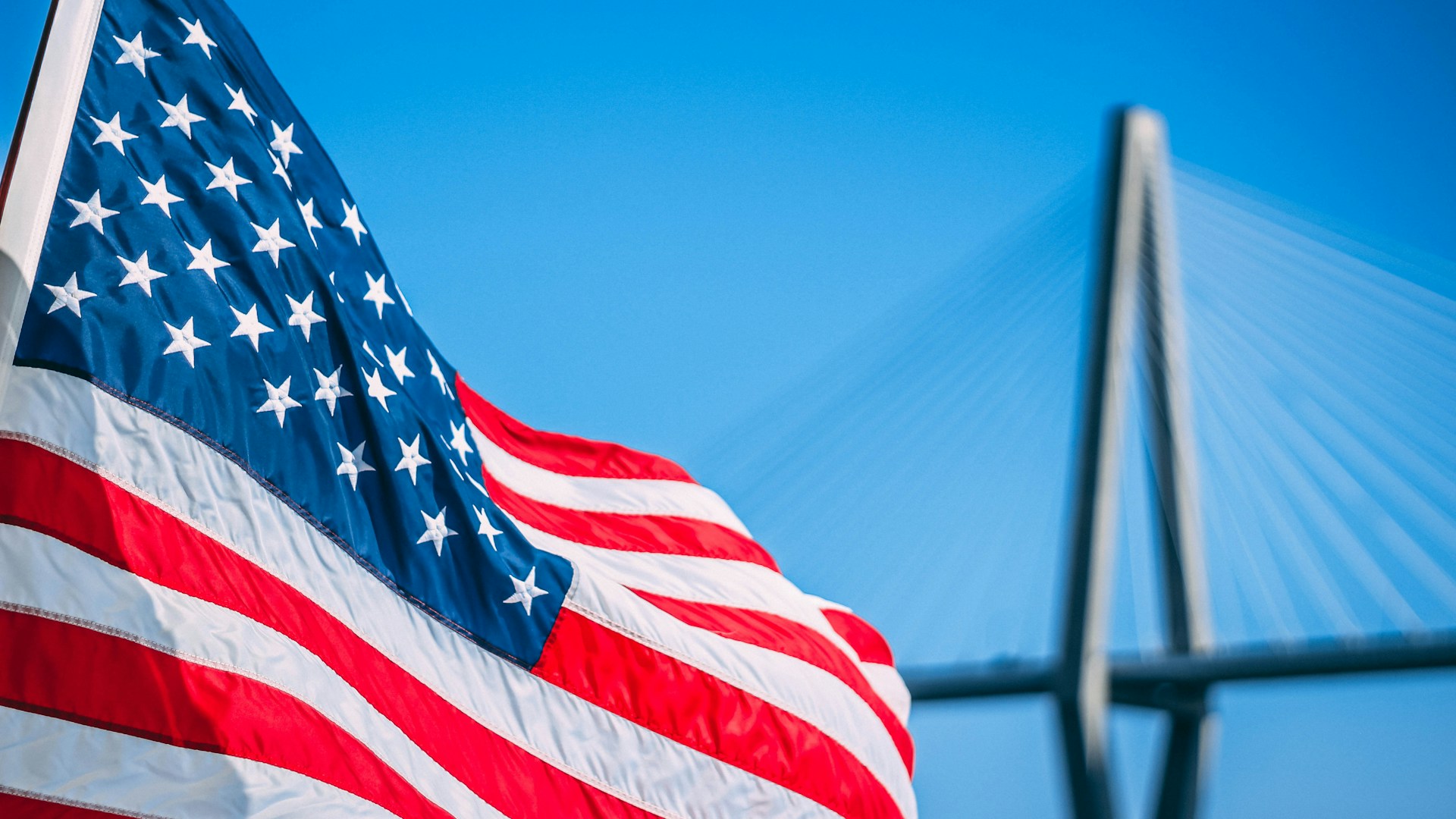
The global travel landscape is constantly shifting but few announcements ripple through international communities as quickly as restrictions aimed at one of the world’s most mobile populations. When news emerged that two countries had decided to ban United States citizens from entering their borders, the reaction was swift, confused and emotionally charged. For many Americans, travel is not only leisure but also work, family connection and cultural exchange. Suddenly, those expectations were disrupted.
Contents
show
The decision did not come out of nowhere. According to reporting from the BBC and Al Jazeera, the bans were rooted in a mix of diplomatic tension, visa policy disputes and long-simmering frustration over perceived imbalances in how travelers are treated at borders. While the number of countries involved is small, the symbolism is large, especially in a world that often assumes American passports guarantee easy entry.
Social media quickly filled with debate. Some saw the bans as retaliatory measures while others viewed them as overdue assertions of sovereignty by nations tired of unequal travel rules. For travelers caught in the middle, the story was less about geopolitics and more about canceled plans, missed opportunities and unanswered questions.
This article breaks down what led to the travel bans, what the affected countries have said and what it means for US citizens going forward. Beyond the headlines, it also explores the broader lessons about global mobility fairness and how quickly international norms can change.

What Exactly Was Announced
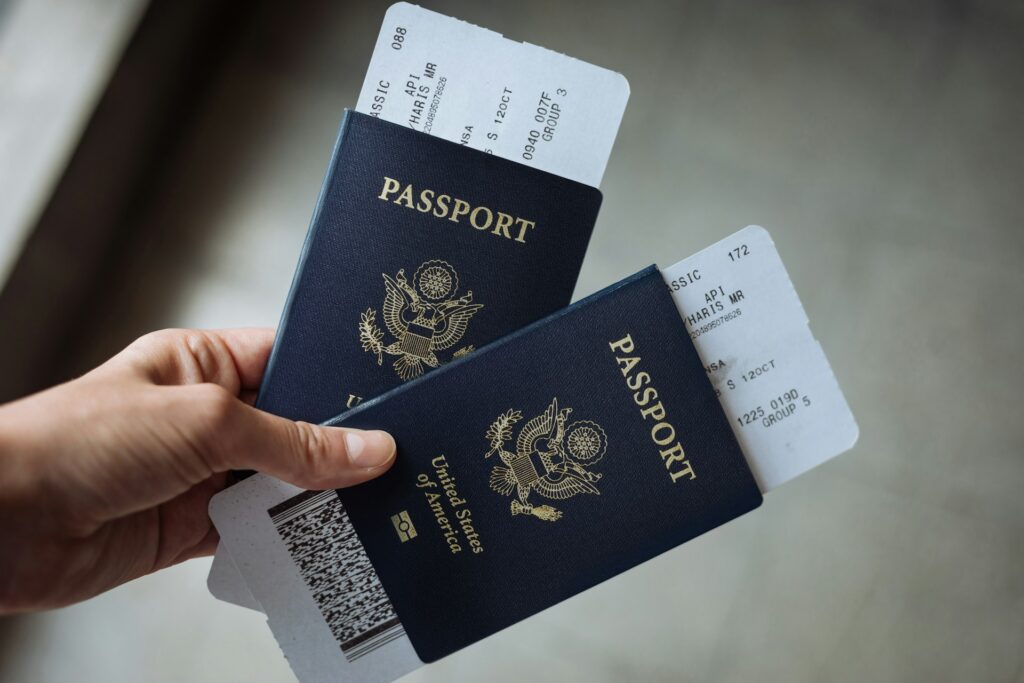
The announcements from the two countries came through official government channels and were later confirmed by international media outlets, including the BBC. Both governments stated clearly that United States passport holders would no longer be permitted to enter their countries under standard tourist or short-term visit arrangements.
The language used in the statements was formal but firm. Officials emphasized that the bans were policy decisions rather than temporary advisories. In both cases, the restrictions were framed as responses to how their own citizens are treated when attempting to enter the United States.
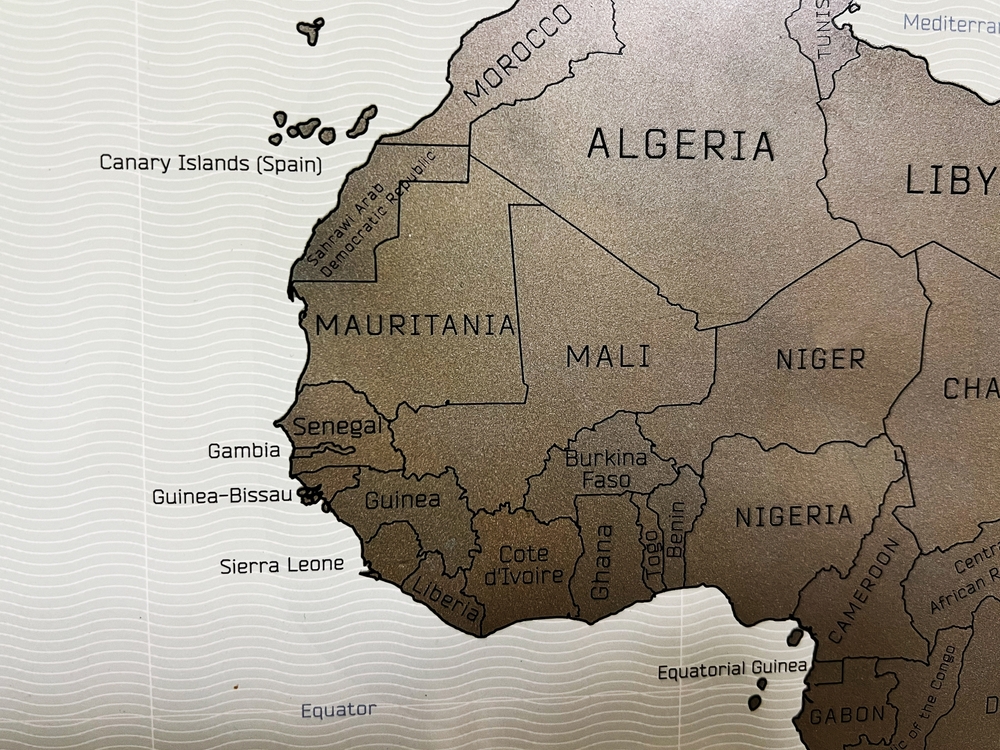
According to Al Jazeera, the move reflects growing frustration among some African nations that face strict US visa requirements, high rejection rates and long processing times. Leaders argued that reciprocal treatment is a cornerstone of international relations and that the current system does not reflect that principle.
While exemptions may exist for diplomats or specific official travel, the message to everyday travelers was unmistakable. For now, American tourists, business travelers and even those visiting friends or family are effectively shut out.
The Countries Behind the Decision
The two countries involved have not always been at the center of global travel debates but they play important regional roles and maintain longstanding diplomatic ties with the United States. Their decision, therefore, surprised many observers who assumed such relationships would prevent drastic measures.
Reporting from regional outlets and U.S.-based news organizations, such as AL.com, noted that officials in these countries have repeatedly raised concerns about visa inequality in bilateral meetings. When those discussions failed to produce change the travel bans became a tool to force attention.
In public statements, leaders stressed that the bans were not driven by hostility toward the American people. Instead, they described the move as a policy correction aimed at highlighting systemic unfairness. They pointed out that their own citizens often face costly applications, invasive questioning and frequent denials when seeking US visas.
By implementing bans of their own, these governments believe they are sending a clear message that international mobility should be based on mutual respect rather than power imbalances.
Why Us Citizens Were Targeted
The choice to single out US citizens is closely tied to how powerful the American passport is perceived to be globally. For decades, Americans have enjoyed visa-free or visa-on-arrival access to dozens of countries, while citizens of many developing nations do not receive the same treatment.
According to analysis shared by Al Jazeera, this imbalance has created resentment, particularly in regions where historical relationships with Western powers are complex. The argument is not just about paperwork but about dignity and equality at borders.
Officials in the banning countries pointed to statistics showing high refusal rates for their nationals applying for US visas, even for tourism or academic conferences. These experiences contrast sharply with the ease with which Americans typically cross international borders.
By targeting US citizens, the bans aim to make the issue visible. Leaders hope that American travelers encountering restrictions firsthand will spark domestic conversations within the United States about visa policy reform.
Immediate Impact on Travelers
For Americans who already had trips planned, the impact was immediate and personal. Flights were canceled, hotels were refunded and itineraries built over months were suddenly useless. Some travelers only learned of the bans through news alerts or airline notifications.
Travel forums and social media groups quickly filled with questions. People asked whether transit would still be allowed, whether dual citizenship might help and if the bans could be appealed. In most cases, the answers were unclear, highlighting how quickly policy shifts can outpace communication.
Business travelers were also affected. Companies with operations or partnerships in the affected countries had to postpone meetings or switch to virtual formats. For smaller businesses and freelancers, the financial losses were harder to absorb.
Beyond logistics, many travelers expressed emotional disappointment. For some, the trips were long awaited chances to reconnect with heritage, explore new cultures or attend important life events. Those experiences are not easily replaced.
Diplomatic Reactions and Silence
The response from US officials has been cautious. While the State Department acknowledged the reports, it stopped short of issuing strong public statements condemning the bans. This measured tone suggests behind the scenes discussions may already be underway.
Diplomatic experts quoted by the BBC noted that overt criticism could escalate tensions. Instead, quiet negotiations are often preferred when travel restrictions are framed as reciprocal rather than punitive.
At the same time, the lack of a forceful response left some Americans feeling unsupported. Travelers accustomed to strong consular advocacy questioned whether their concerns were being prioritized.
The situation underscores how diplomatic strategy and individual experience can diverge. What appears as a manageable policy dispute at the state level can feel deeply personal to those directly affected.
A Growing Trend of Reciprocity
The bans do not exist in isolation. Around the world, countries are increasingly reexamining visa agreements through the lens of reciprocity. If one nation imposes strict controls, others are more willing to respond in kind.
Al Jazeera reporting highlights similar debates unfolding in Asia, Latin America and parts of Europe. Governments are under pressure from citizens who ask why they should welcome travelers from countries that restrict them.
This trend reflects a broader shift in global politics where power dynamics are being challenged. Mobility, once seen as a privilege of wealthier nations, is now contested as a matter of fairness.
If more countries adopt reciprocal policies, international travel could become more fragmented. The era of assumed access based on passport strength may be slowly giving way to a more negotiated landscape.
What This Means for Future Travel
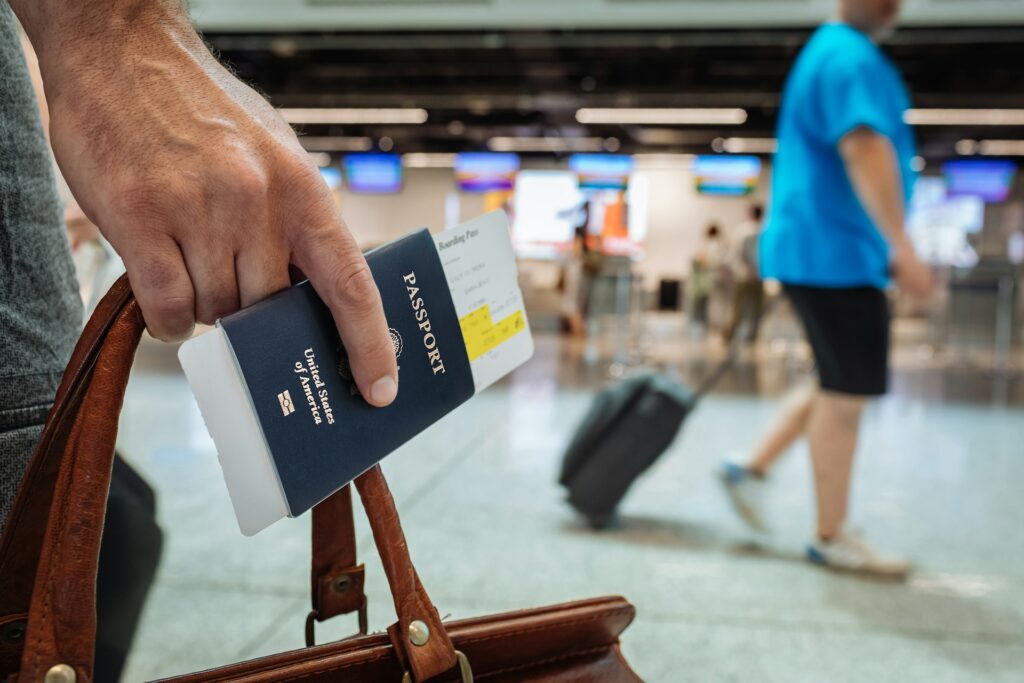
For US citizens, the immediate lesson is that no passport guarantees permanent access. Travel rules can change quickly in response to political decisions far removed from tourism itself.
Experts recommend that travelers stay informed through official government sources and reputable news outlets. Relying on outdated assumptions about visa-free access can lead to costly mistakes.
There is also a broader implication for how Americans view global mobility. Experiencing restrictions firsthand may foster greater empathy for travelers from countries who navigate complex visa systems regularly.
In the long term, these bans could contribute to policy discussions within the United States about reforming visa processes and reducing perceived inequities.
What American Travelers Can Learn From This
The announcement that two countries have banned US citizens from entry is more than a viral headline. It is a reminder that travel is deeply political even when it feels personal and routine.
For decades, Americans have moved through the world with relative ease. Encountering barriers, challenges assumptions and invites reflection on how those privileges are constructed.
Whether the bans remain in place or are lifted through negotiation, their impact will linger. They highlight the interconnectedness of diplomacy, policy and everyday life.
As global travel continues to evolve, one thing is clear. Mobility is not just about where you want to go but about the relationships between nations and the values they choose to uphold.