
Your cart is currently empty!
Security Concerns Rise After Trumps Palm Beach Airport Departure
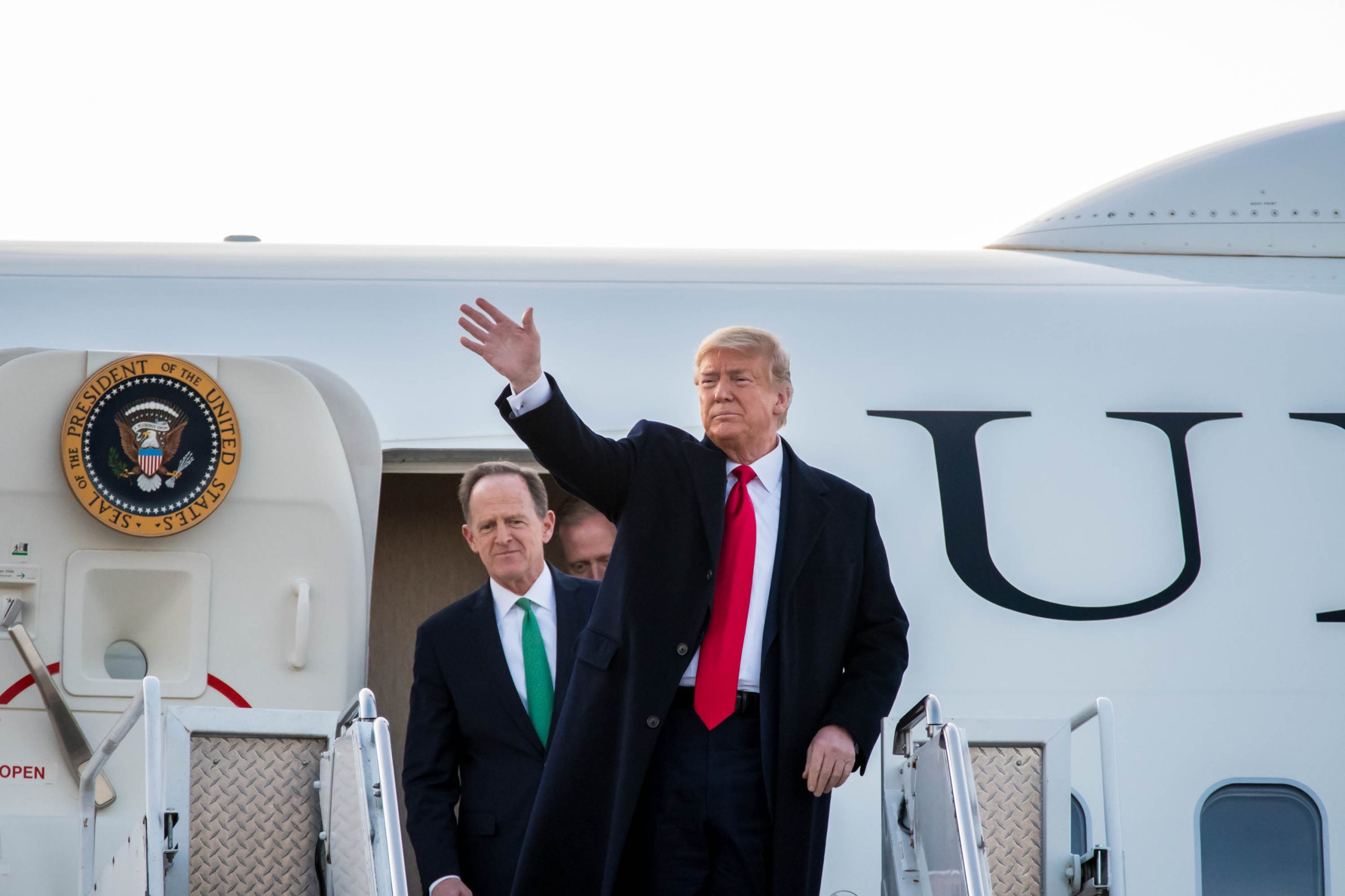
In modern American politics, moments of routine travel can suddenly become flashpoints that capture national attention. That reality was on full display Sunday night in Florida, when President Donald Trump’s motorcade took an unusual and extended route to Palm Beach International Airport after federal agents discovered what officials described only as a “suspicious object” during a standard security sweep.
Contents
show
The incident did not delay Trump’s departure from Florida, nor did it interrupt his return to Washington, D.C. Still, the decision to alter the motorcade route, reposition Air Force One, and quietly implement additional security measures highlighted the delicate balance between routine presidential movements and the heightened threat environment surrounding a former president who remains one of the most polarizing figures in American public life.
While White House officials emphasized that the response followed standard protocol, the episode has renewed public focus on the evolving security challenges tied to Trump’s movements, particularly in Palm Beach, where his private residence at Mar-a-Lago sits just minutes from a major international airport.
A Security Sweep That Prompted Immediate Changes
According to the White House, the U.S. Secret Service discovered the suspicious object during advance sweeps at Palm Beach International Airport ahead of Trump’s scheduled departure. These sweeps are part of routine preparations conducted before any presidential arrival or departure, designed to identify potential threats before the motorcade enters secured zones.
Press secretary Karoline Leavitt confirmed that the discovery warranted further investigation and prompted security officials to adjust the presidential motorcade route as a precaution. Officials did not describe the object publicly, nor did they indicate whether it was later deemed harmless.
Despite the discovery, Trump’s travel timeline remained intact. He departed from Mar-a-Lago in the early evening and arrived at the airport without delay. When reporters later asked Trump about the incident, he responded simply that he knew nothing about it.
Secret Service spokesman Anthony Guglielmi described the rerouting as standard protocol, noting that secondary routes are frequently used whenever additional caution is deemed necessary. In other words, while the circumstances drew attention, the response itself was well within the agency’s established security playbook.
An Unusual Drive Through Palm Beach
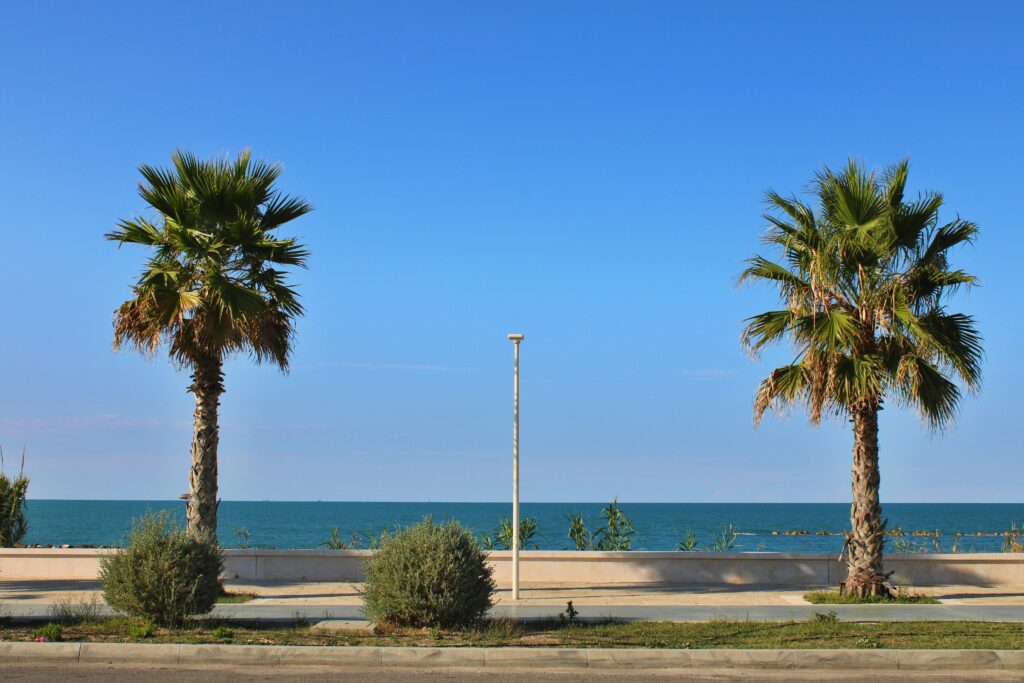
Observers along Trump’s route quickly noticed that something was different. Instead of taking the usual direct drive to the airport, the motorcade traveled a more circular path through Palm Beach, extending what is normally a brief ten minute journey.
Police officers on motorcycles created a moving blockade around the motorcade, at times riding extremely close to the accompanying vehicles. At one point, officers appeared to narrowly avoid colliding with the vans traveling alongside Trump.
Upon arrival at the airport, additional deviations from the norm were evident. Air Force One was parked on the opposite side of the airfield from its usual position, and the exterior lights near the aircraft were turned off as the motorcade arrived. These measures, while subtle, underscored the heightened caution in place during the departure.
None of these adjustments were explained in detail at the time, but together they painted a picture of a security operation working quietly and methodically to reduce potential exposure while maintaining the president’s schedule.
Palm Beach as a Persistent Security Focus
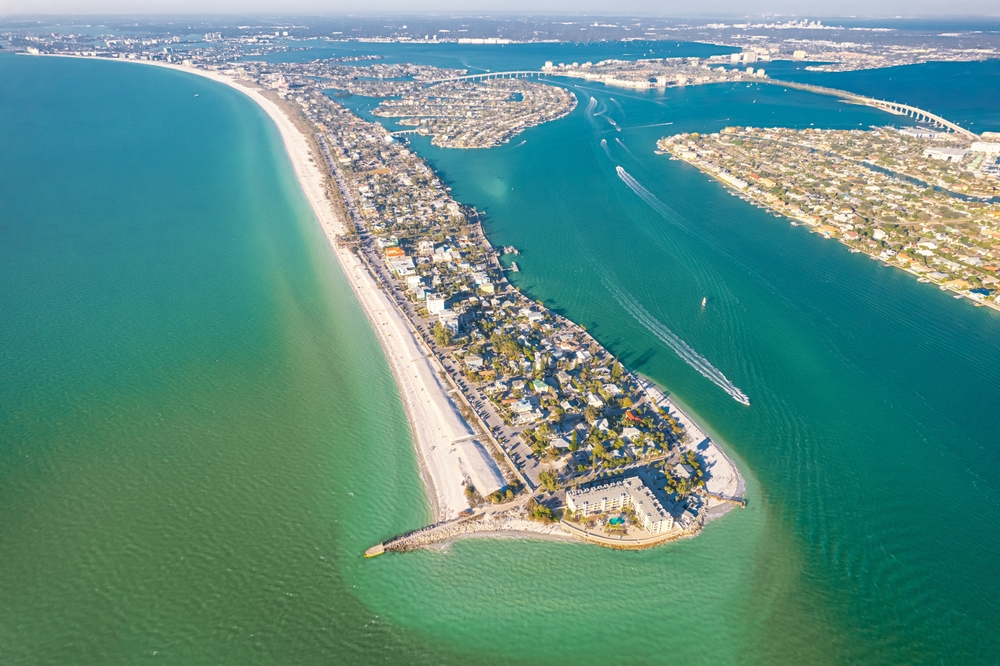
Palm Beach has become a uniquely sensitive location in the Secret Service’s operational landscape due to Trump’s frequent stays at Mar-a-Lago. Unlike the White House, which is permanently fortified, Mar-a-Lago is a private club situated in a densely populated area with public roads, nearby waterways, and a major airport only a few miles away.
The proximity of Palm Beach International Airport presents particular challenges. Trump’s movements between the airport, his residence, and local golf courses require temporary security corridors that pass through areas not originally designed for presidential protection.
Over time, this has required the Secret Service to adapt its procedures, increasing surveillance, tightening access points, and coordinating closely with local law enforcement agencies. Each arrival and departure becomes a complex logistical operation that blends federal resources with state and local support.
Sunday’s incident reinforced just how quickly those plans can shift when even a single unknown variable enters the equation.
The October Hunting Stand Discovery
The suspicious object found Sunday was not the first recent security concern tied to Palm Beach International Airport. In October, Secret Service agents discovered what they described as an elevated hunting stand positioned with a direct line of sight to the area where Trump exits Air Force One.
The stand was located during advance preparations for one of Trump’s weekend visits. No individuals were found in the area at the time, but the discovery prompted an immediate investigation led by the FBI.
According to officials, the structure appeared to have been in place for months before it was identified. The revelation raised uncomfortable questions about how long the vantage point had gone unnoticed and whether it could have been exploited by someone with malicious intent.
While investigators ultimately found no evidence of an active threat linked to the stand, the incident underscored the vulnerabilities inherent in protecting a high profile figure whose movements are widely reported and closely watched.
A Year Marked by Real Threats

These security concerns do not exist in a vacuum. They follow a series of incidents over the past year that have fundamentally reshaped how many Americans view the risks facing political leaders.
In one of the most serious cases, Ryan Routh was found guilty of attempting to assassinate Trump at his West Palm Beach golf course. Prosecutors said Routh had established a concealed sniper’s nest along a fence line bordering the property, positioning himself with a clear view of the course.
The plot was disrupted before Trump was harmed, but the details revealed in court highlighted how carefully planned the attempt had been. It also reinforced the reality that threats against Trump are not hypothetical, but real and persistent.
Earlier in the campaign season, Trump was also wounded during a rally in Butler, Pennsylvania, when a gunman fired into the crowd, grazing Trump’s ear. That incident, captured on live television, sent shockwaves through the political world and prompted immediate reassessments of campaign security nationwide.
Taken together, these events have elevated every unexplained object, unusual structure, or irregular movement into a potential red flag requiring swift and decisive action.
How the Secret Service Assesses Risk

The Secret Service operates under a guiding principle that emphasizes caution over convenience. When agents encounter anything out of the ordinary, whether it is an unattended package, an unfamiliar structure, or unexpected activity near protected areas, they are trained to assume the worst until proven otherwise.
This approach explains why officials often decline to describe suspicious objects publicly. Doing so could inadvertently reveal investigative methods or encourage copycat behavior. Risk assessments typically involve several steps:
- Immediate isolation of the area to prevent exposure.
- Evaluation by trained personnel, sometimes including bomb technicians or intelligence analysts.
- Adjustments to movement plans, such as rerouting motorcades or repositioning aircraft.
- Coordination with local and federal partners, including the FBI when appropriate.
In many cases, the object or situation is later determined to be harmless. However, officials consistently emphasize that false alarms are preferable to missed threats.
Trump’s Public Response and Silence
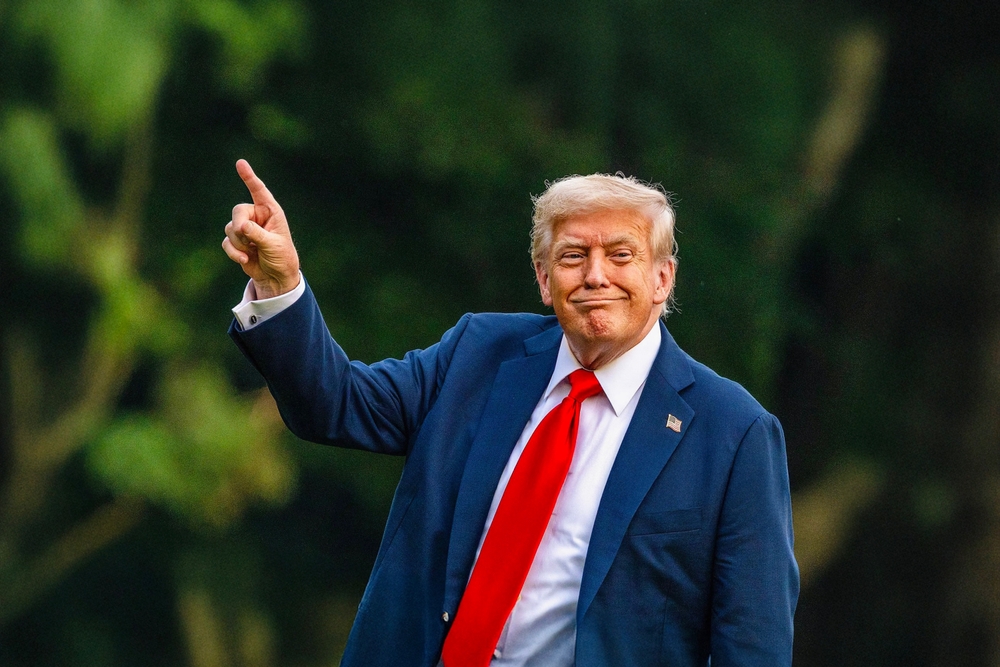
When asked about the suspicious object, Trump told reporters that he knew nothing about it. The comment aligned with standard practice, as protected individuals are often shielded from operational details unless their awareness is necessary.
Trump did not mention the incident during his remarks to reporters after landing in Washington, nor did he reference it during his subsequent public appearances.
This silence contrasts with Trump’s past tendency to speak openly about security concerns, particularly when they intersect with his broader political narrative. In this case, the lack of commentary may reflect a deliberate effort to avoid drawing additional attention to the episode.
Political Optics and Public Reaction
News of the rerouted motorcade spread quickly, with images and eyewitness accounts circulating online. Some supporters interpreted the incident as further evidence that Trump remains under constant threat, reinforcing their perception that he is a uniquely targeted figure.
Critics, meanwhile, cautioned against speculation, noting that suspicious objects are regularly encountered and investigated without incident. They emphasized that the Secret Service’s swift response demonstrated competence rather than crisis.
The episode also reignited debates about transparency and public trust. While officials are understandably cautious about sharing details, the absence of specific information often leaves room for rumor and misinformation to fill the void.
The Broader Context of Political Security
Presidential security has evolved dramatically over the past several decades, shaped by assassinations, attempted attacks, and technological change. Modern threats extend beyond firearms to include drones, cyber interference, and coordinated disruptions designed to exploit public spaces.
For figures like Trump, who continue to travel frequently and appear at public venues, the challenge is even greater. Each movement requires a tailored security plan that accounts for local geography, crowd dynamics, and real time intelligence.
The Palm Beach incident serves as a reminder that these plans are living documents, constantly adjusted in response to new information.
Life Around Mar-a-Lago
For residents and visitors in Palm Beach, security disruptions have become an occasional fact of life. Road closures, increased police presence, and restricted airspace often accompany Trump’s visits.
While many locals accept these measures as a necessary tradeoff, others express frustration with the unpredictability and inconvenience they create. Local officials must balance federal security demands with the needs of a community that remains open to tourists and commerce.
Sunday’s temporary road closures and traffic diversions were lifted once the investigation concluded, restoring normalcy within hours.

Why Small Incidents Matter
It is easy to dismiss a rerouted motorcade as a minor footnote in the daily news cycle. Yet such moments offer a glimpse into the unseen machinery that underpins political life at the highest level.
They reveal how quickly plans can change, how many layers of protection are involved, and how much hinges on the judgment of agents making split second decisions.
They also underscore the reality that political violence, once considered unthinkable by many Americans, now occupies a central place in security planning.
Reflecting on the State of Political Safety
The discovery of a suspicious object at Palm Beach International Airport did not result in harm, delay, or public disruption beyond a few diverted roads. In that sense, it was a success story for the agencies tasked with keeping political leaders safe.
At the same time, it highlights a sobering truth. In today’s polarized climate, even routine departures require extraordinary vigilance. The systems designed to protect leaders must assume that threats can emerge anywhere, at any time.
For the public, these incidents invite reflection on the broader environment in which politics now unfolds. They prompt questions about how society arrived at a point where such precautions feel necessary, and what steps might one day make them less so.
As Trump continues to navigate a political landscape defined by intense support, fierce opposition, and heightened risk, moments like Sunday’s rerouted motorcade serve as quiet reminders of the stakes involved. The work of security professionals often goes unnoticed when it succeeds, but it remains an essential, and increasingly complex, part of modern democracy.