
Your cart is currently empty!
Trump Freezes $10 Billion in Funding to Five States Citing Fraud Concerns
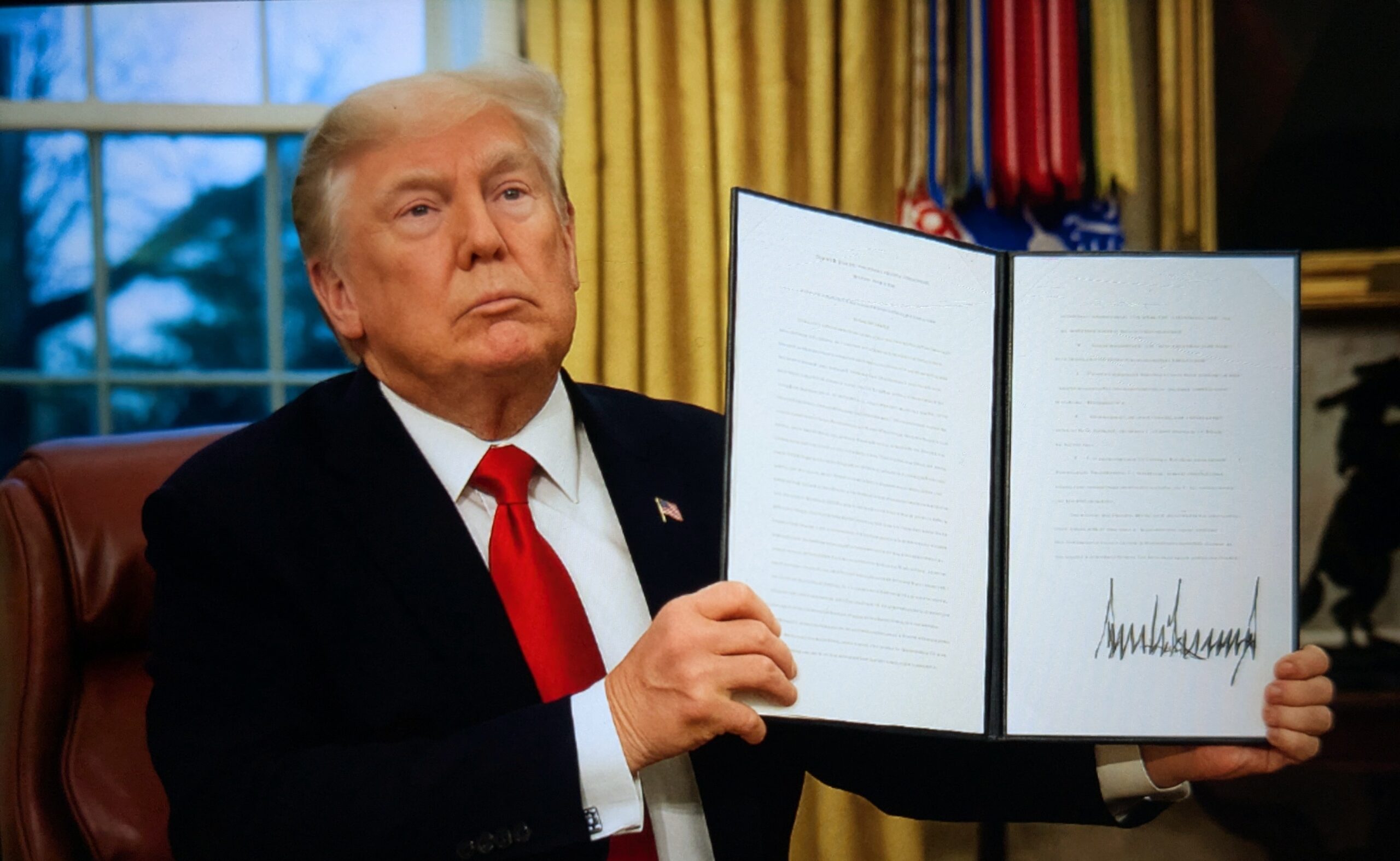
A sudden directive from Washington has placed billions of dollars in federal aid on hold, leaving five states scrambling to understand the implications for their most vulnerable residents. The administration cites alarming evidence of fraud as the driving force behind the freeze, insisting that taxpayer money must be protected from misuse at all costs. Yet, as confusion spreads from statehouses to local child care centers, the line between fiscal responsibility and political retribution is becoming increasingly blurred for the families caught in the middle.
Contents
show
The Scope of the Federal Funding Freeze
The Trump administration formally moved to freeze more than $10 billion in federal funding previously allocated to five Democrat-led states. This directive specifically targets California, Colorado, Illinois, Minnesota, and New York, effectively pausing the distribution of capital meant for essential social services. The Department of Health and Human Services indicated that the decision stems from concerns that taxpayer-funded benefits are being improperly accessed by non-citizens.
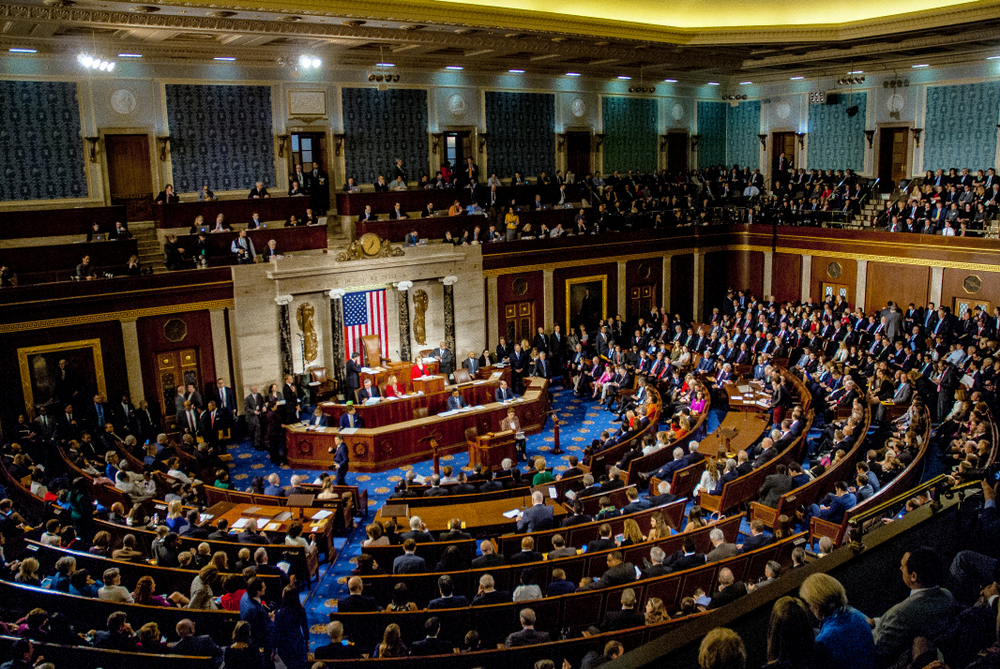
Three primary sources of federal aid are affected by this pause. The most significant portion involves the Temporary Assistance for Needy Families (TANF) program, with approximately $7.35 billion blocked from reaching the state governments. Additionally, nearly $2.4 billion from the Child Care Development Fund and $869 million tied to the Social Services Block Grant program have been withheld.
Alex Adams, the Assistant Secretary for the Administration for Children and Families, communicated this decision through letters sent to state officials. In this correspondence, the administration cited recent federal prosecutions and allegations of fraud as the primary motivators for the freeze. The letters requested that the five governors provide comprehensive lists of funding recipients dating back to 2019 to assist federal agencies in verifying the integrity of these programs.
Minnesota Connection and Fraud Allegations

The decision to freeze federal assets appears largely driven by intensifying scrutiny over how state funds are managed in Minnesota. Administration officials have pointed to alleged “industrial-scale fraud” within the state as a primary justification for the broader crackdown. These concerns center on the “Feeding Our Future” scandal, where federal prosecutors have already secured convictions related to $250 million in stolen funds. Authorities state that money intended for feeding children was instead misappropriated by a non-profit organization linked to the Somali community to purchase luxury vehicles and real estate.
While $250 million has been accounted for in court, First Assistant US Attorney Joe Thompson publicly suggested the actual scope of the theft could reach as high as $9 billion. This narrative has been amplified by President Trump, who took to social media to accuse Minnesota Governor Tim Walz and Representative Ilhan Omar of mishandling taxpayer dollars. Trump explicitly claimed that billions were being stolen by political allies and “Somali friends” of the governor.
To support these claims, the administration has cited demographic shifts and independent reports. Data from the Pew Research Center indicates that the population of unauthorized immigrants in Minnesota grew from 90,000 in 2019 to approximately 130,000 in 2023. Additionally, officials referenced videos produced by independent content creators who visited childcare centers in the state, alleging that many facilities receiving government subsidies appeared to be non-operational. These factors combined to form the evidentiary basis for the administration’s aggressive financial pause.
Governors Condemn Funding Freeze as a Vindictive Political Move
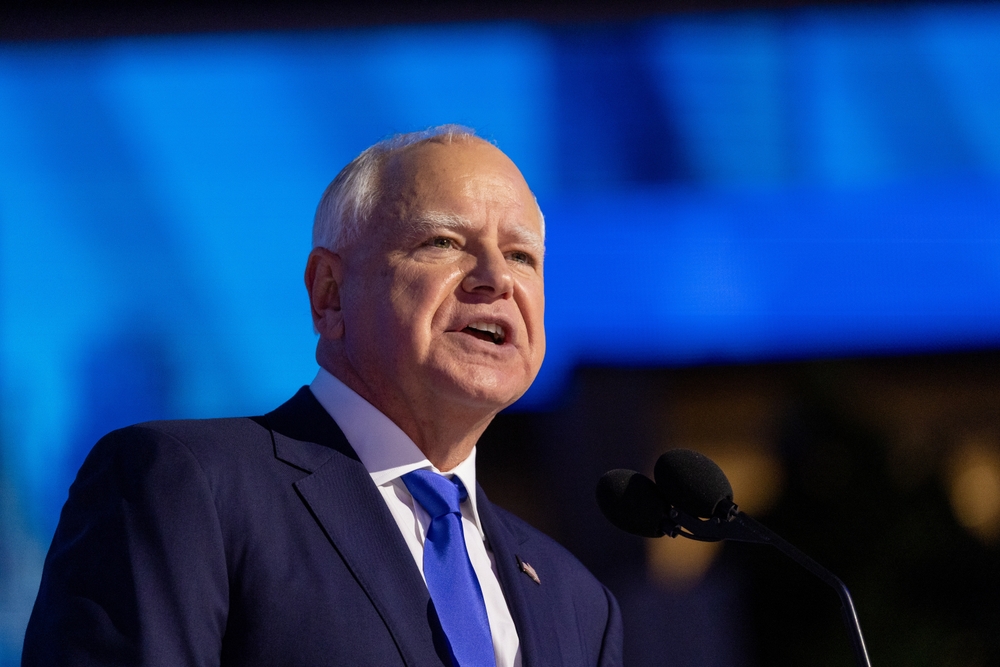
The announcement of the funding freeze triggered an immediate and sharp rebuke from state leaders, who characterized the move as a politically motivated attack rather than a genuine effort to curb fraud. New York Governor Kathy Hochul condemned the decision as “vindictive,” asserting that children should not be treated as “political pawns” in disputes between the White House and Democratic governors. Similarly, Senator Kirsten Gillibrand described the action as “immoral and indefensible,” arguing that it punishes low-income families under the guise of fiscal responsibility.
Minnesota Governor Tim Walz, while acknowledging the necessity of earning public trust, criticized the federal approach as “political gamesmanship” that complicates legitimate efforts to root out bad actors. State officials argue that suspending funds for entire states due to localized fraud allegations is a disproportionate response that bypasses established legal channels for addressing financial mismanagement.
In response to the freeze, the five affected states promptly filed a lawsuit to block the administration’s directive. The legal pushback yielded an early victory for the states when a federal judge granted a temporary stay. This court order forces the administration to release the blocked funding for a two-week period while the litigation proceeds. Despite this temporary relief, the uncertainty has deeply unsettled the early childhood community. Advocacy groups estimate that without a permanent resolution, the cuts could disrupt services for approximately 339,000 children and destabilize operations for nearly 96,000 child care providers across the targeted states.
Social Service Providers Face Uncertainty After Sudden Funding U-Turn

The instability of federal support has extended beyond the specific freeze on the five states, affecting social service providers on a national scale. In a parallel event, the administration notified more than 2,000 mental health and addiction programs across the country that their funding would be terminated immediately. The Substance Abuse and Mental Health Services Administration indicated that these grants, totaling nearly $2 billion, no longer aligned with the agency’s current priorities.
This sudden announcement caused widespread alarm among healthcare providers and advocacy groups. The proposed cuts threatened to eliminate essential services, including drug courts that offer treatment as an alternative to incarceration, support systems for pregnant women in recovery, and overdose prevention training. Organizations such as the American Academy of Addiction Psychiatry faced the potential loss of millions in grants used to train medical professionals in opioid treatment.
However, the directive was abruptly reversed less than 24 hours after the initial notices were sent. Following intense bipartisan pressure from lawmakers who argued that the cuts violated congressional appropriations, the Department of Health and Human Services reinstated the funding. While the immediate crisis was averted, the rapid pivot has created a climate of uncertainty. Service providers now express concern that the reliability of federal partnerships is fracturing, making it difficult to plan for long-term care and support for vulnerable populations.
Child Care Providers Face Threats Amid Rise in Citizen Policing

The administration’s heavy focus on fraud has inspired a wave of private citizens to conduct their own investigations into local child care providers. This trend involves individuals showing up at centers to verify if they are legitimate businesses, often filming the buildings, staff, and sometimes the children without permission. In Minnesota, a YouTuber visited roughly ten centers to “audit” them, an action that successfully exposed some issues but also created a tense environment for rule-abiding facilities.
For parents and educators, this rise in unauthorized inspections is creating genuine fear. In Washington State, authorities reported that Somali child care providers have faced harassment and threats of violence after being accused of fraud without evidence. Teachers describe strangers trying to enter locked facilities or recording video from the sidewalk, which naturally alarms staff who are responsible for the safety of young children.
This atmosphere of suspicion disrupts the daily routine of these centers. In one jarring example from Chicago, immigration agents entered a classroom to detain a teacher while parents were dropping off their kids. While this was an official action, it highlights the vulnerability of these spaces. Unlike public schools, most private daycares do not have the budget for security guards or complex entry systems. They rely on trust and basic locked doors, protocols that are easily strained when strangers demand entry to “inspect” the premises.
The Future of State Funding Remains Unclear
The investigations in Minnesota have brought a critical issue to the forefront of the national conversation. The discovery of large-scale fraud, where funds meant for child nutrition were diverted for luxury purchases, reveals significant vulnerabilities in how taxpayer money is managed. These revelations have sparked a necessary debate on the measures required to ensure that public funds are used solely for their intended purpose.
Simultaneously, the method of addressing these financial discrepancies has raised its own set of concerns. By freezing assets to entire states, the federal strategy impacts a wide network of compliant child care providers and low-income families who rely on these subsidies. The current legal stay has provided a temporary reprieve, but the threat of future cuts leaves many in the social service sector unsure of their financial footing.
As the lawsuits move through the courts, the outcome will likely set a precedent for how federal agencies interact with state governments regarding aid distribution. The ultimate resolution depends on whether officials can construct a framework that effectively eliminates fraud while maintaining the reliable delivery of services. The question remains how the system will evolve to secure its integrity without compromising the stability of the vulnerable populations it serves.