
Your cart is currently empty!
Scientists Reveal the Most Complete Dinosaur Fossil Found in the UK in Over a Century
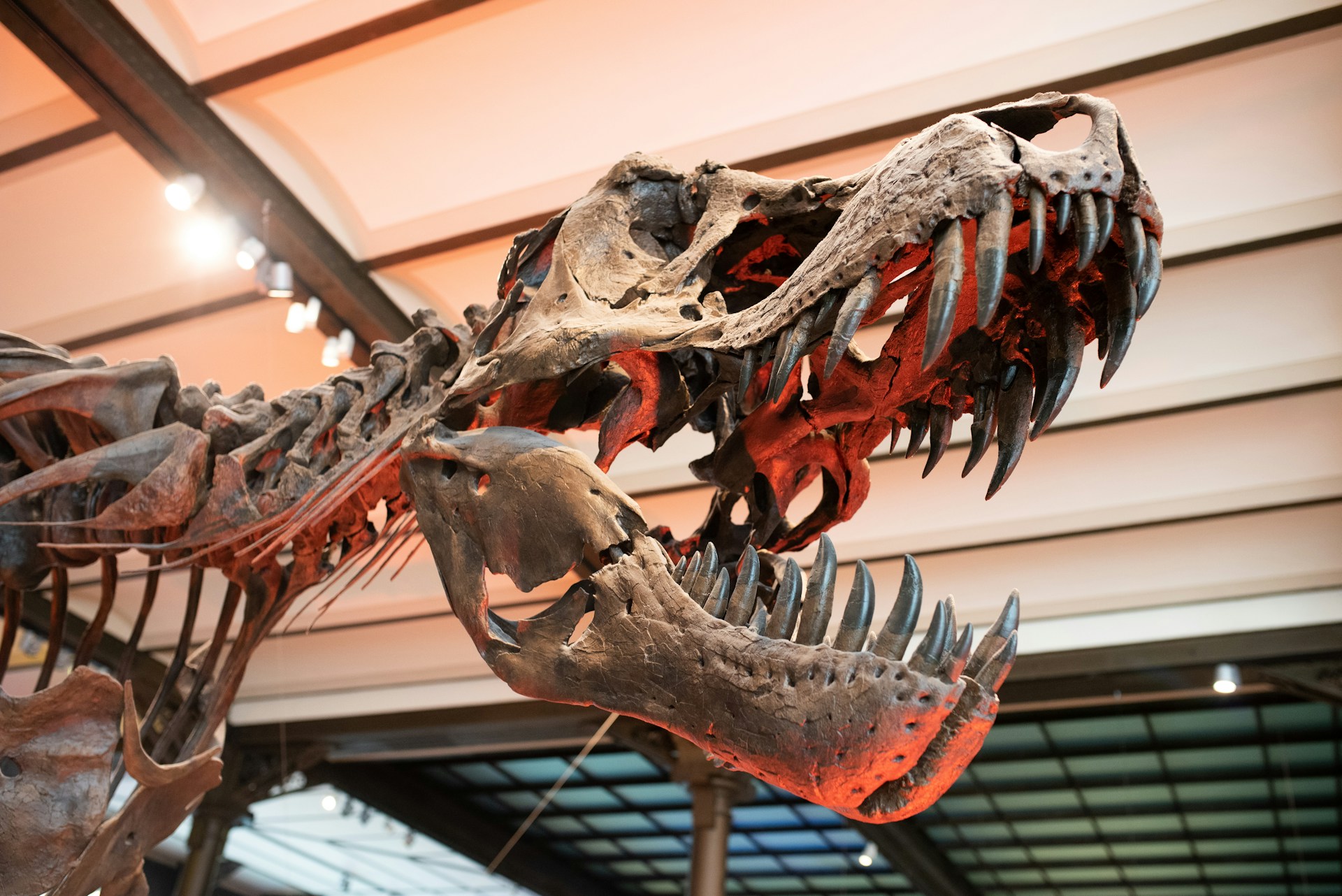
The discovery began quietly on a windswept stretch of the Isle of Wight coastline. What first appeared to be scattered fragments of ancient bone soon revealed itself as something far more extraordinary. As researchers carefully documented the site, it became clear that this was not just another fossil find but a moment that would reshape how scientists understand dinosaurs in the United Kingdom.
Contents
show
For decades, Britain has been known for important dinosaur discoveries, yet most finds have been partial and fragmented. Complete skeletons are incredibly rare due to erosion, geological pressure, and the simple passage of time. That is why this new discovery has captured the attention of paleontologists, museum experts, and the public alike.
Described by researchers as the most complete dinosaur fossil uncovered in the UK in more than one hundred years, the find offers an unprecedented look into a small dinosaur that lived during the Early Cretaceous period. It is a reminder that even in a country studied for centuries, the ground beneath our feet still holds remarkable secrets.
A Discovery That Took Scientists by Surprise
The fossil was uncovered on the Isle of Wight, a location long regarded as one of the most fossil rich areas in Europe. Coastal erosion regularly exposes ancient layers of rock, allowing fossils to emerge naturally over time. Even so, the scale and condition of this discovery exceeded all expectations.
Researchers involved in the excavation explained that the bones were preserved in remarkable detail. Unlike many UK dinosaur finds that consist of isolated bones or small clusters, this specimen included a significant portion of the skeleton. The level of completeness allowed scientists to confidently identify the dinosaur as a new species.
The moment the team realized what they were dealing with marked a turning point. Each newly uncovered bone confirmed that this was not just an important fossil but a once in a generation discovery. According to experts from the Natural History Museum and the University of Portsmouth, finds of this caliber are exceptionally rare in Britain.
Beyond the scientific excitement, there was a sense of responsibility. Every bone had to be carefully documented, stabilized, and transported to ensure no information was lost. The process took months of meticulous work, reflecting the seriousness of preserving a piece of natural history that had remained hidden for millions of years.
Meet Comptonatus Chasei
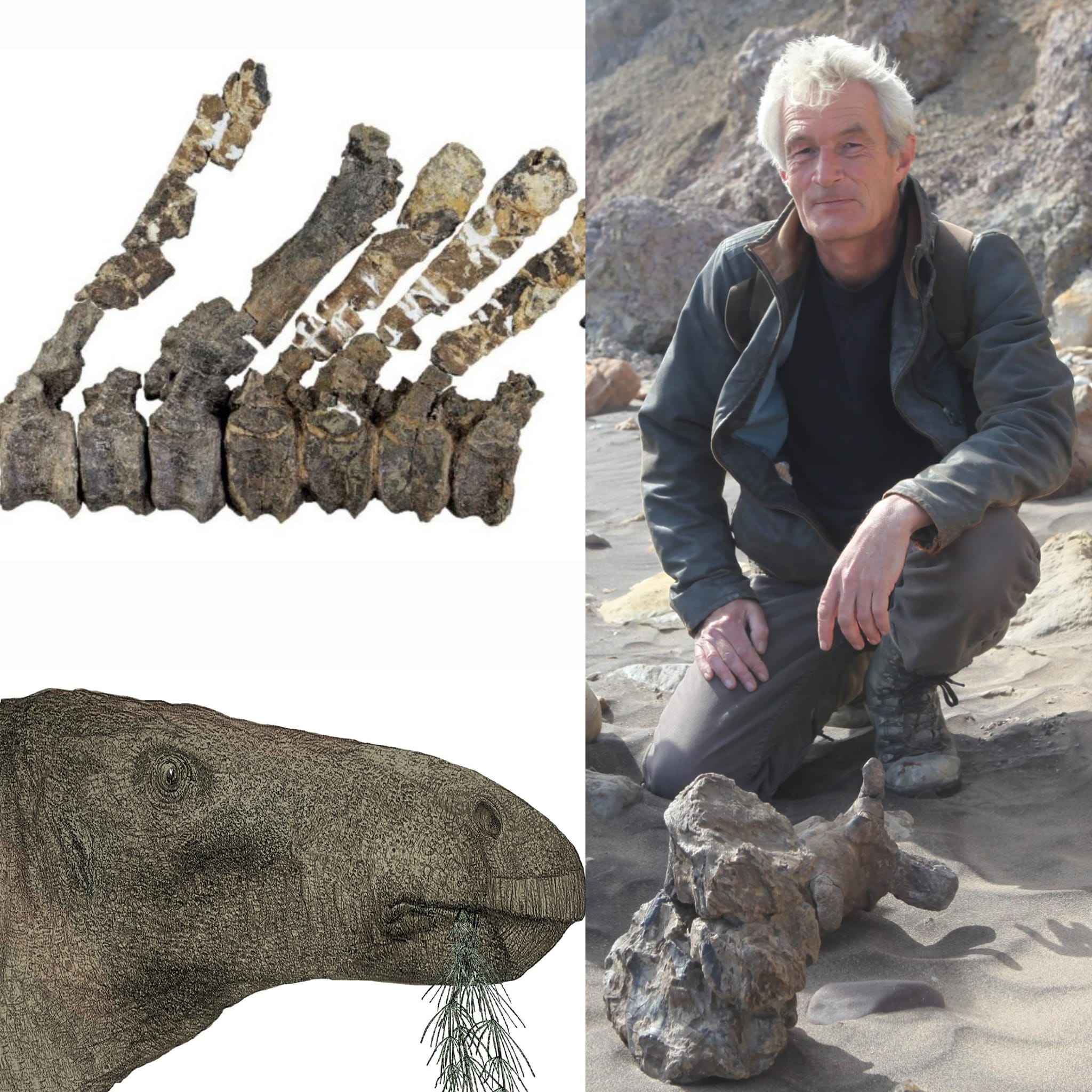
The newly identified dinosaur has been named Comptonatus chasei. The name reflects both its place of discovery near Compton Bay and honors an individual connected to the find. This practice is common in paleontology, blending geography, history, and science into a single name.
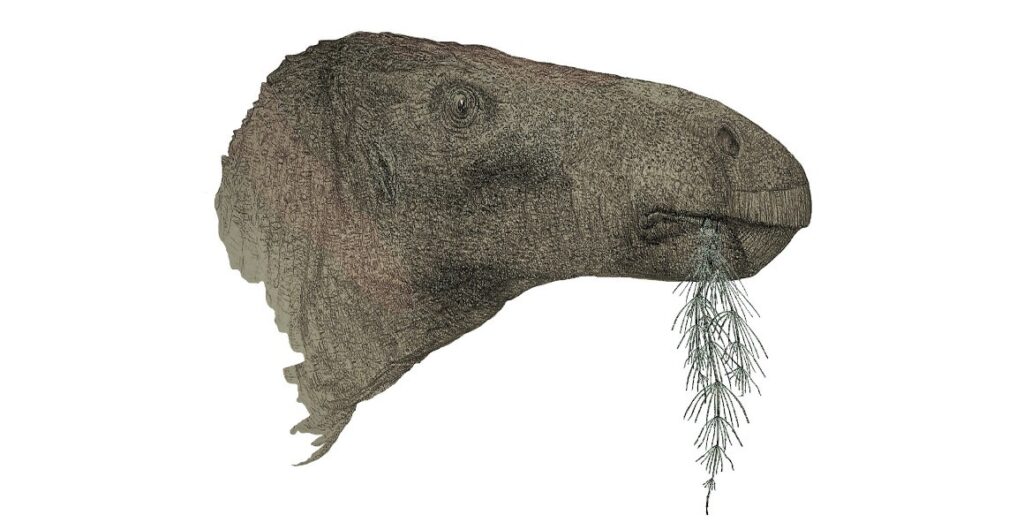
Comptonatus chasei was a medium-sized herbivorous dinosaur. Based on the fossil evidence, it likely moved on two legs (or sometimes all fours) and used its teeth and beak to process tough plant material such as conifers and cycads. Its size suggests it occupied a specific ecological niche as a browser in a diverse Early Cretaceous ecosystem, likely living in herds for protection against larger predators.
What makes this dinosaur particularly fascinating is how much scientists can now infer about its anatomy. The preserved bones include parts of the skull, spine, limbs, and tail. This allows researchers to reconstruct how it moved, how fast it may have been, and how it interacted with its environment.
The discovery also helps clarify the diversity of dinosaurs living in Britain during the Early Cretaceous period. Rather than a landscape dominated by a few species, evidence increasingly suggests a complex ecosystem filled with varied predators and prey. Comptonatus chasei adds a new chapter to that evolving story.
Why Complete Fossils Matter So Much
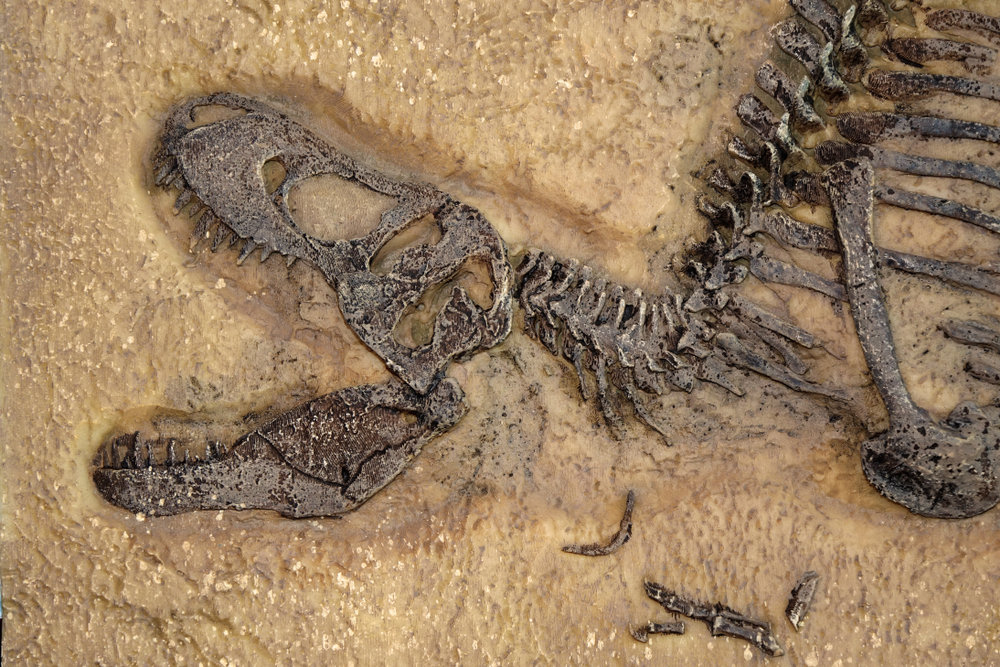
Complete dinosaur fossils are more than impressive museum displays. They are critical scientific resources that allow researchers to test theories about evolution, behavior, and biomechanics. When only fragments are available, many questions remain unanswered.
With a more complete skeleton, scientists can examine how bones fit together and how muscles may have attached. This leads to better understanding of posture, movement, and even hunting strategies. In the case of Comptonatus chasei, the fossil provides insights that would not be possible from isolated bones alone.
Another benefit of completeness is accuracy. Partial fossils can sometimes be misidentified or incorrectly reconstructed. A more complete specimen reduces uncertainty and allows paleontologists to distinguish between closely related species with greater confidence.
For the UK, this discovery is especially significant. It bridges a gap in the fossil record and demonstrates that Britain played a more dynamic role in dinosaur evolution than previously thought. Each complete fossil strengthens the scientific narrative of life on Earth millions of years ago.
The Isle of Wight and Its Fossil Legacy
The Isle of Wight has earned a reputation as one of the best places in Europe to study dinosaur fossils. Its unique geology exposes layers of rock from the Early Cretaceous period, making it a natural window into prehistoric life.
Over the years, countless fossils have been found along its shores, often by dedicated local collectors and amateur fossil hunters. Many of these finds have gone on to shape major scientific discoveries, highlighting the importance of community involvement in paleontology.
Local authorities and research institutions have long supported fossil conservation efforts on the island. This latest discovery reinforces the value of protecting coastal sites and investing in scientific research that benefits both education and tourism.
For residents and visitors alike, the find has renewed interest in the island’s prehistoric past. It serves as a reminder that the cliffs and beaches are not just scenic landscapes but archives of ancient history waiting to be explored responsibly.
From Cliffside to Laboratory
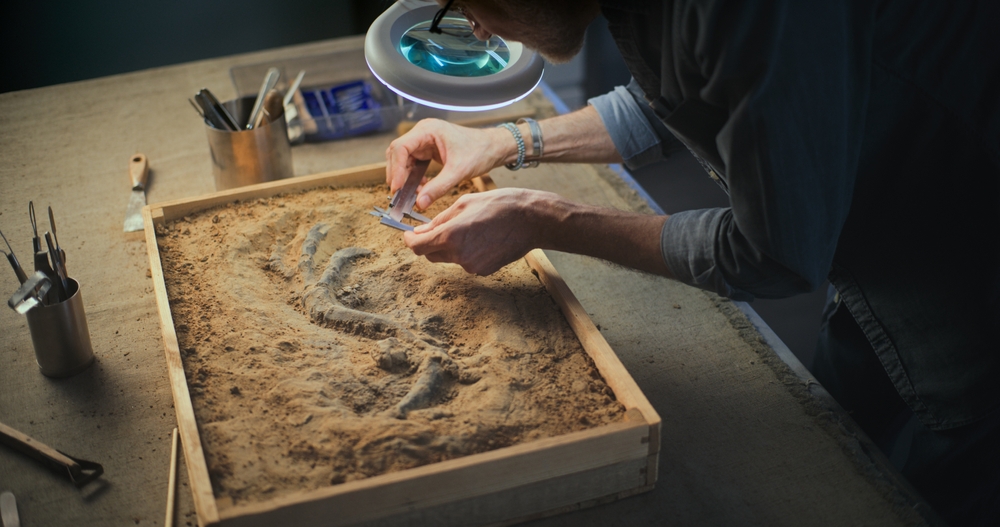
Recovering a fossil of this size and condition is a complex process. Once identified, each bone must be carefully removed from the surrounding rock using specialized tools. This ensures that delicate structures are not damaged during extraction.
After removal, the fossil undergoes extensive preparation in a laboratory. Rock is gradually cleaned away, and the bones are stabilized for long term preservation. This stage can take months or even years, depending on the fossil’s condition.
Researchers then analyze the specimen using modern technology. Imaging techniques and comparative studies help scientists understand how the dinosaur relates to other known species. These methods also allow for digital reconstructions that bring the ancient animal to life.
The collaboration between institutions played a crucial role in this process. Experts from universities, museums, and local organizations worked together, demonstrating how shared knowledge leads to greater scientific breakthroughs.
What This Discovery Means for the Future
The uncovering of Comptonatus chasei has implications that extend beyond one species. It encourages renewed exploration of the UK’s fossil sites, reminding scientists and the public that major discoveries are still possible.
It also highlights the importance of preserving natural landscapes. Coastal erosion played a role in exposing the fossil, but careful management ensures that valuable specimens are not lost to the sea before they can be studied.
For young scientists and enthusiasts, this discovery serves as inspiration. It shows that paleontology is an evolving field where new findings can challenge long held assumptions and open doors to fresh research opportunities.
Ultimately, the fossil represents a connection between past and present. It allows modern society to reflect on the deep history of life on Earth and our responsibility to protect the knowledge hidden within it.
A Moment That Will Be Remembered
Discoveries of this magnitude are rare, especially in regions that have been studied for generations. The fact that such a complete dinosaur fossil remained hidden for so long speaks to the vastness of Earth’s geological record.
As Comptonatus chasei continues to be studied, it will likely feature in museum exhibitions and educational programs. Its story will help communicate the excitement of scientific discovery to a broader audience.
This moment also reinforces the value of patience and curiosity. Each careful step taken by researchers transformed a chance find into a landmark discovery for British science.
In the end, the fossil is more than ancient bones. It is a reminder that history is still being uncovered, one layer of rock at a time.