
Your cart is currently empty!
New 2026 Pet Laws Every U.S. Owner Should Know

For American pet owners, 2026 brings a major reality check. The legal system is moving away from treating animals like property and starting to protect them more like family members. Across the country, stricter rules are cracking down on everything from controversial surgeries to how we buy puppies, and even a missed form can now cost you hundreds of dollars.
Contents
show
With lawmakers prioritizing the well-being of pets over convenience, staying informed is the only way to keep your furry friends—and your wallet—safe.
Cat Declaw Ban (California – AB 867)
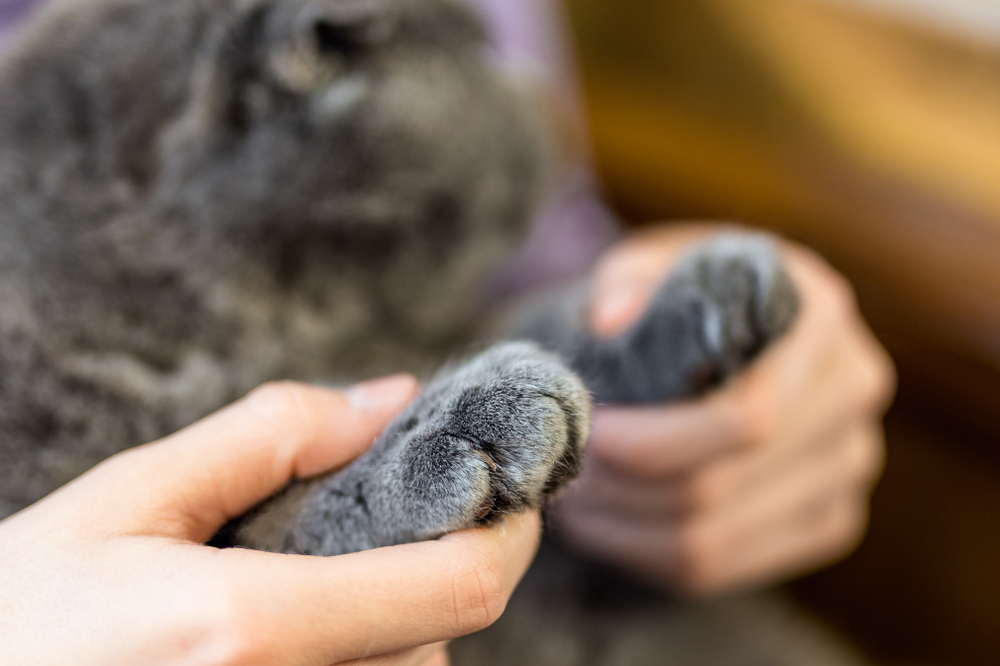
Starting January 1, 2026, California will enforce Assembly Bill 867, a significant statute prohibiting the declawing of cats statewide. This legislation aligns California with New York, Maryland, Massachusetts, and Rhode Island, strictly barring veterinarians from performing the procedure unless it is deemed medically necessary for the animal’s health. Elective surgeries performed solely to prevent furniture damage or scratching are no longer permitted.
Proponents regard the ban as a victory for animal welfare, arguing that the procedure is a severe physical alteration rather than a cosmetic grooming choice. Dr. Marilyn Kroplick, president of In Defense of Animals, stated, “Declawing isn’t a nail trim, it’s a painful amputation that has no place in a compassionate society.” Advocates note that the surgery involves removing the last bone of each toe, often leading to chronic pain, arthritis, and behavioral issues. Assembly member Alex Lee, the bill’s author, emphasized that the state refuses to endorse “surgical mutilation performed electively on healthy cats for human convenience.”
However, the law faces resistance from the veterinary community. The California Veterinary Medical Association (CVMA) opposed the bill, arguing that it establishes a “dangerous precedent” by allowing legislation to override professional medical judgment. They expressed concern that veterinarians are being unfairly targeted and that the law removes the flexibility needed for complex cases, such as those involving immunocompromised owners who cannot risk scratches. Despite this opposition, the penalties are severe; veterinarians found violating the ban face potential fines and the revocation of their professional licenses.
Broker Restrictions on Young Animals (California – AB 519)

In addition to surgical restrictions, California has implemented stricter regulations regarding the commercial exchange of young animals. Assembly Bill 519 specifically targets the “broker” market, fundamentally changing how residents can acquire puppies, kittens, and rabbits under the age of one.
The new statute mandates that these young animals can only be sold or offered for sale directly from their source. This means prospective owners must go straight to a breeder, a public animal control agency, a society for the prevention of cruelty to animals shelter, a humane society chapter, or a rescue group. The law effectively eliminates the role of third-party intermediaries in the transaction of juvenile animals.
By removing the middleman, the state aims to increase transparency in pet sourcing. Third-party sellers can often obscure the conditions in which an animal was bred, making it difficult for consumers to verify the health and welfare of their new pet. This legislation enforces a direct line of contact between the buyer and the animal’s origin, ensuring that profit-driven brokers cannot traffic young animals from mass-breeding facilities into the hands of unsuspecting families. The regulation serves as a safeguard, ensuring that if a family brings home a young pet, they are dealing directly with the people responsible for its care and breeding.
Pet Store Sales Crackdown (New Jersey)
New Jersey is implementing aggressive financial penalties to dismantle the retail pipeline for commercially bred pets. The state has introduced a strict law designed to choke off pet store sales of dogs, cats, and rabbits by targeting the profitability of non-compliant businesses. Under the new regulations, pet stores will face a $1,000 fine for every individual animal sold in violation of the law. The legislation also includes a mandatory “three strikes” provision, requiring courts to permanently revoke a store’s business license after its third violation.
The primary objective of this crackdown is to sever the link between local retail outlets and large-scale commercial breeding facilities, often characterized as puppy mills. Advocates argue that these retail environments frequently conceal the poor conditions in which the animals were raised. Ariel Lefkovits of Humane World for Animals emphasized this connection in a statement to The New Jersey Monitor, noting that it is “well-documented that New Jersey puppy stores are currently sourcing from massive Midwest breeders and brokers with awful animal welfare records.”
Lefkovits further explained that these stores are often “repeatedly violating the state consumer protection law” alongside animal welfare standards. By imposing significant fines per animal and threatening the existence of the business itself through license revocation, New Jersey is taking a firm stance. The law aims to protect consumers from purchasing sick or genetically compromised animals while simultaneously reducing the demand that fuels inhumane breeding operations.
Dog License Renewal Requirement (Pennsylvania)
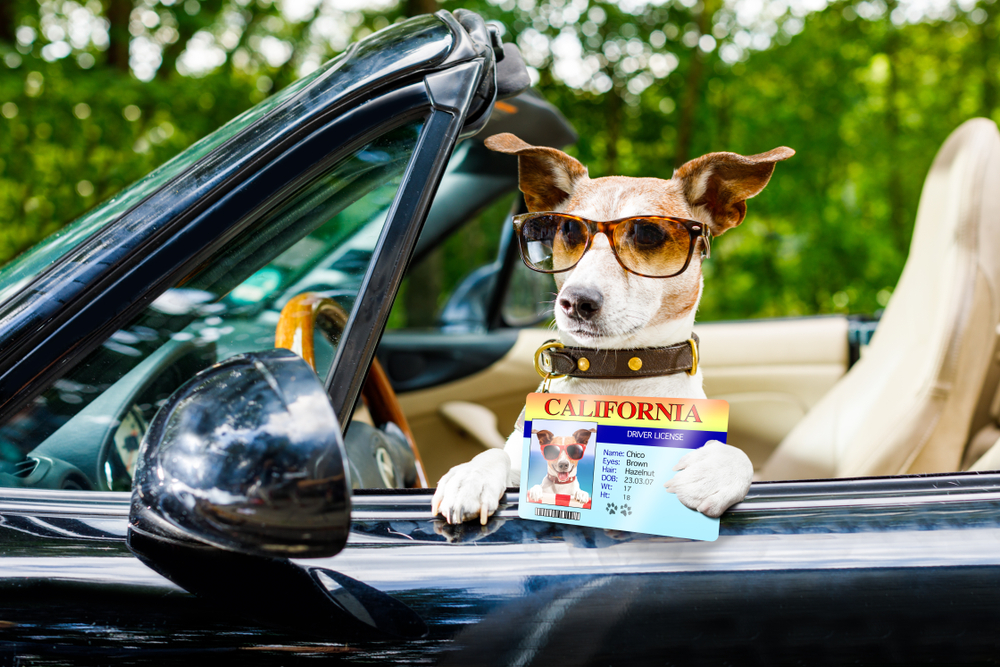
In Pennsylvania, dog owners are facing a renewed emphasis on administrative compliance, with state officials strictly enforcing licensing laws. The state has made it clear that maintaining current paperwork is not optional, and failure to do so will result in a direct financial penalty. Owners who neglect to renew their annual dog licenses are now risking a fine of up to $500 per animal—a steep price to pay for an administrative oversight.
The cost of compliance is significantly lower than the potential penalty. An annual license is priced at $10.80 for the general public, while seniors are offered a discounted rate of $8.80. For those seeking to avoid the yearly renewal process entirely, the state offers a lifetime license option for $52.80, with a reduced rate of $36.80 available for seniors and individuals with disabilities.
This enforcement serves a dual purpose: it ensures revenue for the state’s dog law enforcement efforts and aids in the rapid return of lost pets. However, for owners, the message for 2026 is purely financial. With the fine being nearly fifty times the cost of the license itself, this rule represents a “straightforward money hit” for households that fail to keep their filing up to date.
Pet Insurance Disclosure Law (Hawaii – Act 79)

Hawaii has enacted Act 79, a sweeping consumer protection measure aimed at bringing transparency to the often-complex world of pet insurance. Starting January 1, the law mandates that insurers provide policyholders with explicit, plain-language disclosures regarding coverage limitations before they commit to a plan.
The legislation specifically targets the “fine print” that often catches pet owners off guard during emergencies. Insurers are now required to clearly delineate exclusions, particularly regarding preexisting conditions and coverage for chronic, hereditary, or congenital ailments. Additionally, companies must transparently outline all financial obligations, including waiting periods, deductibles, coinsurance requirements, and any annual or lifetime payout limits.
Crucially, the law addresses the volatility of pricing; insurers must now disclose whether a customer’s premium can increase based on their individual claim history. To further protect consumers, Act 79 introduces a mandatory “free look” period. Policyholders have a 30-day window to review the terms of their new insurance plan and, if they are “not satisfied for any reason,” can return the policy for a full refund, provided no claims have been filed. This measure ensures that Hawaii residents can make informed financial decisions regarding their pets’ healthcare without fear of hidden clauses or sudden cost spikes.
No-Feed Wildlife Ordinance (Dauphin Island, Alabama)
In Dauphin Island, Alabama, local authorities have enacted a rigorous “yard” ban that imposes strict penalties on residents who feed wildlife. The ordinance, which has drawn attention for its severity, makes it illegal to provide food to any wild animal, explicitly encompassing species such as foxes, seagulls, and stray cats.
The penalties for non-compliance are significant. Violating the ban can trigger a $500 fine and, most notably, result in up to six months of jail time. Mayor Jeff Collier clarified that the strict measures were a response to escalating human-wildlife conflicts. “It came up mainly because of the issues we were having in the far west end,” Collier told Fox affiliate WALA, explaining that the town council subsequently decided to expand the restrictions island-wide to manage the problem effectively.
Beyond simple feeding, the ordinance also prohibits residents from attempting to treat or medicate wildlife on their own. However, the law includes specific exemptions to balance conservation with practicality. Residents are still permitted to maintain bird feeders, and licensed rehabilitation agencies are exempt from the restrictions. Furthermore, the law allows for approved trap-neuter-return (TNR) programs for managed feral cat colonies, provided that these feeding activities do not inadvertently attract other wildlife. This legislation highlights a growing trend of municipalities intervening to prevent the habituation of wild animals in residential areas.
Protecting Animals Against Threat (California – SB 221)

Effective January 1, 2026, California has expanded its legal protections for victims of domestic abuse and stalking through the implementation of Senate Bill 221. This legislation significantly broadens the definition of a “credible threat” within the state’s penal code to explicitly include threats made against a victim’s pet, service animal, emotional support animal, or horse.
Previously, state law contained a loophole: while threatening a family member contributed to a stalking charge, threatening to harm or kill a beloved pet did not always carry the same legal weight in establishing a pattern of harassment. This gap left many victims vulnerable, as abusers frequently weaponize the emotional bond between humans and their animals to maintain control. Senator Rosilicie Ochoa Bogh, the author of the bill, emphasized the necessity of this change, stating, “SB 221 recognizes that stalkers often target what victims love most, their pets, to use as a weapon of intimidation.”
The new law aligns California’s statutes with federal anti-stalking laws, acknowledging the well-documented link between animal abuse and interpersonal violence. According to data cited during the bill’s progression, a significant portion of stalking cases involve threats to family pets as a means to instill fear without directly threatening the human victim. By legally recognizing these threats as criminal stalking behavior, the state ensures that law enforcement can intervene earlier in high-conflict situations, providing a critical layer of safety for both human survivors and their animal companions.
Animal Abuser Registry (Florida – Dexter’s Law)
Florida has taken a decisive step in preventing repeat animal cruelty with the full implementation of House Bill 255, widely known as “Dexter’s Law.” Effective for 2026, this statute establishes a statewide, publicly searchable database of individuals convicted of animal abuse offenses. The registry is designed to serve as a critical screening tool for animal shelters, rescue organizations, and private breeders, allowing them to verify that a potential adopter does not have a history of violence against animals.
The law is named in memory of Dexter, a shelter dog whose brutal killing in Pinellas County sparked public outrage and a demand for stricter protective measures. Under the new system, the Florida Department of Law Enforcement maintains the registry, which lists individuals convicted of specific animal cruelty charges. Supporters argue that this transparency is essential for breaking the cycle of abuse, as past offenders are statistically more likely to harm animals again.
Beyond the registry, the legislation also enhances the severity of penalties for animal cruelty. It increases the “sentencing points” for aggravated animal cruelty crimes, which can lead to longer mandatory prison terms. Governor Ron DeSantis, who signed the bill, emphasized the state’s commitment to justice, stating, “Florida stands by man’s best friend.” By making abuse records public and tightening sentencing guidelines, Florida is setting a robust example of how states can proactively shield animals from known violent offenders.
A New Standard of Care

The changes arriving in 2026 are a clear sign that we are finally treating pets with the respect they deserve. We are not viewing them just as property anymore, but as living beings that need protection. Whether it is stopping painful surgeries or making sure insurance companies are honest, these laws are raising the bar for everyone. Being a pet owner today takes a bit more work than before; you have to be active, ask questions, and follow the rules.
It might feel like a hassle to double-check a breeder or renew a license on time, but these steps make a huge difference. They ensure that animals are treated kindly and that you are not taken advantage of during an emergency. Knowing these laws is not just about dodging a fine. It is about stepping up to give our furry companions the safe, happy lives they trust us to provide.