
Your cart is currently empty!
Trump Donation Email Raises Alarm Over Fear Driven Political Messaging
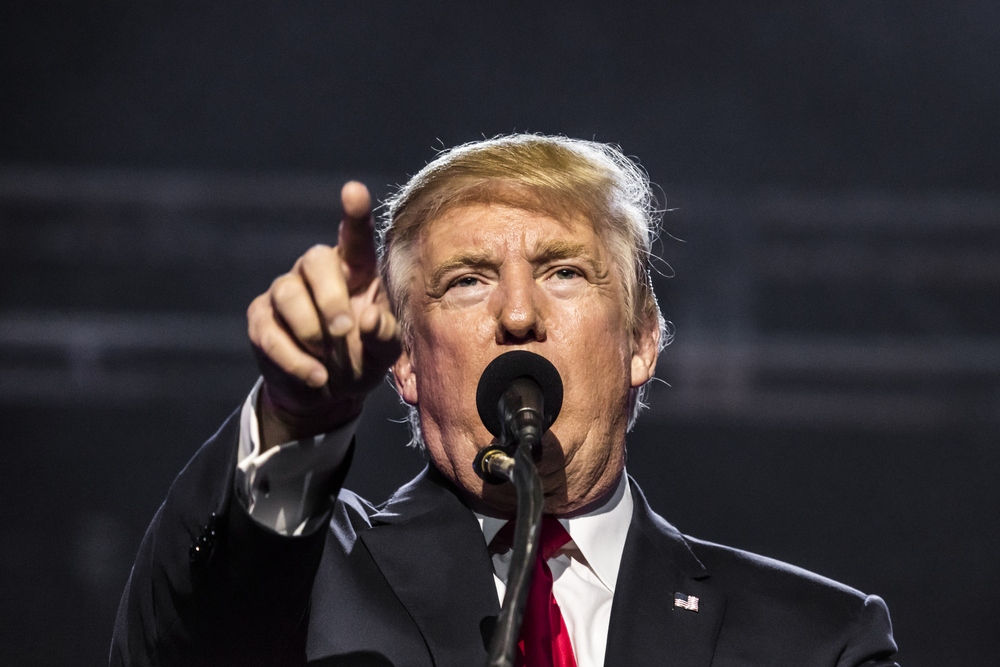
In the early hours of a January morning, an email landed in inboxes across the country that instantly ignited controversy, ridicule, and deeper political concern. Sent from the fundraising operation tied to Donald Trump, the message opened with a striking subject line that read, “I’m alone and in the dark.” What followed was a theatrical plea for money, layered with fear-based warnings, personal grievance, and dire predictions about the future of the United States.
Contents
show
While dramatic fundraising appeals are nothing new in modern American politics, this message stood out even among Trump’s long history of unconventional communication. In it, the 79-year-old president portrayed himself as isolated in a “war room,” racing against a ticking clock, armed only with a failing laptop and the loyalty of his supporters. The email quickly went viral, prompting widespread discussion not only about its tone but about what it reveals regarding political fundraising, democratic norms, and the emotional strategies increasingly used to mobilize voters.
As screenshots circulated across social media and commentators dissected every line, the email became more than a simple donation request. It turned into a cultural flashpoint, raising questions about power, fear, loyalty, and the evolving relationship between political leaders and their followers.
The Email That Sparked Immediate Backlash
According to the Archive of Political Emails, the message was sent just after midnight on January 13. It began with an attention-grabbing line that set the emotional tone for everything that followed. Trump wrote that “some people are saying: This is SAD!” before launching into a vivid description of personal struggle.
He described sitting alone in the war room, long after his staff had gone home, staring at a dying laptop as a 72-hour countdown clock marked his first mid-month fundraising deadline of the year. The imagery was cinematic and urgent, designed to evoke a sense of crisis and intimacy with the reader.
The email then pivoted quickly from personal drama to political alarm. Trump warned that failure to meet the fundraising goal would allow what he called the “radical Left” to flip both the House and Senate in the 2026 midterm elections. According to the message, such an outcome would result in open borders forever, the confiscation of guns, the brainwashing of children, and yet another impeachment of Trump himself.
The email asked supporters to donate 47 dollars within the next 30 minutes, promising a limited-edition 2026 Trump calendar in return. A large blue button beneath the text declared, “This is it. No second chances.”
The message concluded with an ominous warning that despite years of fighting, Trump feared the end might be near. He claimed that the so-called woke mind virus was spreading rapidly and that this moment represented a final opportunity to save the country.
A Familiar Playbook With Heightened Drama
Political fundraising emails often rely on urgency, fear, and emotional appeals, regardless of party. Both Democrats and Republicans have used countdown clocks, dire warnings, and personalized messaging to motivate small-dollar donors. What made this email different was its tone and its attempt to cast a sitting president as a lone figure on the brink of collapse.
Trump’s fundraising operation has long relied on theatrical language. Previous emails have warned of stolen elections, divine intervention, and looming existential threats. In recent months, however, the rhetoric has escalated further, leaning heavily into personal victimhood and emotional desperation.
This particular email stood out because it combined three powerful narratives at once. First, it framed Trump as isolated and under siege. Second, it positioned supporters as the only force capable of saving both him and the nation. Third, it tied immediate financial contributions to the survival of American democracy itself.
Critics argue that such messaging is not accidental. By collapsing personal financial support, political loyalty, and national identity into a single choice, the email blurred the line between civic participation and personal allegiance.
Social Media Reacts With Mockery and Concern

The email might have remained another routine fundraising appeal if not for its rapid spread online. Screenshots shared by political commentator, “Harry Sisson” quickly gained millions of views across X, Instagram, and Threads.
Reactions ranged from disbelief to outright mockery. Many users compared the message to spam emails or fictional monologues. Others joked about the image of a billionaire president begging for small-dollar donations while sitting alone with a dying laptop.
Some questioned whether Trump wrote the email himself, noting the unusual formatting, punctuation, and sentence structure. Others speculated that it was crafted by staffers or interns attempting to mimic Trump’s voice while softening its rough edges.
Beyond the jokes, however, there was a deeper undercurrent of concern. Critics argued that the email exemplified manipulative tactics that prey on fear, misinformation, and emotional dependency. Several commentators pointed out the contrast between Trump’s personal wealth and his repeated appeals to working-class supporters for financial sacrifice.
The backlash highlighted a growing discomfort among many Americans with the increasingly performative nature of political communication, particularly when it comes from those already in positions of immense power.
The Midterm Elections and the Politics of Fear
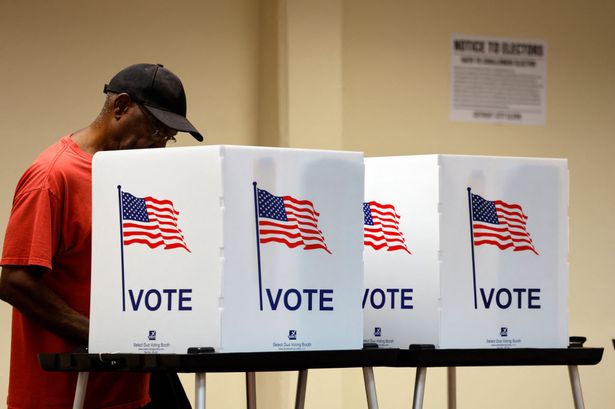
At the heart of the email was a warning about the 2026 midterm elections. Trump framed these elections as a make-or-break moment, claiming that Democratic control of Congress would permanently alter the country.
Historically, midterms often pose challenges for the party in power. Voters frequently use them to express dissatisfaction, and turnout dynamics tend to favor the opposition. Trump acknowledged this reality in a separate interview with “Reuters”, the day after the email was sent, stating that presidents rarely perform well in midterm elections.
During that interview, Trump went further, suggesting that given his perceived success in office, the country should reconsider holding midterms at all. Though his press secretary later described the comment as a joke, it aligned with Trump’s repeated flirtations with undermining electoral norms.
The fundraising email leveraged this context by presenting the midterms not as a democratic process, but as an existential threat. According to the message, losing congressional control would not simply mean legislative gridlock. It would lead to cultural collapse, personal persecution, and irreversible national decline.
This framing is a classic example of fear-based mobilization. By exaggerating consequences and presenting political opposition as inherently dangerous, such messaging seeks to drive engagement through anxiety rather than policy debate.
Impeachment as a Recurring Narrative
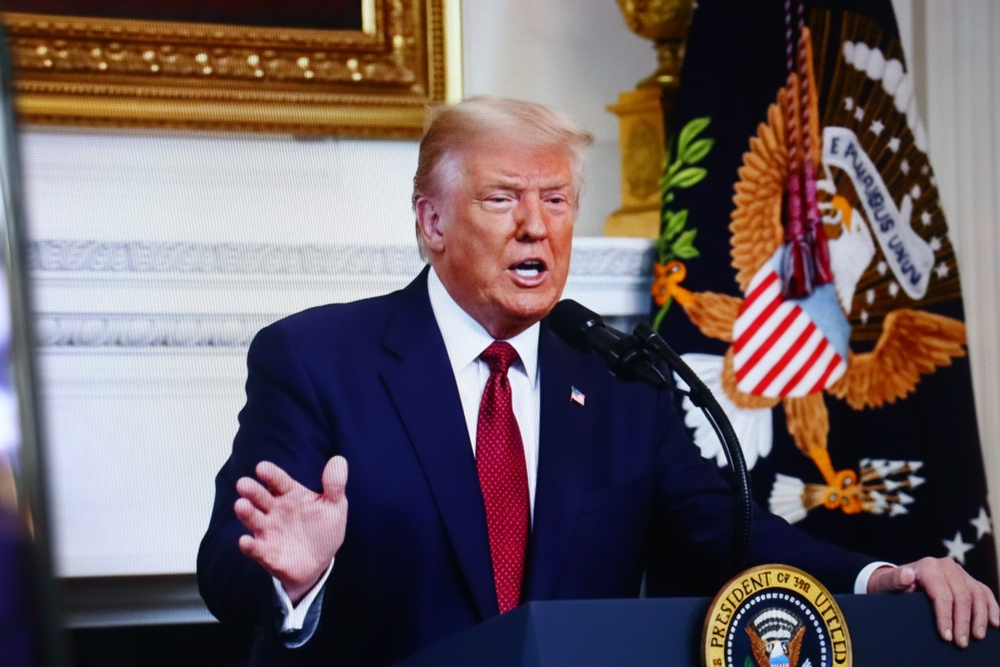
Another central theme of the email was impeachment. Trump warned supporters that failing to donate could result in him facing yet another impeachment proceeding.
Trump has already been impeached twice during his political career, both times while in office. Each impeachment has become a rallying point for his base, reinforcing his narrative of being targeted by political enemies.
By invoking impeachment once again, the email tapped into a familiar grievance. It framed Trump not as a powerful executive, but as a perpetual victim of unjust persecution. This narrative serves a dual purpose. It galvanizes supporters while deflecting attention from substantive policy questions.
At a House GOP retreat earlier this year, Trump reportedly warned fellow Republicans that losing the midterms would all but guarantee another impeachment attempt. The fundraising email echoed that message, transforming institutional accountability into a personal threat that supporters were expected to help prevent financially.
The Role of Winred and Modern Fundraising Machines

Trump’s email was distributed through WinRed, a for-profit fundraising platform used extensively by Republican campaigns and aligned organizations. WinRed has revolutionized conservative fundraising by making it easier to solicit small-dollar donations at scale.
The platform encourages aggressive tactics such as recurring donations, countdown timers, and emotionally charged messaging. Critics argue that this model incentivizes increasingly extreme language in order to cut through inbox clutter and maximize conversion rates.
In recent months, Trump-aligned political action committees have sent a series of eye-catching emails, some featuring artificial intelligence-generated images or improbable scenarios. These messages often include short deadlines and dire warnings, reinforcing a constant sense of crisis.
The “alone in the dark” email fits squarely within this ecosystem. It reflects not only Trump’s personal style but a broader trend in political fundraising that prioritizes emotional intensity over informational clarity.
Wealth, Populism, and the Optics Problem

One of the most striking elements of the email was the contrast between Trump’s immense personal wealth and his appeal for financial sacrifice from supporters.
Trump is a billionaire with access to vast resources, yet the email framed the situation as one in which the survival of his movement depended on ordinary Americans sending 47 dollars within half an hour. Critics argued that this dynamic exposes a tension at the heart of Trump’s populist image.
Populism traditionally positions leaders as champions of the common people against elite interests. When a wealthy president repeatedly asks supporters to give money while warning of national collapse, that narrative can begin to fray.
Online reactions frequently pointed out this contradiction. Many questioned why Trump could not fund his own political efforts, particularly when asking for money from individuals struggling with rising costs of living, healthcare expenses, and economic uncertainty.
Psychological Tactics and Emotional Manipulation
Experts in political communication note that the email employed several well-known psychological tactics designed to maximize compliance.
The depiction of isolation creates a sense of intimacy, making supporters feel personally connected to the sender. The countdown clock introduces urgency, discouraging reflection or skepticism. The framing of consequences in extreme terms amplifies fear, while the promise of a symbolic reward reinforces participation.
By combining these elements, the email sought to bypass rational evaluation and trigger an emotional response. This approach is increasingly common not only in politics, but in marketing, fundraising, and online engagement more broadly.
The concern, critics argue, is that when such tactics are used by political leaders, they can erode trust and distort democratic participation. Voters may be motivated by anxiety rather than informed choice, leading to polarization and disengagement.

What the Email Says About the Current Political Moment
Beyond its immediate controversy, the “alone in the dark” email offers a snapshot of the current American political climate.
It reflects a moment in which politics is deeply personalized, emotionally charged, and mediated through digital platforms. Leaders communicate directly with supporters, often bypassing traditional institutions and norms. Fundraising, messaging, and mobilization are increasingly intertwined.
The email also highlights the fragility of democratic discourse in an era dominated by outrage and spectacle. When political communication becomes indistinguishable from performance art or crisis marketing, it risks undermining the seriousness of governance.
For supporters, the email may reinforce a sense of belonging and purpose. For critics, it serves as a warning sign of how easily fear and loyalty can be leveraged for power.
Reactions From Across the Political Spectrum
While much of the backlash came from liberal commentators and Trump critics, some conservatives also expressed discomfort with the tone of the message.
A number of right-leaning voices acknowledged that fundraising emails from both parties can be exaggerated, but argued that this one crossed a line into self-parody. Others worried that such messaging could alienate undecided voters or undermine confidence in leadership.
At the same time, Trump’s core base appeared largely unfazed. Many supporters defended the email as a necessary response to hostile media, entrenched political opposition, and what they view as an existential cultural struggle.
This divergence underscores the extent to which American politics now operates within parallel realities, where the same message can be interpreted as either outrageous or inspiring depending on one’s worldview.

The Broader Implications for Democracy
The controversy surrounding Trump’s email raises important questions about the future of democratic engagement in the United States.
When fundraising appeals frame political participation as a last stand against imminent disaster, they can foster cynicism and exhaustion. Constant crisis messaging may mobilize in the short term, but it risks long-term damage to civic trust.
Democracy depends on informed citizens who believe in the legitimacy of institutions, even when outcomes are disappointing. Messaging that portrays elections as existential threats rather than routine processes can weaken that foundation.
The email also illustrates how digital platforms have transformed political power. A single message, sent at midnight, can dominate news cycles, shape narratives, and mobilize millions within hours.
A Moment Worth Reflecting On
Whether viewed as manipulative, absurd, or simply another chapter in Trump’s unconventional presidency, the “alone in the dark” email is undeniably significant.
It encapsulates many of the defining features of contemporary politics: personalization, polarization, emotional intensity, and the blending of governance with performance. It forces observers to confront uncomfortable questions about how leaders communicate, how supporters respond, and what is being normalized in the process.
As the 2026 midterms approach, messages like this are likely to become more common, not less. The challenge for voters will be to separate genuine civic engagement from emotional manipulation, and to demand accountability not just for policies, but for the way power is exercised and communicated.
In the end, the email is less about one night, one laptop, or one deadline. It is about the evolving relationship between political leaders and the people they seek to lead, and about what kind of political culture Americans are willing to accept moving forward.