
Your cart is currently empty!
Wales Takes Unprecedented Step Against Political Lying
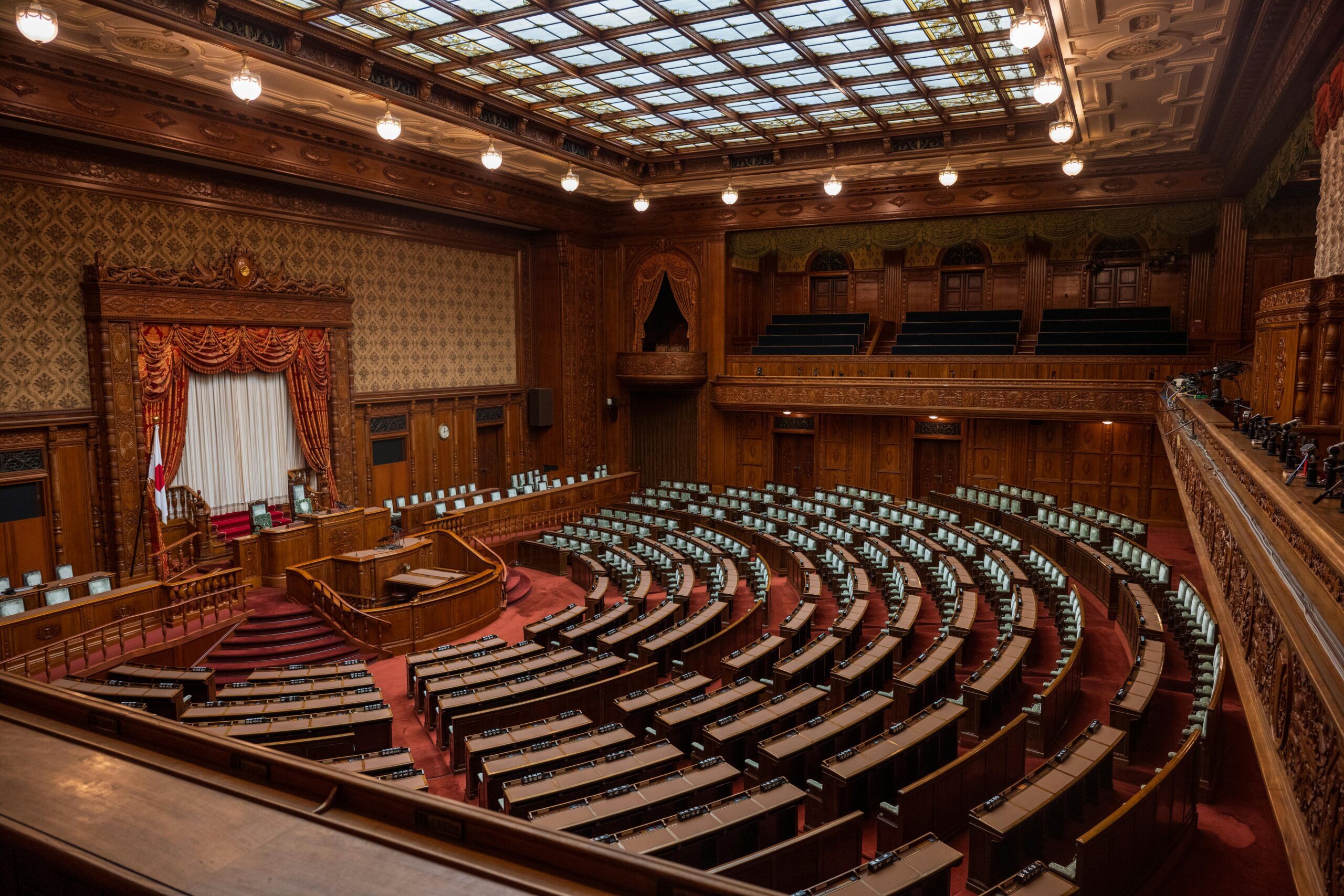
Trust in politics has been eroding for years, but in Wales that frustration has reached a breaking point. Voters increasingly believe that politicians can mislead the public with little consequence, and surveys show confidence in elected officials is at historic lows. While anger toward political dishonesty is not new, the sense that deception has become normalised has intensified in recent years, driven by polarisation, online misinformation, and a feeling that truth has become secondary to winning.
Contents
show
Against that backdrop, the Welsh parliament has embarked on an unprecedented experiment in modern democracy. Wales is moving to enforce rules that could see politicians lose their jobs for deliberately lying. Supporters describe the move as historic and necessary. Critics warn it risks undermining free speech, chilling debate, and handing dangerous powers to the state. With legislation promised before the 2026 Senedd elections, Wales has placed itself at the centre of a global debate about truth, accountability, and democratic limits.
This is not simply a technical legal reform. It is a cultural reckoning that raises uncomfortable questions about whether democratic systems can still rely on shared norms of honesty, and what happens when trust collapses so deeply that voters and lawmakers alike begin to look to the law as a last resort.
How Wales Reached a Breaking Point
Public trust in politicians across the United Kingdom has been declining for decades, but recent years have accelerated that erosion. Surveys conducted throughout the early 2020s consistently ranked politicians as the least trusted profession in the country. In one 2023 poll, just 9 percent of respondents said they trusted elected officials to tell the truth. A year later, the British Social Attitudes report revealed a record 45 percent of people almost never trusted governments of any party to put national interests above party advantage.
In Wales, these statistics resonated with lived political experience. Senedd members have spoken openly about increasingly hostile campaign environments, marked by misinformation, abuse, and intimidation. Some described encountering organised efforts to distort facts, inflame tensions, or target individuals through social media. What might once have been dismissed as rough and tumble politics now felt, to many, like a sustained erosion of democratic culture.
The pace of political communication has also changed. Claims can now be broadcast instantly, shared widely, and repeated relentlessly before journalists, regulators, or opponents can respond. Even when falsehoods are later corrected, the original message often lingers. For some lawmakers, the idea that elections held every five years could adequately correct this damage began to feel increasingly unrealistic.
The Historic Commitment to Act
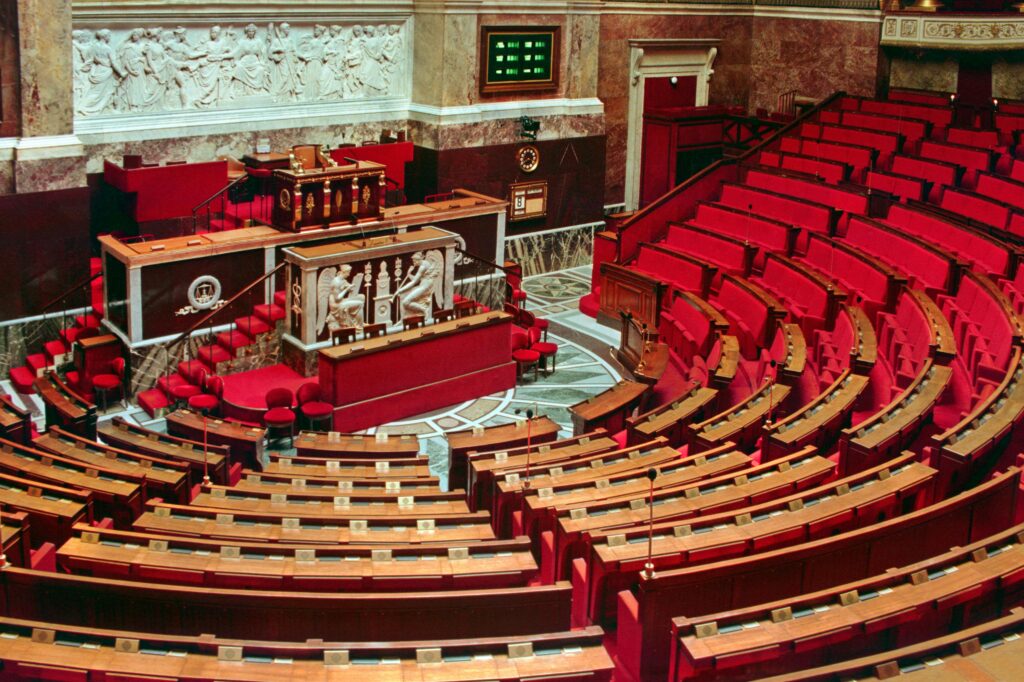
The Welsh government’s commitment to legislate against political lying emerged under intense pressure. Opposition parties united behind proposals that would have forced the government’s hand, threatening an embarrassing defeat in the Senedd. Rather than allow that to happen, ministers pledged to introduce their own legislation before the next election.
The announcement was immediately described as historic. Supporters argued it marked the first serious attempt by a democratic government to confront political dishonesty head on. Adam Price, former leader of Plaid Cymru, said it reflected a recognition that existing mechanisms for ensuring honesty had failed. Others framed it as a pragmatic compromise, designed to preserve control over how such a sensitive issue would be handled.
The government’s pledge focuses on disqualification. Under the proposed approach, Senedd members and candidates found guilty of deliberate deception through an independent process could be barred from office. What remains unresolved is how deception will be defined, who will judge it, and what penalties will apply short of disqualification. Earlier proposals included criminal sanctions, but those ideas have since generated deep unease.
Despite the uncertainty, one thing is clear. Wales is positioning itself as the first country to attempt a comprehensive legal response to political lying, moving beyond informal norms and into enforceable rules.
Competing Visions of Accountability

At the heart of the debate lies a fundamental disagreement about how democracies should enforce truth. Supporters argue that politics should no longer be treated as a special case. Doctors, lawyers, and financial professionals all face sanctions if they deliberately mislead. Given the power politicians wield over public resources, public trust, and people’s lives, proponents argue that similar accountability is both reasonable and overdue.
They also point to the structural incentives of modern politics. Outrage travels faster than nuance. Simplified or misleading claims often outperform careful explanations. In that environment, honesty can become a disadvantage rather than a virtue. Legal consequences, supporters say, could help rebalance those incentives.
Opponents counter that politics cannot be regulated like other professions. Democratic debate depends on interpretation, framing, and contested narratives. Drawing a legal boundary between fact and opinion is notoriously difficult, especially when policies involve predictions, value judgments, or incomplete information. Critics fear that any attempt to codify truth risks flattening political discourse and empowering those who control enforcement.
Some members of the governing party have echoed those concerns, warning against rushing what they describe as feel good legislation. They argue that poorly drafted law could undermine democratic debate and create precedents that future governments might exploit.
The Free Speech Dilemma

Perhaps the most controversial aspect of the proposals is their potential impact on free expression. Cross party Senedd committees have issued stark warnings about draft provisions that could allow governments to restrict political speech with insufficient safeguards. One committee described the powers as extraordinary, given how few parameters were defined.
Legal experts have reinforced those concerns. An over broad law could deter conscientious politicians, journalists, activists, and even ordinary citizens from participating in political debate. The risk is not only prosecution, but self censorship. When the boundaries of legality are unclear, people often err on the side of silence.
Committees reviewing the proposals highlighted several unresolved questions. What constitutes a false or misleading statement? Who decides whether intent to deceive existed? How quickly would investigations take place during election campaigns? Without clear answers, critics argue, enforcement could become arbitrary or politically motivated.
Supporters respond that these risks are real but manageable. They argue that intent must be central, that opinions and predictions must be protected, and that enforcement should focus narrowly on deliberate factual falsehoods designed to mislead voters. The challenge lies in translating those principles into precise legal language.
Criminal Law or Political Discipline

One of the most divisive questions is whether lying should ever be treated as a criminal offence. Early proposals suggested criminal sanctions, including prosecution through the courts and automatic disqualification from office. While public support for such measures appeared strong, opposition from legal experts and lawmakers has grown.
Concerns include the burden on the court system, the length and complexity of legal proceedings, and the constitutional implications of judges ruling on the conduct of elected officials. There is also anxiety about politicising the judiciary and eroding the separation of powers.
As a result, attention has shifted toward civil sanctions or strengthened parliamentary discipline. The Senedd standards committee has recommended legally defining political deception while enhancing existing codes of conduct. Penalties could range from mandatory retractions and formal apologies to suspension or recall by voters in the most serious cases.
This approach seeks a middle ground, aiming to impose consequences without criminalising political speech or dragging courts into partisan disputes.
The Role of the Standards Committee
Wales already has mechanisms intended to uphold integrity in public life. Senedd members are bound by a code of conduct rooted in the Nolan principles, including honesty and integrity. An independent standards commissioner investigates complaints and advises on ethical issues.
Critics argue these systems lack credibility and enforcement power. Sanctions are rare, processes are slow, and outcomes often appear opaque to the public. Compounding the problem is the perception that politicians are effectively regulating themselves. The standards committee is composed of Senedd members, prompting accusations that it resembles marking your own homework.
Proposals to include independent lay members alongside politicians aim to address this credibility gap. Supporters argue that external oversight could strengthen public confidence and reduce the perception of bias. Skeptics question whether such reforms would go far enough.
Another unresolved issue is vexatious complaints. Any system that allows accusations of lying risks being weaponised during campaigns. Filtering out bad faith claims without discouraging legitimate complaints will be one of the most difficult practical challenges.
Public Support and Public Risk
Polling consistently suggests strong public backing for tougher action on political dishonesty. Research indicates that more than two thirds of Welsh voters support laws imposing meaningful consequences for deliberate deception. For many, the idea resonates with everyday experiences of feeling misled without recourse.
Yet public support does not guarantee effective law. History offers many examples of popular reforms that produced unintended consequences. Translating public anger into workable legislation requires restraint, precision, and humility.
There is also the risk of unmet expectations. If the final law is perceived as too weak, supporters may feel betrayed. If it is perceived as too aggressive, critics may point to any misuse as proof that the experiment failed.
A Global First With Global Implications
If Wales successfully implements a workable system, it will become the first country in the world to enforce rules that can remove politicians from office for lying. That distinction ensures international scrutiny.
Other democracies grappling with misinformation will watch closely. Success could inspire similar reforms elsewhere. Failure could harden resistance to any attempt to regulate political speech.
The Welsh experiment also raises constitutional questions. Some legal scholars warn that creating new offences or sanctions may test the limits of devolved powers, potentially triggering disputes with the UK government.
Elections, Enforcement, and Reality
Even under optimistic timelines, most proposals would not be fully operational until at least the 2026 Senedd elections, and some may not take effect until 2030. That gap highlights how complex this reform is.
Lawmakers must decide who investigates alleged lies, how intent is proven, what evidentiary standard applies, and how quickly decisions are made during fast moving campaigns. Each choice involves trade offs between fairness, speed, and democratic legitimacy.
The risk is a system that is either toothless or oppressive. Achieving balance will require careful drafting and political restraint.
A Culture Problem, Not Just a Legal One
Even supporters of the proposals acknowledge that law alone cannot fix political culture. Dishonesty thrives because of incentives. Polarisation, media fragmentation, and algorithm driven outrage reward oversimplification and emotional appeal.
Rebuilding trust will require broader efforts, including media literacy, transparent governance, and leadership that values honesty even when it is inconvenient. Legal rules may help define boundaries, but they cannot substitute for ethical commitment.
A Defining Moment for Welsh Democracy
The fact that Wales is even considering such legislation speaks volumes about the state of modern politics. It is, as some observers note, a bleak indictment of democracy that laws are needed to remind politicians not to lie.
Yet it is also a sign of democratic resilience. Rather than surrendering to cynicism, Wales is attempting to confront a problem many societies prefer to ignore. Whether this effort strengthens democracy or exposes its fragility will depend on how carefully the final system is designed.
As the legislation moves forward, the world will be watching. Wales now carries the burden of proving that honesty can be encouraged by law without sacrificing the freedoms that make democracy worth protecting.