
Your cart is currently empty!
The Real Reason 90s Kids Are the Most Screen-Anxious Parents
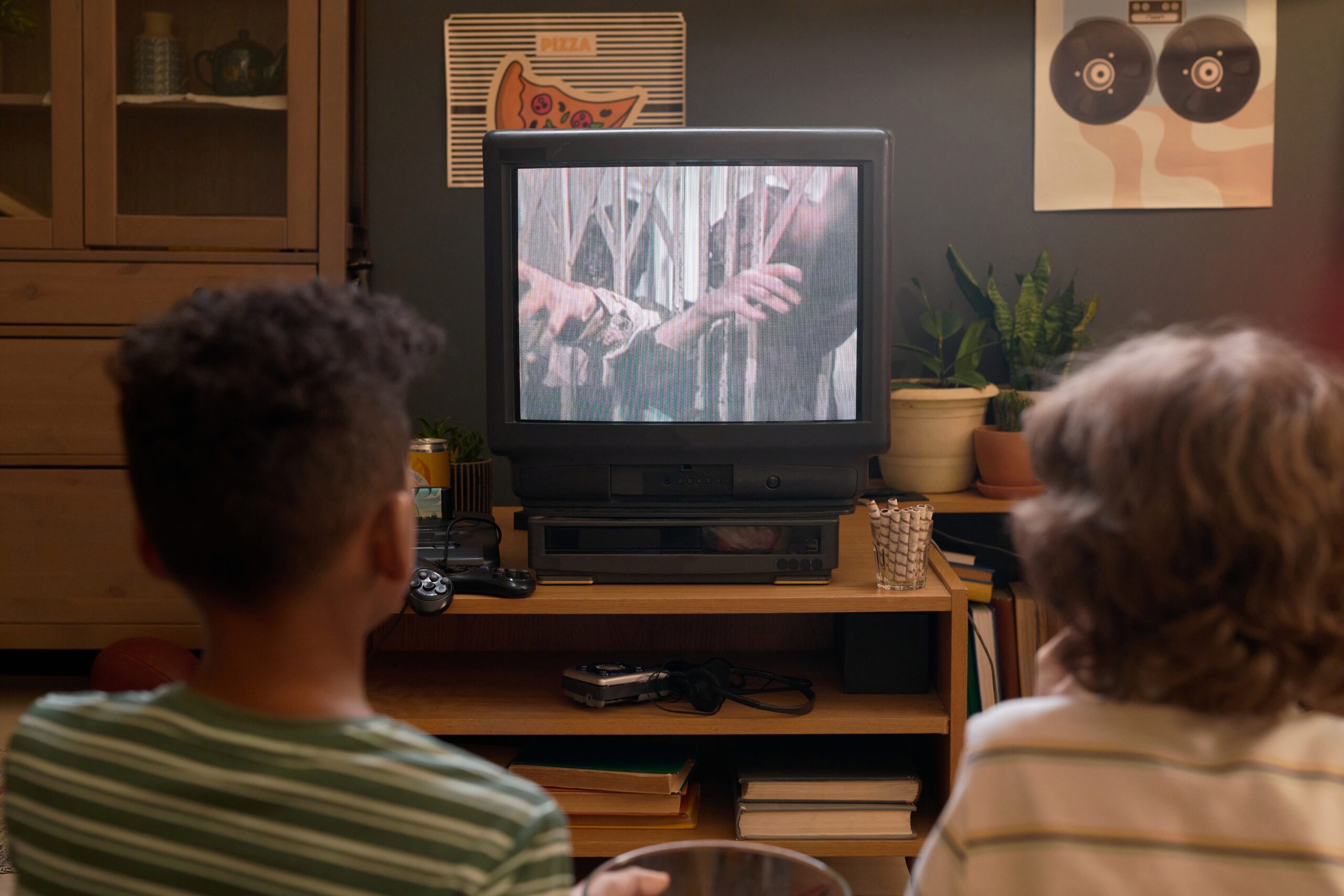
Do you ever find yourself hovering over your child with the remote, ready to hit pause the second a cartoon gets too sad? You are not alone. People often say modern parents are overprotective, but they forget what we grew up watching.
Contents
show
We are the generation that learned about death, betrayal, and heartbreak from “G-rated” movies while our parents were in the other room. It turns out, our anxiety about screen time isn’t just about blue light but about making sure our kids don’t have to navigate those big feelings by themselves.
Childhood Trauma and the PG-Rated Cinema
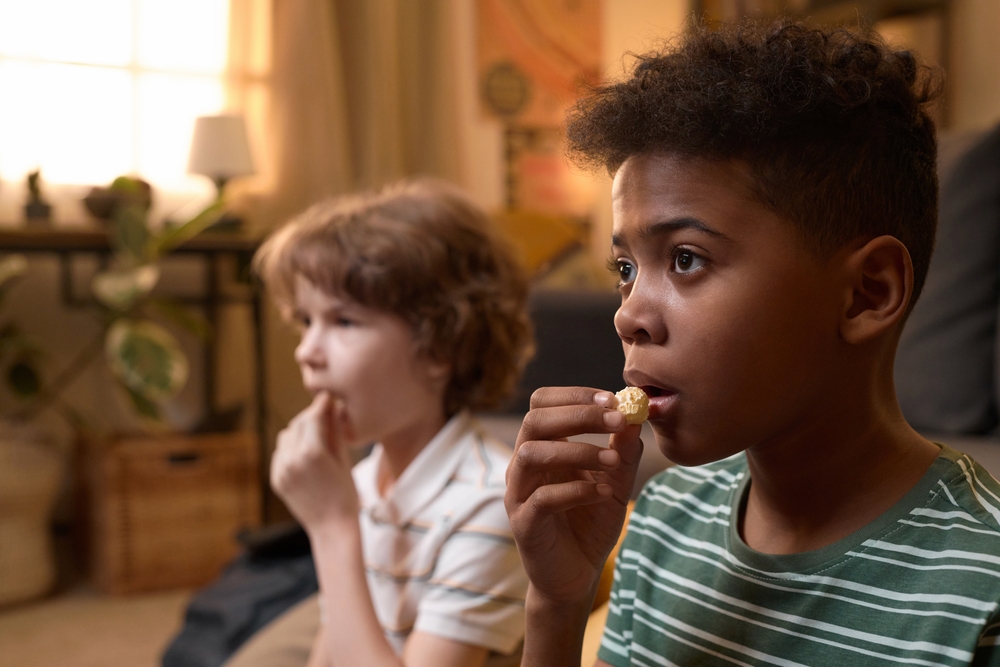
For parents raising young children today, revisiting “family entertainment” from the past often brings more shock than nostalgia. While modern caregivers carefully monitor screen time to avoid overstimulation, the 1990s had a very different standard. The “PG” rating was the ultimate green light. It suggested a movie was safe for kids, but that label often hid heavy emotional blows.
A look back at the era’s favorites reveals storylines filled with trauma. The Land Before Time was sold as a fun dinosaur adventure, yet it centered on a young dinosaur watching his mother die and then wandering alone. My Girl exposed children to the sudden death of a best friend and a heartbreaking funeral scene. Even Disney classics like The Lion King and Bambi built their entire plots around the tragic loss of a parent.
Parents in the 90s did not have the luxury of instant Google searches or parenting blogs to warn them about specific scenes. They trusted the ratings board. If it said “Parental Guidance,” they largely assumed it meant no bad words, not that their child would need emotional counseling afterward. As a result, many children sat in living rooms processing war, betrayal, and death without an adult sitting next to them to explain it.
This experience shaped the current generation of parents. They know firsthand how powerful a story can be because they lived through it without a safety net. The difference between those “safe” ratings and the actual heartbreak on screen has left a mark. It is a major reason why today’s parents are so vigilant about what their own kids watch.
The Evolution of Screen-Time Duty
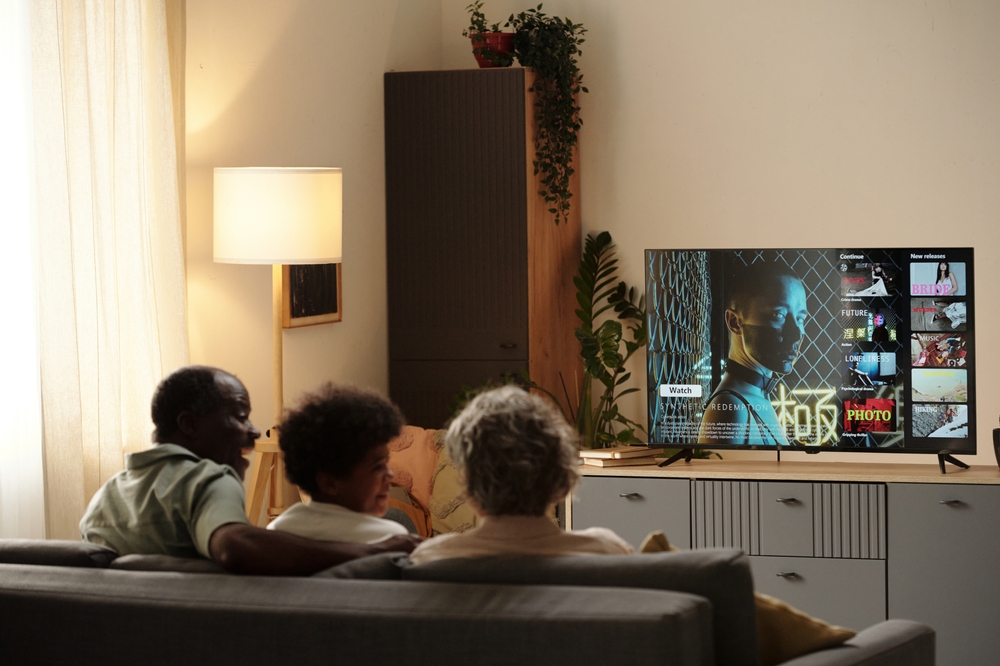
The way parents manage media has changed drastically since the 1990s. Back then, screen time was often treated as a convenient babysitter. Adults would pop in a VHS tape and walk away, confident that the rating on the box told the whole story. They did not have smartphones to check reviews or forums warning them that a specific movie might leave their child sobbing in the theater.
Because they didn’t know what was coming, parents usually just let us watch. A dad in the 90s might take his kid to Bridge to Terabithia thinking it was a fun fantasy movie, only to be totally shocked when the story took a tragic turn. Without warnings, parents didn’t know how to handle the tears that followed. Many parents back then didn’t really talk about big feelings. They were more likely to make a joke or change the subject than to sit down and help their kids understand grief.
Today’s parents are different. We have apps and websites that tell us exactly what happens, from scary moments to sad endings, before we even press play. This helps us be involved. Instead of walking away, modern parents often watch with their kids. We are ready to pause the movie and talk about what happened. It’s not just about keeping kids busy anymore; it’s about helping them handle the feelings the movie brings up.
A New Era of Emotional Storytelling
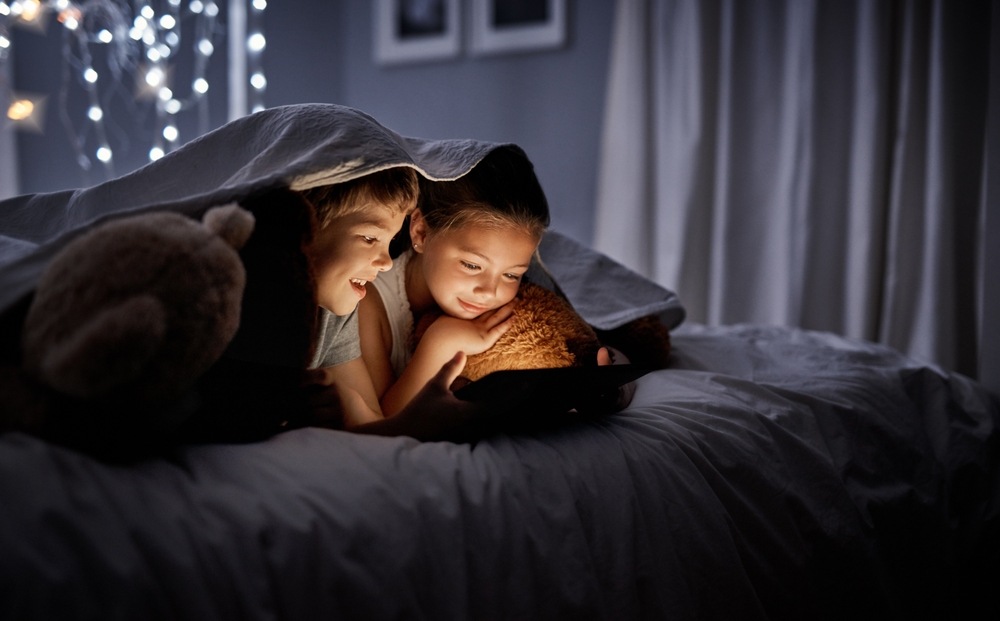
The content itself has also evolved. Movies of the past often relied on shock value or deep tragedy to drive a plot, but modern children’s entertainment operates on a different philosophy. Shows like Bluey, Moana, and Encanto are not just gentler; they are designed with emotional intelligence in mind. Instead of killing off a parent in the first ten minutes to establish a hero’s journey, these stories focus on navigating interpersonal relationships, managing disappointment, and understanding family dynamics.
In the 90s, a “drama” might involve a swarm of bees killing a child protagonist. Today, a dramatic episode of a popular cartoon might revolve around a balloon popping or a game of “keepy-uppy” ending too soon. This shift is intentional. Creators now recognize that children do not need extreme trauma to learn resilience.
This evolution turns screen time into a form of emotional coaching. When a character in a modern film experiences anxiety or anger, it gives the child watching a vocabulary to describe their own feelings. It transforms the television from a passive entertainment box into a tool for parents. Instead of avoiding the screen for fear of what might happen next, parents can use these narratives to start conversations about bravery, sadness, and kindness in a safe, controlled way.
Healing the Inner Child, Guiding the New Generation
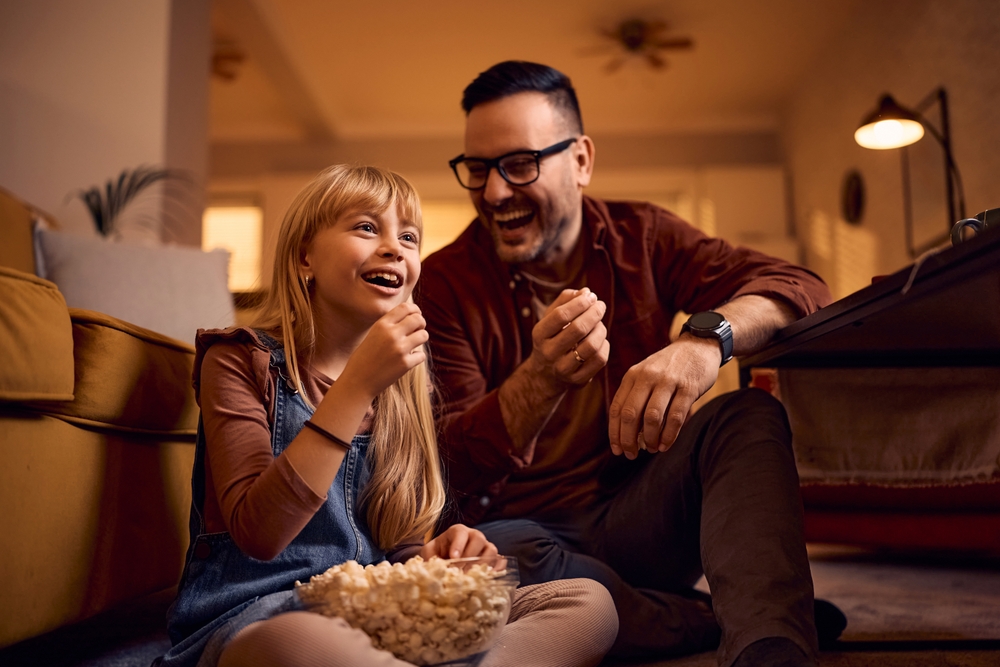
Parents do not need to ban these old movies forever. Instead of hiding them, they can use them to teach important lessons. The goal isn’t to stop kids from ever being sad. It is to make sure they don’t have to be sad alone. When shown at the right age with the right support, even a tear-jerker can be a good thing.
Here is how to navigate these “big feelings” films safely:
- Check the warnings first. Before watching an old favorite, look up a parenting guide. Knowing exactly when a scary or sad part happens helps adults prepare. They can be ready to give a hug or explain what is going on before the tears start.
- Hit pause. If a scene gets too intense, just stop the movie. This breaks the tension. It reminds the child they are safe on the couch. It gives parents a chance to ask, “That was scary, right?” or “Why do you think he is so sad?”
- Validate feelings. In the 90s, adults often said, “Don’t cry, it’s just a cartoon.” A better way is to say, “I know, that is really sad.” Letting a child cry helps them learn that having feelings is okay, not something to hide.
- Talk about it afterwards. When the movie ends, talk about what happened. Discussing bravery, loss, or friendship helps kids sort out their thoughts. It turns a movie night into a moment for connection rather than just entertainment.
Breaking the Cycle of Silence
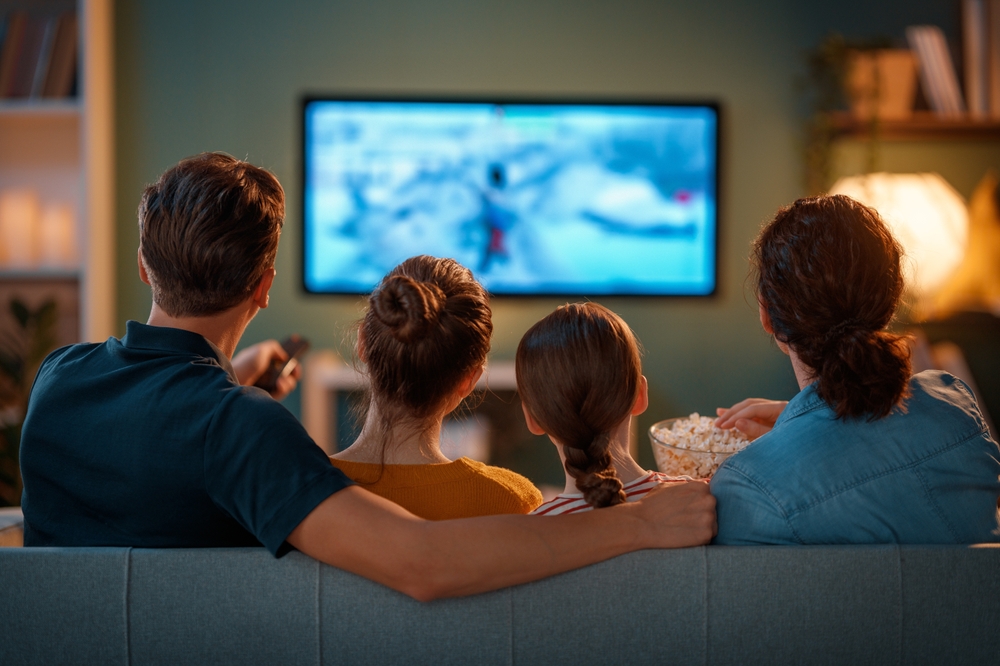
The goal of parenting today isn’t to wrap kids in bubble wrap. It is to give them the support their parents often missed. The worry many 90s kids feel about screen time isn’t just about blue light or too much TV. It comes from remembering what it felt like to watch scary things all alone.
By choosing to sit down, watch together, and talk about the hard parts, today’s parents are changing the story. They are showing their kids that even when a movie or life gets sad, they don’t have to face it by themselves. This generation is turning the tough moments of their own childhoods into a way to build trust and closeness with their own kids.