
Your cart is currently empty!
Trump Clashes With Trevor Noah After Grammys Joke
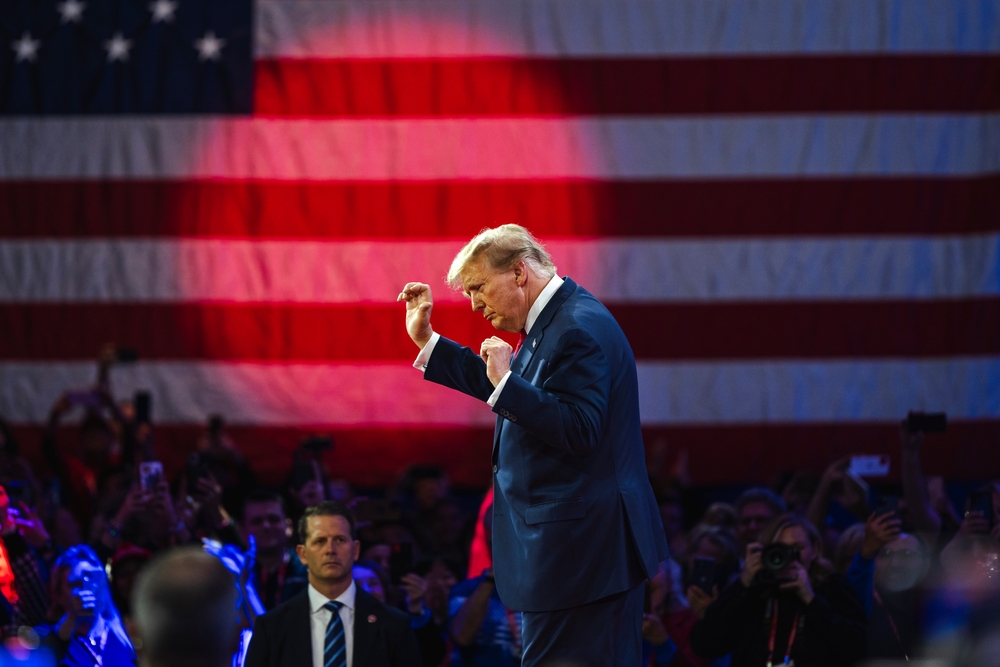
The Grammy Awards are usually remembered for fashion risks, surprise wins, and emotional speeches. This year, however, the conversation quickly shifted away from music and toward politics, power, and the boundaries of comedy. A single joke delivered from the stage by host Trevor Noah set off a furious response from President Donald Trump, who soon threatened legal action and reignited long running debates about free speech, celebrity politics, and the lingering shadow of Jeffrey Epstein.
Contents
show
What might have been another fleeting awards show quip instead became a flashpoint. Within hours, the president was posting on social media, calling the joke defamatory and promising to involve his lawyers. The moment encapsulated the increasingly volatile relationship between political power and cultural institutions in the United States, where late night jokes and award show monologues can now provoke threats from the highest office in the country.
This article explores how a brief line at the Grammys escalated into a political controversy, why Epstein remains such a radioactive subject, and what this episode reveals about the current climate surrounding media, speech, and presidential authority.
A Joke That Changed the Night
Trevor Noah, hosting the Grammys for the sixth consecutive year, delivered his monologue with the practiced ease of someone comfortable balancing humor, global politics, and pop culture. As the ceremony moved toward one of its biggest awards, Song of the Year, Noah made a remark comparing the prestige of the award to President Trump’s well known interest in acquiring Greenland.
The punchline followed quickly. Noah joked that with Epstein’s island now gone, Trump might need a new place to spend time, adding Bill Clinton into the remark. The line landed audibly in the room, drawing laughter and gasps in equal measure. Within seconds, it was clear the joke would not simply drift away with the applause.
Award show humor has long flirted with political commentary, but the reference to Epstein, whose crimes remain deeply traumatic for survivors and unsettling for the public, immediately raised the stakes. Noah appeared to anticipate backlash, even joking that it was his final year hosting and asking the audience what could possibly happen next.
Trump’s Response and the Threat of Legal Action
Shortly after the broadcast ended, President Trump turned to his Truth Social platform to issue a blistering response. He denounced the Grammys as unwatchable, criticized CBS for airing the show, and singled out Noah with unusually personal insults.
Trump insisted that Noah’s statement was false and defamatory, repeatedly stating that he had never been to Epstein’s private island and had never been accused of doing so. He drew a distinction between himself and Clinton, saying he could not speak for the former president but categorically denied any such involvement on his own part.
The most striking element of Trump’s response was not the insult-laden language, which has become familiar, but the explicit threat of legal action. He claimed he would instruct his lawyers to sue Noah and suggested he would enjoy doing so.
In recent years, Trump has increasingly framed criticism from media figures as grounds for litigation. His response to Noah followed a pattern seen in lawsuits or threats aimed at journalists, television networks, and publishers. Whether such lawsuits succeed or even proceed often matters less than the message they send about power, intimidation, and retaliation.
Why Epstein Remains an Untouchable Subject
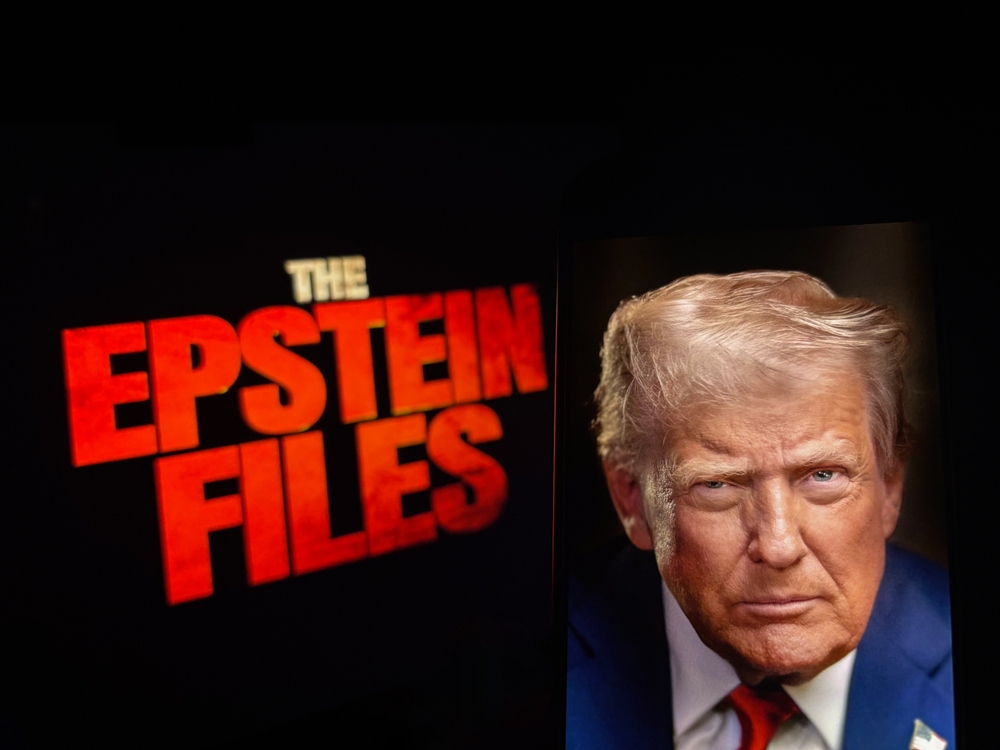
Jeffrey Epstein’s name continues to function as a political and cultural tripwire. Even years after his death in a New York jail cell, the fallout from his crimes continues to reverberate through elite institutions.
Epstein’s private Caribbean island has become a symbol of unchecked wealth, secrecy, and systemic failure. Multiple survivors have alleged they were trafficked there and abused while powerful individuals looked on or turned away. As a result, any reference to the island carries immense emotional and moral weight.
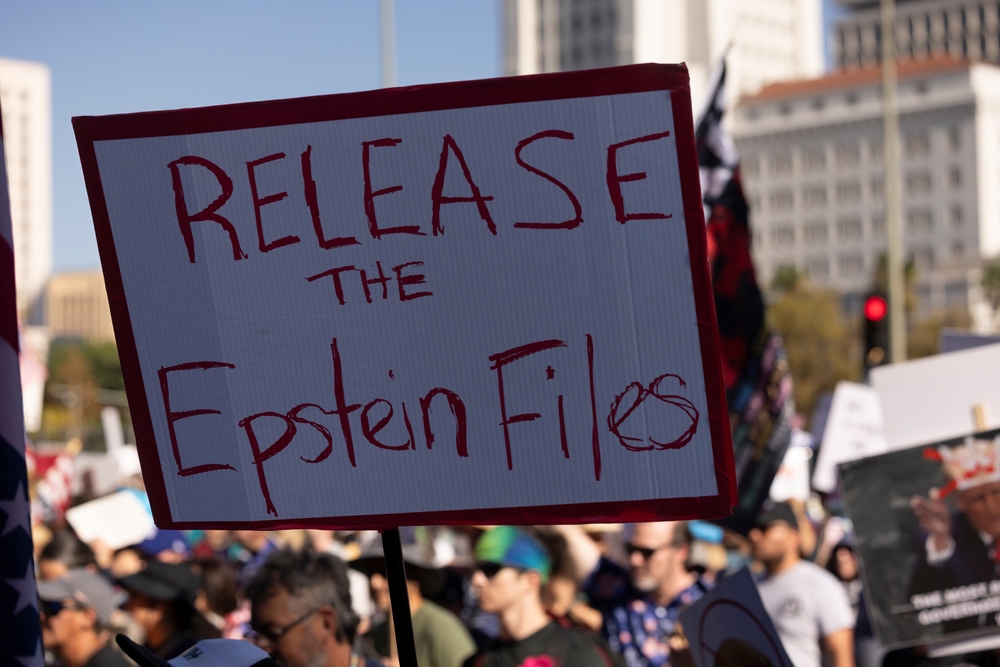
Public records and released documents show that Epstein maintained relationships with influential figures across politics, finance, and entertainment. Both Trump and Clinton are mentioned in various files, largely in social or logistical contexts, and both men have consistently denied knowledge of Epstein’s criminal behavior. No evidence has emerged accusing either of participating in Epstein’s crimes.
Still, the association alone is enough to provoke outrage, suspicion, and denial. For politicians, Epstein references threaten reputations in ways few other topics can. For comedians, the subject is fraught territory that blends satire with trauma.
The Grammys as a Political Stage
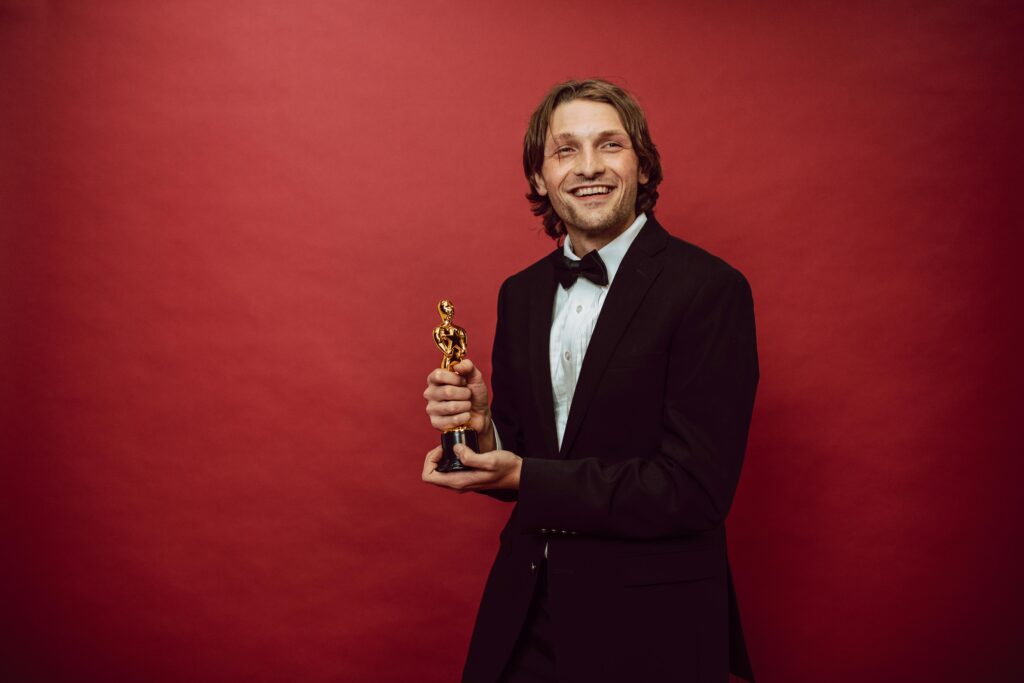
This year’s Grammys were already shaping up to be politically charged before Noah’s joke ever landed. Throughout the ceremony, artists used their moments on stage to speak out against immigration policies, enforcement agencies, and broader cultural divisions.
Several performers and winners wore anti-ICE pins, while acceptance speeches referenced immigration histories, protest movements, and resistance. Billie Eilish spoke about stolen land and the importance of continued activism. Olivia Dean reflected on her identity as the granddaughter of an immigrant. Bad Bunny denounced dehumanizing rhetoric toward migrants and emphasized shared humanity.
In this context, Noah’s joke did not appear in isolation. It arrived as part of a broader atmosphere in which the music industry openly positioned itself against elements of Trump’s administration. That environment likely intensified the president’s reaction, reinforcing a perception that major cultural platforms were aligned against him.
For decades, awards shows have served as unofficial forums for political expression. What has changed is the level of direct confrontation between political leaders and entertainers, with social media accelerating and amplifying every exchange.
Comedy, Power, and Free Speech
At the heart of the controversy lies an old but unresolved question. How far does free speech extend when comedy targets those in power, and how should powerful figures respond?
Historically, satire has thrived on challenging authority. Late night hosts, stand up comedians, and award show emcees have mocked presidents, monarchs, and institutions with relative impunity. The expectation has been that those in power absorb the criticism as part of public life.
Trump has repeatedly rejected this norm. Rather than dismiss jokes as part of the job, he often frames them as malicious attacks deserving punishment. His threat to sue Noah fits into this broader posture, where criticism is treated not as commentary but as a legal offense.
Legal experts have long noted that defamation claims involving public figures face a high bar in the United States. Plaintiffs must prove not only that statements were false, but that they were made with actual malice. Jokes, satire, and hyperbole are typically afforded significant protection.
Nevertheless, the threat itself can have a chilling effect. Even unsuccessful lawsuits can drain time, money, and emotional energy, particularly for individuals or smaller outlets. When such threats come from a sitting president, the power imbalance becomes impossible to ignore.
Media Companies Caught in the Crossfire

The fallout from the Grammys joke also highlights the precarious position of media companies. CBS aired the ceremony for the final time this year, marking the end of a decades long relationship with the awards show.
Trump appeared to celebrate the network’s departure, suggesting CBS was fortunate to be rid of what he described as garbage programming. His comments came amid broader scrutiny of media conglomerates and their editorial decisions.
In recent months, several networks and corporations have faced lawsuits, regulatory pressure, or public attacks from Trump. Late night hosts like Stephen Colbert and Jimmy Kimmel have also been frequent targets, with Trump applauding suspensions and cancellations that followed controversial segments.
These dynamics raise concerns about whether media companies might self censor to avoid conflict with political power. When executives weigh ratings, regulatory risks, and legal threats, creative and journalistic independence can quietly erode.
Trevor Noah’s Role and Response
Trevor Noah has not publicly escalated the dispute. Known for his global perspective and measured tone, Noah has often emphasized dialogue over confrontation. His tenure on The Daily Show was marked by thoughtful satire that blended humor with explanation.
By joking that it was his last year hosting the Grammys, Noah appeared to acknowledge the risks inherent in his role. Whether he anticipated legal threats or not, the remark now reads as an ironic foreshadowing.
Noah’s silence following Trump’s posts may reflect strategic restraint. Engaging directly could prolong the controversy, while stepping back allows the focus to shift toward broader questions rather than personal sparring.
Trump’s History With Litigation and the Press
The threat to sue Noah does not stand alone. Trump has pursued or threatened legal action against numerous media organizations over the years, including newspapers, television networks, and publishers.
Supporters argue that these lawsuits are necessary to push back against misinformation and bias. Critics counter that they represent an attempt to intimidate the press and discourage scrutiny.
Even when cases are dismissed or settled, they contribute to an atmosphere in which journalists and entertainers must calculate legal risk alongside editorial judgment. For a president who frequently labels unfavorable coverage as fake news, the courtroom becomes another arena for political combat.
The Public Reaction and Cultural Divide
Public response to the controversy has been sharply divided. Some view Noah’s joke as irresponsible, arguing that Epstein’s references trivialize serious crimes and unfairly implicate individuals without evidence.
Others see Trump’s reaction as disproportionate, interpreting the threat of a lawsuit as an overreach that underscores his intolerance for criticism. On social media, the exchange quickly became a proxy battle for broader ideological divides.
The episode illustrates how cultural flashpoints now operate in American life. A joke at an awards show can trigger debates about immigration, media bias, legal power, and moral accountability all at once.
What This Moment Says About American Politics
This controversy is not really about a single joke. It reflects deeper tensions in a political culture where entertainment, governance, and identity are increasingly intertwined.
Presidents now communicate directly with the public in real time, bypassing traditional filters. Entertainers command platforms that rival political speeches in reach and influence. When these worlds collide, the results can be explosive.
The Grammys incident shows how fragile the boundary between satire and offense has become, especially when trauma, allegations, and unresolved injustices linger beneath the surface.
Power, Image, and the Politics of Reaction
Whether Trump follows through on his threat to sue Trevor Noah remains uncertain. What is clear is that the episode will be remembered as another marker of how contentious the relationship between power and speech has become.
For audiences, it raises uncomfortable questions. Can comedy still challenge authority without provoking retaliation? Should certain subjects be off limits, even in satire? And how should society balance accountability, empathy for victims, and freedom of expression?
As politics continues to spill onto entertainment stages and entertainers continue to shape political discourse, moments like this may become more common rather than exceptional. The Grammys joke and its aftermath serve as a reminder that words, even those spoken in jest, carry weight in an era where power listens closely and often reacts loudly.