
Your cart is currently empty!
Trump Thanked Police Chief for ‘Stopping’ Epstein, Labeled Ghislaine Maxwell ‘Evil’ in 2006 Call
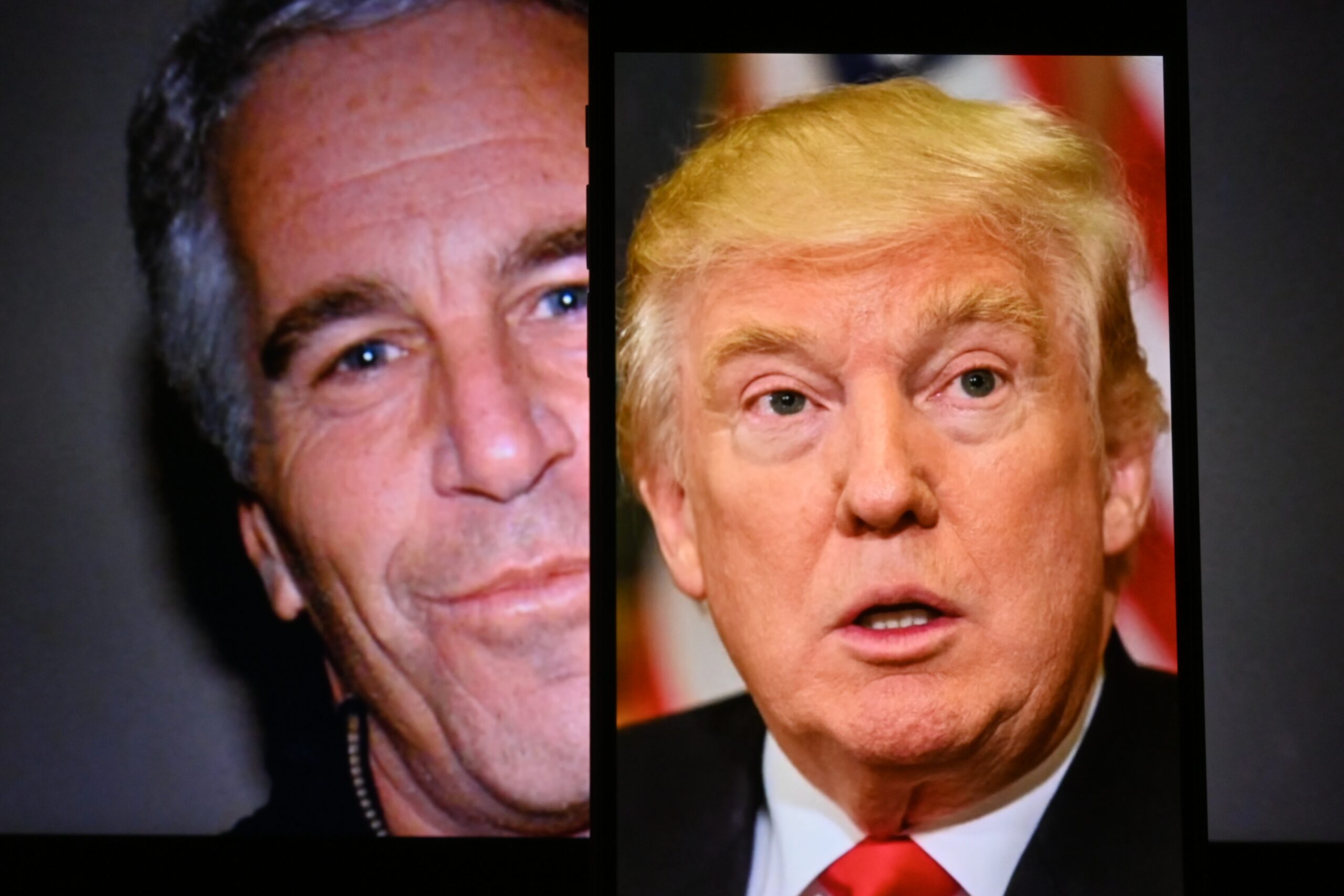
For years, the true nature of the relationship between Donald Trump and Jeffrey Epstein has remained a subject of intense speculation and shifting narratives. A newly released FBI document from 2006 now offers a startling glimpse into a private conversation that challenges much of what has been said publicly.
Contents
show
Instead of the distance often claimed in recent interviews, the former president reportedly reached out directly to law enforcement to praise their investigation into the disgraced financier. This unexpected phone call raises fresh questions about who knew the truth during the early days of the scandal and complicates the history of one of Palm Beach’s most notorious chapters.
New FBI Documents Reveal 2006 Trump Call to Police Chief
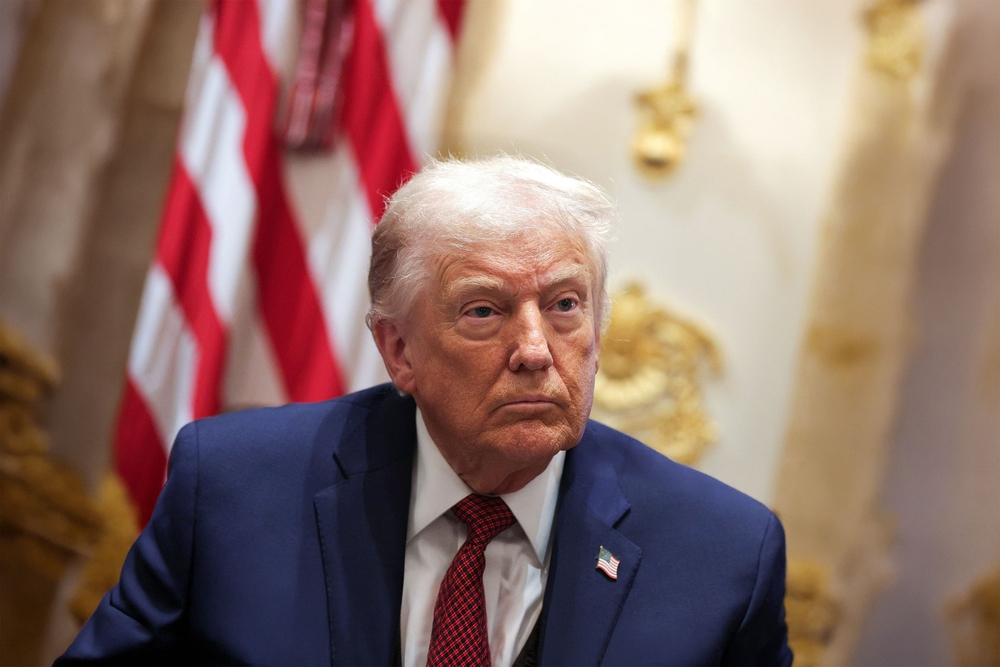
A newly surfaced Federal Bureau of Investigation document has shed light on a private interaction between Donald Trump and local law enforcement regarding the early investigation into Jeffrey Epstein. According to a summary of an October 2019 interview with former Palm Beach Police Chief Michael Reiter, the former president reached out personally in 2006 to express gratitude for the scrutiny being placed on the disgraced financier. This contact reportedly occurred shortly after it became public knowledge that authorities were looking into allegations that Epstein was soliciting minors.
In the detailed account, Reiter recalls Trump stating, “Thank goodness you’re stopping him, everyone has known he’s been doing this.” The summary suggests that Trump was among the very first individuals to contact the police department once the investigation’s existence circulated within the wealthy Florida community. Beyond merely commenting on Epstein, the document indicates that Trump directed the police chief’s attention specifically toward Ghislaine Maxwell. Describing her as Epstein’s “operative,” Trump reportedly insisted that “she is evil and to focus on her.”
The FBI record further notes Trump’s assertion that he actively distanced himself from Epstein when he observed inappropriate settings. He claimed that on one occasion, he “got the hell out of there” upon seeing teenagers present around the financier. This 2006 conversation, recounted by Reiter more than a decade later, offers a contemporary perspective on Trump’s private stance during the nascent stages of the legal proceedings against Epstein.
Conflicting Timelines and Public Statements
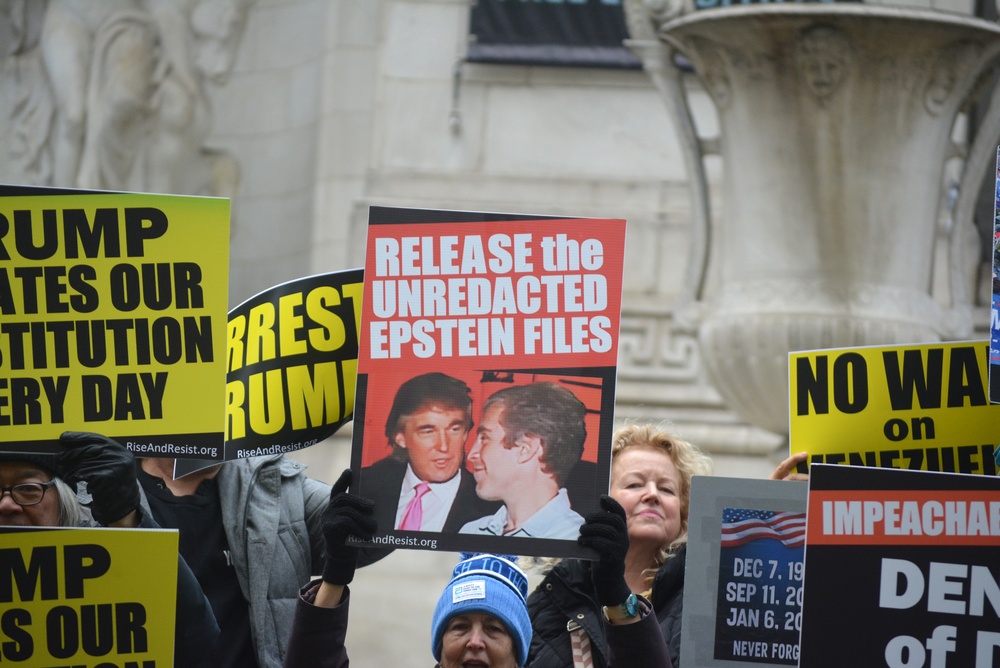
The revelations in the FBI interview present a complex picture regarding what was understood about Jeffrey Epstein’s behavior within elite social circles. While the former president allegedly told Chief Reiter in 2006 that Epstein’s predilections were an open secret in New York and Palm Beach, this private acknowledgment contrasts with later public assertions. In July 2019, when asked by reporters if he had any suspicion regarding the allegations of molestation, Donald Trump stated he had “no idea” and had not spoken to the financier in many years.
The relationship between the two men had reportedly soured long before Epstein’s initial legal troubles began. The FBI summary notes that Trump claimed to have ejected Epstein from his Mar-a-Lago club, a detail that current spokespeople cite as evidence of his consistent stance. Press Secretary Karoline Leavitt stated that while the specific 2006 call could not be confirmed, the narrative aligns with the former president barring Epstein from the property for being a “creep.”
However, earlier interactions painted a more amicable picture. In a 2002 interview with New York Magazine, Trump described Epstein as a “terrific guy” and “a lot of fun to be with,” explicitly noting his preference for women on the “younger side.” By 2019, the tone had shifted entirely, with Trump asserting he was “not a fan” of Epstein. The newly released document adds a layer of nuance to this timeline, suggesting that by 2006, the former president was actively distancing himself from the financier in private conversations with law enforcement, citing a specific instance where he removed himself from a situation involving teenagers.
A Case Derailed Before It Started
Former Police Chief Michael Reiter described a difficult investigation that began long before the case made national headlines. His department started receiving reports about young women at Jeffrey Epstein’s Palm Beach estate around 2003. By 2005, a serious inquiry was underway after a mother reported that her 14-year-old stepdaughter had been abused. Police surveillance soon confirmed that girls who looked young enough to be in middle school, some carrying backpacks and wearing braces, were frequent visitors to the house.
During this time, Epstein appeared to use his wealth to build a friendly relationship with the police. The FBI interview reveals that he donated $40,000 for security equipment and even wrote a $90,000 check for a fingerprinting machine, which the department never cashed. He was also a major donor to a scholarship fund for police officers’ children. Despite these gestures, Reiter’s team compiled a detailed case involving sexual battery charges against Epstein and his associates.
However, the police chief faced significant resistance from state prosecutors. Reiter recalled that the state attorney’s office refused to move forward, claiming the victims were not credible. Prosecutors reportedly used the girls’ social media profiles, specifically their MySpace pages, to attack their character and dispute minor details in their statements. Feeling that the local justice system was failing these young women, Reiter took the unusual step of bypassing state officials and handing the files directly to the FBI.
Trump’s Complicated History With Ghislaine Maxwell
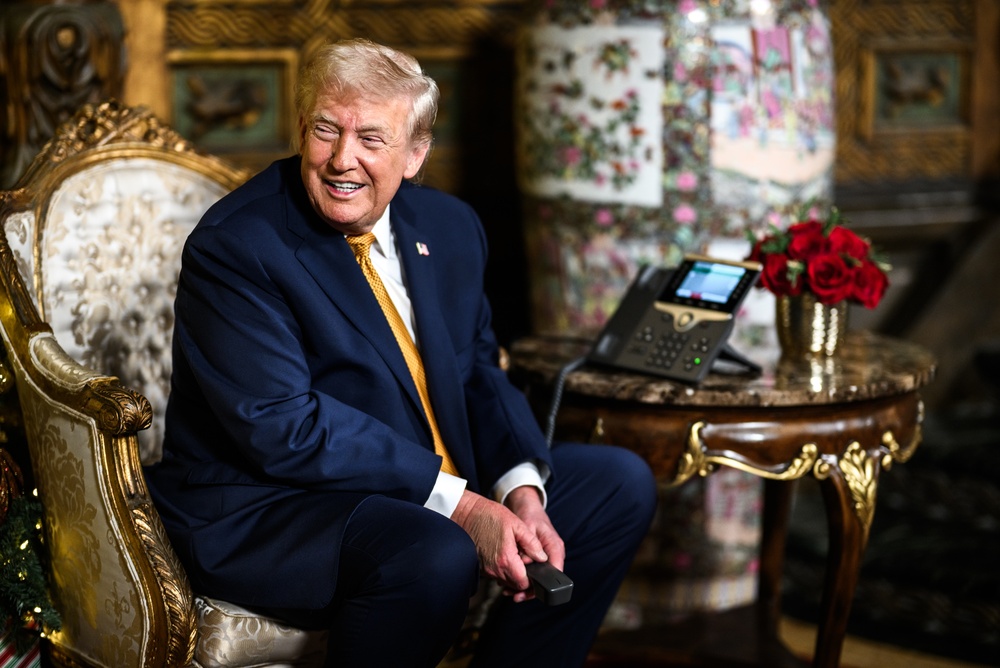
The FBI documents highlight a specific focus on Ghislaine Maxwell during the 2006 conversation between Donald Trump and Chief Reiter. While much of the early public attention centered solely on Jeffrey Epstein, the former president reportedly identified Maxwell as the “operative” behind the operation. He explicitly told the police chief that “she is evil” and urged law enforcement to direct their resources toward her activities. This private assessment aligns with the eventual court findings, which determined she played a pivotal role in procuring underage girls for Epstein’s network.
A key figure in this recruitment web was Virginia Giuffre, who worked as a spa attendant at Mar-a-Lago as a teenager. Giuffre stated that Maxwell approached her at the club and introduced her to Epstein under the guise of a job opportunity. While Trump has maintained he banned Epstein from the property after learning of a separate dispute regarding staff poaching, the intersection between the club’s employees and Epstein’s victims remains a significant point of historical record.
Today, Maxwell is serving a 20-year sentence for sex trafficking. Her legal team recently indicated that she would be willing to speak fully if granted clemency. When asked about this possibility in July, Trump stated he was unaware of the specifics but would take a look at it. This neutral stance differs from his 2020 comment where he wished her well following her arrest, adding another layer of complexity to the narrative regarding his views on her involvement.
Epstein Evidence Found in a Dead Detective’s Home
The recent surfacing of these details regarding the former president and the 2006 investigation stems from an unexpected discovery. The 2019 FBI interview with Chief Reiter was prompted by the recovery of two boxes of case files found in the home of Joe Recarey, the lead detective who passed away in 2018. His widow located the materials, which included a copy of a hard drive from a computer in Jeffrey Epstein’s kitchen. These documents had remained effectively lost for years until they were finally handed over to federal agents.
This evidence reignited questions about why the original case resulted in such a lenient sentence. Despite the police department compiling what they believed was a solid case, the legal proceedings ended in a 2008 plea deal that allowed Epstein to serve just 13 months, much of it on work release. Reiter expressed deep frustration with this outcome. He recalled a conversation with then-U.S. Attorney Alex Acosta, who reportedly admitted that there was “a lot of interest from higher up” in the case.
Reiter described the situation as a distinct failure of the justice system. He noted that while his officers were being followed and their trash searched by private investigators hired by the defense, the legal system ultimately folded. The 2008 agreement halted federal prosecution for over a decade, leaving victims without justice until Epstein’s arrest in 2019. This chapter of the story highlights how wealth and influence seemingly stalled the wheels of justice, burying the truth in boxes that would not be opened for another ten years.
Epstein’s Open Secret
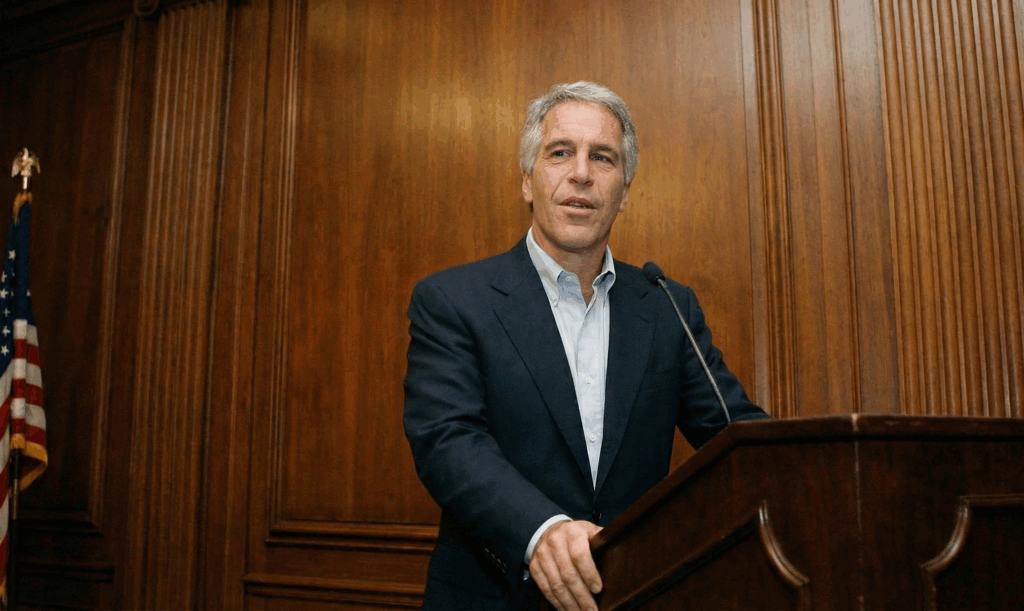
This new FBI document gives us a rare look at what was happening behind the scenes years ago. In 2006, Donald Trump privately thanked the police chief for investigating Jeffrey Epstein and explicitly warned him about Ghislaine Maxwell. This specific call shows that he was aware of the serious nature of the allegations at the time. However, this private support stands in contrast to his later public statements, where he often downplayed his knowledge of the situation or simply wished Maxwell well after her arrest.
For those following this long saga, the most frustration comes from realizing how many people knew the truth early on. It appears that Epstein’s behavior was an “open secret” among the wealthy and powerful long before he faced real consequences. While local police tried to do the right thing, the legal system failed to stop him for another decade. These files remind us that justice can be slow, especially when money and influence are involved, leaving the victims waiting far too long for the truth to finally come out.