
Your cart is currently empty!
Science Explains Why Coke From a Bottle Feels More Refreshing
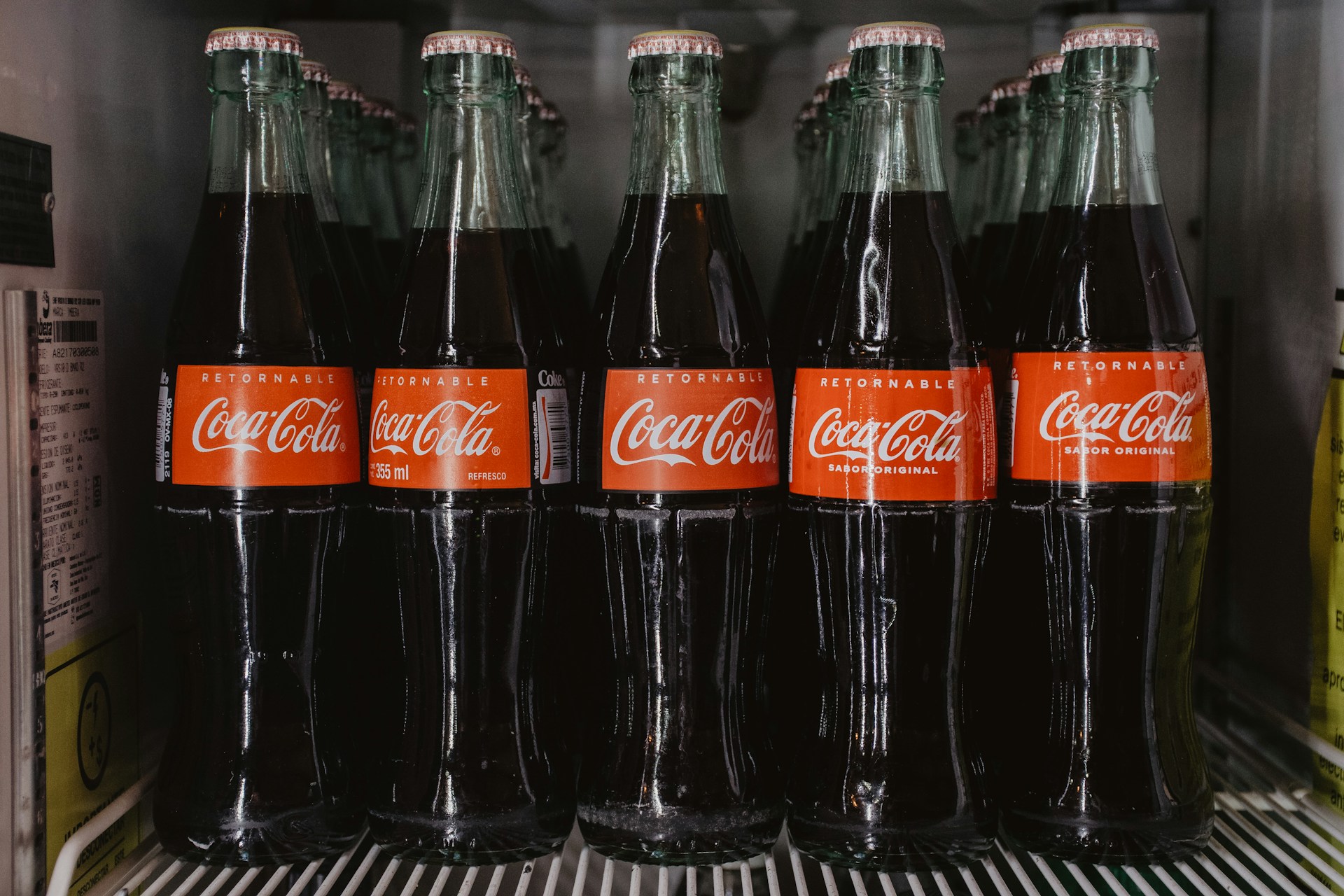
There is something almost magical about the sound of a glass Coca-Cola bottle being opened. The crisp pop of the cap, the slight fizz that follows, and the cool weight of glass in your hand all seem to promise something special. For many people, that first sip from a glass bottle simply tastes better than from a can or plastic bottle.
Contents
show
It turns out this feeling is not just nostalgia playing tricks on your mind. According to report from Food Bible, there are real scientific and psychological reasons why Coca-Cola from a glass bottle often tastes superior. From chemistry to carbonation to the way our brains interpret sensory cues, several factors work together to shape this experience.
So what exactly makes Coca-Cola taste better from a bottle? The answer involves packaging materials, carbon dioxide retention, temperature, and even the power of expectation. Let us break down the surprisingly complex story behind one of the world’s most recognizable drinks.
The Science of Packaging and Flavor Protection
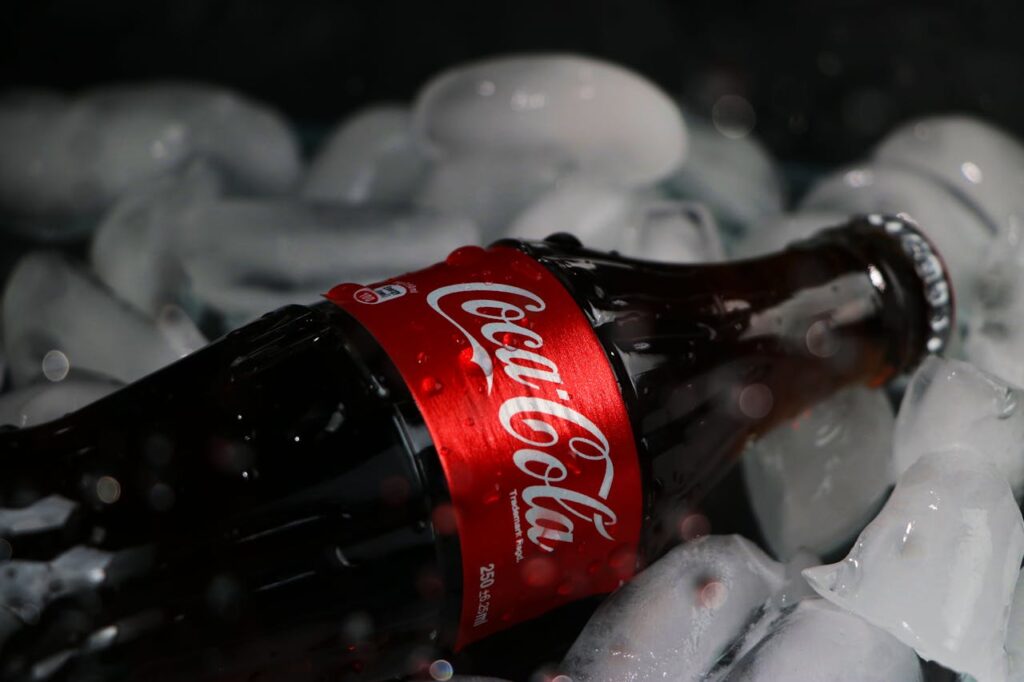
One of the biggest reasons Coca-Cola tastes better from a glass bottle comes down to chemistry. Glass is an inert material, which means it does not chemically interact with the liquid inside. According to Food Bible, this is significant because it preserves the intended flavor profile of the drink exactly as it was formulated.
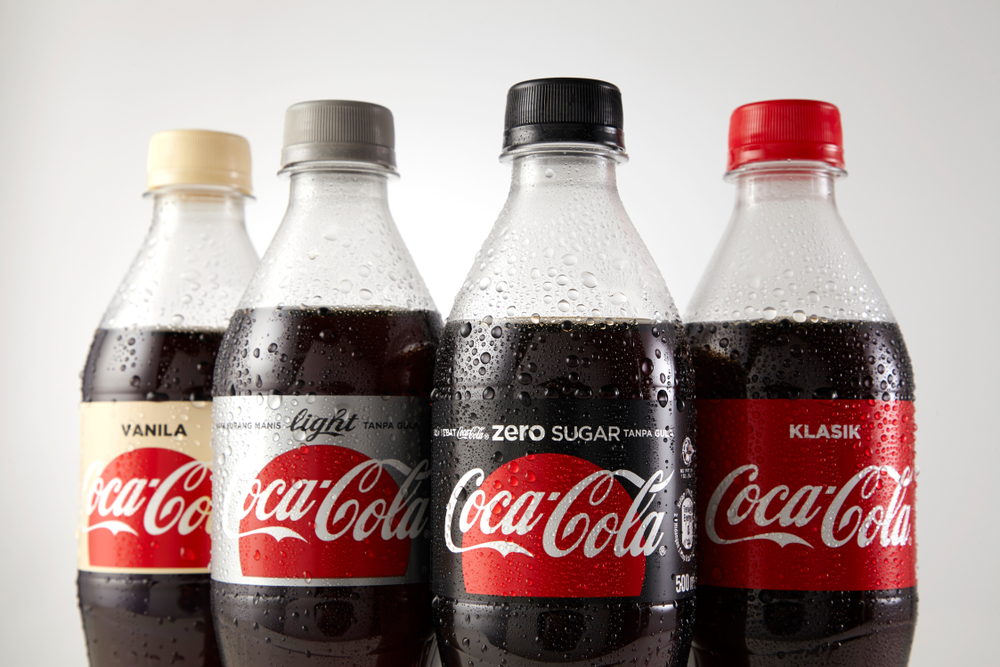
Plastic bottles, on the other hand, are slightly permeable. Over time, tiny amounts of carbon dioxide can escape through the plastic, and small amounts of oxygen can seep in. Even though this process is minimal, it can subtly affect taste. Oxygen exposure can alter flavor compounds, and carbon dioxide loss reduces that sharp, fizzy bite many people associate with freshness.
Aluminum cans are lined with a thin polymer coating to prevent the soda from reacting with the metal. However, some consumers report detecting a faint metallic taste. BuzzFeed noted that while modern can linings are designed to prevent flavor interference, perception can still vary from person to person.
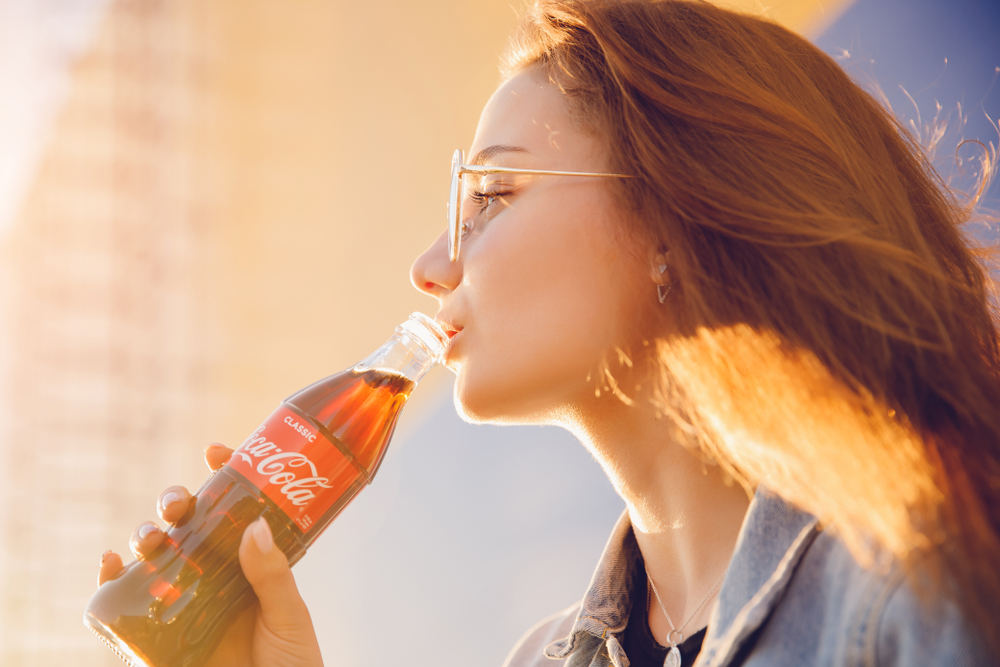
Glass bottles provide a nearly perfect barrier. They prevent oxygen intrusion and keep carbon dioxide locked in more effectively over time. This means that when you open a glass bottle, the carbonation and flavor remain closer to how the beverage was originally designed to taste.
Carbonation Levels and the Fizz Factor
Carbonation plays a huge role in how we perceive flavor. The tingling sensation created by carbon dioxide stimulates pain receptors in the mouth in a mild and pleasant way. This stimulation enhances sweetness and sharpness, making the drink feel more refreshing.
According to coverage in UNILAD, some bottling processes for glass bottles maintain slightly higher carbonation levels. Even small differences in carbonation can dramatically influence how crisp and lively the drink feels. A stronger fizz can make the beverage taste more vibrant.
When carbon dioxide escapes from plastic more easily than from glass, the result may be a flatter drink over time. Even if the difference is small, our taste buds are surprisingly sensitive to carbonation changes. Less fizz can translate into a duller flavor experience.
There is also the sensory experience of drinking directly from the narrow neck of a glass bottle. The concentrated flow of soda hits your tongue differently compared to the wider opening of a can. This focused stream can intensify the perception of carbonation and sweetness, adding to the impression that the drink tastes better.
Temperature and Thermal Conductivity
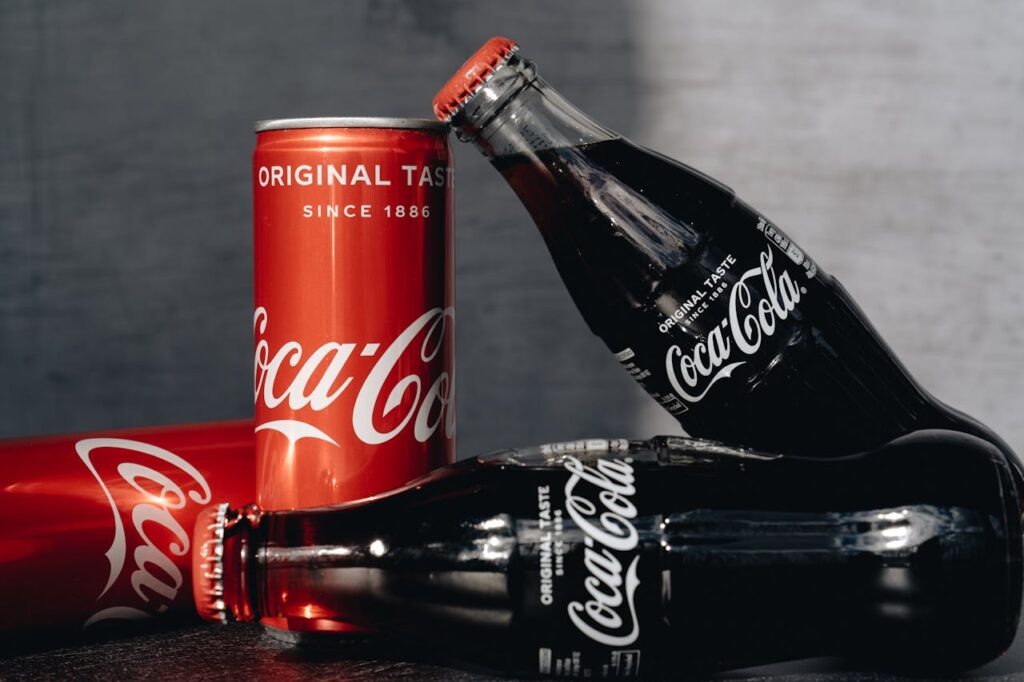
Another factor that influences taste is temperature. Glass bottles tend to chill differently than plastic bottles or cans. Glass has a higher thermal mass, meaning it retains cold temperatures longer once chilled.
When you take Coca-Cola out of a refrigerator in a glass bottle, the material helps maintain that cool temperature as you drink. Plastic warms up more quickly in your hand. As the temperature of soda rises, carbonation dissipates faster and sweetness becomes more pronounced, which can make the drink feel syrupy rather than crisp.
Food experts often note that Coca-Cola is formulated to be consumed at a specific temperature range. When it stays colder longer, the balance between sweetness, acidity, and carbonation remains optimal. This controlled temperature experience can subtly enhance the overall flavor perception.
There is also the tactile element. Holding a cold glass bottle feels different from gripping plastic or aluminum. The weight and solidity of glass signal quality to the brain. That physical cue can influence how refreshing and satisfying the drink feels, reinforcing the idea that it tastes better.
The Power of Nostalgia and Psychology
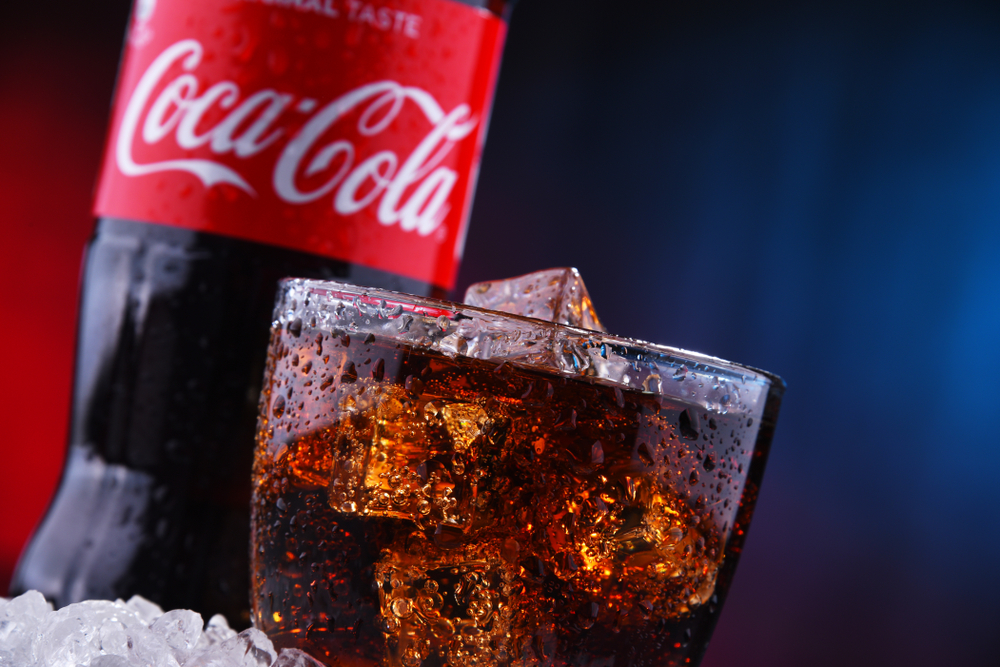
Taste is not only about chemistry. It is also about memory and expectation. Many people associate glass bottles with childhood, summer outings, or classic diners. These emotional connections shape perception.
When we expect something to taste better, our brains often confirm that expectation. This phenomenon, known as expectancy bias, influences how we interpret sensory information. If you believe that Coca-Cola from a glass bottle is superior, your brain may amplify positive aspects of the flavor.
Marketing and cultural imagery also play a role. Coca-Cola has long used glass bottles in iconic advertisements and holiday campaigns. The contour bottle design is instantly recognizable. That familiarity builds trust and emotional attachment.
Psychologists explain that multisensory cues, such as the sound of the cap popping and the feel of glass against your lips, prime your brain for a premium experience. These cues enhance satisfaction before the drink even touches your tongue.
Differences in Bottling and Regional Variations
There is another layer to this story. In some regions, Coca-Cola bottled in glass uses slightly different sugar sources. For example, Mexican Coca-Cola often uses cane sugar instead of high fructose corn syrup, which is more common in the United States.
While the articles referenced focus primarily on packaging, consumers frequently report that cane sugar versions taste smoother or less cloying. This difference in sweetener can influence overall flavor perception, especially when combined with the preservation benefits of glass.
Bottling plants may also have minor variations in water mineral content, which can subtly affect taste. Coca-Cola maintains strict quality standards worldwide, but local water sources are treated and filtered in each facility. Small mineral differences can contribute to regional flavor nuances.
These combined factors mean that when someone says Coca-Cola tastes better from a glass bottle, they may be responding to multiple overlapping variables. Packaging, carbonation, sweetener choice, and regional production all play a part in shaping the final sip.
Why the Experience Feels More Premium
Beyond science and psychology, there is the simple perception of quality. Glass is often associated with premium products. Fine beverages, perfumes, and gourmet sauces frequently use glass packaging. This association carries over to soda.
The weight of the bottle, the clarity of the glass, and the ritual of opening it all contribute to a more deliberate drinking experience. Unlike twisting open a plastic cap, prying off a metal cap feels ceremonial. That ritual can elevate an everyday drink into something special.
Environmental perception may also influence enjoyment. Some consumers view glass as more sustainable because it is recyclable and reusable. Feeling that a product aligns with your values can enhance satisfaction.
In the end, the idea that Coca-Cola tastes better from a glass bottle is supported by both tangible science and intangible emotion. It is a reminder that flavor is never just about ingredients. It is about context, environment, memory, and sensation working together.
Lessons From a Glass Bottle
So does Coca-Cola objectively taste better from a glass bottle. From a scientific standpoint, glass offers superior protection against oxygen exposure and carbonation loss. That alone can preserve the drink’s intended flavor profile more effectively than plastic.
However, taste is deeply personal. Carbonation levels, temperature retention, and even the shape of the bottle all influence perception. Add nostalgia and expectation into the mix, and the experience becomes even more powerful.
What this reveals is something broader about how we experience food and drink. The container, the setting, and our emotional state all shape flavor. Sometimes, the difference we notice is real and measurable. Other times, it is amplified by memory and meaning.
The next time you reach for a Coca-Cola, you might pay closer attention to the packaging. You may find that the crisp pop of a glass bottle is not just satisfying to hear. It is part of a carefully layered sensory experience that makes each sip feel just a little more special.