
Your cart is currently empty!
Mom of 7-Year-Old Hospitalized With Measles Brain Swelling Says She Still Wouldn’t Choose the Vaccine
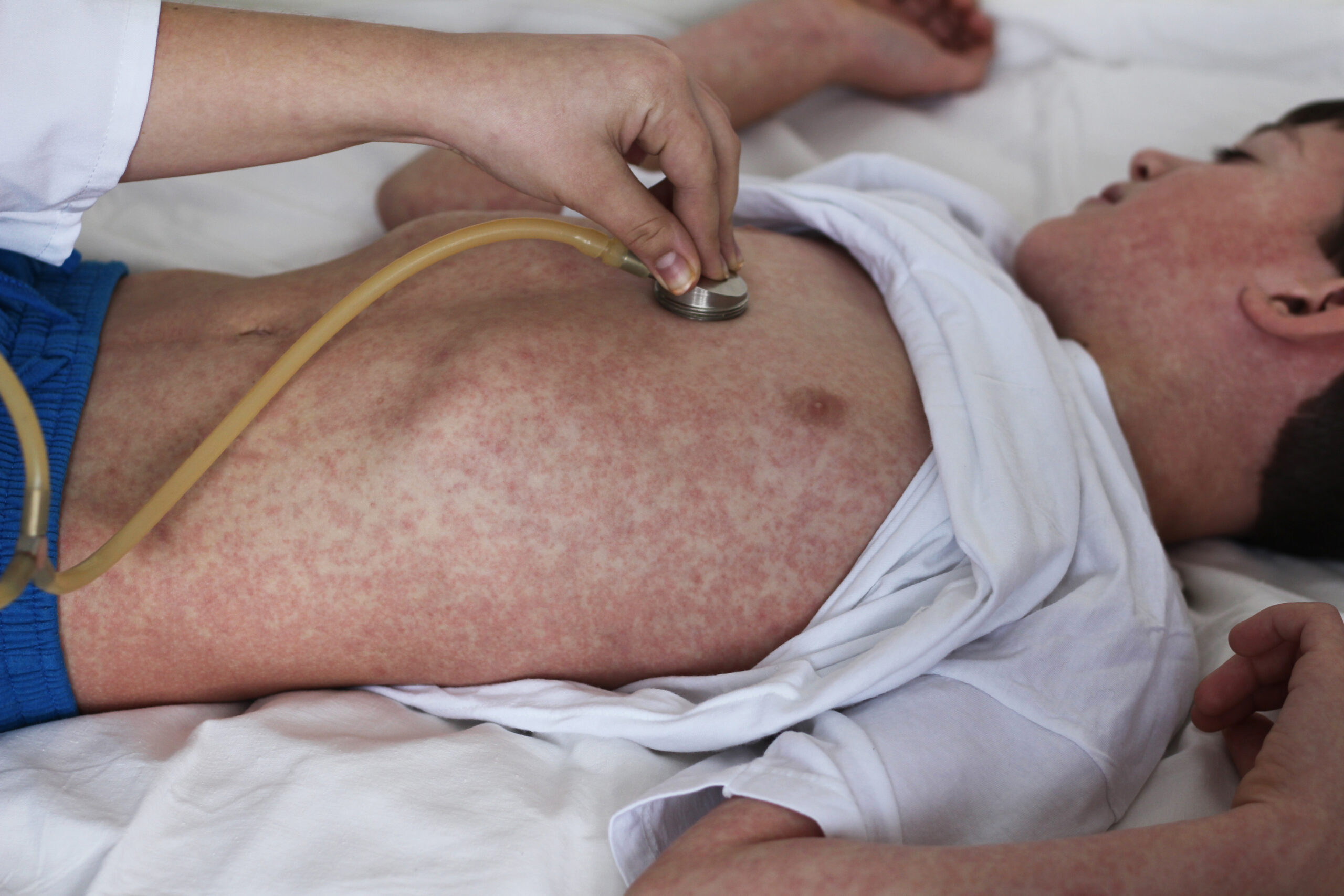
A 7-year-old boy in South Carolina is fighting to regain movement after developing brain swelling from measles. His story is heartbreaking. It is also complicated.
Contents
show
Ethan, an unvaccinated child living in the center of a growing measles outbreak, developed encephalitis—a serious complication that inflames the brain. While many children recover from measles with supportive care, about 1 in 1,000 cases can lead to encephalitis, according to the Centers for Disease Control and Prevention (CDC). This complication can cause permanent brain damage and is fatal in up to 10–15% of cases (CDC, 2023).
Despite her son’s hospitalization and partial paralysis, Ethan’s mother says she would still not have chosen vaccination.
This story is not just about one family’s beliefs. It reflects a larger health shift happening across the United States, where declining vaccination rates are allowing measles to resurface in communities that once considered it eliminated.
How Measles Can Turn Dangerous
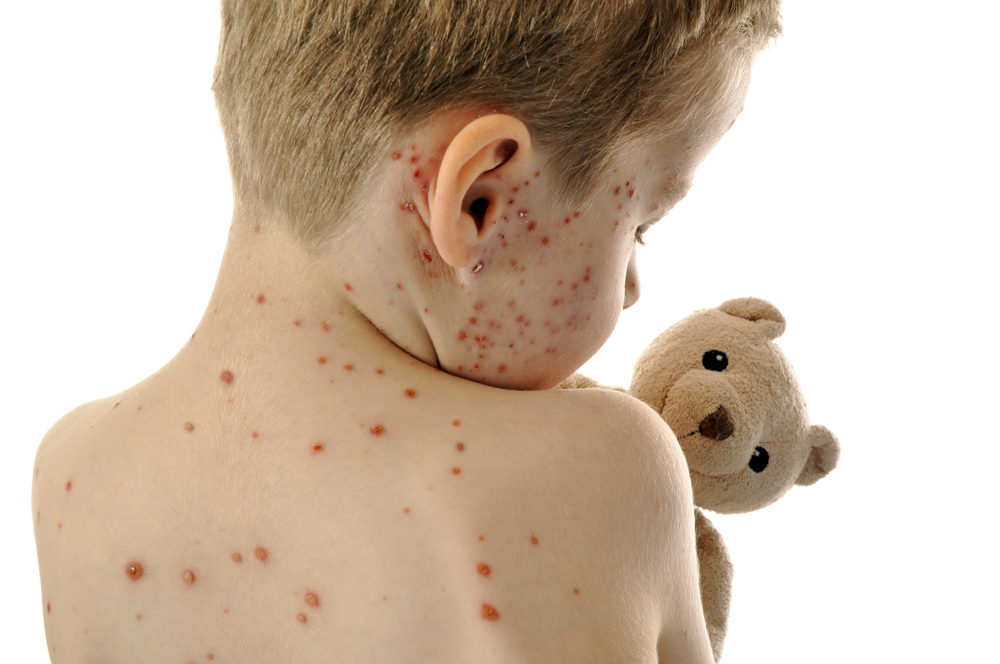
Measles is often dismissed as a childhood illness marked by fever and rash. But medically, it is far more than that.
The virus spreads through airborne droplets and can remain in the air for up to two hours after an infected person leaves a room (CDC, 2023). It is one of the most contagious infectious diseases known.
Complications include:
- Ear infections
- Pneumonia
- Severe dehydration
- Encephalitis (brain swelling)
- Death
Encephalitis occurs when the virus triggers inflammation in brain tissue. Symptoms may include:
- Severe headache
- Seizures
- Loss of consciousness
- Confusion
- Weakness or paralysis
In children, even survivors may experience long-term developmental delays or seizure disorders (Thakur, 2021).
Ethan’s parents described how he gradually lost mobility and responsiveness. An MRI later confirmed inflammation in the center of his brain. Though he is now improving, walking and full recovery may require extensive rehabilitation.
Why Measles Is Returning
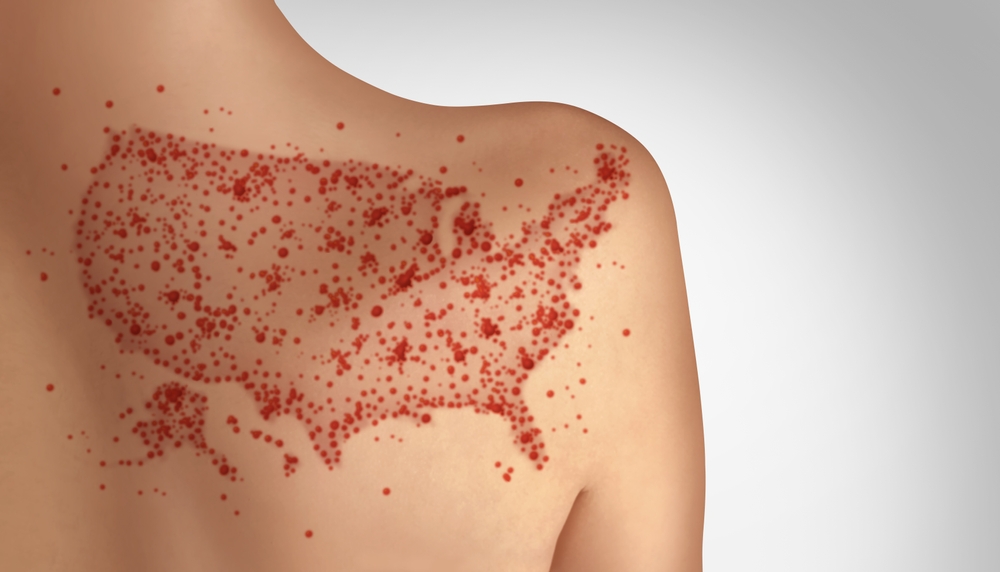
In 2000, measles was declared eliminated in the United States thanks to widespread vaccination efforts (CDC, 2023). However, elimination does not mean eradication. It means the disease is not continuously spreading within the country.
When vaccination rates drop below about 95%, herd immunity weakens. Measles can then spread rapidly in pockets of unvaccinated individuals.
Recent outbreaks have occurred in communities with lower immunization coverage. In South Carolina’s Spartanburg County alone, hundreds of cases have been reported during the current outbreak, the vast majority among unvaccinated individuals.
The World Health Organization (WHO) has identified vaccine hesitancy as one of the top global health threats (WHO, 2019).
The MMR Vaccine: What’s Actually in It?
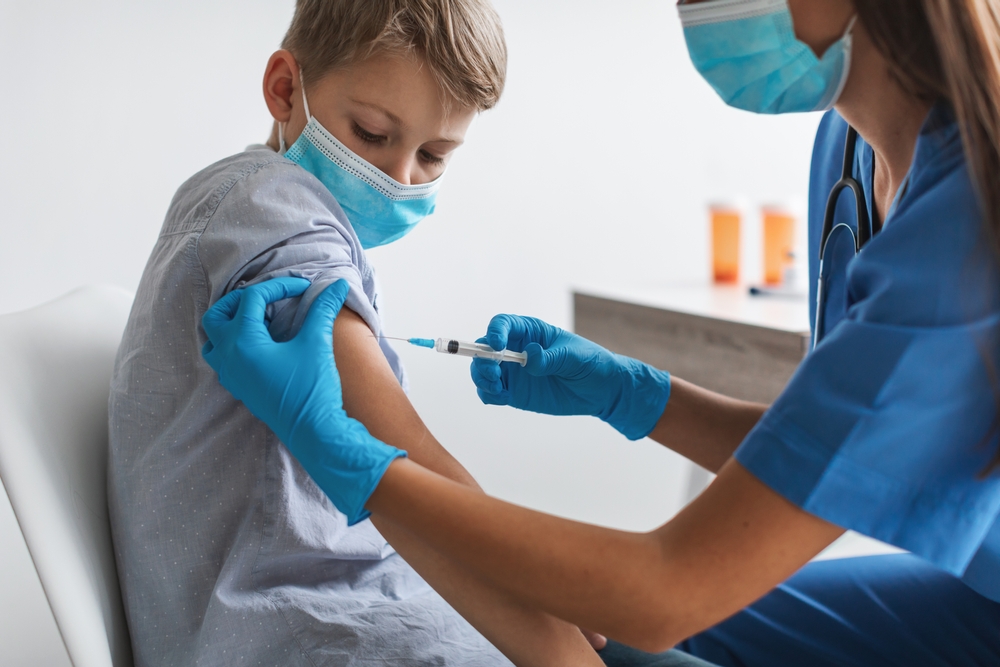
One of the most common concerns parents raise is about vaccine ingredients.
The measles, mumps, and rubella (MMR) vaccine contains:
- A weakened form of the virus (live attenuated)
- Stabilizers such as sugars and amino acids
- Small amounts of gelatin or antibiotics
It does not contain:
- mRNA
- Aluminum
- Mercury (thiomersal)
- Preservatives like thimerosal
According to the CDC and multiple large-scale studies, the MMR vaccine is highly effective and has an excellent safety profile. Two doses are about 97% effective at preventing measles (CDC, 2023).
Concerns linking MMR to autism have been thoroughly investigated. Extensive research has found no causal link between the MMR vaccine and autism spectrum disorder (Hviid et al., 2019).
Like any medical intervention, vaccines can cause mild side effects such as soreness, low-grade fever, or fatigue. Severe allergic reactions are rare and occur in approximately 1 per million doses (CDC, 2023).
Natural Immunity vs. Vaccine Protection
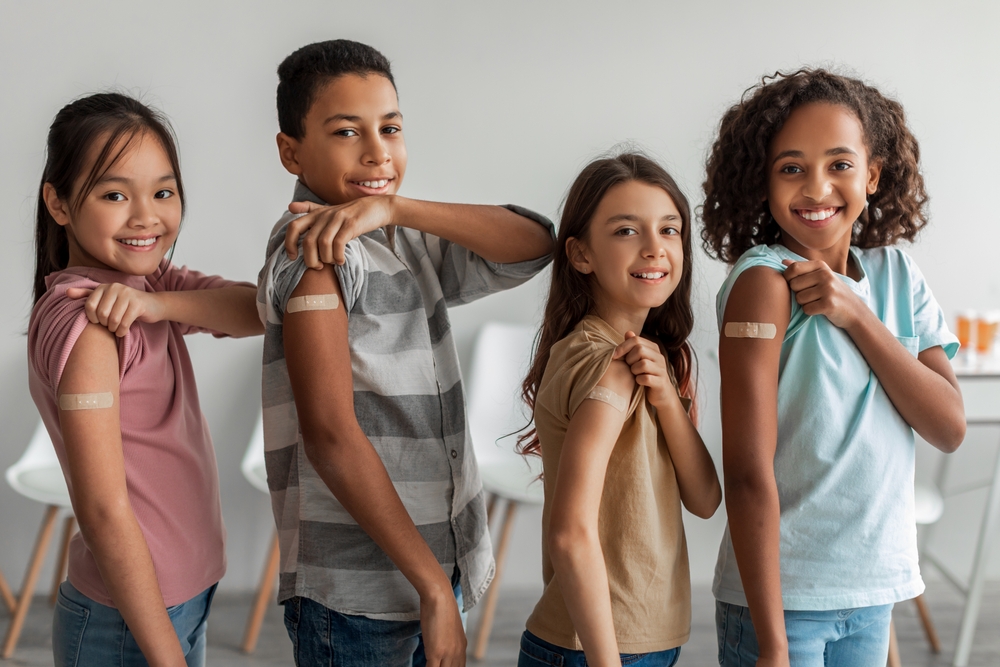
Some parents believe natural infection builds stronger immunity than vaccination. While natural measles infection does often result in lifelong immunity, it comes at significant risk.
Measles can suppress the immune system for months after infection, increasing vulnerability to other illnesses (Mina et al., 2015). In addition, complications such as pneumonia and encephalitis can cause irreversible harm.
Vaccination teaches your immune system to recognize and fight the virus without exposing you to those risks.
From a holistic perspective, the immune system thrives when supported—but that support does not require enduring preventable disease.
Protecting the Most Vulnerable
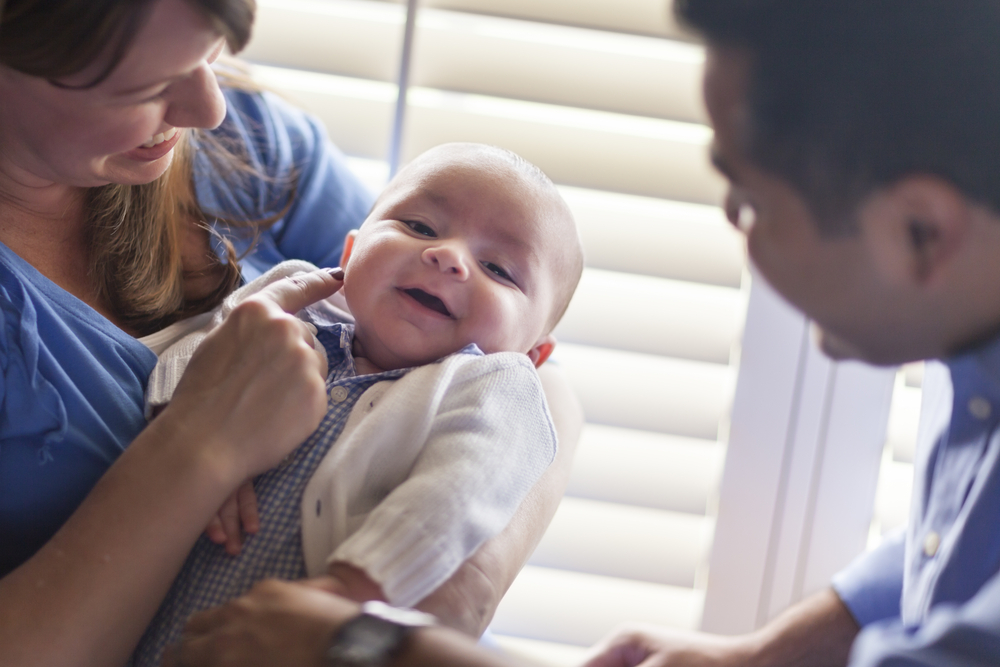
Vaccination is not only about individual protection. It also shields those who cannot receive vaccines, including:
- Infants under 12 months
- People undergoing cancer treatment
- Individuals with weakened immune systems
In the United States, millions of people live with immunocompromising conditions. For them, exposure to measles can be life-threatening.
Herd immunity works when enough people are immunized to interrupt transmission chains. When vaccination coverage declines, the virus regains an opportunity to spread.
Viruses do not respect county lines, state borders, or personal belief systems.
What You Can Do to Protect Your Family
Whether you are firmly pro-vaccine, vaccine-hesitant, or simply unsure, informed decision-making is key.
Here are practical steps you can take:
- Review your child’s vaccination record with your healthcare provider.
- Ask specific questions about ingredients and safety rather than relying on social media claims.
- Verify information through trusted sources like the CDC, WHO, or your pediatrician.
- Support immune health through sleep, nutrition, and stress management alongside evidence-based preventive care.
- Understand that vaccine decisions affect not just your child, but your wider community.
Making healthcare choices can feel overwhelming. But when evaluating risk, it helps to compare known data. Measles infection carries a measurable risk of serious complications. The MMR vaccine has been studied for decades and continues to demonstrate safety and effectiveness.
When Beliefs and Biology Collide
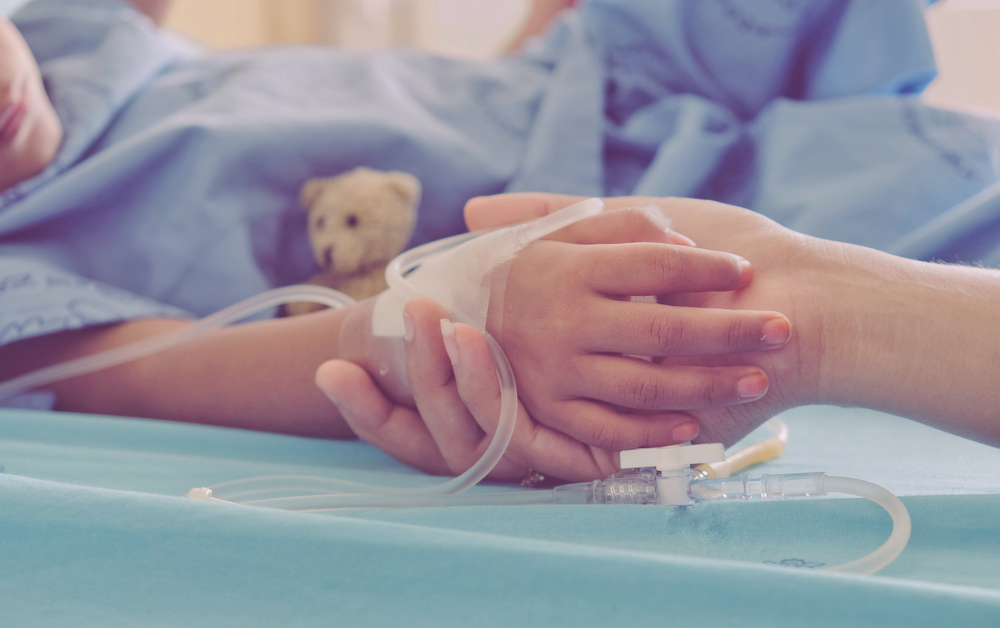
Ethan’s parents have placed their faith in spiritual meaning and hope for recovery. Many families find strength in faith during medical crises.
At the same time, biology operates according to viral transmission patterns and immune response.
As vaccination rates decline, physicians are warning that more children may experience complications that were once rare. Measles encephalitis is not theoretical. It is documented, understood, and preventable.
Stories like Ethan’s are painful because they are largely avoidable.
A Healthier Future Starts With Informed Choices
Public health is not about politics. It is about prevention.
Measles was nearly eliminated through coordinated vaccination efforts. Its return signals a shift in trust, communication, and public understanding.
If you are a parent weighing decisions, take the time to speak directly with a qualified medical professional. Ask about risk statistics. Ask about safety monitoring systems. Ask how herd immunity works.
Your child’s immune system is powerful. Modern medicine is designed to support it—not overload it.
In a world where misinformation spreads faster than viruses, informed choices are one of the strongest forms of protection you can offer your family.