
Your cart is currently empty!
Prince Andrew Released Under Investigation Following Arrest in Epstein Inquiry
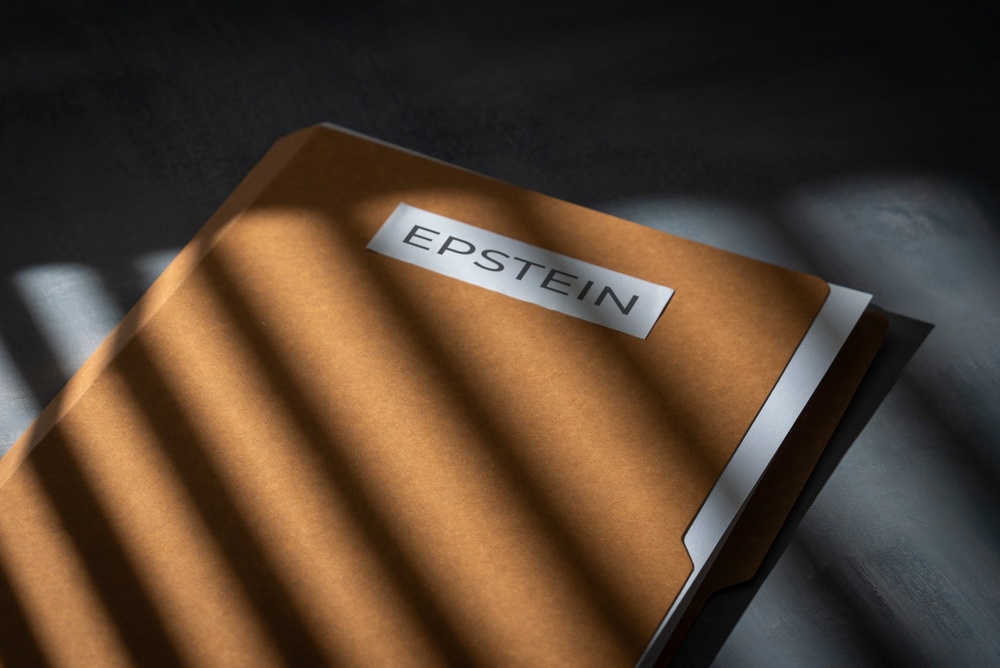
he arrest of Andrew Mountbatten-Windsor, formerly known as Prince Andrew, has become one of the most extraordinary and unsettling developments in modern royal history. In the early hours of Thursday morning, unmarked police vehicles arrived at Wood Farm on the Sandringham estate in Norfolk, where officers detained the king’sin younger brother on suspicion of misconduct in public office linked to his past dealings with convicted child sex offender Jeffrey Epstein. By Thursday evening he had been released under investigation, but the impact of that single day has already rippled far beyond the estate gates. The sight of law enforcement entering royal property and arresting a senior member of the royal family represents a moment that few could have imagined unfolding in such direct and public fashion.
Contents
show
For an institution built on continuity, symbolism, and public service, the arrest raises serious legal, political, and cultural questions. The monarchy has endured scandals, controversies, and public criticism before, yet this development feels different because it directly intersects with criminal investigation and alleged misconduct tied to official duties. Public trust in the monarchy has long depended on the perception that it stands above political controversy while remaining accountable to the law. Now, that balance is being tested in real time as investigators examine whether actions taken during Andrew’s tenure as a trade envoy may have breached the standards expected of someone in public office.
Only 11 hours? Andrew Mountbatten-Windsor (ex-Prince Andrew) gets arrested on his birthday for misconduct tied to Epstein sharing state secrets with a pedophile and police just let him walk after barely half a day? Released under investigation like it’s nothing. Disgusting.… pic.twitter.com/tCQEqZCzkz
— ꜱʜᴀᴅᴏᴡᴇᴅ ꜱᴇɴᴛɪɴᴇʟ (@ShadowSentinel) February 20, 2026
A Morning That Changed Royal History
At approximately 8am GMT, plainclothes officers were photographed outside Wood Farm on the Sandringham estate. Images of unmarked cars parked near the residence circulated quickly, fueling intense media coverage both in the United Kingdom and internationally. The arrest was not confined to one location, as authorities also conducted searches at Royal Lodge in Windsor Great Park, Andrew’s former residence. The coordinated nature of the operation signaled that investigators were treating the matter with seriousness and procedural care rather than as a symbolic gesture.
Thames Valley police later confirmed in a formal statement: “On Thursday we arrested a man in his sixties from Norfolk on suspicion of misconduct in public office. The arrested man has now been released under investigation.” That wording made clear that no charges have been filed at this stage, but it also confirmed that the investigation remains active. Being released under investigation means the legal process is ongoing and that detectives continue to assess evidence before determining whether the threshold for prosecution has been met.
The arrest is historically significant because it marks the first time in modern history that a senior member of the British royal family has been detained by police in connection with a criminal investigation. Although Andrew stepped back from public duties in recent years amid earlier controversies, the allegations being examined relate to his period serving as a United Kingdom trade envoy. That distinction is important because it places the matter within the realm of public office and governmental responsibility rather than purely private conduct.
The National Police Chiefs’ Council stated that the Home Office was alerted 30 minutes before the arrest “in line with routine practice.” It is understood that neither the king nor Buckingham Palace was informed in advance of the operation. That detail underscores the operational independence of police authorities and may serve to reassure the public that standard procedures were followed without special warning or intervention.
The four steps police will follow in Andrew investigation – and why it will be complicated – Legal correspondent Dominic Casciani unpicks the complicated allegation Andrew Mountbatten-Windsor was arrested over. via @BBC https://t.co/dAZ6LlZb53 pic.twitter.com/pytkIm5xQe
— 🌊💙 Viking Resistance 💙🌊 (@BlueCrewViking) February 20, 2026
The Allegations and the Epstein Connection
The investigation centers on Andrew’s historical association with Jeffrey Epstein and whether sensitive or confidential information may have been shared during his tenure as a trade envoy. Documents released by the United States Department of Justice prompted British authorities to review communications that reportedly included reports of official visits to Hong Kong, Vietnam, and Singapore. The question facing investigators is whether those communications, if accurately described, constituted misconduct in public office under British law.
One email referenced a confidential brief concerning investment opportunities tied to the reconstruction of Helmand Province in Afghanistan. Misconduct in public office is considered a serious offense and typically involves abuse of public trust or willful neglect of duty while acting in an official capacity. Detectives are therefore tasked with determining whether any information shared crossed the legal line from diplomatic engagement into improper disclosure.
Andrew has consistently denied wrongdoing in connection with Epstein and has not directly responded to these most recent allegations. His previous public statements have rejected accusations against him, and he has maintained that he has done nothing unlawful. The renewed focus on his association with Epstein revives longstanding controversy that significantly altered his public standing and royal responsibilities in recent years.
Although Epstein died in custody in 2019, investigations into his network and connections have continued to generate consequences across multiple countries. The release of additional documents has repeatedly reignited scrutiny of individuals who maintained contact with him, particularly those who held positions of influence or authority. In this context, the arrest represents the latest chapter in a story that has already reshaped reputations and institutions worldwide.
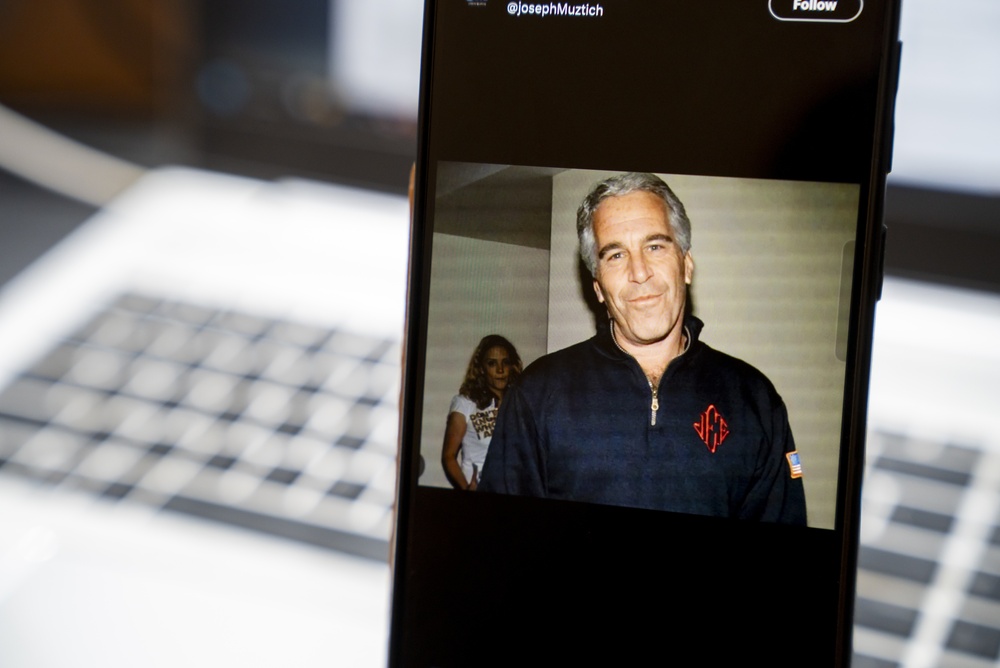
Survivors’ Voices and Calls for Accountability
Virginia Giuffre accused Andrew of sexually abusing her when she was 17 as part of a trafficking ring run by Epstein and Ghislaine Maxwell. Andrew has denied those allegations. Following news of the arrest, Giuffre’s family issued a statement saying it demonstrated “no one is above the law” and added: “On behalf of our sister, we extend our gratitude to the UK’s Thames Valley police in their investigation and arrest of Andrew Mountbatten-Windsor.” Their words reflect a belief that legal scrutiny of powerful figures represents progress toward accountability.
Maria Farmer, the first known survivor to report Epstein and Maxwell to law enforcement, also responded publicly. She said: “Today is just the beginning of accountability and justice brought forth by Virginia Roberts Giuffre — a young mother who adored her daughter so deeply, she fought the most powerful on earth to protect her. She did this for everyone’s daughters. Let’s now demand all the dominos of power and corruption begin to fall.” Her statement highlights how the arrest resonates far beyond royal circles and connects to broader conversations about justice for survivors.
For many advocates, the development symbolizes a shift in how institutions respond to allegations involving individuals of status and influence. In past decades, such cases were often criticized for perceived inaction or institutional protection. Today, public expectations are markedly different, with greater emphasis on transparency and accountability regardless of social standing.
At the same time, it remains essential to distinguish between investigation and conviction. The legal process is ongoing, and no charges have been filed. Yet the fact that police action occurred at all has intensified public debate about the responsibilities that accompany privilege and public office.
The Royal Family’s Response
King Charles expressed his “deepest concern” regarding the arrest of his younger brother but emphasized that “the law must take its course” and that police have his “full and wholehearted support and cooperation.” He did not respond to further questions about the arrest while attending an event marking the start of London Fashion Week. His remarks were carefully worded and focused on reinforcing respect for due process rather than offering personal commentary.
Prince William and Catherine are understood to support the king’s remarks, presenting a unified front at a time of intense scrutiny. The palace’s public stance centers on cooperation with authorities and the importance of allowing legal institutions to operate independently. That message appears designed to protect the monarchy’s broader credibility while distancing the institution from the specifics of the investigation.
It is understood that Buckingham Palace was not informed in advance of the arrest. This detail may carry significant symbolic weight, as it reinforces the principle that law enforcement functions without royal interference. In an era when public confidence in institutions is frequently tested, such procedural clarity may prove crucial.
The monarchy’s long term stability depends heavily on maintaining public trust. By openly backing the investigative process and refraining from intervention, the royal family signals that no individual stands outside the reach of the law. Whether that stance will shield the institution from reputational damage remains to be seen, but it represents a clear effort to prioritize transparency over defensiveness.

Political and International Reactions
The arrest quickly drew international reaction, including comments from Donald Trump, who spoke to reporters aboard Air Force One. He described Andrew’s arrest as “a shame” and “a very sad thing.” He continued: “I think it’s very sad. I think it’s so bad for the Royal family. It’s very, very sad.” He added: “To me, it’s a very sad thing.” Trump said King Charles, who is “obviously coming to our country very soon,” was “a fantastic man.” He went on to say that “it’s really interesting because nobody used to speak about Epstein when he was alive, but now they speak.” He added: “But I’m the one that can talk about it because [I have] been totally exonerated. I did nothing.”
The Crown Prosecution Service confirmed that its lawyers have spoken with detectives from Thames Valley police investigating the king’s brother but have not yet provided formal early investigative advice. That statement indicates that while communication between investigators and prosecutors has begun, formal legal determinations are still pending.
The involvement of multiple institutions highlights the scale and sensitivity of the matter. It intersects law enforcement, government procedure, diplomacy, and international political commentary. The case is not unfolding in isolation but within a global environment shaped by heightened scrutiny of elite networks and cross border investigations.
Public opinion remains divided. Some view the arrest as an overdue step toward accountability, while others stress that release under investigation does not imply guilt. In the court of public opinion, perceptions often form quickly, but the legal process operates according to evidentiary standards and procedural safeguards that take time.
What Happens Next
Being released under investigation means Andrew remains subject to continued scrutiny while detectives review evidence, examine communications, and consult legal advisers. The process may extend for months, particularly if international documents or cross border cooperation are involved. During this period, uncertainty will likely persist, with public attention fluctuating as developments emerge.
If prosecutors determine that the legal threshold for charges has been met, formal proceedings could follow. Alternatively, authorities may conclude that there is insufficient evidence to proceed further. Until an official decision is announced, the case remains unresolved, and speculation will likely continue.
For the monarchy, the challenge lies in maintaining institutional continuity while allowing the legal system to function without interference. Public engagements, charitable initiatives, and diplomatic responsibilities will continue, yet the shadow of investigation may linger in public discourse.
The arrest of Andrew Mountbatten-Windsor stands as a defining episode in modern royal history. Regardless of the eventual legal outcome, it reinforces a fundamental principle in contemporary society: positions of privilege and prominence do not place individuals beyond investigation. The coming months will determine not only the legal path forward but also how this moment reshapes the relationship between monarchy, accountability, and public trust.