
Your cart is currently empty!
Seventy-Two Tigers Dead in 10 Days After Lethal Virus Sweeps Through Thai Tourist Parks
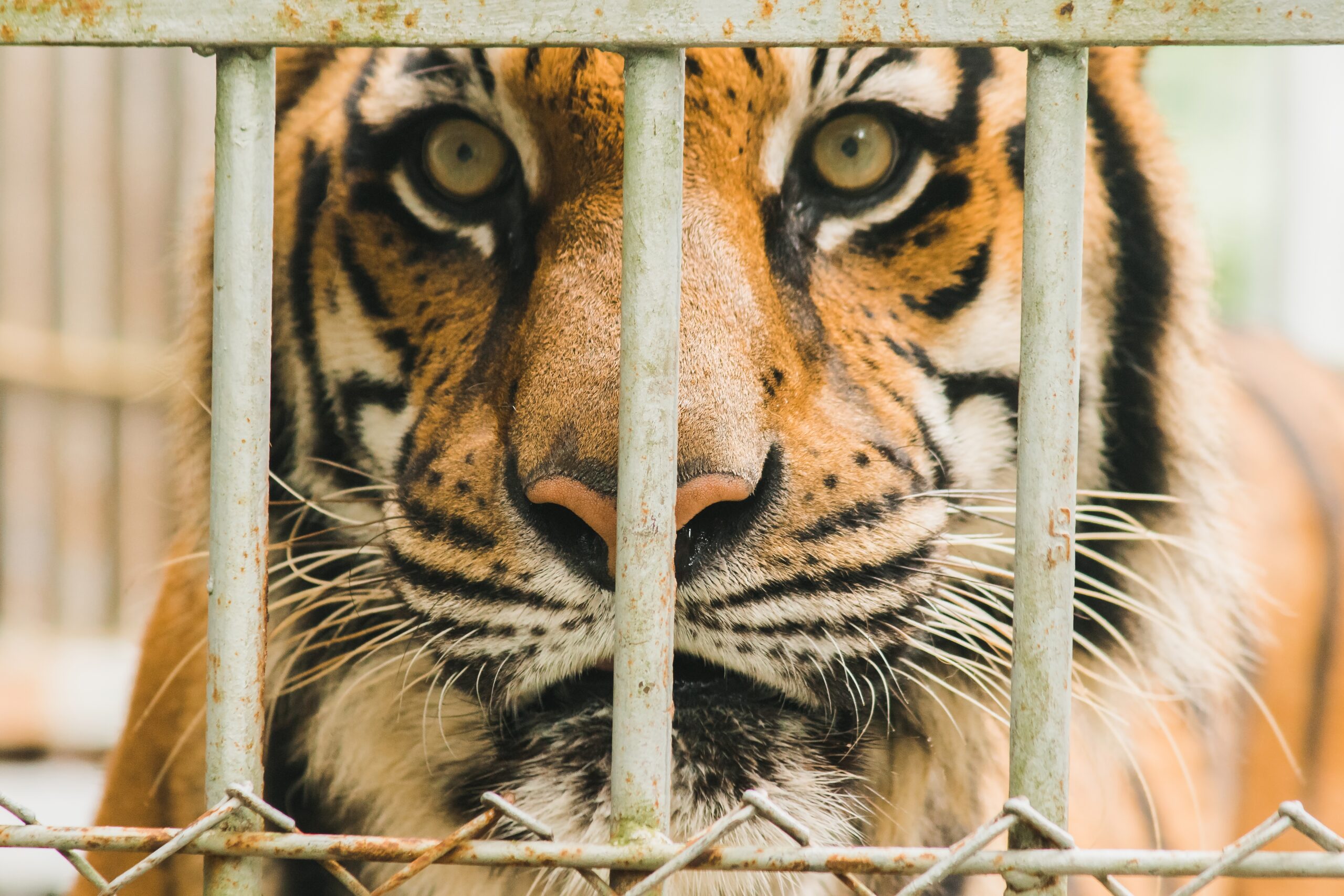
The quiet routine at two of Thailand’s most popular tiger parks was recently shattered by a disaster that no one saw coming. In just ten days, dozens of these powerful cats were gone, leaving caretakers and tourists in shock.
Contents
show
While these parks are famous for offering once-in-a-lifetime photos, this sudden tragedy has forced a difficult conversation about what is actually happening behind the scenes. It is a sobering reminder that even the strongest animals are incredibly fragile when their world is shaped by human hands.
An Unprecedented Tragedy in Chiang Mai
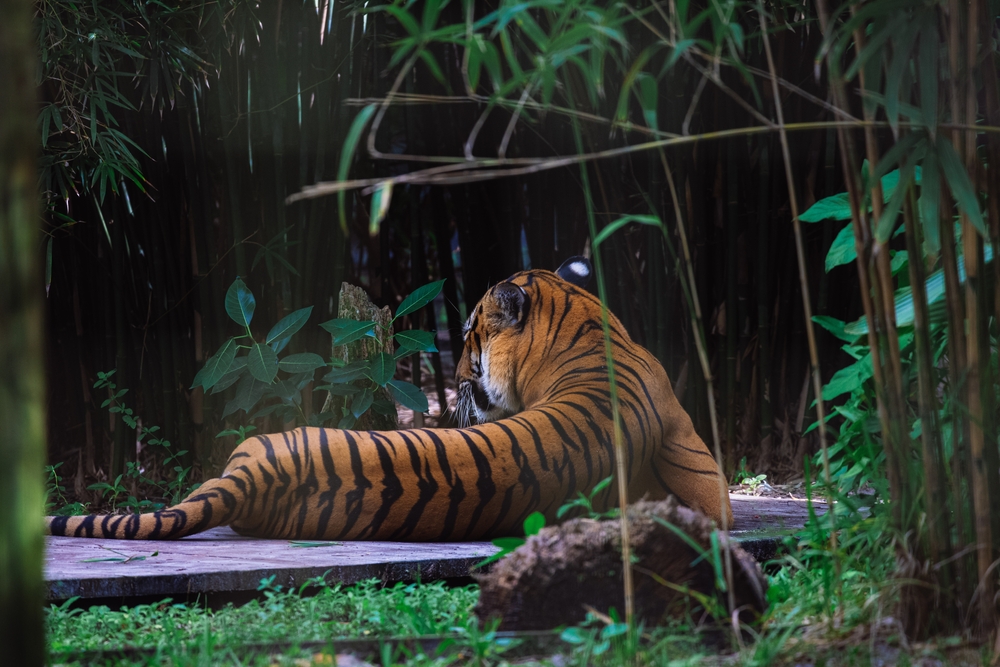
In a span of less than two weeks, a sudden and devastating illness claimed the lives of 72 captive tigers in northern Thailand. Between February 8 and February 19, the large cats died across two popular tourist facilities in the Chiang Mai province: Tiger Kingdom Mae Taeng, which lost 51 tigers, and Tiger Kingdom Mae Rim, which reported 21 fatalities.
Before the outbreak, the two parks housed a combined population of 246 tigers. These facilities are widely known as attractions where visitors are permitted to closely interact with and photograph the animals. However, the unprecedented scale of the fatalities quickly turned a bustling tourist destination into the site of the largest mass death of tigers on record for the region.
According to local wildlife officials, the animals reportedly showed no outward signs of sickness before their sudden decline. The sheer speed of the fatalities prompted an immediate crisis response. In the wake of the deaths, authorities enacted a temporary 14-day closure for the facilities to halt public access while investigations commenced.
Unmasking the Invisible Threat
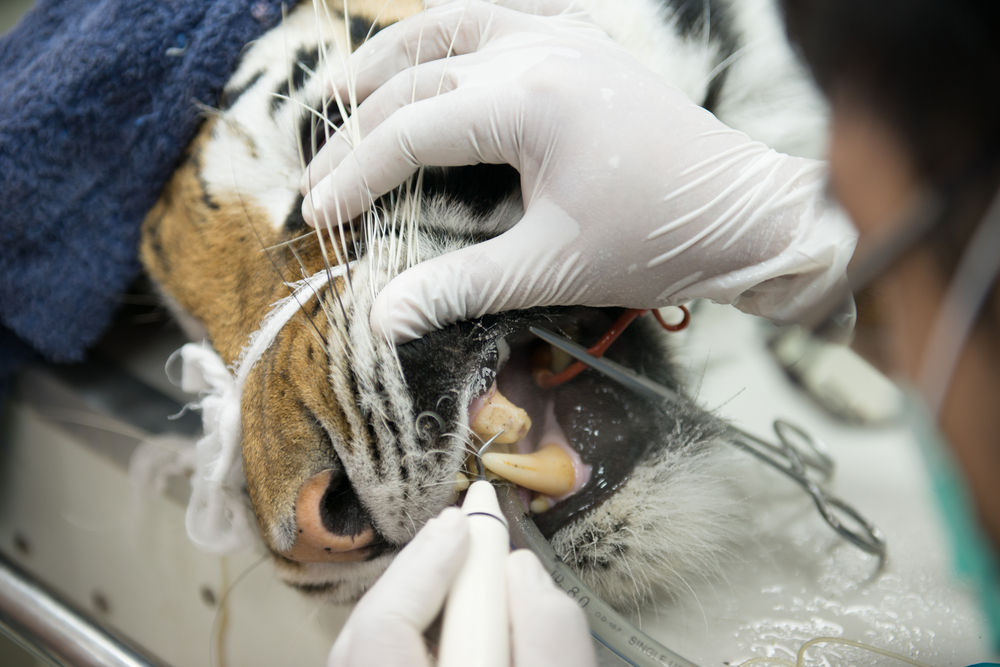
As the parks closed their gates, veterinary experts from Chiang Mai University and local livestock departments scrambled to identify the pathogen responsible for the sudden decline. Laboratory analyses of the tiger carcasses and their enclosures revealed a complex and deadly medical picture.
Test results pointed to the canine distemper virus as the primary culprit. While typically associated with domestic dogs, this highly contagious virus is known to aggressively attack the respiratory, gastrointestinal, and nervous systems of big cats. This viral infection was further complicated by Mycoplasma bacteria, creating a lethal co-infection that rapidly overwhelmed the animals’ immune defenses. Additionally, preliminary screenings by agricultural authorities suggested traces of feline parvovirus, adding another layer of severity to the outbreak. Investigators currently suspect that contaminated raw chicken meat supplied to the facilities may have been the initial source of the pathogens.
The rapid deterioration of these animals highlights a unique challenge in exotic animal medicine. Wild predators instinctively mask their pain and vulnerabilities, making early intervention nearly impossible. “Treating sick tigers is very different from treating dogs and cats,” explained Somchuan Ratanamungklanon, Director-General of the Department of Livestock Development. Because these apex predators do not share the intimate living spaces of household pets, early detection is exceedingly rare. He noted that by the time caretakers actually observe physical symptoms, “the illness may already be advanced.”
Consequently, by the time the gravity of the situation was realized, medical treatments were no longer viable for dozens of the majestic cats.
Containing the Fallout and Securing the Facilities
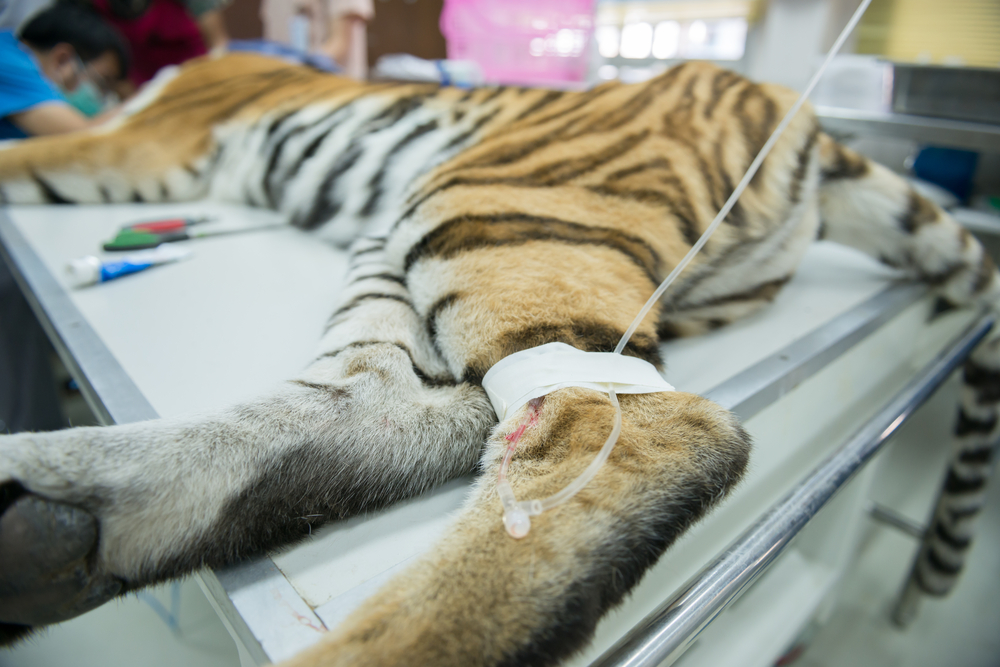
To halt the aggressive spread of the pathogens, authorities swiftly implemented strict disease control protocols. Both Tiger Kingdom locations remain under a mandatory temporary closure to facilitate comprehensive disinfection efforts. The Department of Livestock Development ordered all animal enclosures to be thoroughly sanitized. Furthermore, the surviving tigers have been placed under strict quarantine and are scheduled to receive preventative vaccinations to mitigate the risk of further transmission.
Managing the aftermath of the mass casualties also required careful logistical planning. To ensure traceability and prevent any illicit wildlife trade, Kritsayam Kongsatree, the director of Conservation Area Management Region 16, confirmed that each deceased tiger was carefully buried and assigned a specific identification number for future reference. Officials also noted that recommendations were made to euthanize any remaining gravely ill tigers to prevent prolonged suffering and further viral shedding.
While the outbreak proved devastating to the animal population, public health officials have offered reassurances regarding human safety. Authorities confirmed during a news conference that the virus is no longer spreading and that no humans have been infected. However, as a strict precautionary measure, veterinarians and enclosure staff who worked closely with the animals have been placed under a 21-day medical observation period. Fortunately, no personnel have exhibited signs of illness, providing a necessary measure of relief for the local community amidst the ongoing crisis.
A Silent Crisis Behind Tourist Attractions

This sudden loss of life has sparked a serious conversation about the risks of keeping large predators in crowded spaces. Wildlife experts explain that when many animals live in close quarters, a single spark of disease can quickly turn into a forest fire. While these parks are popular for photos and close encounters, the constant stress of being around people can weaken a tiger’s ability to fight off infections.
Experts from groups like World Animal Protection suggest that these outbreaks are a warning sign. Dr. Jan Schmidt-Burbach, a veteran in wildlife research, noted that even small issues can put many animals in danger when they live in captivity. He pointed out that these facilities often lack the space and natural environment tigers need to stay healthy.
This is not the first time a tragedy like this has happened in Thailand. Back in 2004, a bird flu outbreak at another tiger zoo led to the deaths of nearly 150 cats. More recently, dozens of tigers died in Vietnam under similar conditions. These events show a clear pattern: when wild animals are bred for tourism in small areas, they become much more vulnerable to illness. For many observers, these losses are a painful reminder of the price paid when nature is managed like a business.
The Hidden Risks of Close Encounters
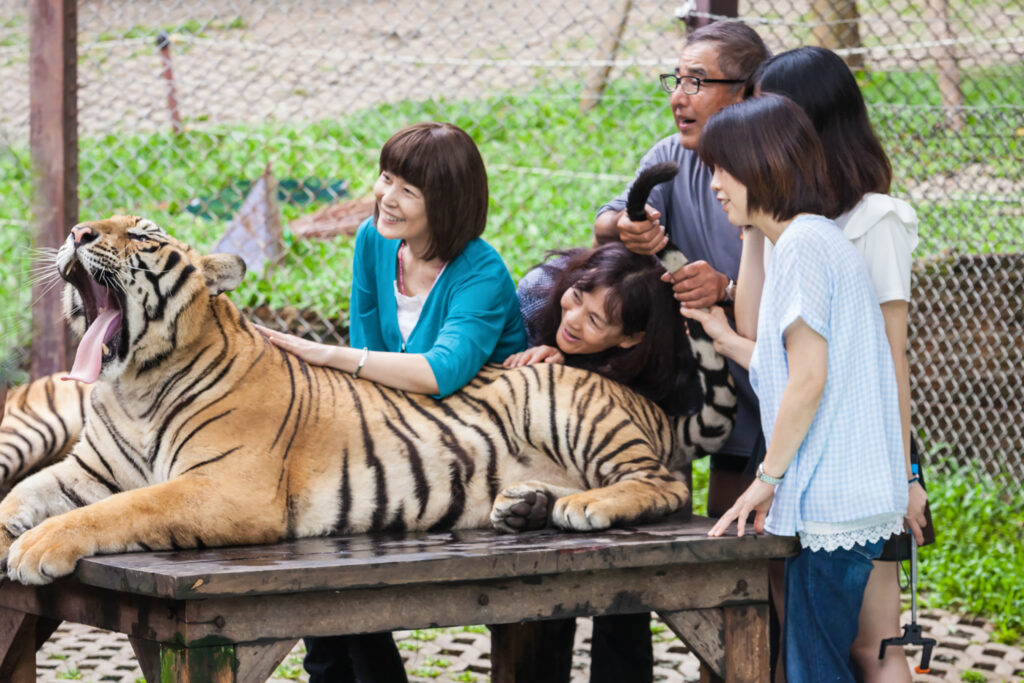
Many people visit these parks for the chance to touch a tiger or snap a quick photo with a cub. On the surface, these moments feel like harmless fun, but this outbreak has exposed the hidden risks of such close contact. Even though no visitors or staff caught the virus this time, the fact that workers had to be watched for 21 days shows how quickly a health crisis can move through a facility where humans and predators are in constant proximity.
A park can follow all the local laws and still be an unsafe place for animals. Organizations like the Wildlife Friends Foundation Thailand have pointed out that these parks are built for entertainment, not for the long term health of the tigers. When animals are treated as photo props, the focus shifts away from their natural needs and toward making sure they are available for the next group of tourists. This constant interaction creates a cycle where viruses can easily find new hosts.
Choosing to see animals in these settings often comes with a hidden cost. Dr. Jan Schmidt-Burbach, an expert in wildlife research, explained that these facilities offer little to no benefit for conservation. Instead, they create a high-density environment where the next infection is always just one contaminated meal or one sick visitor away. Understanding these risks is the first step toward a more responsible way of experiencing nature, moving away from “selfie” culture and toward genuine respect for wildlife.