
Your cart is currently empty!
The 19-Second Video That Started YouTube Is Now In A Museum

In the early days of the internet, long before influencers, livestreams, and billion view videos became normal, someone uploaded a short clip to a brand new website that very few people had heard about. The video was simple, almost awkward in its delivery, and filmed casually in front of a group of elephants at a zoo. It lasted just nineteen seconds and contained no dramatic storytelling, no editing tricks, and no intention of becoming historic. Yet that brief moment would eventually mark the beginning of a platform that would change how the world communicates, entertains itself, and shares information online.
Contents
show
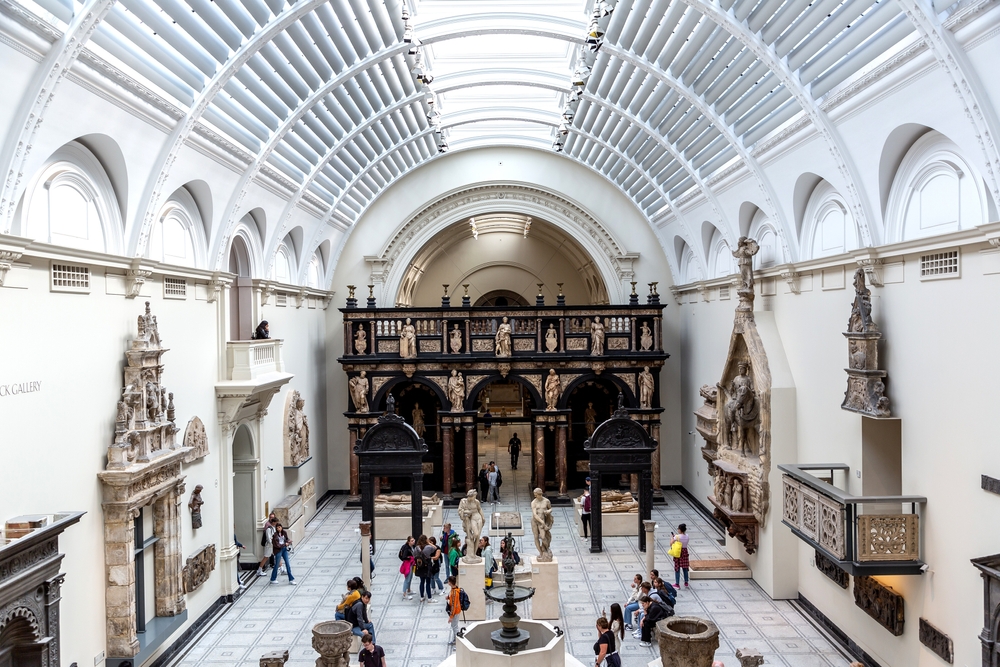
Now, two decades later, that same clip has moved from the internet into the halls of a museum. The Victoria and Albert Museum in London has acquired the earliest available YouTube watch page featuring the video “Me at the Zoo” and added it to its Design 1900 Now gallery. What began as a casual upload by YouTube co-founder Jawed Karim on April 23, 2005, has now become a preserved piece of digital culture. The museum’s decision reflects a growing recognition that internet history is just as important to document as traditional art, design, and technological innovation.
YouTube’a yüklenen ilk video olan "Me at the Zoo", internet kültürüne yaptığı katkıyı onurlandırmak amacıyla Londra’daki Victoria ve Albert Müzesi’nde sergilenmeye başladı. pic.twitter.com/J00j4emNpK
— Pusholder (@pusholder) February 19, 2026
The 19 Second Clip That Quietly Started A Global Platform
On April 23, 2005, Jawed Karim uploaded what would become the first ever video on YouTube. The clip titled “Me at the Zoo” was recorded during a visit to the San Diego Zoo and features Karim standing in front of an elephant enclosure while speaking directly to the camera. The setting is ordinary and the tone is relaxed, as if someone simply turned on a camera to record a quick observation during a day out.
In the short clip, Karim gestures toward the animals behind him and casually explains what makes them interesting. He says, “The cool thing about these guys is that they have really, really, really long trunks.” The statement is straightforward and almost humorous in its simplicity, but it captures the casual spirit that would later define much of the content uploaded to YouTube.
At the time of the upload, there was no way to predict that this brief recording would become historically significant. The video was not intended as a landmark moment in technology or media. It was simply the first test of a new platform designed to make sharing videos online easier for everyday users.
Today, that same video has been watched hundreds of millions of times. It has gathered more than 382 million views and over 18 million likes, turning a spontaneous zoo clip into one of the most recognized starting points in internet culture.
How The Victoria And Albert Museum Recreated Early YouTube
The Victoria and Albert Museum did not simply archive the video itself. Instead, the museum worked to reconstruct the original viewing experience that early users would have seen when visiting YouTube during its early years. This meant recreating the watch page interface that surrounded the video and defined how people interacted with it online.
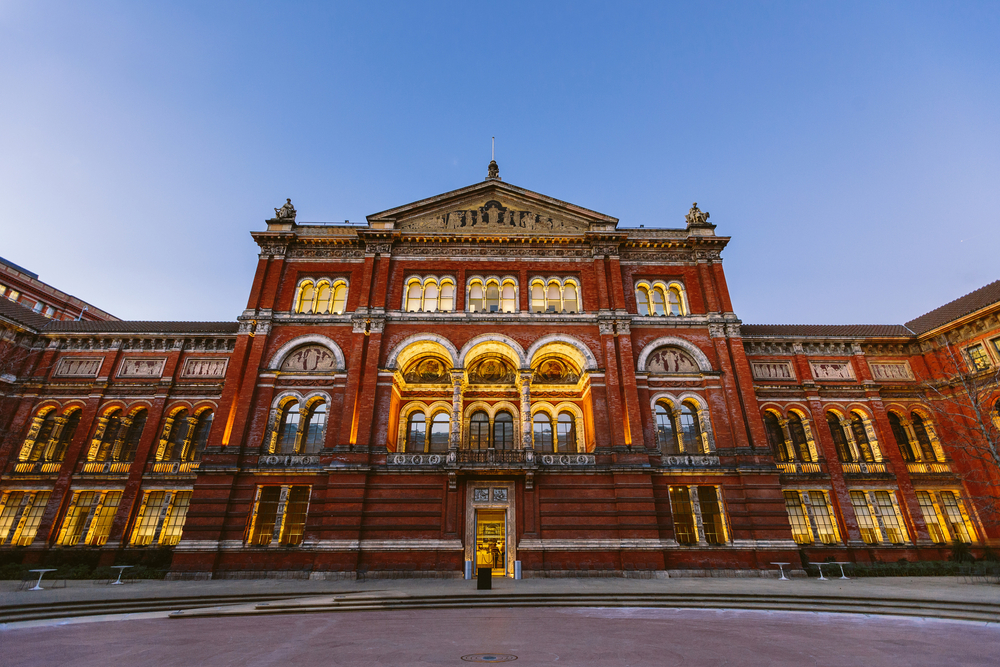
To achieve this, the museum collaborated with YouTube and an interaction design studio called oio. Their goal was to rebuild the visual layout and functional design of the early platform so that visitors could understand how the site looked and worked during the mid 2000s.
The reconstruction was made possible through the Internet Archive’s Wayback Machine, a digital archive that has been capturing snapshots of websites since 1996. By examining preserved code from an archived version of the YouTube watch page dated December 8, 2006, designers were able to recreate a faithful version of the interface.
Visitors to the museum can now view the early watch page as it appeared during YouTube’s formative years. The reconstruction offers a rare look at the design choices that shaped the platform when it was still developing its identity and experimenting with how users would interact with online video.
A Symbol Of The Internet’s Shift Toward User Created Media
Curators at the Victoria and Albert Museum see the early YouTube watch page as more than a nostalgic digital artifact. According to Corinna Gardner, senior curator of design and digital at the V and A, the preserved page represents a turning point in the history of the internet.
She explained the significance of the acquisition by saying, “The acquisition of the earliest available YouTube watch page featuring ‘Me at the zoo’, dated 8 December 2006, captures a significant moment in the history of the internet and web design – the shift from a read only internet to one centred on user generated multimedia content, social interaction and collaboration, otherwise known as Web 2.0.”
During the early years of the internet, most websites functioned like digital brochures where users mainly consumed information created by companies or institutions. The rise of platforms like YouTube introduced a different model where ordinary users could publish their own content and share it with audiences around the world.
This transition became known as Web 2.0, an era defined by participation, collaboration, and user-generated media. YouTube quickly became one of the clearest examples of this shift, allowing people to upload videos documenting their lives, sharing opinions, teaching skills, or simply entertaining others.
The Technology Changes That Made YouTube Possible
YouTube emerged during a moment when several technological developments were transforming how people used the internet. In the 1990s, many households relied on dial up connections, which were slow and often struggled to handle large files such as videos. Streaming or uploading video during that period was difficult and impractical for most users.
By the early 2000s, broadband internet began replacing dial up connections in many parts of the world. Faster and more stable internet connections meant that videos could be uploaded, streamed, and shared with much greater ease. This shift created the conditions necessary for a platform dedicated to online video.
At the same time, digital cameras were becoming more affordable and widely available. People could record moments from their daily lives without needing expensive equipment or professional training. When combined with improving internet access, this new technology encouraged a wave of personal video sharing that platforms like YouTube were designed to support.
These technological changes created a perfect environment for YouTube to grow rapidly. The platform offered a simple solution for something many people were already starting to do record videos and share them online.
From A Simple Upload To The Creator Economy
When “Me at the Zoo” appeared online in 2005, YouTube was little more than a new website experimenting with video hosting. Over time, it evolved into one of the largest media platforms in the world, fundamentally changing how people build audiences and careers on the internet.
One of the most significant outcomes of YouTube’s growth has been the rise of what is often called the creator economy. This term refers to individuals who build careers by producing digital content for online audiences and monetizing that content through platform tools and partnerships.
Creators on YouTube can now earn income through advertising revenue, sponsorship deals, memberships, merchandise, and other opportunities tied to their online communities. Entire industries have emerged around gaming content, educational videos, commentary channels, and entertainment creators who attract millions of viewers.
The V and A also highlighted this broader impact in its explanation of the acquisition, stating, “As a cultural and social phenomenon, the YouTube watch page is not only emblematic of Web 2.0 and the rise of user-generated content, but also a prescient sign of what would become the creator economy and platform capitalism. It reveals the ways in which early design decisions would become central to broader economic and cultural systems that define contemporary life.”
Preserving Digital Culture For The Future
Technology evolves quickly, and many digital milestones risk being forgotten as platforms change, redesign themselves, or disappear entirely. The technology industry often focuses on innovation and growth, leaving little time to reflect on the early stages that shaped today’s digital landscape.
The Victoria and Albert Museum views the preservation of early YouTube as an opportunity to slow down and examine how digital platforms influence society. By archiving the watch page and presenting it in a museum setting, curators hope visitors will better understand the cultural significance of the internet tools people use every day.
The museum explained this perspective by saying, “The tech industry’s focus on growth and innovation gives it a pace that makes looking back and holding on to its history uncommon. This acquisition is an exciting opportunity to understand the rise of digital platforms and the history and design of the web. As technology continues to develop ever faster, the V and A aims to be a place for the understanding of how our designed world transforms our everyday and shapes the society of tomorrow.”
Looking back at that first video today offers a reminder that revolutionary ideas often begin with something very small. A short clip filmed at a zoo with a simple comment about elephants ended up launching one of the most influential platforms of the modern era. What once looked like an ordinary moment in 2005 has now become a preserved piece of internet history.
creator economy, digital culture, early YouTube, evolution of the internet, first YouTube video, internet archives, internet history, Jawed Karim, Me at the Zoo, online video platforms, social media history, tech history, V&A Museum London, Victoria and Albert Museum, viral internet moments, Wayback Machine, Web 2.0, YouTube, YouTube founders, YouTube history