
Your cart is currently empty!
8 Most Dangerous Places to Live in the US if World War 3 Breaks Out

When people imagine the outbreak of a global conflict, they often picture major coastal cities and crowded political hubs under immediate threat. However, the true front lines of a modern war are hidden beneath the quiet farming towns and open prairies of the American heartland.
Contents
show
A vast network of underground military targets is specifically designed to absorb the first wave of an incoming strike, completely shifting the map of potential danger. As global tensions continue to rise, looking closely at the locations of these strategic sites reveals a surprising reality about which communities would find themselves most vulnerable to devastating radioactive fallout.
1. Montana
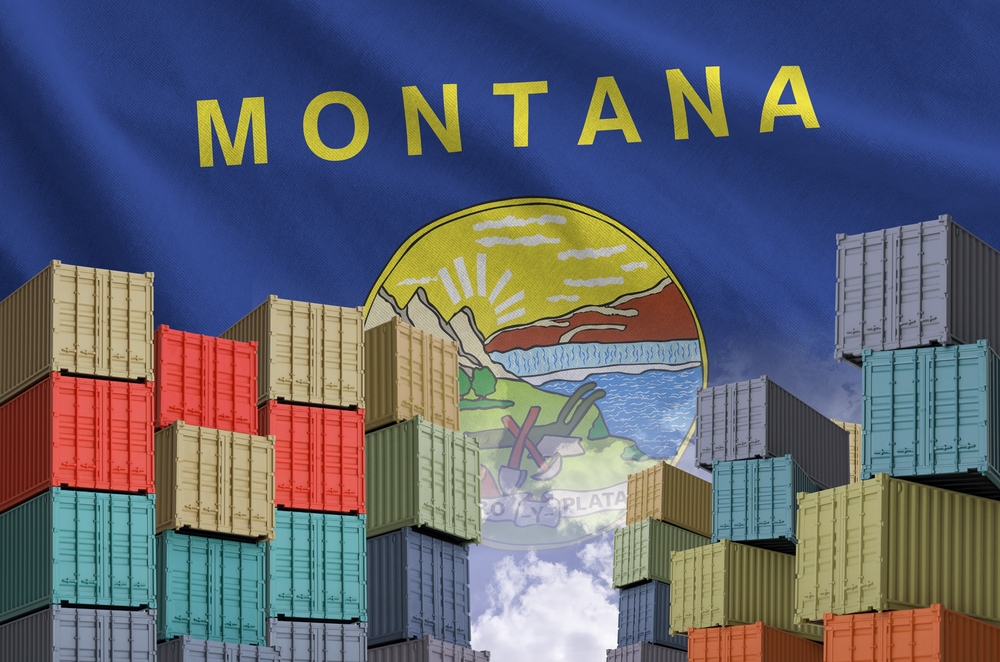
Montana is famous for its open skies, national parks, and quiet farming communities. But sharing the land with sprawling wheat fields are hidden underground silos holding intercontinental ballistic missiles. If a global conflict breaks out, these specific locations are designed to take the first hit.
During the Cold War, military leaders realized that keeping missiles in fixed spots made them vulnerable. Instead of moving them, they decided to use these rural missile fields as a giant sponge to absorb incoming enemy weapons, hoping to protect larger cities from immediate destruction. While this strategy might save major urban centers, it places rural families in direct danger.
If these silos are attacked, the consequences for the surrounding environment would be catastrophic. Enemy warheads would detonate close to the ground, creating massive fireballs that scoop up soil and turn it into radioactive dust. According to simulations by Princeton University researchers, winds would quickly carry this fallout across the state.
People living near the silos could face radiation doses of 8 grays or more, a level that scientists consider fatal. Even those further away might experience doses high enough to cause severe radiation sickness, especially among children.
John Erath, the Senior Policy Director for the Center for Arms Control and Non-Proliferation, notes that communities near these silos would face the most severe consequences. He warns that these areas would suffer from “prolonged radiation exposure” and contaminated food and water supplies.
2. Wyoming
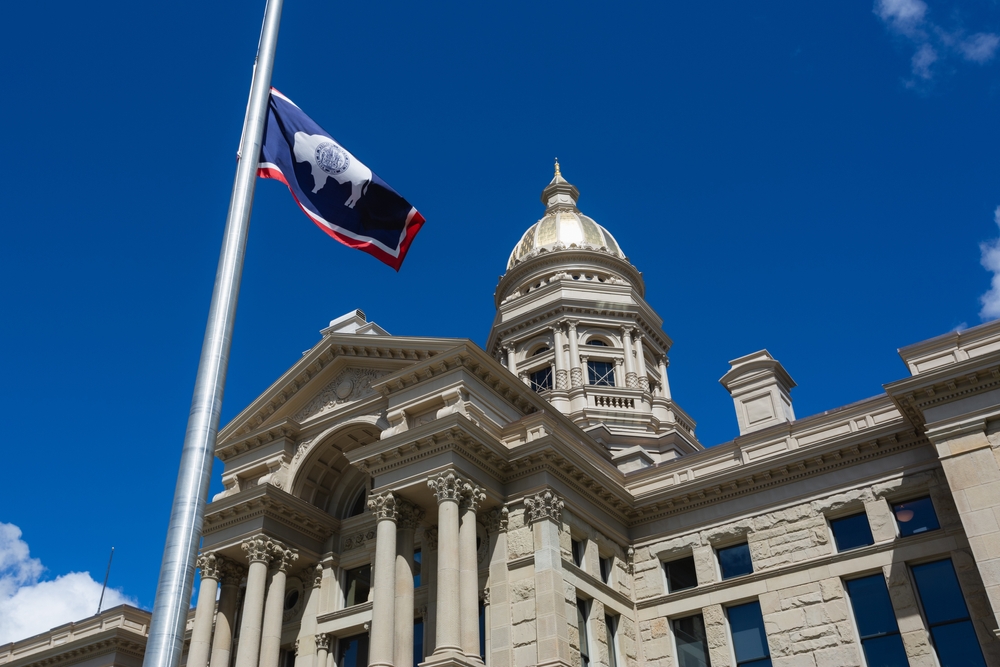
Wyoming is known for its stunning national parks and wide open spaces, offering a peaceful life for its residents. However, beneath this quiet exterior lies a massive 1.5 trillion dollar modernization project for the United States nuclear arsenal. The military is currently replacing older Minuteman missiles with new Sentinel missiles, a process expected to last into the mid-2030s.
While government environmental reports discuss the impact of building new utility lines and towers, they leave out the biggest danger to local communities. These upgraded silos remain primary targets for enemy strikes.
Even if a global conflict never happens, simply living near these active missile fields comes with severe everyday risks. To prevent enemy weapons from destroying the missiles, the air force keeps this fleet on high alert, ready to launch within minutes. This extreme readiness increases the chances of a tragic accident.
History shows that these fears are justified. The nuclear missile program has experienced alarming accidents, including missiles catching fire or exploding right in their launch tubes. In 1964, a nuclear warhead accidentally dropped from the top of its missile all the way to the bottom of an 80-foot deep silo.
Residents also face the terrifying possibility of an accidental release of toxic radioactive materials, such as plutonium, triggered by a mechanical failure or fire. For the people of Wyoming, the beautiful scenery is permanently paired with the unsettling reality of living alongside some of the most destructive weapons on earth.
3. Colorado

Colorado is famous for the Rocky Mountains, drawing families who love the outdoors and a peaceful, active lifestyle. Yet, tucked away in this scenic state is a critical part of the country’s land based missile network.
Many people assume that a nuclear strike would automatically target the largest, most crowded cities to cause maximum devastation. However, military experts point out that it is often more strategic for an enemy to cripple a nation’s ability to fight back. Because Colorado houses so many missile silos, it becomes a top priority for any incoming attack. This reality places local communities squarely on the front lines of a global conflict.
If these underground silos are targeted, the devastation would not just be a local tragedy. The destruction would ripple across the globe. Christian G. Appy, Director of the Ellsberg Initiative for Peace and Democracy at the University of Massachusetts Amherst, highlights the catastrophic environmental impacts of such an event. He warns that a major conflict would throw immense amounts of soot and debris into the stratosphere.
According to Appy, “Even a relatively ‘small’ nuclear war would cause a nuclear winter famine that would kill at least a billion people.”
4. Nebraska
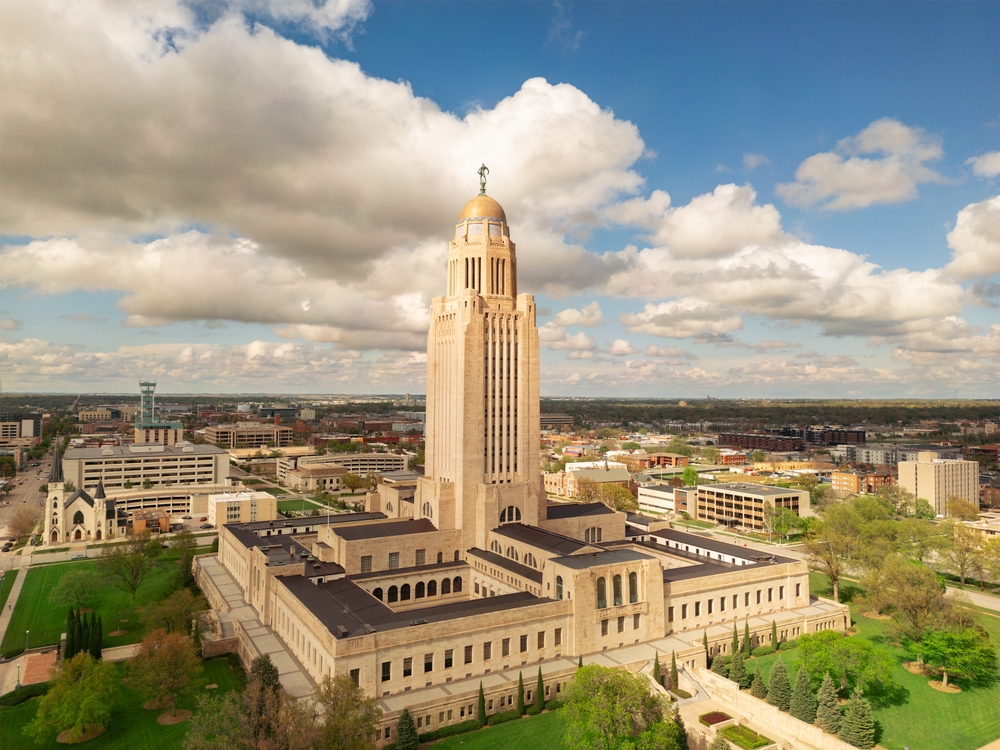
Nebraska is celebrated for its rich agricultural heritage and tight knit communities. But much like its neighboring states, it hides a dangerous secret in its vast cornfields. Nebraska is home to a significant number of the nation’s nuclear missile silos, making it a prime target in the event of a global war.
Because these silos are fixed in place, the military relies on a strategy called “launch on warning.” To prevent enemy strikes from destroying the missiles before they can be used, the air force keeps them on high alert. They are ready to be fired within minutes of detecting an incoming threat. This creates an incredibly tense environment where a simple mistake could spark a global disaster.
During the Cold War, there were several terrifying false alarms. If a similar error happens today and missiles are launched by mistake, an adversary would almost certainly fire back at the American heartland.
If a strike were to happen, the immediate aftermath would require drastic survival measures. Experts estimate that an attack on these silo fields could cause millions of fatalities across the country. To have any chance of surviving the initial radioactive fallout, residents in Nebraska would need to shelter in place for at least four days.
5. South Dakota
South Dakota attracts millions of visitors each year to iconic landmarks like Mount Rushmore and the Badlands. It is a place built on family road trips and American history. But just like its neighbors, the state sits dangerously close to the nation’s nuclear missile fields.
If these sites were ever attacked, the medical consequences for local families would be devastating. When nuclear warheads strike ground level targets, they send vast plumes of radioactive materials into the atmosphere. The wind dictates where this lethal dust settles. Scientific modeling shows that people living in South Dakota would likely be exposed to average radiation doses greater than 1 gray.
At these exposure levels, the human body begins to break down. The immediate result is acute radiation syndrome. Medical professionals warn that this condition is especially fatal for children, whose developing bodies are much more vulnerable to the effects of severe radiation.
What makes this threat even more unsettling is the lack of updated federal guidance. Back in 1990, the Federal Emergency Management Agency provided countrywide assessments confirming that no area was truly free from the risk of deadly fallout. Today, the agency focuses mostly on the effects of single nuclear detonations, leaving rural communities with little official guidance on how to survive a coordinated attack on the silo fields.
While experts like Braden Goddard, an associate professor at Virginia Commonwealth University, believe an adversary might prioritize political hubs like Washington, D.C. instead of silos, the sheer proximity of these weapons means the threat of fallout is a constant, quiet reality for South Dakota residents.
6. North Dakota
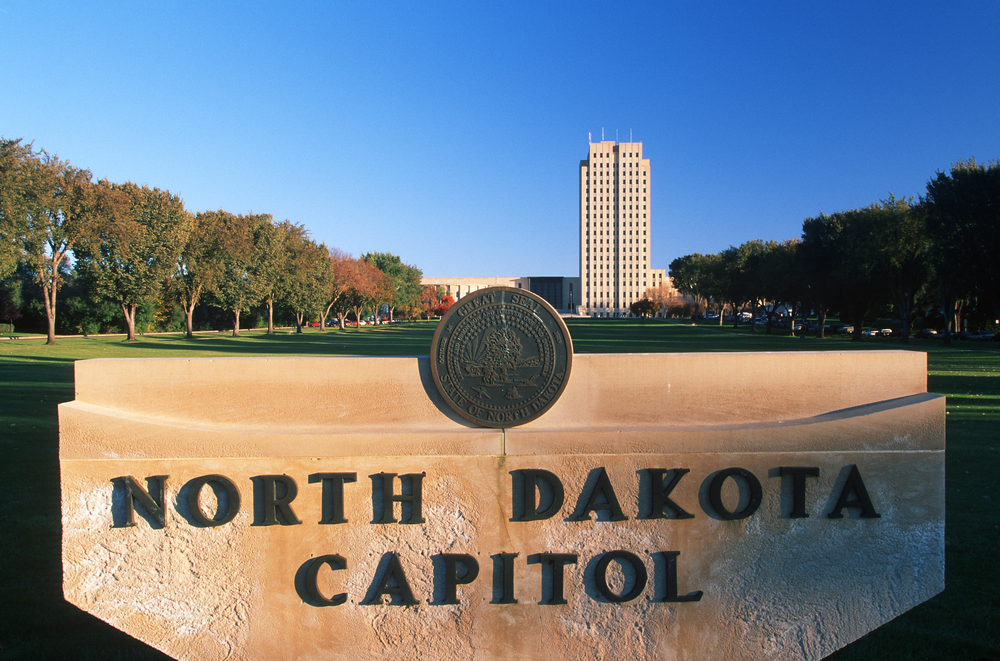
North Dakota is celebrated for its sweeping plains and deep agricultural roots. However, beneath the soil lies a vast network of nuclear missile silos. While the state feels remote, its role in global defense places it at the very center of potential conflict.
If these silos are targeted, the danger extends far beyond the state borders due to the unpredictable nature of weather patterns. When nuclear explosions create miles high radioactive mushroom clouds, the wind dictates the path of the destruction. Scientific simulations using archived weather data reveal that the majority of this radioactive dust settles within 48 hours.
Because wind directions change daily, the exact path of the fallout is impossible to predict. However, researchers calculate that a coordinated attack on silo rich states like North Dakota would generate plumes capable of reaching across the continent. This terrifying reality means that more than 300 million people throughout the contiguous United States, Canada, and northern Mexico would be at risk of lethal exposure.
7. Iowa

Iowa is deeply rooted in farming, known across the country for producing a massive amount of the nation’s food. Families here enjoy a quiet, community focused lifestyle far away from major political or military hubs. However, this peaceful setting is highly vulnerable due to its geography.
While Iowa might not house the same massive networks of missile silos as some of its western neighbors, it sits directly in the path of prevailing winds. If a coordinated attack targets the silos in the Midwest, the massive radioactive mushroom clouds would not stay contained. The wind would carry deadly fallout eastward, placing Iowa right in the danger zone.
Scientific simulations show that Iowa would likely face incredibly high levels of radioactive fallout. This dust would settle over the state, creating a silent but deadly hazard. Beyond the immediate health risks to residents, the environmental impact would be devastating. The fallout would contaminate fertile agricultural land for years, crippling the food supply and destroying the livelihoods of countless farming families.
8. Minnesota

Minnesota is affectionately known as the land of ten thousand lakes, celebrated for its pristine waterways and outdoor recreation. Families appreciate the natural sanctuary it provides, far removed from the tense political hubs of the coast. However, this sense of safety is an illusion when it comes to the threat of nuclear fallout.
While Minnesota is not the primary home to the nation’s missile silos, it shares borders with states that are. Because prevailing winds generally blow from west to east, the state sits directly in the crosshairs of drifting radioactive debris. If the silos in the Dakotas are attacked, the resulting ash and dust would quickly settle over Minnesota.
The most devastating impact for this state would be the rapid contamination of its famous natural resources. Radioactive fallout would poison the thousands of lakes, rivers, and underground aquifers that communities rely on for drinking water and farming. As weapons experts consistently warn, the long term consequences of radiation exposure and ruined water supplies make recovery nearly impossible.
One World, One Consequence
Looking at a map, it is easy to think some places are safer than others. Studies might point to spots like Maine or Vermont as safe havens because they would face less radiation. But experts warn that in a real nuclear conflict, state lines do not matter.
The damage goes far beyond the initial blast zones. Dust and smoke from the explosions would block out the sun, leading to extreme weather changes and massive food shortages everywhere. Even in areas untouched by bombs or direct fallout, finding basic necessities would become incredibly difficult.
Talking about these terrifying scenarios is not meant to scare people. It simply shows that everyone is in this together. No single town or state can truly hide from the effects of these weapons. The only real way to stay safe is to make sure these missiles never leave their silos in the first place.