
Your cart is currently empty!
Why You Don’t Have to Be a US Citizen to Be Drafted as Iran Conflict Raises Questions
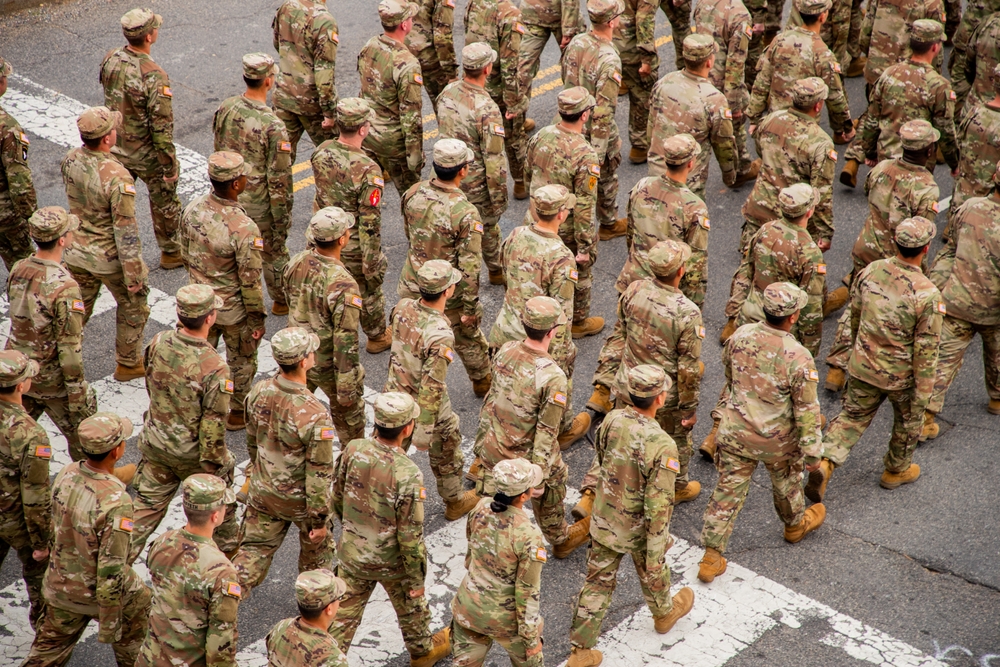
Whenever tensions rise between countries, many people begin asking the same question: could a military draft return? Recent U.S. attacks on Iranian targets have sparked online conversations about what would happen if a larger conflict broke out.
Contents
show
One topic that surprised many people is the role of citizenship in the U.S. draft system. A common belief is that only U.S. citizens could be forced into military service. In reality, the rules are more complicated.
The United States still maintains the legal system that would allow a draft if it was ever needed. And under those rules, citizenship alone is not the only factor that matters.
Understanding how the Selective Service works helps explain why some non‑citizens living in the country may also be required to register.
Why People Are Talking About the Draft Again

The United States has not used a draft since the Vietnam War era. In 1973 the country moved to an all‑volunteer military, which is still how the armed forces operate today.
However, when international conflicts grow more serious, discussions about conscription often return. Recent military action involving Iran has pushed the topic back into public conversation.
Several factors have helped drive the discussion:
- Rising tensions in the Middle East: U.S. strikes on Iranian targets have raised fears of a wider conflict.
- Online speculation: Social media posts have questioned whether Americans might be drafted.
- Confusion about the rules: Many people are unsure who would actually be eligible if conscription returned.
Even with these conversations happening, one fact remains clear. The United States does not currently have an active draft.
Military service is voluntary, and bringing back conscription would require major political decisions first.
How the Selective Service System Works

Even though the military relies on volunteers, the U.S. government keeps a system in place that could support a draft if one was needed. This system is called the Selective Service System.
The agency keeps a record of people who could be eligible for military service if Congress and the president decided to bring back conscription.
Registering with Selective Service does not mean someone has joined the military. It simply places their name in a database that could be used during a national emergency.
What the agency actually does
The Selective Service System mainly focuses on preparation. Its responsibilities include:
- Keeping registration records of eligible individuals.
- Helping run a draft lottery if conscription is approved.
- Handling exemptions and deferments for those who qualify.
- Organizing alternative service for people who object to military service for moral or religious reasons.
Because the system already exists, the government could move more quickly if a draft was ever authorized.
Why Some Non‑Citizens Must Register

One of the most surprising rules about the Selective Service system is that citizenship is not always the deciding factor.
Under current law, most men living in the United States between the ages of 18 and 25 must register with Selective Service. This rule applies to many people who are not U.S. citizens.
Groups that usually must register include:
- U.S. citizens, including people with dual citizenship
- Permanent residents, often called green card holders
- Refugees and asylum seekers living in the country
- Undocumented immigrants who live in the United States
The reason behind this rule is based on residency. People who live in the country long term are considered part of the population that may be asked to help during a national emergency.
There are some exceptions. People visiting the U.S. temporarily are usually not required to register. This includes tourists, diplomats, and many international students.
Registering Does Not Mean Someone Will Be Drafted
Another important point is that registering with Selective Service does not mean a person will automatically be sent to war.
Several steps would have to happen before anyone could be drafted.
First, Congress would need to pass a law allowing conscription. Then the president would have to approve the decision.
After that, the Selective Service System would organize a draft lottery, which randomly selects birth dates to decide the order people could be called.
Only after those steps would individuals receive official notices asking them to report for military processing.
Even during past drafts, not everyone who registered ended up serving. Some people received exemptions or deferments, while others were never selected.
Why the System Still Exists

Since the Vietnam War, the United States has relied on volunteers to fill military ranks. Despite this change, lawmakers chose to keep the Selective Service registration requirement in place.
Supporters believe the system acts as a safety net. If a large war suddenly required more troops, the government would already have a list of potential candidates.
Supporters often point to a few key benefits:
- Faster response during national emergencies
- A prepared system instead of building one from scratch
- Better planning for military manpower needs
At the same time, the system has faced criticism over the years. Some critics argue it is outdated, while others question whether the rules should apply to more groups, including women.
These debates appear in Congress from time to time, especially when global tensions rise.
Could the U.S. Actually Bring Back the Draft?

While conversations about conscription often grow during international conflicts, bringing back the draft would be a major step.
Several factors would influence whether it could happen.
- Military needs: The United States currently has one of the largest volunteer militaries in the world. A draft would likely only be considered if the military could not recruit enough volunteers during a major war.
- Political approval: Any draft would require approval from Congress. Because of the political and social impact, lawmakers would likely debate the issue heavily.
- Public reaction: Public opinion plays an important role. Many Americans remain strongly opposed to conscription because of the experiences during the Vietnam War.
- Changes in modern warfare: Modern conflicts often rely on technology, specialized training, and smaller professional forces rather than massive numbers of infantry soldiers.
For these reasons, many experts believe a draft would only be considered in an extreme national emergency.
The Bigger Picture
Whenever international tensions rise, discussions about the military draft tend to return. The recent focus on Iran has once again pushed people to question how the system works.
What many discover is that the rules are not as simple as they first appear. U.S. citizenship is not the only factor when it comes to Selective Service registration.
Instead, the law focuses mainly on whether someone lives in the United States during the years when registration is required.
Even so, registration alone does not mean anyone will be sent to war. Multiple political and legal steps would need to happen before a draft could ever become reality.
For now, the United States continues to rely on a volunteer military. The Selective Service system remains in place as a backup plan that the country hopes it will never have to use.