
Your cart is currently empty!
Trump Claims Cuba Is Near Collapse And Says ‘They Will Fall Soon’
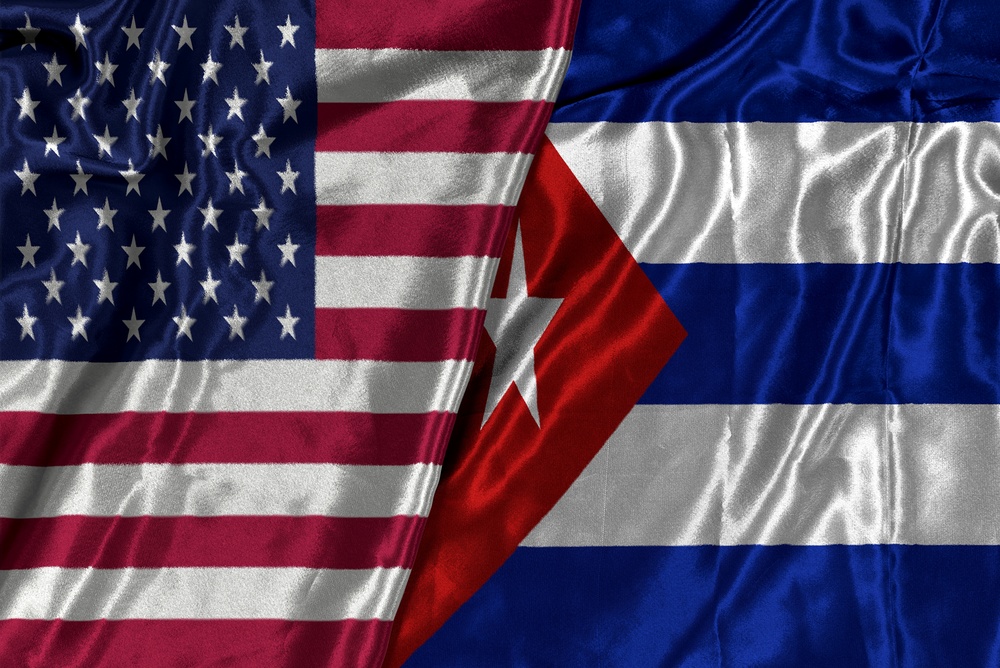
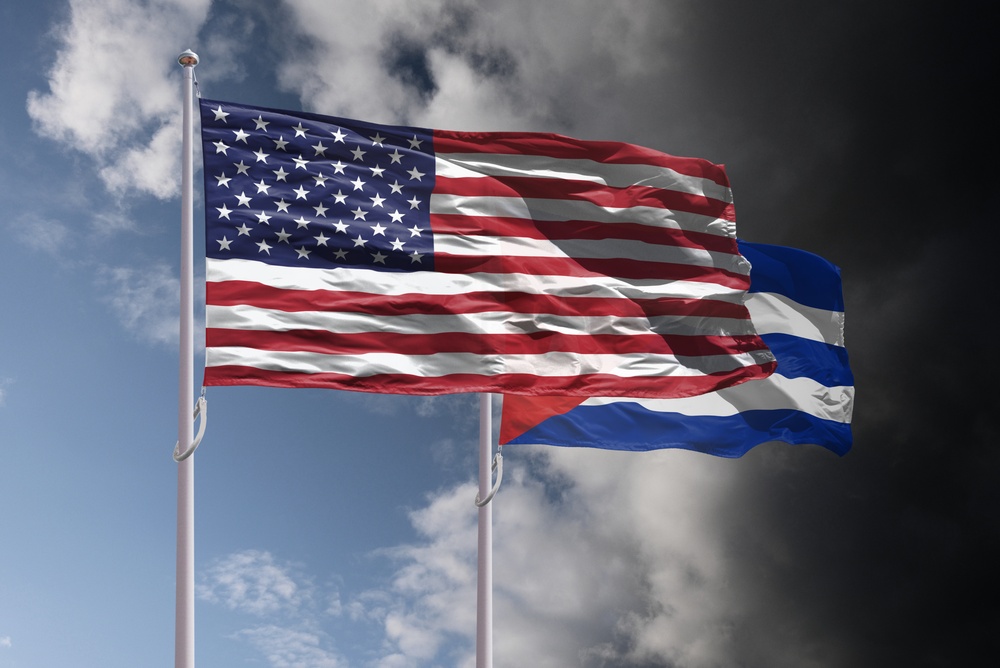
In a moment that quickly sparked global attention and renewed debate about U.S. foreign policy in the Western Hemisphere, U.S. President Donald Trump suggested that Cuba could soon become a major focus of his administration’s next geopolitical move. The remarks came during a public appearance involving Inter Miami football stars and the club’s Cuban-American owner Jorge Mas, where Trump unexpectedly turned the conversation toward the future of the Caribbean island. His words were delivered against the backdrop of an escalating economic and energy crisis in Cuba, a nation already grappling with widespread blackouts, shortages of fuel, and growing pressure on its aging infrastructure. For political observers and regional analysts, the timing of the statement raised immediate questions about whether Washington is preparing to intensify its pressure campaign against Havana.
Contents
show
The comments also arrive during a period of major shifts in regional politics. Cuba has long maintained close ties with governments such as Venezuela, Russia, and China, relationships that U.S. officials often view through the lens of national security. At the same time, the island’s internal economic challenges have deepened, leaving many residents struggling with everyday necessities such as electricity, transportation, and reliable access to food supplies. Trump’s remarks, combined with new economic measures announced by his administration, have amplified speculation about whether the United States is attempting to force negotiations with the Cuban leadership or preparing for a more confrontational phase in its decades-long relationship with the island.
Trump Signals Cuba May Be the Next Foreign Policy Focus
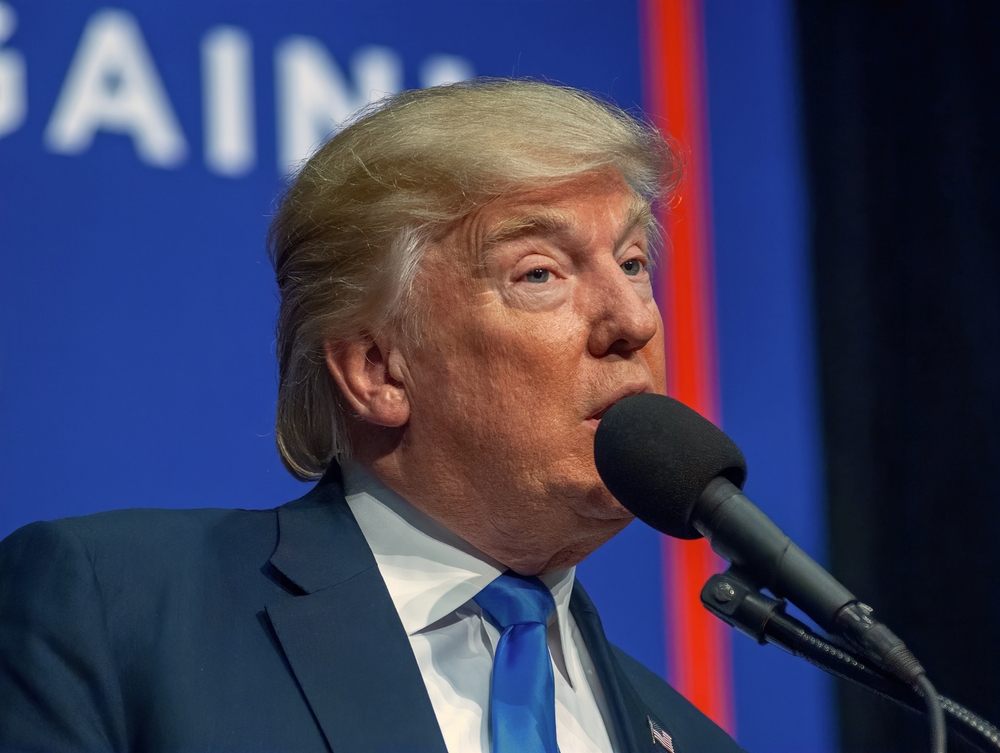
Trump first hinted at his intentions during an event where Inter Miami players Lionel Messi and Luis Suárez were present alongside the team’s owner Jorge Mas. While addressing Mas in front of the group, Trump suggested that developments in Cuba could soon give supporters of political change something to celebrate. According to accounts of the moment, he told Mas that they would soon be “celebrating what’s going on in Cuba” and added that the Cuban authorities “want to make a deal. So badly you have no idea.” The remarks quickly drew attention because they appeared to signal that the administration believed Havana was under mounting pressure and might eventually seek negotiations with Washington.
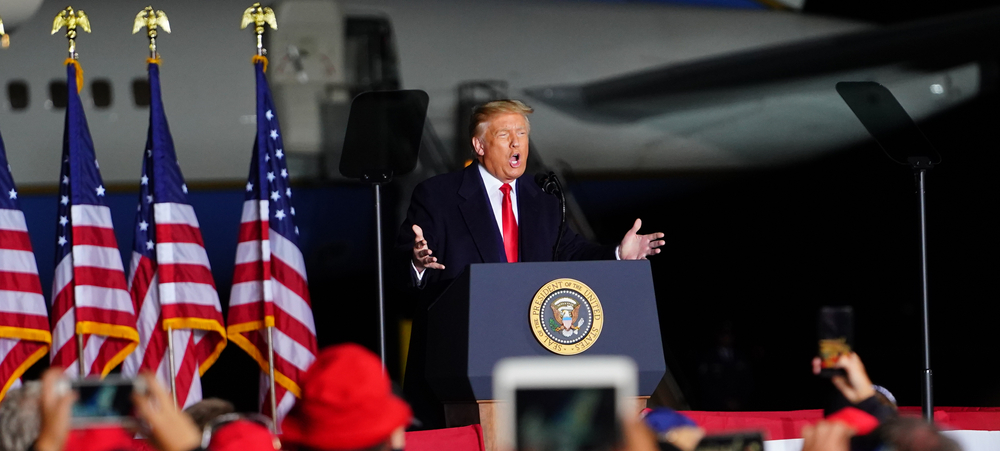
The following day Trump reinforced the message during a conversation with CNN. Speaking about the island’s future, he stated bluntly, “Cuba is gonna fall pretty soon.” The comment immediately circulated across political circles and news outlets, fueling speculation about whether the administration believed the Cuban government was nearing a critical breaking point. Trump did not offer a detailed explanation of what form such a collapse might take, but the statement clearly indicated that he viewed the country’s political and economic trajectory as unsustainable under current conditions.
Trump also hinted that members of his administration could soon play a direct role in dealing with the situation. Referring to Secretary of State Marco Rubio, he said, “I’m going to put Marco over there and we’ll see how that works out.” While the president noted that his administration’s immediate focus remained on other global developments, he added that Cuba was firmly within Washington’s strategic view, saying, “But we’ve got plenty of time. Cuba’s ready – after 50 years.” Together, those comments suggested that the administration believes the island may be entering a period where outside pressure could produce dramatic political change.
The Strategy Behind Washington’s Pressure Campaign
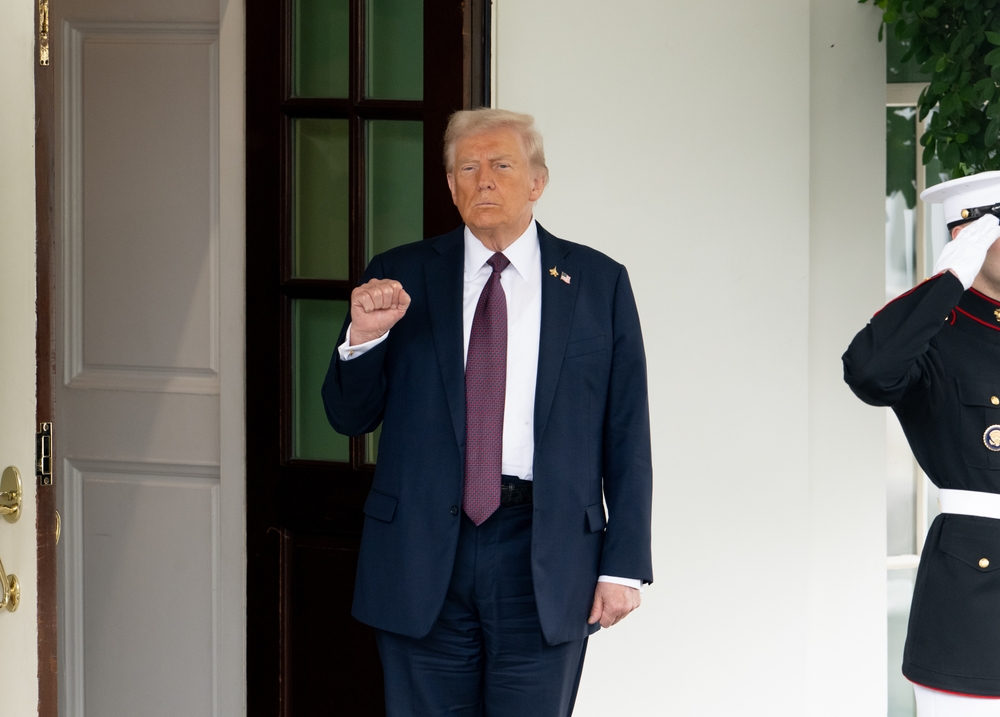
The Trump administration has already begun implementing a series of measures designed to increase economic pressure on the Cuban government. Earlier this year the president issued an executive order declaring that the policies and actions of the Cuban government represent “an unusual and extraordinary threat” to the national security and foreign policy of the United States. The declaration established a national emergency framework that allows the administration to use a range of economic tools aimed at restricting the island’s access to vital resources, particularly oil.
One of the central elements of the policy is a system of tariffs targeting countries that supply petroleum to Cuba. Under the order, the United States can impose additional duties on goods imported from any country that directly or indirectly sells oil to the island. U.S. officials from the Department of Commerce and the Department of State are tasked with monitoring global energy shipments and identifying nations that provide fuel to Havana. If such transactions are discovered, the administration can respond with trade penalties designed to discourage further cooperation.
The executive order also outlines broader national security concerns that the administration says justify the tougher stance. According to the document, Cuba “aligns itself with — and provides support for — numerous hostile countries, transnational terrorist groups, and malign actors adverse to the United States.” The order cites intelligence cooperation with Russia, growing security ties with China, and alleged connections with groups such as Hezbollah and Hamas as examples of relationships that Washington believes threaten stability in the region. By framing the issue in security terms, the administration has argued that restricting Cuba’s energy supply is part of a larger effort to defend American foreign policy interests.
Cuba’s Deepening Energy Crisis
These policy moves come at a time when Cuba is already experiencing one of the most severe energy crises in its recent history. The island’s electricity system relies heavily on imported oil to power a network of aging thermo-electric plants that were built decades ago, many of them during the Soviet era. Without sufficient fuel shipments, these facilities struggle to produce enough electricity to meet national demand, leading to frequent blackouts that disrupt daily life across the country.
The situation worsened dramatically after political changes in Venezuela disrupted a crucial source of subsidized crude oil. For many years the Venezuelan government had supplied Cuba with large quantities of fuel as part of a political alliance between the two countries. When that supply was suddenly interrupted earlier this year, the Cuban government found itself scrambling to secure alternative sources of energy. However, the new U.S. tariff policy has made it more difficult for other nations to step in and replace the missing shipments.
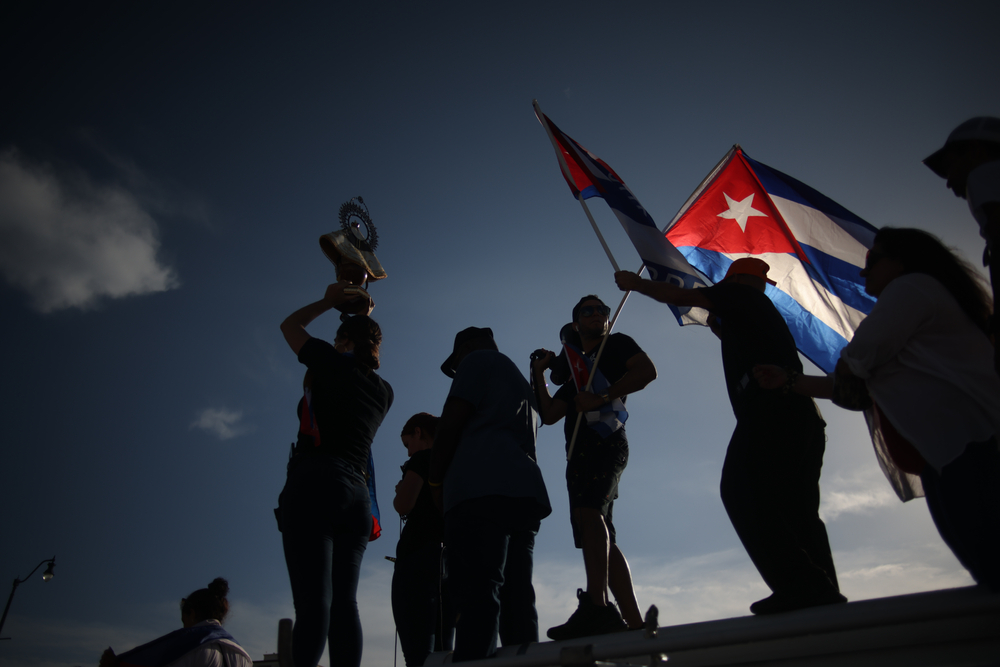
Across Cuba the consequences of the shortage have become increasingly visible. In many cities garbage trucks operate only sporadically because there is not enough fuel to run them regularly, leaving waste piled along sidewalks and public streets. Some residents have resorted to burning rubbish piles at night in order to prevent the buildup from becoming overwhelming, which fills neighborhoods with smoke and raises concerns about potential health risks. Even in parts of Havana that once enjoyed relatively stable electricity supplies, households have been forced to cook with firewood during prolonged outages.
The Human Impact of Economic Pressure
For ordinary Cubans the energy crisis is not simply an abstract economic problem but a daily reality that affects nearly every aspect of life. When electricity cuts occur, households lose access to basic conveniences such as refrigeration, lighting, and fans that help people cope with the island’s tropical climate. Food stored in refrigerators can spoil quickly during long outages, forcing families to adjust their routines and purchase smaller quantities of groceries more frequently.
Transportation is another area where shortages have created serious challenges. With limited fuel available, buses and taxis often operate on reduced schedules, making it difficult for workers to commute to their jobs or for students to reach schools and universities. Small businesses also face serious obstacles because many rely on generators to remain open during blackouts. Those generators require fuel, which has become increasingly difficult to obtain.
The tourism industry, one of the most important sources of revenue for Cuba’s economy, has also been affected by the crisis. Airlines have struggled to refuel aircraft in Havana because of the shortage of jet fuel, leading some international carriers to suspend flights to the island. For a country that depends heavily on tourism income, disruptions in air travel can have far-reaching economic consequences. With summer approaching and temperatures expected to rise sharply, many residents worry about how people will cope without reliable electricity for air conditioning or even simple electric fans.
Security Concerns Driving U.S. Policy
Officials in Washington insist that the administration’s policies toward Cuba are not only about economic pressure but also about protecting national security. In the executive order declaring the national emergency, the Trump administration argued that the Cuban government maintains relationships with foreign powers and organizations that could pose risks to the United States.
One concern highlighted in the document involves Russia’s signals intelligence facility located in Cuba. According to U.S. officials, the facility has the capability to intercept communications and gather sensitive national security information. The order also references growing intelligence and defense cooperation between Cuba and China, developments that the administration believes could expand the presence of rival powers in the Western Hemisphere.
The document further accuses the Cuban government of allowing organizations such as Hezbollah and Hamas to build connections in the region. U.S. officials argue that these relationships could contribute to regional instability and undermine international efforts to enforce sanctions and counterterrorism policies. By presenting the issue as part of a larger geopolitical struggle, the administration has framed its actions as a necessary response to threats that extend beyond Cuba itself.
Are Negotiations Already Underway?
Despite the strong rhetoric coming from Washington, there are signs that communication channels between the United States and Cuba may still exist behind the scenes. Reports have suggested that contacts between officials from both governments may have taken place quietly in recent months as each side evaluates its options. One figure reportedly linked to these discussions is Raúl Guillermo Rodríguez Castro, the grandson of former Cuban leader Raúl Castro.
The Cuban government has not publicly confirmed that formal negotiations are underway. Officials in Havana have acknowledged that “communications” between the two countries have occurred but have not described them as structured talks. The ambiguity surrounding these contacts has led analysts to speculate that both governments may be testing the possibility of diplomatic engagement while continuing to present strong positions in public statements.
Trump himself has hinted that the outcome could take several forms depending on how the situation develops. During a news conference in Florida he suggested that the future of Cuba might involve negotiations or other forms of political change. “It may be a friendly takeover. It may not be a friendly takeover,” he said while discussing the island’s worsening economic crisis. The comment underscored how uncertain the next stage of U.S.–Cuba relations remains.
A Moment of Uncertainty for the Caribbean Nation
Trump’s warning that “Cuba is gonna fall pretty soon” has intensified debate about the island’s future and about the broader strategy of the United States in the region. Some analysts believe the pressure campaign is intended to force the Cuban government into negotiations that could lead to economic reforms or political concessions. Others argue that tightening sanctions during a humanitarian crisis risks worsening the hardships already faced by ordinary citizens.
For Cuba the current moment represents a complex intersection of economic difficulties, political tensions, and international pressure. Energy shortages have weakened the country’s infrastructure, tourism revenues remain fragile, and diplomatic relations with the United States continue to shift. Each of these challenges contributes to an environment of uncertainty for both policymakers and the Cuban public.
What happens next may depend on several factors including the severity of Cuba’s energy crisis, the willingness of other countries to support the island economically, and the direction of U.S. foreign policy in the months ahead. Trump’s comments have made one thing clear: Cuba remains firmly within Washington’s geopolitical focus. Whether the future brings negotiation, confrontation, or gradual change will shape the next chapter in a relationship that has been defined by tension and cautious engagement for more than half a century.