
Your cart is currently empty!
The Personality Traits Behind Women Who Prefer Male Friendships

Friendship patterns often reveal a lot about personality, comfort zones, and life experiences. While many people naturally build friendships with those who share similar backgrounds or identities, others find themselves gravitating toward a different dynamic entirely. One social pattern that frequently sparks conversation is when women tend to have more male friends than female ones.
Contents
show
For some women, this happens organically over time. They may grow up with brothers, enter male-dominated fields, or simply connect more easily with the communication style that often characterizes male friendships. Despite how common this dynamic can be, it is still frequently misunderstood. People sometimes assume there must be hidden motives behind it or label the behavior with stereotypes.
In reality, women who prefer male friendships often share certain personality traits, experiences, and perspectives that shape how they relate to others. These qualities do not mean they dislike other women or reject female friendships. Instead, they reflect the unique ways individuals seek connection, comfort, and authenticity in their social lives.
They Often Value Simplicity in Social Dynamics
One of the most commonly reported reasons some women feel comfortable with male friendships is the straightforward nature of the interaction. Many describe these friendships as easier to navigate because expectations tend to feel less complicated. Conversations often move quickly from topic to topic without lingering on subtle tensions or emotional signals that must be carefully interpreted.
For women who prefer clarity in social interactions, this environment can feel refreshing. Spending time together may revolve around simple activities such as watching a game, grabbing food, or sharing a hobby. The focus is often on enjoying the moment rather than analyzing every detail of the interaction.
This simplicity does not mean these friendships lack depth. Many women report having meaningful conversations with male friends about work, relationships, and personal challenges. The difference lies in the tone. The interaction often feels grounded and relaxed rather than emotionally layered. The absence of constant social analysis allows people to show up as they are without worrying about how every word might be interpreted.
Early Life Experiences Often Shape This Preference

Childhood experiences play a significant role in shaping how people build friendships later in life. Many women who feel comfortable among male friends grew up in environments where boys were a major part of their daily social world. This might include having several brothers, spending time in male-dominated hobbies, or growing up in neighborhoods where boys made up most of the friend group.
When these early interactions become the foundation of a person’s social development, the dynamic naturally feels familiar. The humor, communication style, and rhythm of conversation within male groups become second nature. By adulthood, forming friendships with men may feel almost instinctive because it mirrors the environment they experienced during formative years.
This familiarity can also reduce the pressure of navigating certain social expectations that sometimes arise in female peer groups. Instead of worrying about subtle norms or unspoken rules, these women may feel free to express their personalities without trying to fit into a specific mold. The dynamic simply feels comfortable because it reflects what they already know.
Direct Communication Feels Refreshing
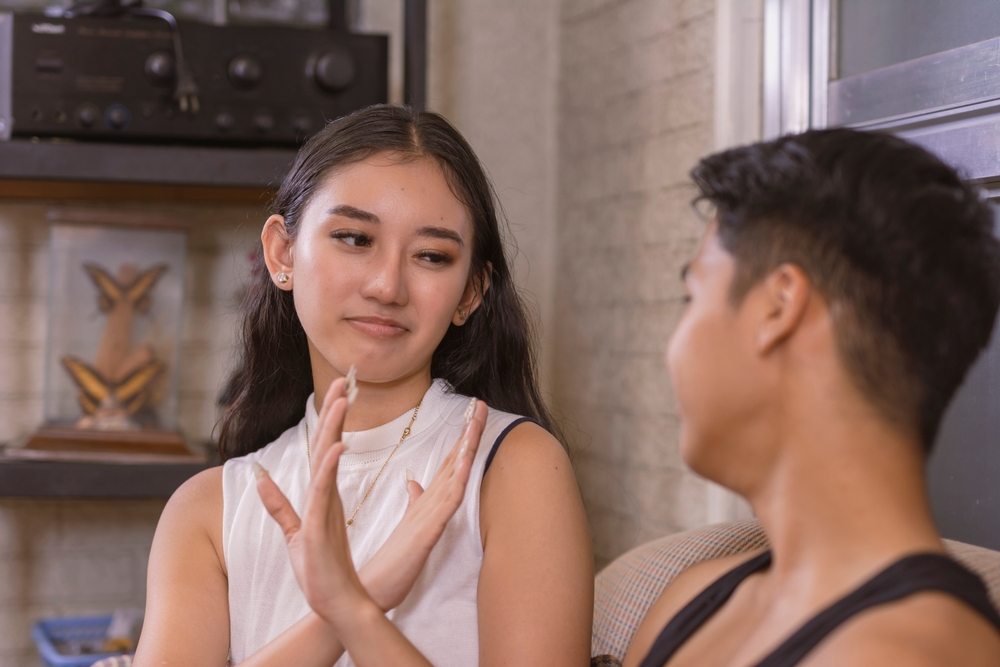
Communication styles often play an important role in how friendships develop. Research and social observation frequently suggest that men are more likely to communicate directly and focus on problem-solving when discussing challenges. While this is not true for every individual, it is a pattern that many people recognize in their day-to-day interactions.
For women who value direct communication, this style can feel especially appealing. Instead of lengthy discussions that revisit the same emotional details, conversations may move quickly toward practical ideas and solutions. When a stressful situation arises, a male friend might focus on identifying what can be done next rather than analyzing every possible feeling surrounding the issue.
This approach can provide a sense of clarity and forward momentum. Some women appreciate hearing straightforward opinions because it helps them step back from emotional overload and consider the situation more objectively. At the same time, these friendships can still offer support and empathy. Listening, sharing perspectives, and offering encouragement remain part of the dynamic, but they often occur in a more concise and action-oriented way.

Another factor that often shapes these friendships is the way people bond. Female friendships are frequently described as conversation-driven, with emotional sharing playing a central role in building closeness. Male friendships, on the other hand, often develop through shared activities.
For women who enjoy activity-based bonding, spending time with male friends can feel especially natural. The connection grows through experiences rather than through constant conversation. Whether it involves sports, gaming, hiking, or working on projects together, the activity itself becomes the foundation of the friendship.
This type of bonding allows conversations to develop organically. People talk while doing something rather than sitting down specifically to talk. The interaction feels fluid and relaxed, and there is less pressure to maintain a certain emotional tone throughout the entire gathering. Many women who prefer this style find that it removes some of the expectations that can sometimes accompany more structured social interactions.
A Desire for a Relaxed Social Atmosphere

Some women who prefer male friendships describe appreciating the relaxed atmosphere that often characterizes these relationships. The dynamic may feel less focused on comparison or social competition and more centered on enjoying each other’s company.
In certain social environments, people naturally compare aspects of their lives, such as career progress, relationships, or personal achievements. When these comparisons become frequent, interactions can begin to feel exhausting. Women who gravitate toward male friend groups often say they value spaces where accomplishments can simply be acknowledged without becoming a point of rivalry.
Within many male friend groups, celebrations of success may be brief and straightforward. A friend shares good news, and the group expresses support before the conversation moves on. This simplicity can create an environment where people feel comfortable sharing milestones without worrying about how others might interpret them.
Of course, competition exists in every social setting. The difference is often in how it appears. In male friendships, it may surface through playful banter or friendly challenges rather than through personal comparison.
Exposure to Different Perspectives

Spending time with friends of different genders can naturally broaden one’s perspective. Women who maintain strong friendships with men often gain insight into viewpoints that might not surface in exclusively female circles.
These interactions can shape how people interpret relationships, workplace dynamics, and everyday communication. Male friends may offer interpretations of situations that highlight angles someone had not previously considered. Over time, this exchange of perspectives can deepen a person’s understanding of social behavior.
This broadened perspective can also prove valuable in professional environments. Many industries continue to have male-dominated leadership structures. Women who regularly engage with male viewpoints may find it easier to interpret workplace communication patterns and navigate professional dynamics with confidence.
The result is not simply a shift in opinion but a more layered understanding of how different people approach challenges and decisions.
The Freedom to Be Authentic

Another theme frequently mentioned by women who prefer male friendships is the feeling of authenticity that these relationships allow. Without certain social pressures surrounding appearance, behavior, or presentation, they may feel able to express themselves more naturally.
Some women describe feeling less judged about how they dress, speak, or carry themselves when spending time with male friends. The emphasis is less about maintaining a polished image and more about enjoying the moment. This environment allows humor to flow freely and conversations to unfold without careful self-monitoring.
Authenticity often strengthens relationships because it removes barriers that prevent genuine connection. When people feel accepted without needing to perform a particular role, trust develops naturally. Over time, that trust becomes the foundation for a deeper friendship.
Professional Environments Can Shape Social Circles

Workplace experiences also influence friendship patterns. Many women build strong friendships with male colleagues simply because they spend a large portion of their time working together. Fields such as technology, engineering, finance, and certain areas of science still contain significant male majorities.
When people collaborate closely on projects, solve problems together, and navigate workplace challenges as a team, friendships can form naturally. Shared professional experiences create a sense of camaraderie that extends beyond the office.
These friendships sometimes provide valuable insight into workplace culture. Conversations with male friends can reveal perspectives about leadership styles, communication habits, and informal dynamics that shape professional environments. Understanding these patterns can help women navigate their careers with greater awareness and confidence.
Challenging Social Expectations
Women who maintain strong male friendships often demonstrate a willingness to challenge traditional expectations about how social circles should look. Society sometimes assumes that women will naturally form close groups with other women. When someone’s friendships do not follow that pattern, it can lead to curiosity or criticism from others.
Labels and stereotypes occasionally appear in these conversations, suggesting that a woman with many male friends must have a particular motive. In reality, most friendships develop through shared interests, compatible personalities, and everyday circumstances rather than deliberate social strategies.
By simply building friendships based on comfort and connection, these women quietly challenge rigid assumptions about gender and social behavior. Their experiences highlight the idea that meaningful relationships are not defined by categories but by mutual respect and understanding.

Friendship Patterns Are Rarely Absolute
Although some women appear to prefer male friendships, the reality is often more balanced than it seems. Many still maintain meaningful relationships with other women while simply having a larger number of male friends in their social circle.
Friendship networks also evolve over time. Career changes, relocations, family responsibilities, and new hobbies all introduce people to different communities. A person who once had mostly male friends may later develop close relationships with female colleagues, neighbors, or fellow parents. The reverse can also happen.
Human relationships rarely follow strict formulas. They shift as people grow, explore new environments, and meet individuals who resonate with them in unexpected ways.
The Personal Nature of Friendship
Ultimately, friendship remains deeply personal. People gravitate toward those who make them feel comfortable, respected, and understood. Women who prefer male friendships often share qualities such as independence, openness to different perspectives, appreciation for direct communication, and a desire for relaxed social environments.
At the same time, these qualities are not exclusive to any gender. Many women find profound fulfillment in female friendships, just as many men value emotionally expressive relationships. What matters most is the authenticity of the connection.
A supportive friendship can exist between any combination of personalities and identities. Rather than focusing on why someone chooses certain friends, it can be more meaningful to recognize the diversity of ways people build connections.
Friendship is not defined by gender. It grows through trust, shared experience, and the quiet comfort of knowing someone genuinely understands you.